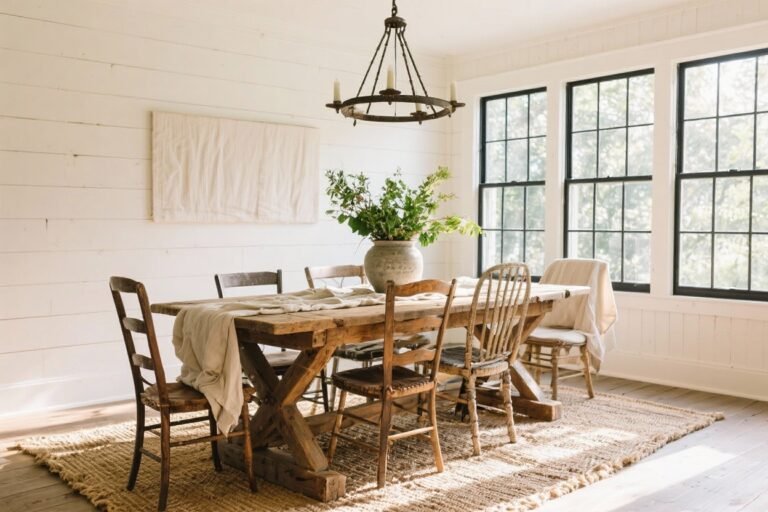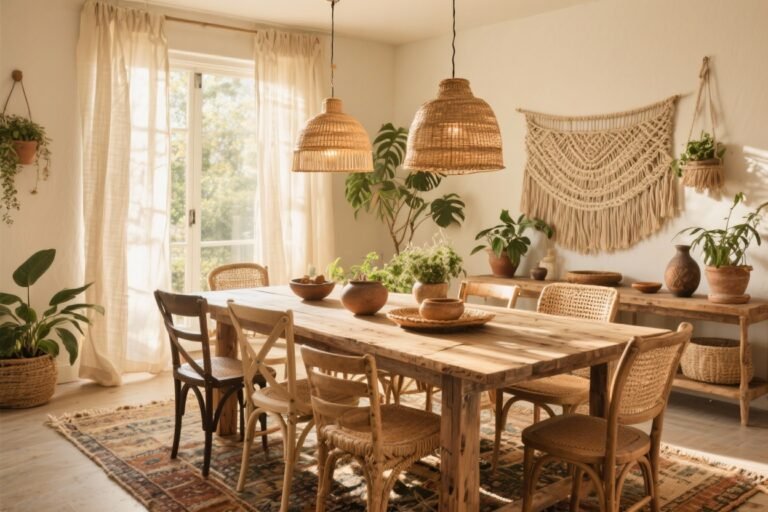
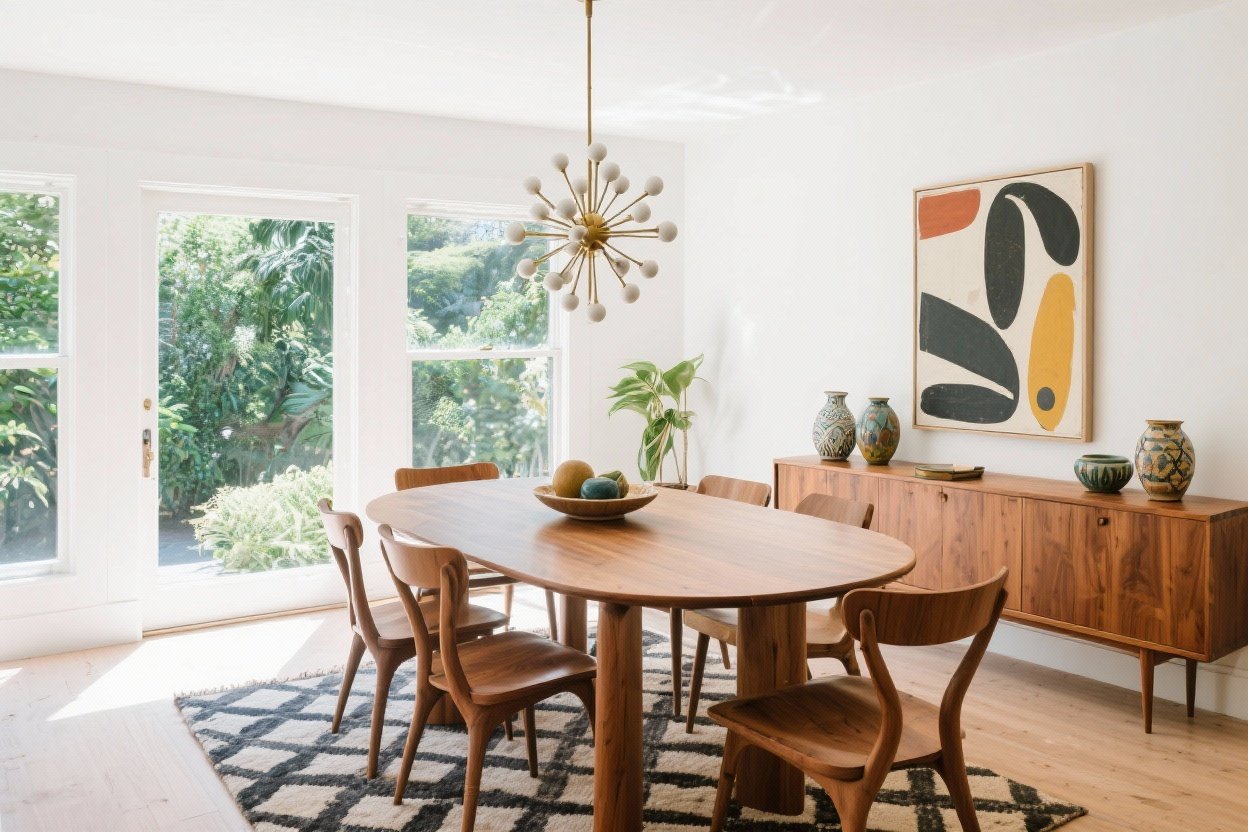
14 Mid-century Modern Dining Room Ideas That Feel Effortlessly Cool
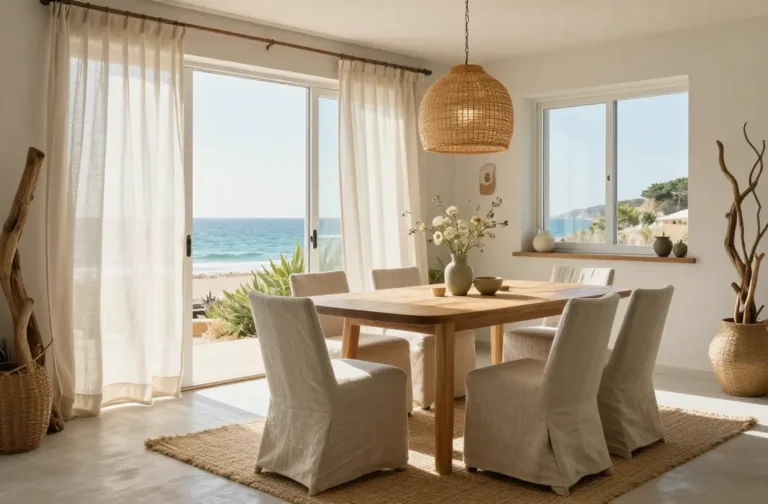
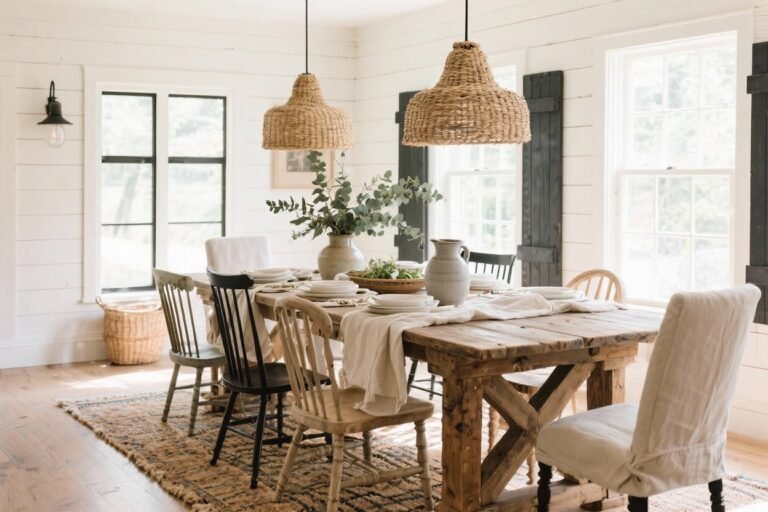
You want a dining room that looks chic, feels cozy, and low-key makes everyone ask, “Where did you get that?” Welcome to mid-century modern—aka clean lines, warm woods, sculptural lighting, and a vibe that’s timeless but never boring.
Below are 14 ideas to nail the look without turning your home into a museum. We’re talking real-life style, not precious showrooms.
1. Go All In On Wood Tones (But Keep It Balanced)
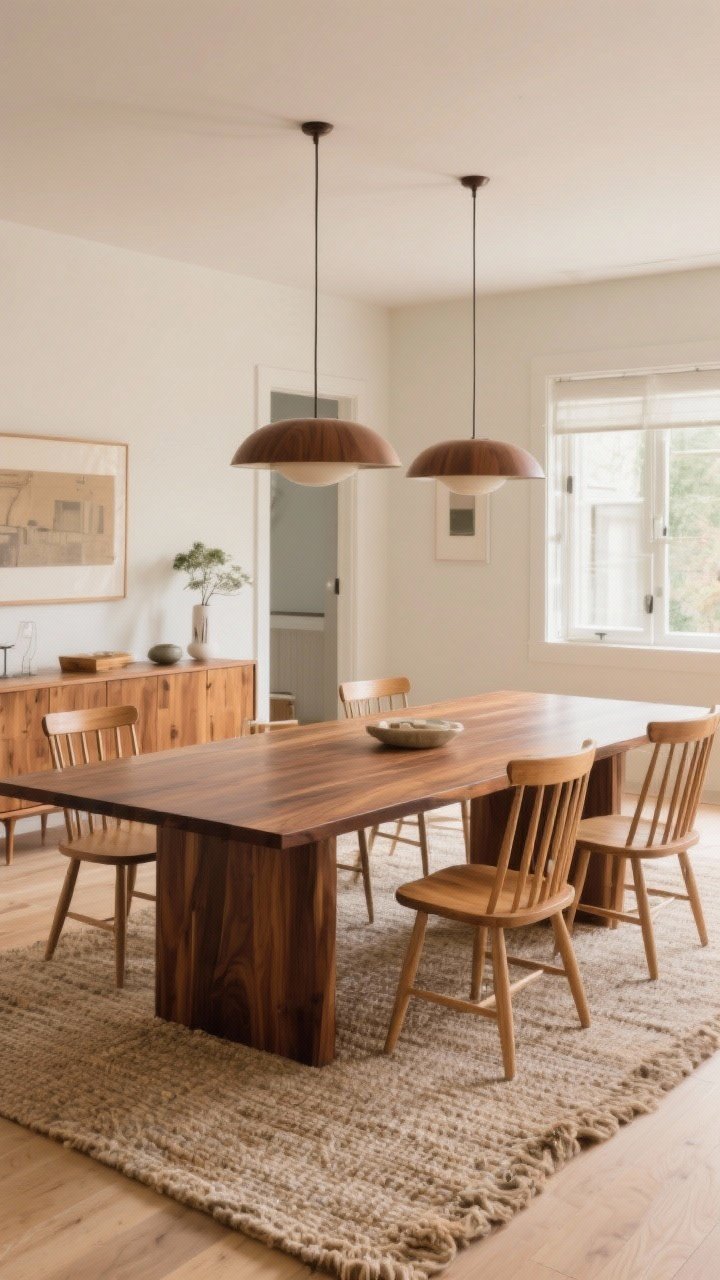
Mid-century modern is basically a love letter to wood—think warm teak, walnut, and oak. The magic happens when you mix tones intentionally, so the room feels layered and not matchy-matchy.
How to get it right
- Choose a hero wood: Let your dining table set the tone (walnut is a classic).
- Complement, don’t copy: Pair walnut with lighter oak chairs or a teak credenza.
- Ground with a rug: A neutral wool or jute rug keeps multiple woods from clashing.
Pro tip: If everything has the same finish, it can read flat. Contrast = personality.
2. Pick a Statement Table With Soul
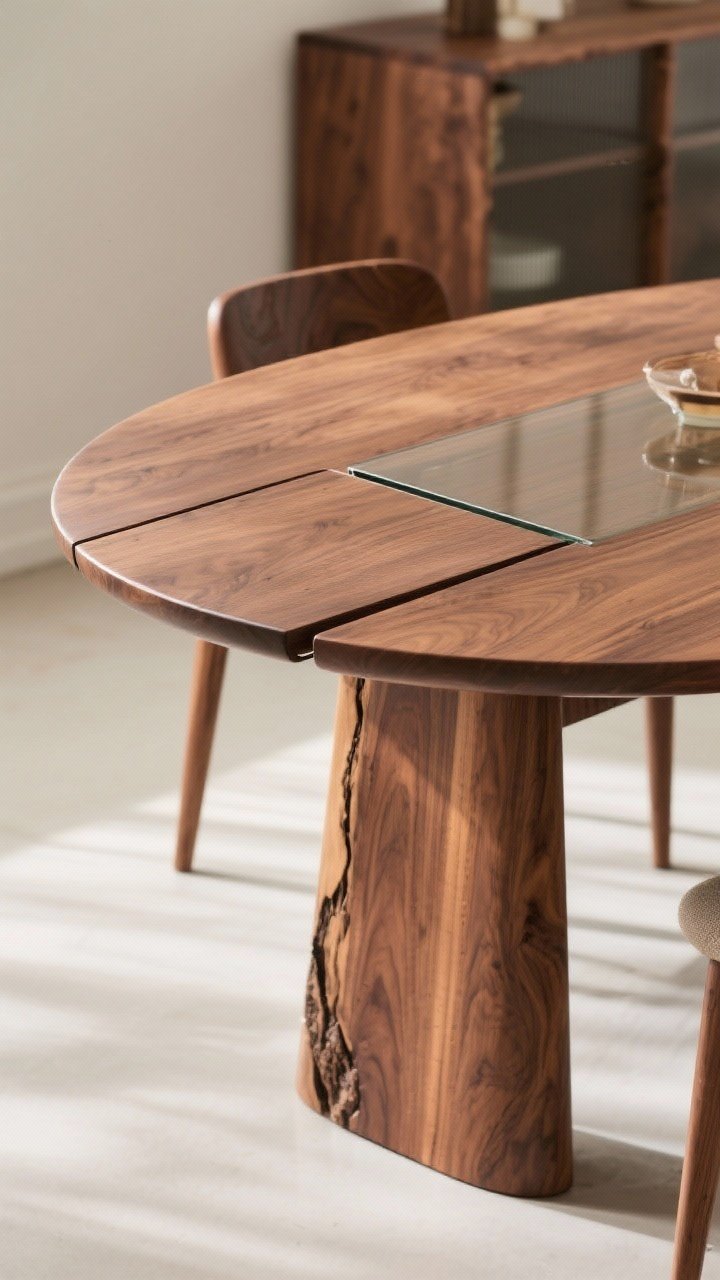
The table is your anchor. Look for sleek profiles, tapered legs, and organic edges. Round or oval tables feel friendlier for conversation, while rectangular ones are dining workhorses.
- Pedestal bases give you more legroom (and a strong mid-century vibe).
- Extendable designs are great if you entertain—leafs keep it flexible.
- Natural wood tops age beautifully; they wear in, not out.
FYI: Glass can work if you want a lighter look, but wood brings the warmth that makes the style sing.
3. Mix-and-Match Iconic Chairs (Without Overdoing It)
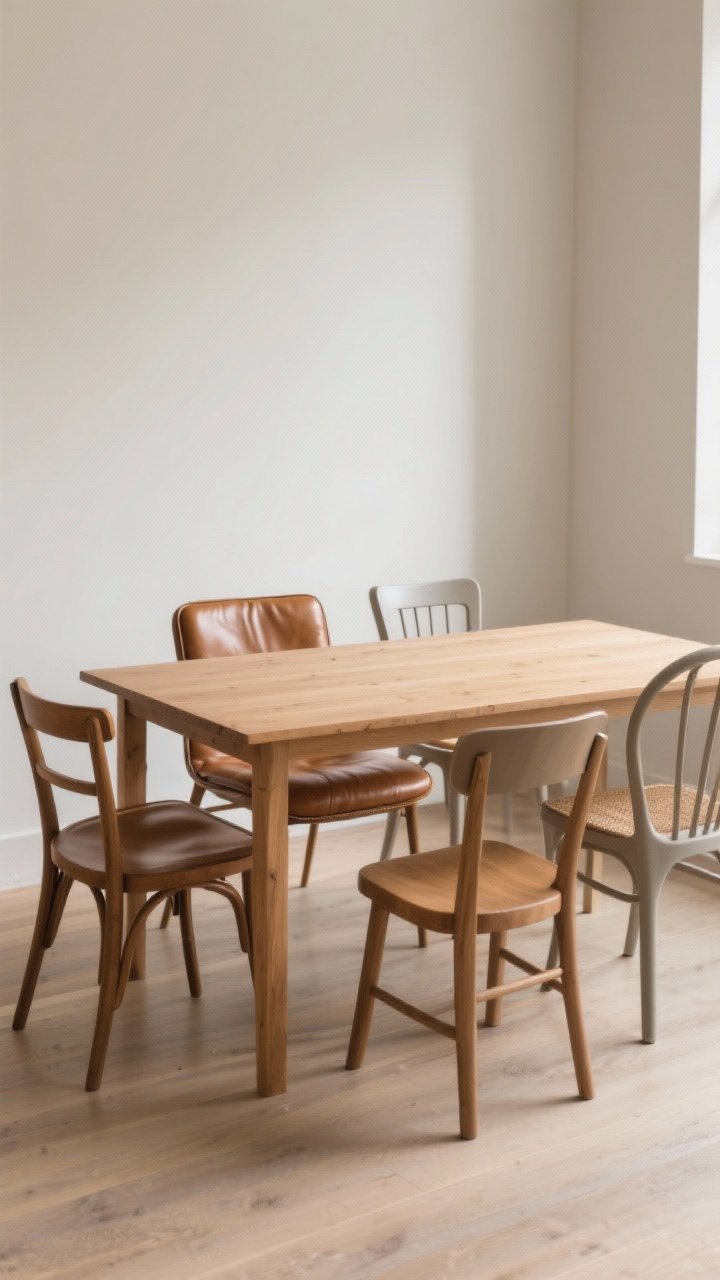
You don’t need a full set of Eames or Wegner chairs to nail the look. Mix shapes and materials—just keep seat height and scale consistent so it’s comfy.
Winning combos
- Windsor-style + molded plastic: Soft curves with a modern edge.
- Wishbone chairs + leather seats: Textured, timeless, and very photogenic.
- Two head chairs, four side chairs: A subtle way to layer styles.
Pick one detail to repeat (like wood tone or upholstery color) so the set reads intentional, not random.
4. Hang a Sculptural Pendant (The Room’s Jewelry)
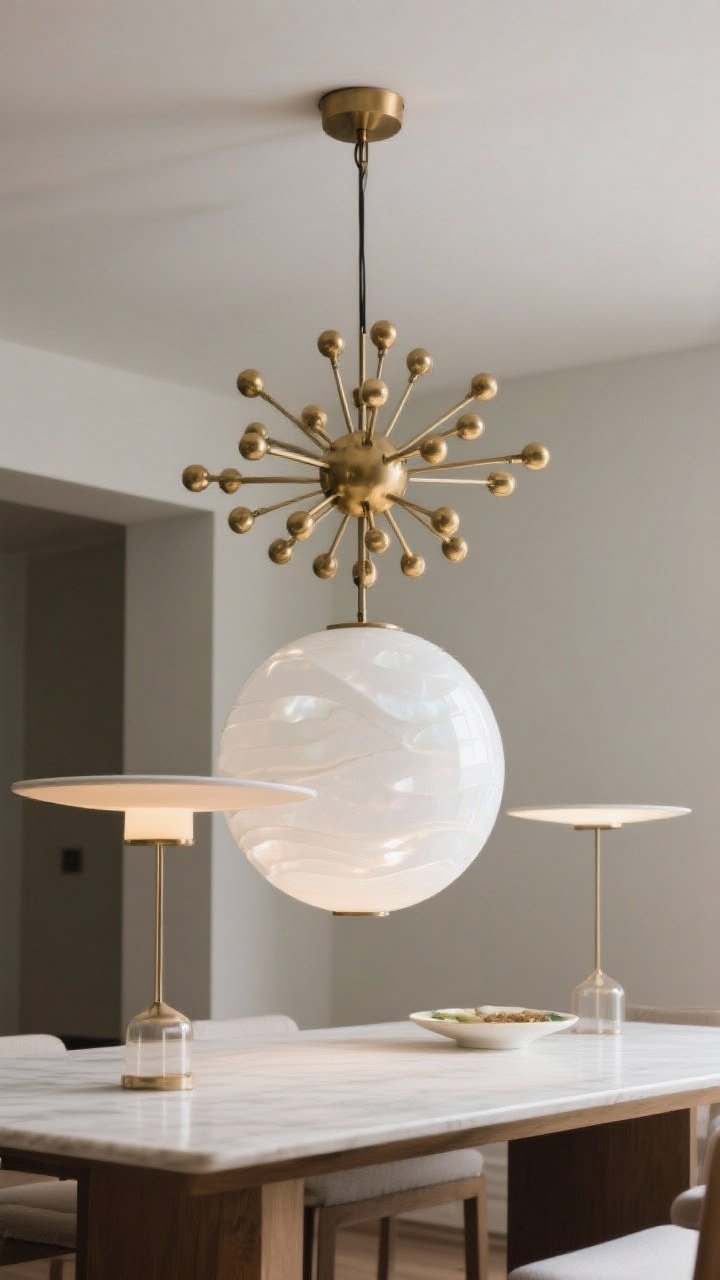
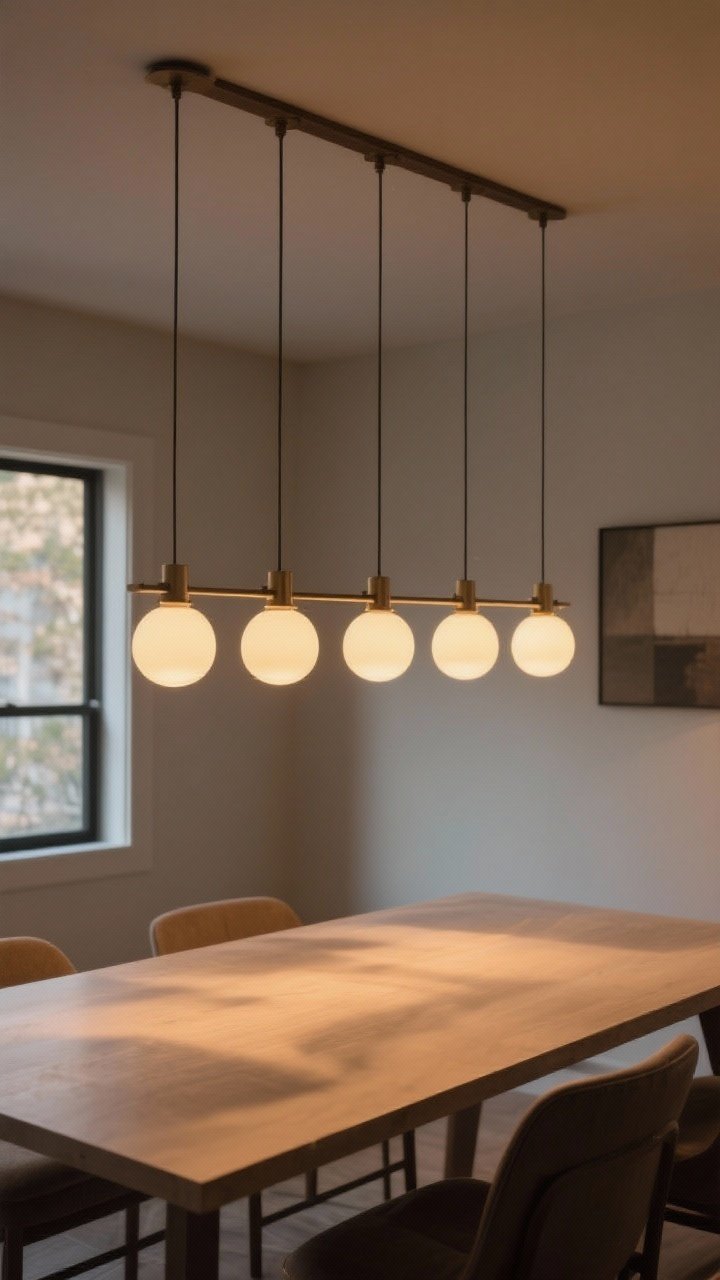
Lighting is the showstopper. A globe pendant, sputnik chandelier, or saucer lamp instantly telegraphs mid-century. Scale matters—too small feels sad; too big overwhelms.
- Size guide: Pendant diameter roughly equals table width divided by 2.5.
- Hang height: 30–36 inches above the table for comfy sight lines.
- Warm bulbs: 2700K–3000K keeps the mood cozy, not clinical.
Bonus: Dimmer switch. Instant ambiance. You’re welcome.
5. Add a Low, Long Credenza (Storage That Shows Off)
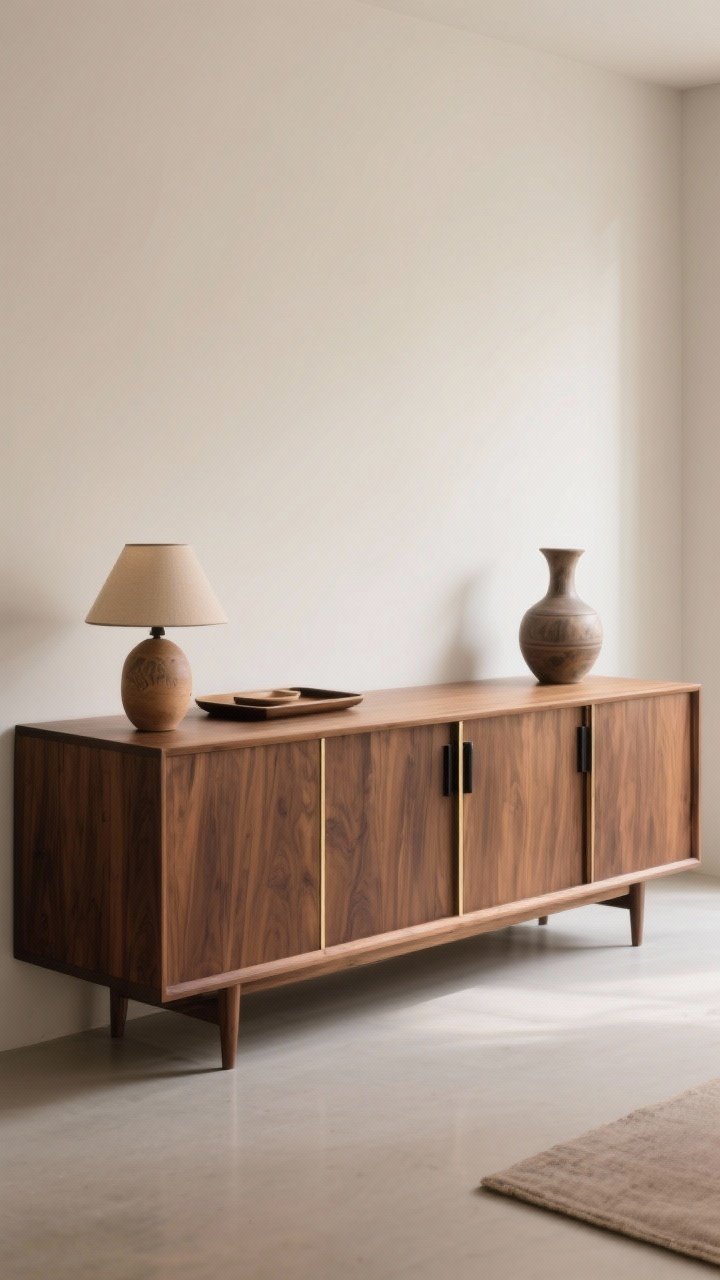
Every mid-century dining room deserves a low-profile credenza. It grounds the room, hides clutter, and doubles as a serving station when friends come over.
What to look for
- Sliding doors to save space and keep lines clean.
- Warm wood grain that ties in with your table or chairs.
- Brass or black hardware for a subtle vintage nod.
Style the top with a pottery lamp, a tray, and a sculptural vase. Minimal but intentional.
6. Keep the Palette Simple, Then Add One Bold Moment
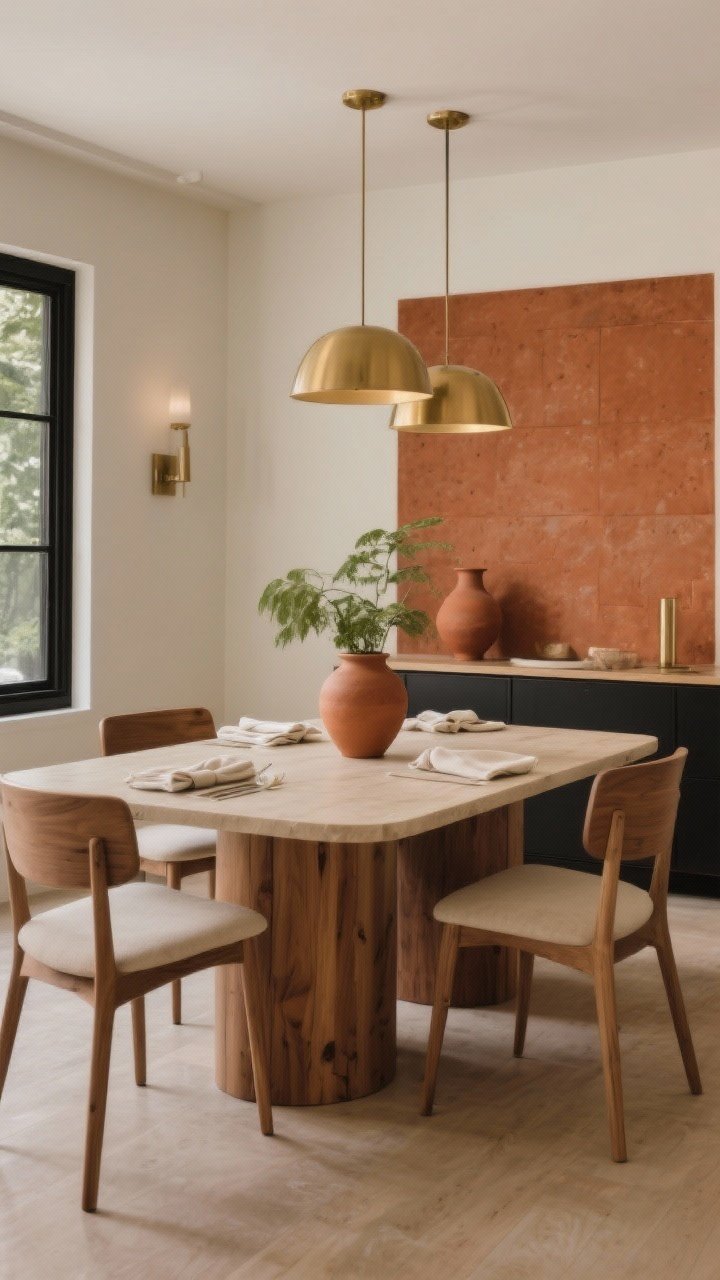
Mid-century color schemes love earthy neutrals—camel, cream, tobacco, moss—with one bold accent. Think a terracotta wall, a mustard cushion, or a deep teal rug.
- Pick 3 base colors: Two neutrals + one wood tone.
- Choose 1 accent: Repeat it 2–3 times (art, vase, napkins).
- Metal finishes: Stick to one or two (brass and black are besties).
The vibe should whisper “stylish,” not scream “look at me.” Subtle wins here.
7. Layer Organic Textures (Because Flat Rooms Are Boring)
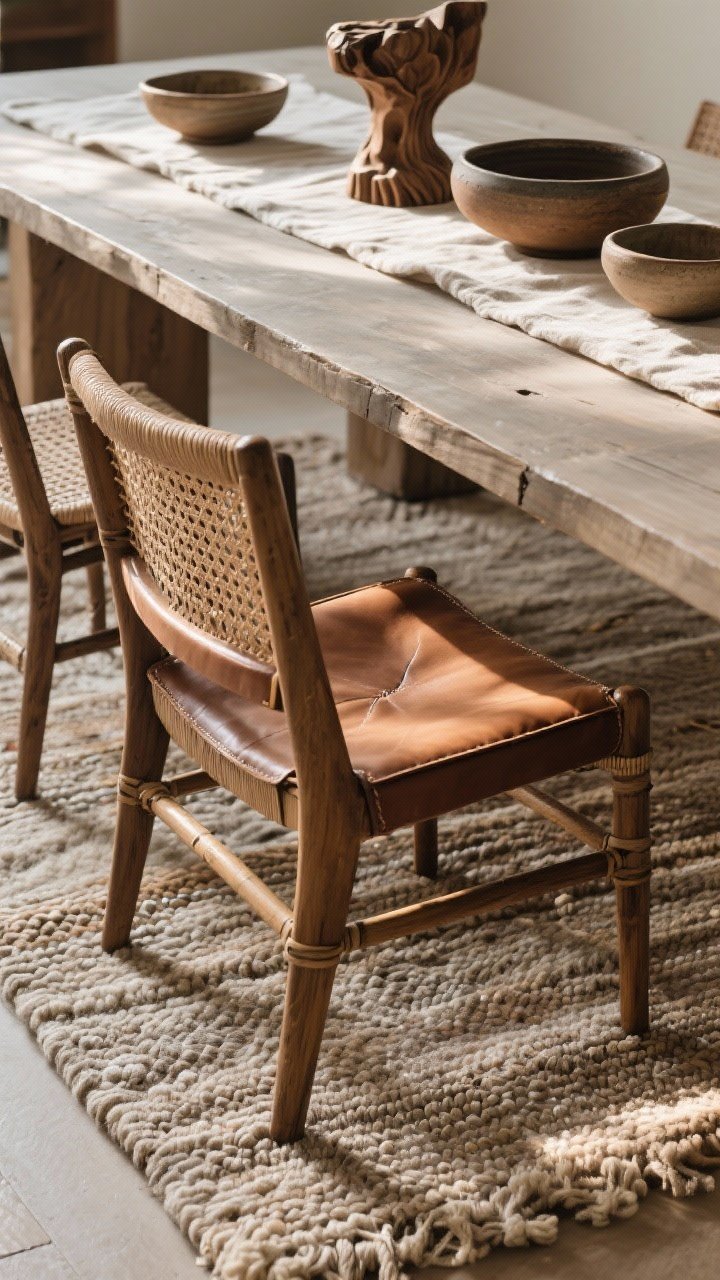
If everything’s smooth wood and metal, your dining room can feel cold. Layer in woven, wool, and leather textures to add depth and warmth.
Texture hits that always work
- Rug: Flatweave or low-pile wool keeps chairs sliding easily.
- Chairs: Cane backs or leather seats for tactile contrast.
- Accessories: Linen runner, ceramic bowls, and a carved wood centerpiece.
Mixing textures is like seasoning—add a little at a time until it tastes right.
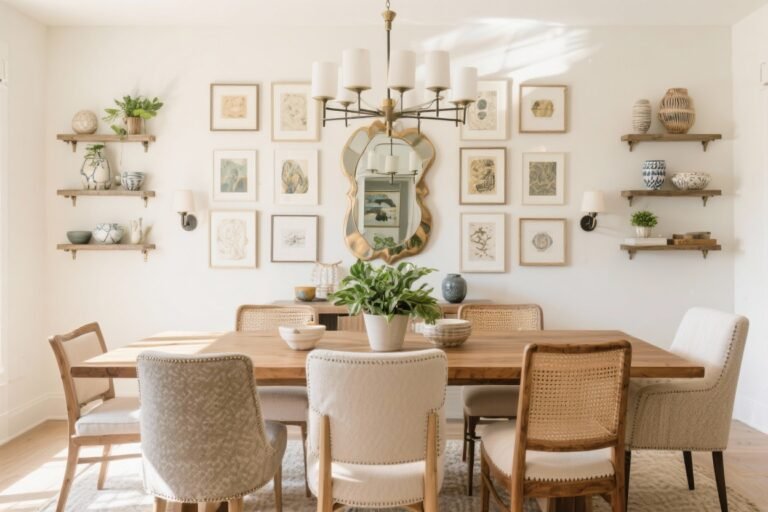
8. Choose Art That Leans Abstract (With Vintage Flair)
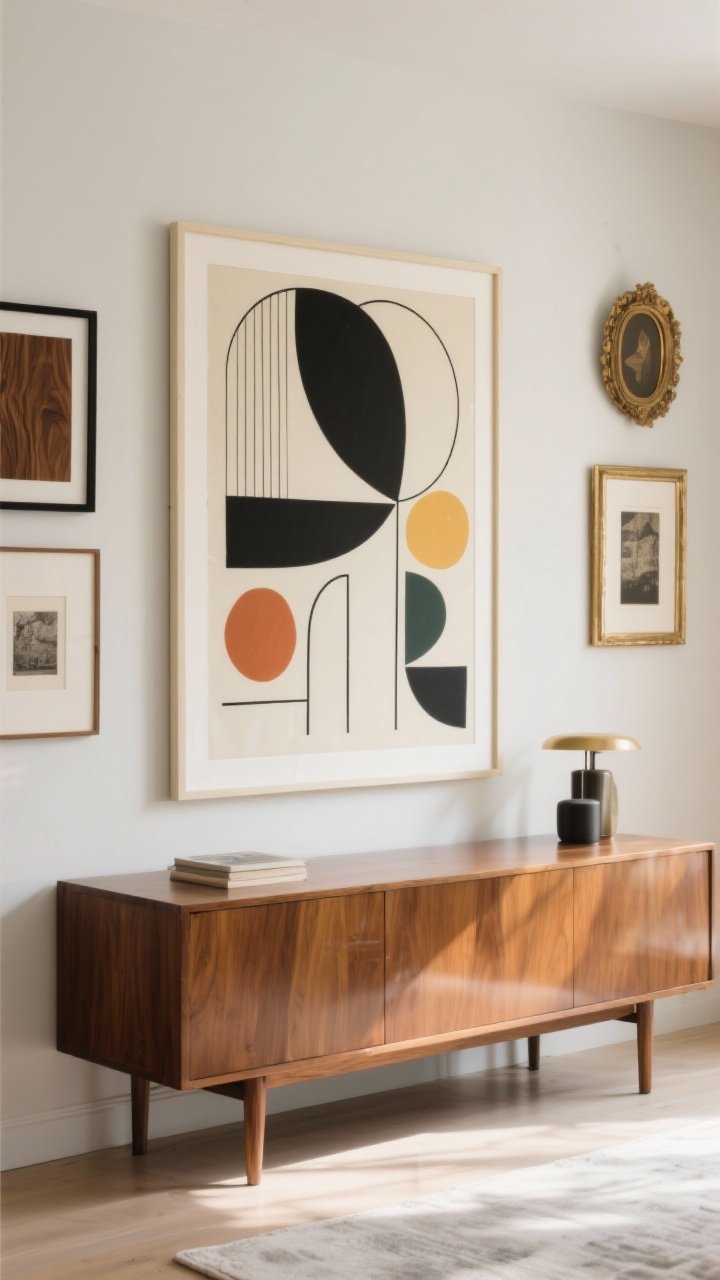
Mid-century art is all about bold shapes, clean lines, and abstract forms. Go for graphic prints, simple portraits, or geometric compositions.
- Large-scale piece over the credenza makes a strong focal point.
- Gallery wall with mixed frames: walnut, black, and brass.
- Vintage finds or reprints keep it budget-friendly and authentic.
Pro move: Float frames or mats in cream to let the art breathe. It elevates everything.
9. Bring In Curves To Balance All Those Lines
Mid-century loves geometry, but too many straight edges can feel stiff. Break it up with curves—a round mirror, arched lamp, or oval table.
Curvy accents that play nice
- Rounded table edges for softer flow and easy movement.
- Globe lights in white opal glass for that classic halo glow.
- Curved buffet lamps or a wavy bowl for sculptural interest.
It’s like eyeliner for your room—sharp lines plus soft curves equals balanced beauty.
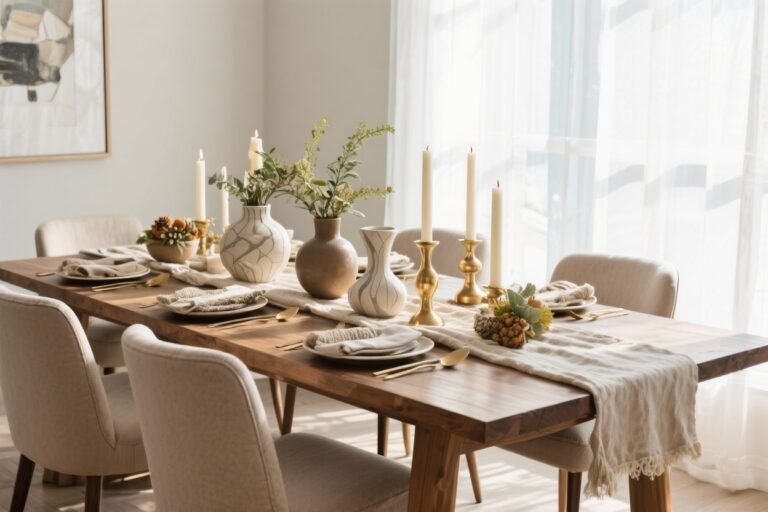
10. Style The Table (But Keep It Low-Key)
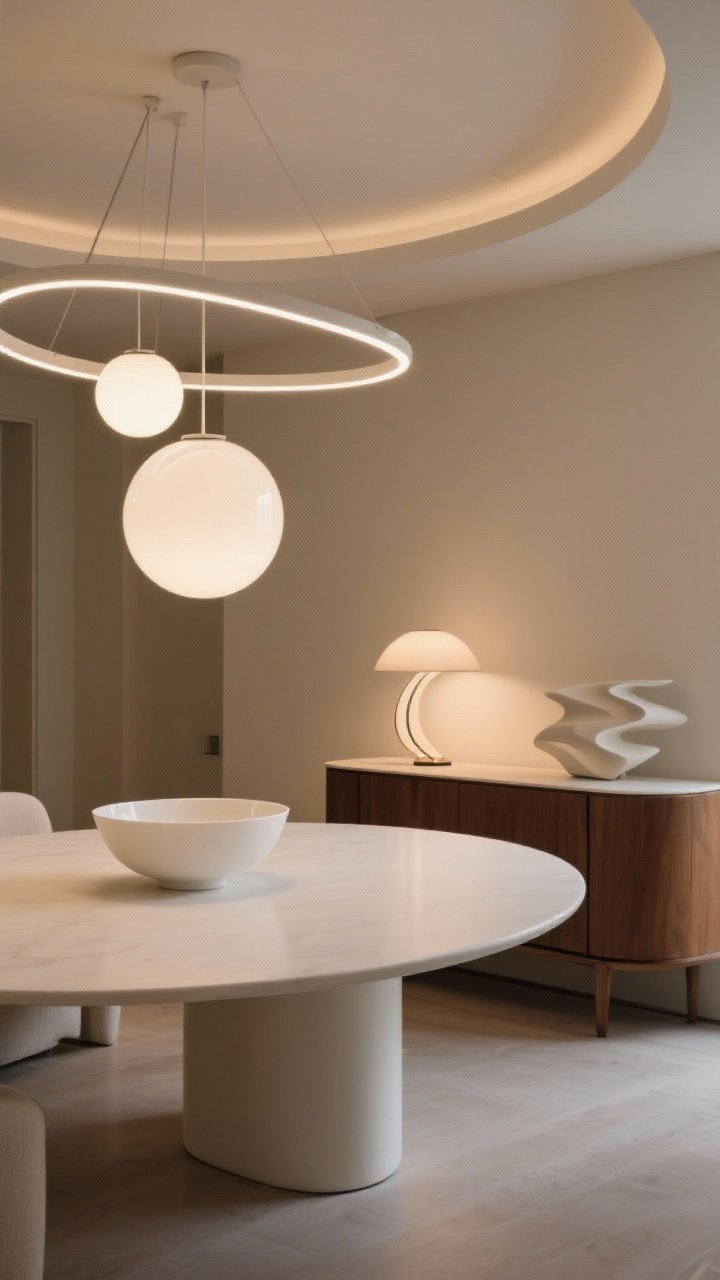
A cluttered table kills the vibe. Aim for one sculptural centerpiece and a few functional pieces you actually use.
- Centerpiece ideas: A low ceramic bowl, a trio of bud vases, or a simple branch in glass.
- Textiles: Swap a fussy runner for a tailored linen one. Or skip it entirely.
- Everyday setup: A tray with salt, pepper, and a small vase looks styled, not staged.
Keep centerpieces under 12 inches tall so nobody is peeking around them mid-sentence.
11. Add Plants With Sculptural Shapes
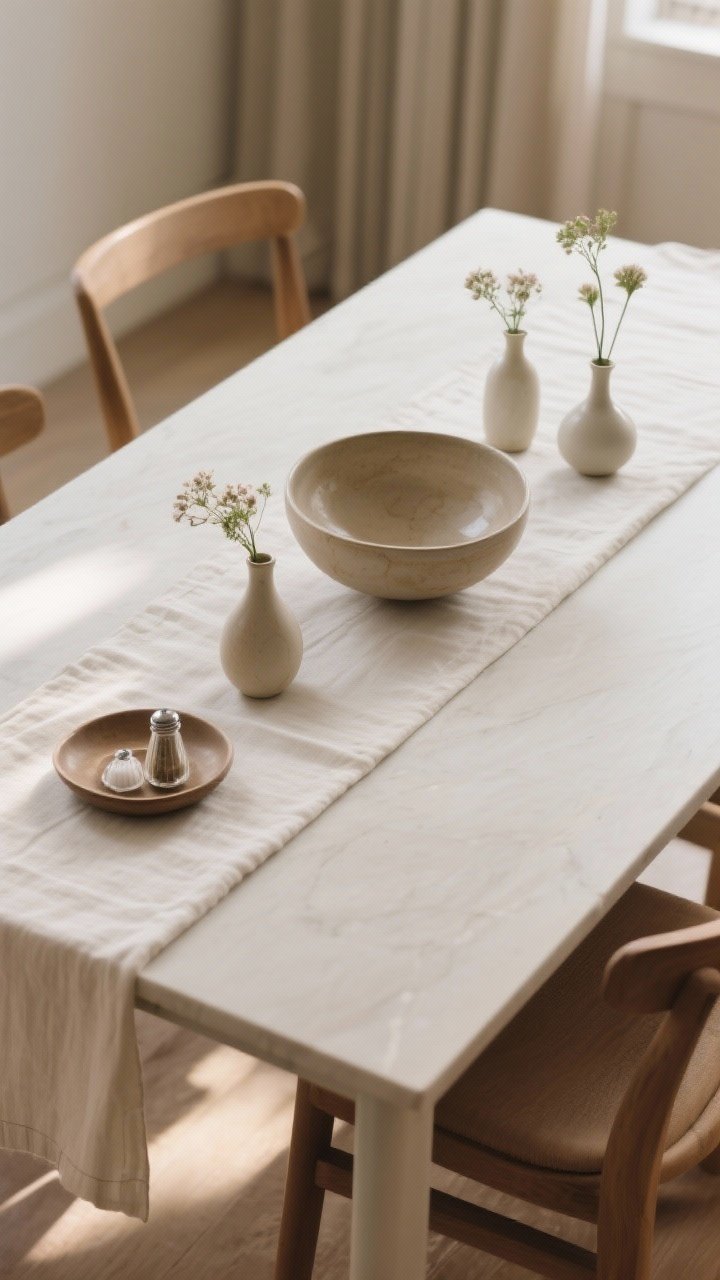
Plants soften the wood-heavy look and bring life. Choose architectural greenery that complements the clean lines.
Plant picks that thrive
- Rubber plant or fiddle leaf fig for height and drama.
- ZZ plant for low maintenance (because we’re realistic).
- Potted herbs on the credenza if your dining room gets good light.
Use mid-century planters—think cylinder pots on wood stands. It’s a small detail that makes a big difference.
12. Embrace Pattern The Mid-Century Way
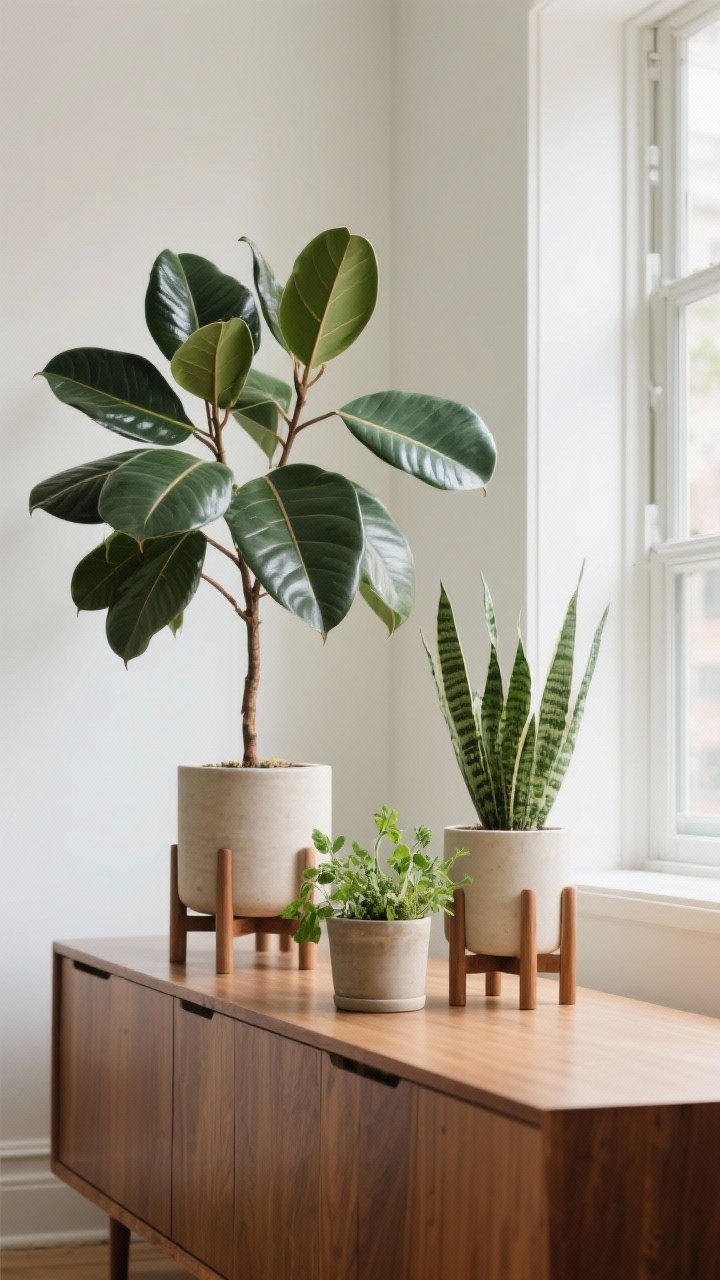
Pattern is your friend—just don’t let it steal the show. Think geometric motifs, subtle stripes, and retro-inspired prints in small doses.
- Rug with a quiet graphic in neutrals to ground the space.
- Upholstered seats in tweed, boucle, or a tiny houndstooth for texture.
- Curtains with a light, linear pattern if you want softness around windows.
Keep patterns within one family (geometric or organic), so they complement rather than compete.
13. Make Space For A Bar Moment (Even If It’s Tiny)
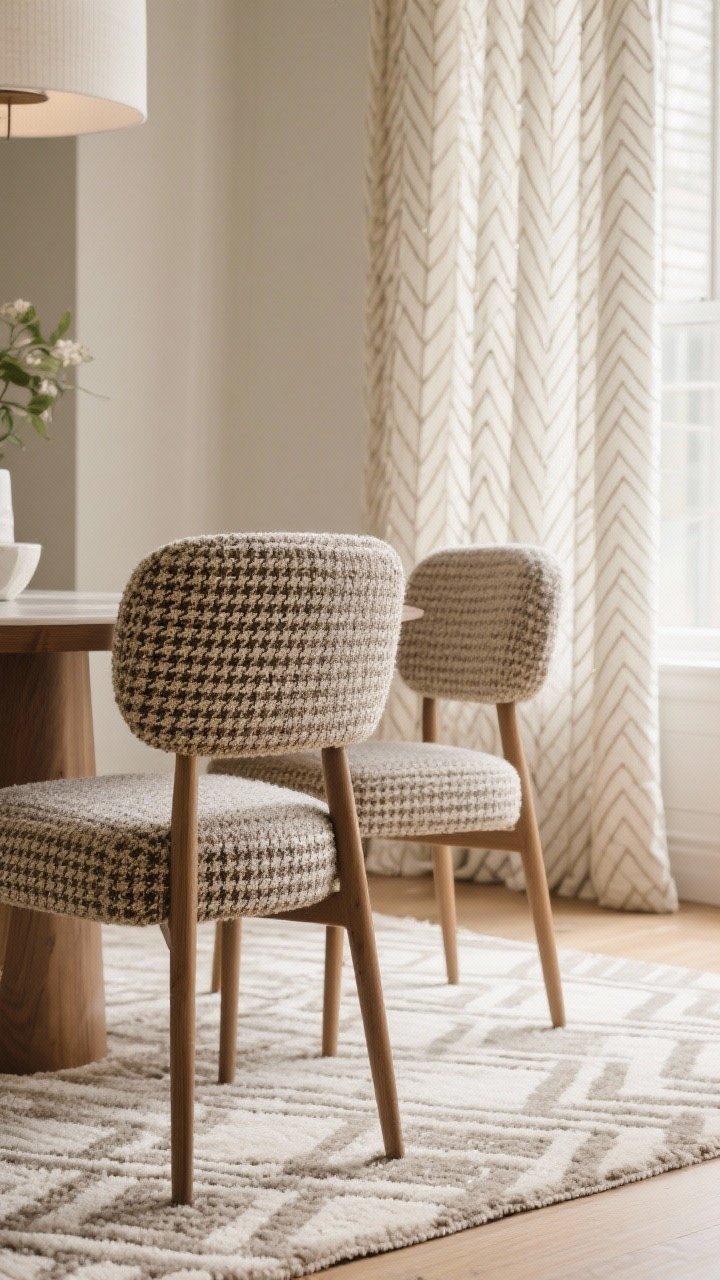
Mid-century and a stylish drink setup? Name a more iconic duo. A bar cart or a tray on the credenza keeps things chic and functional.
Set it up like a pro
- Essentials: Two favorite spirits, soda water, bitters, and a citrus bowl.
- Glassware: Keep it simple—lowballs and coupes cover most needs.
- Style: Add a small lamp, a framed mini print, and a wooden muddler for texture.
No bar cart? A dedicated shelf or a closed credenza cabinet works just as well—less dusting, too.
14. Finish With The Little Things That Matter
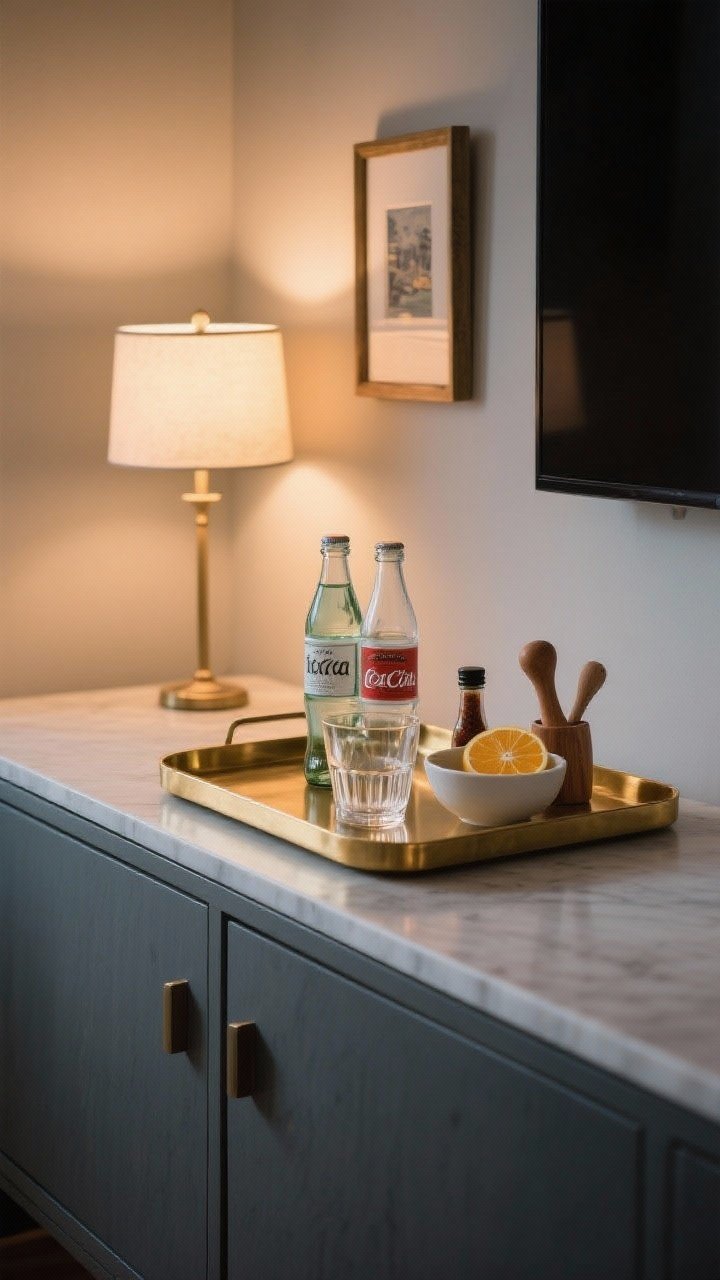
Final touches make your room feel finished and lived-in—not staged. Layer cozy lighting, thoughtful textiles, and tactile accessories.
- Ambient lighting: A dimmable table lamp on the credenza adds evening glow.
- Chair comfort: Add slim seat pads or a sheepskin on the bench in winter.
- Personal artifacts: A vintage bowl from your travels, a family photo in black-and-white, a handmade candleholder.
IMO, these micro-layered details are what make the space feel like you, not just “mid-century inspired.”
Quick Layout Tips For Flow
- Leave 36 inches between the table edge and walls or furniture so chairs slide out easily.
- Rug sizing: Add at least 24 inches beyond the table on all sides so chairs stay on the rug.
- Ceiling height check: Lower pendant for standard ceilings; raise slightly if you’ve got tall ones.
Affordable Ways To Get The Look
- Thrift smart: Hunt for real-wood credenzas and re-lacquer if needed.
- Swap hardware: New brass knobs make budget furniture look elevated.
- Focus on lighting: A sculptural pendant can transform the whole room for less.
- Print your art: Buy digital downloads and frame them with simple mats.
Common Mistakes To Avoid
- Going all replica everything: Mix new with vintage to dodge the showroom feel.
- Too much wood, no texture: Add wool, linen, leather, and plants for balance.
- Oversized centerpieces: Keep sight lines open for conversation.
- Ignoring lighting temperature: Warm bulbs make or break the mood, FYI.
Mid-century modern isn’t about perfection—it’s about ease, warmth, and beautifully simple shapes that work hard and look good doing it. Pick a few ideas from this list, layer slowly, and let your dining room evolve. Soon you’ll have a space that feels collected, timeless, and 100% you. Dinner at your place?