14 Best Plants That Attract Butterflies You’Ll Love
Butterflies are the glittering guests every garden deserves. This list serves up practical, eye-catching ideas that bring color, motion, and life to your outdoor space.
Ready to invite fluttering friends to your yard?
1. Milkweed Majesty
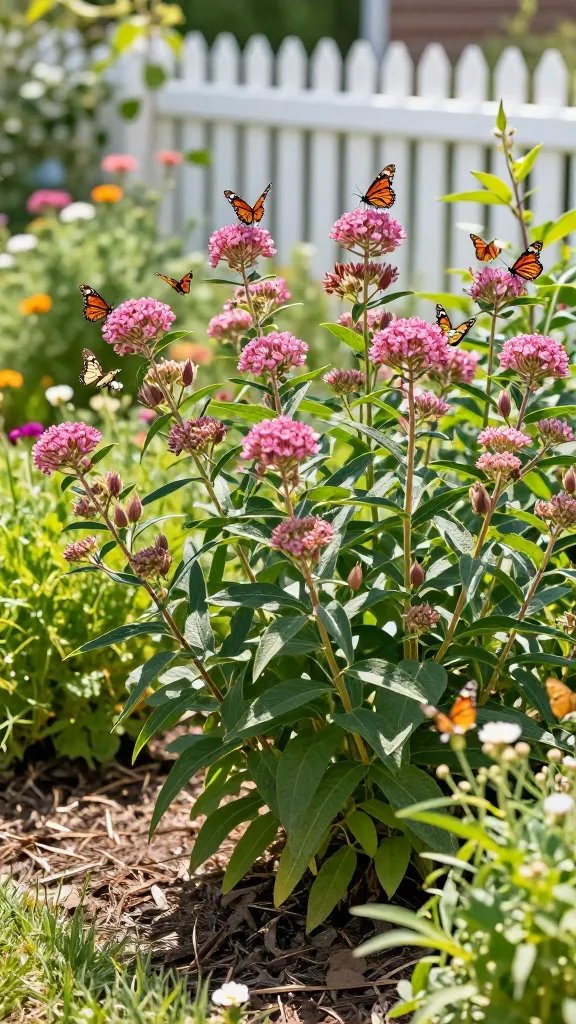
Milkweed is the monarch magnet, but it also draws a spectrum of butterflies that love its nectar and tender foliage. Plant a cluster in full sun for the best bloom show, with tall, airy stems that sway like confetti in the breeze. Expect flowers from late spring through late summer and a sturdy, low-maintenance presence in your beds.
Why It Works – It provides both nectar and host habitat, supporting butterflies at multiple life stages. Best For – Pollinator borders that need a focal plant with a wild garden vibe.
2. Budding Buddleia Bounty
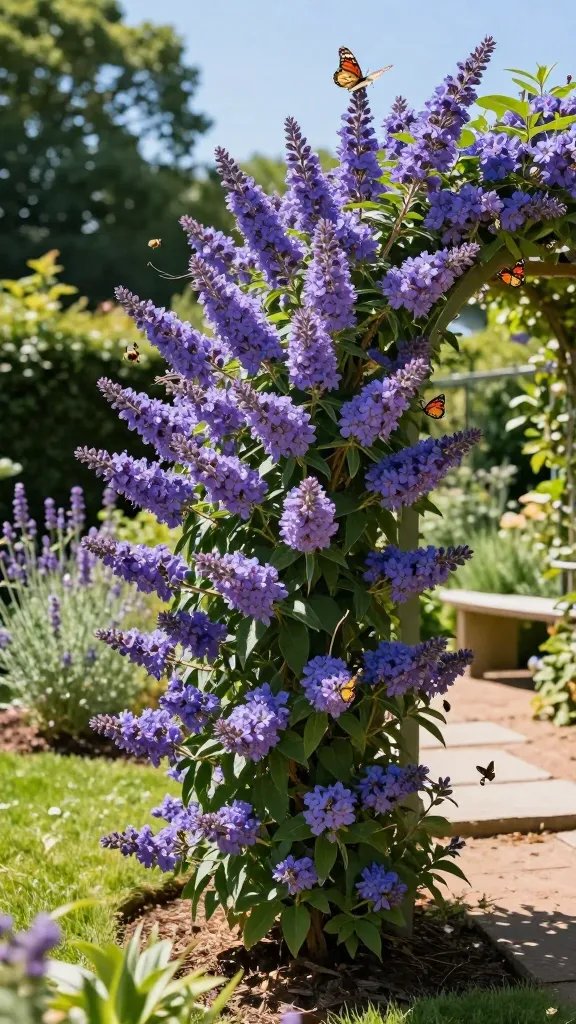
Buddleia, or butterfly bush, is a stately perennial with long, arching rows of fragrant spikes that buzz with activity. Choose compact cultivars for small spaces, or go big with a classic arching form. Blooms bloom in midsummer, offering nonstop nectar for weeks.
Care Notes – Trim after flowering to encourage a second wave of blooms. Best For – A sunny border or a dedicated nectar corner that doubles as a scent garden.
3. Butterfly-Friendly Wildflowers Patch
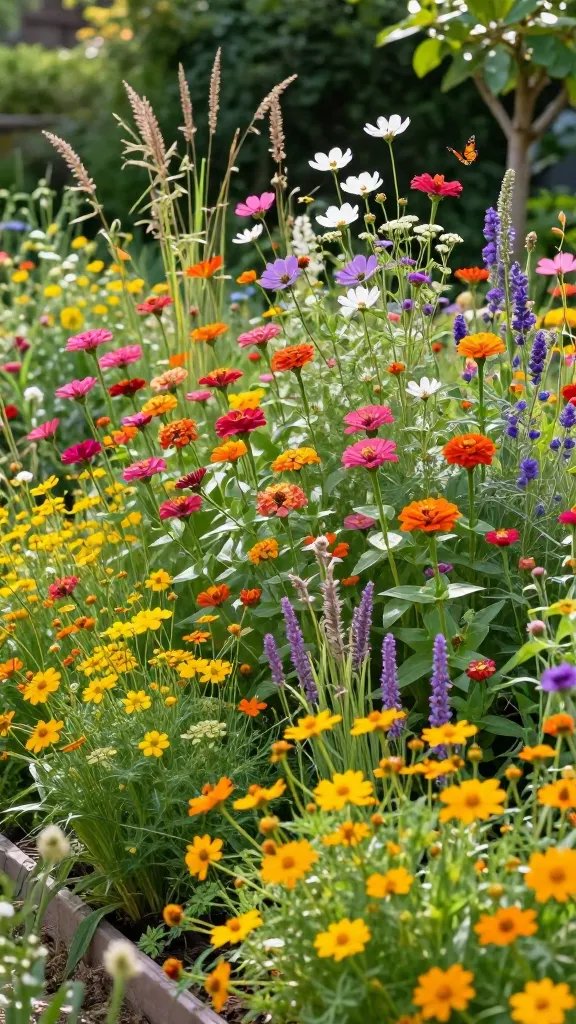
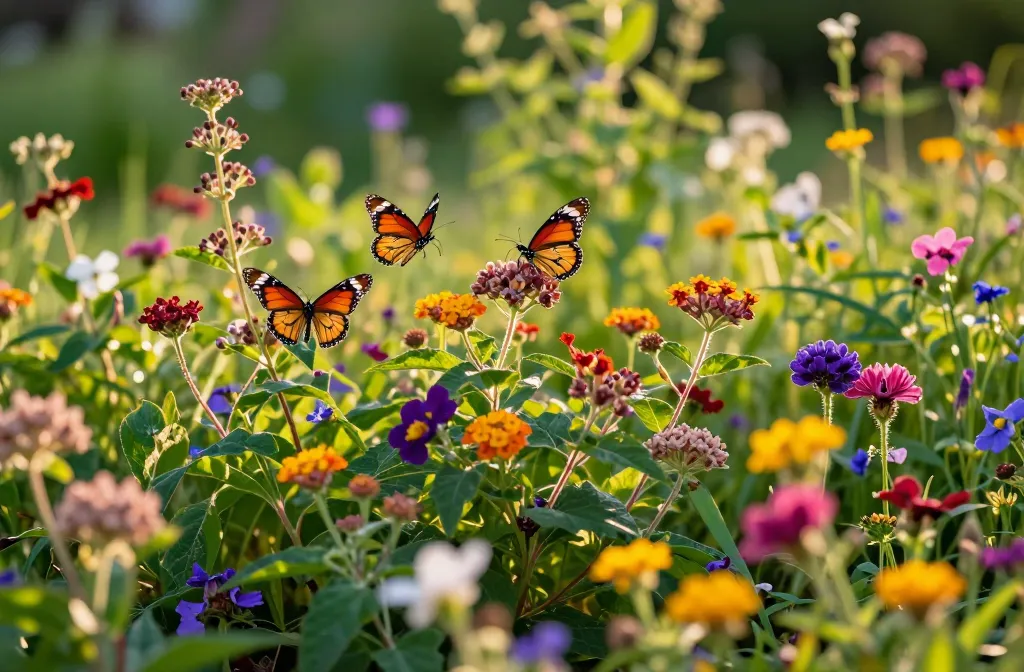
Create a stitched-together meadow bed with annuals and perennials that bloom at different times. Core picks include zinnias, cosmos, lantana, yarrow, and coreopsis. Mix colors, heights, and textures for movement that butterflies adore.
Design Tips – Leave some seed heads for late-season interest and gentle wildlife cover. Who it’s perfect for – Growers who want a low-fuss, vibrant centerpiece that changes with the seasons.
4. Lavender and Sage Hedge
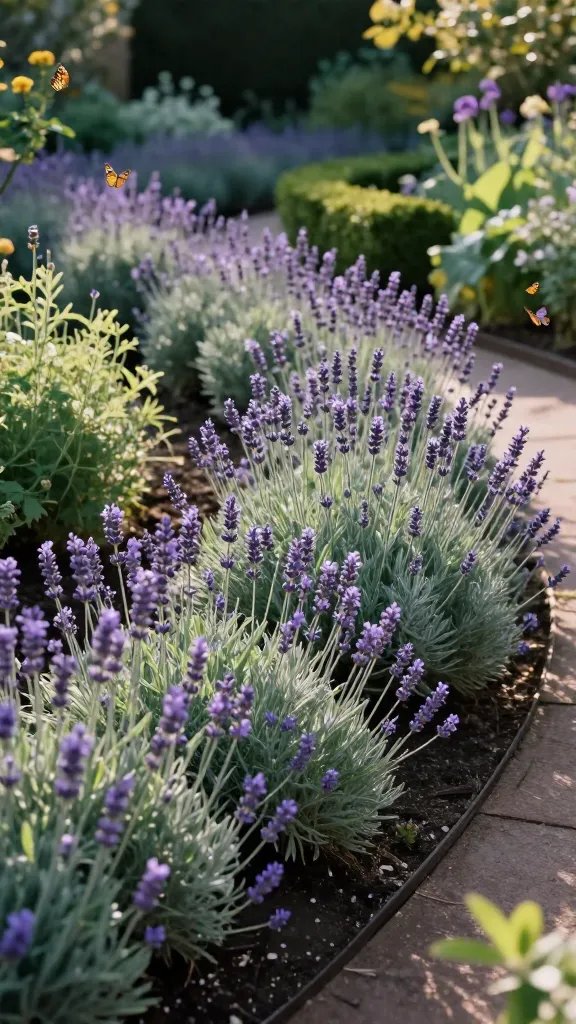
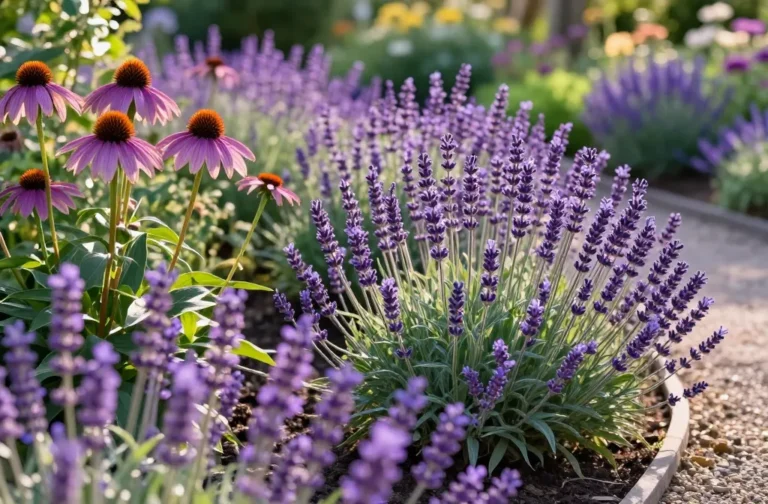
Soft gray foliage, silvery tones, and that irresistible fragrance create a magnet for butterflies and people alike. Plant lavender and salvia in a sunlit border to form a fragrant edge that doubles as a pollinator corridor.
Best For – Fragrant, drought-tolerant borders with elegant poise. Care Notes – Prune after bloom to promote a tidy, compact habit. End with: a serene, swooshy border that invites a daily flutter-by.
5. Nectar-Rich Perennial Border in Colorburst
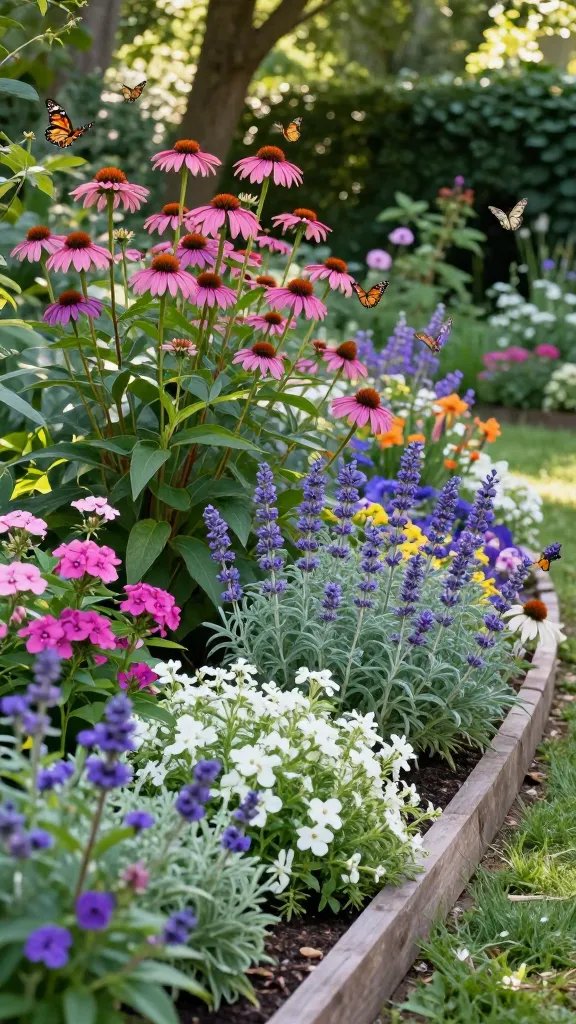
Design a long, winding border that blends nectar-rich perennials—such as echinacea, phlox, and nepeta—with trusty host plants. Layer heights and repeat color accents to keep the eye traveling and the butterflies busy.
Why It Works – Continuous bloom ensures butterflies move through your space rather than just visiting once. Best For – Gardeners who crave a cohesive, multi-season nectar buffet.
6. Container Paradise for Patios
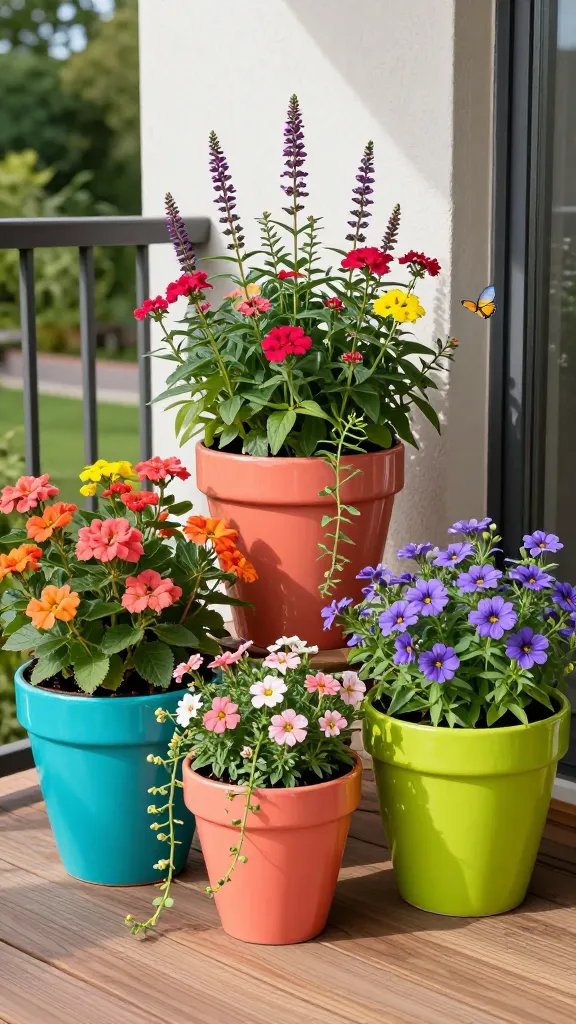
Turn small spaces into butterfly hotspots with resilient container combos: lantana, agastache, verbena, and sweet alyssum spillers. Mix trailing and upright plants so you get floating color from every angle.
Design Tips – Use bright pots and groupings of three or five for visual impact. Who it’s perfect for – Balcony or deck lovers who want morning-to-evening nectar without a full yard.
7. The Sunny Orchard Edge
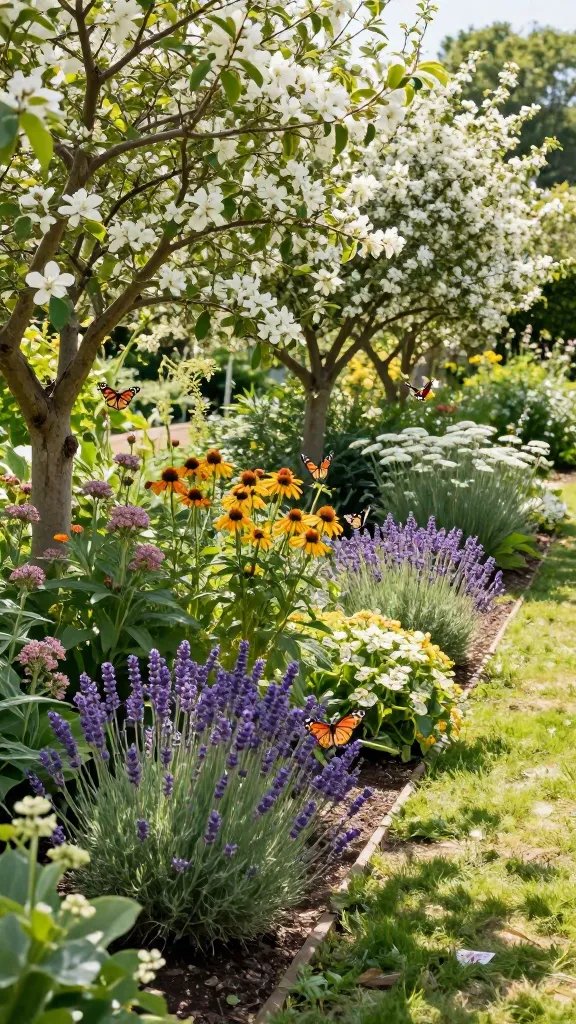
Plant a sunny, open-edged border with fruit-tree companion plantings and nectar-rich perennials. Butterflies adore the scent and nectar of flowering fruit trees and their companions, especially in early to mid-summer.
Care Notes – Ensure good air circulation and avoid dense overgrowth that blocks sun. End with: a cheerful orchard vibe that doubles as a micro-wildlife corridor.
8. Groundcover Glow: Sedum and Friends
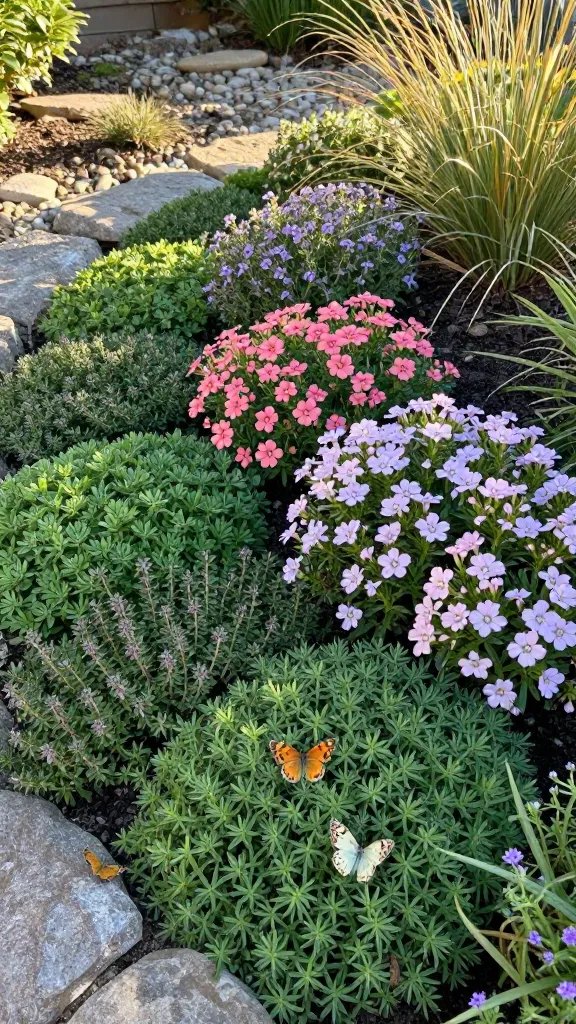
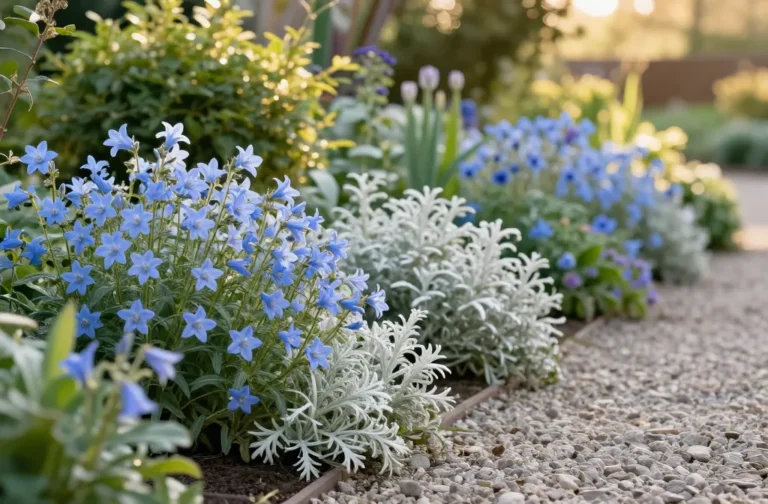
Low-growing groundcovers like sedum, creeping thyme, and candytuft keep the soil lively and offer ground-level nectar and shelter. Butterflies love landing on these cushiony mats when the day warms up.
Best For – Slopes, banks, and dry spots where you want steady color without high maintenance. Care Notes – Light irrigation during dry spells keeps bloom strong without overwatering.
9. Water-Wide: A Tiny Reflective Pond
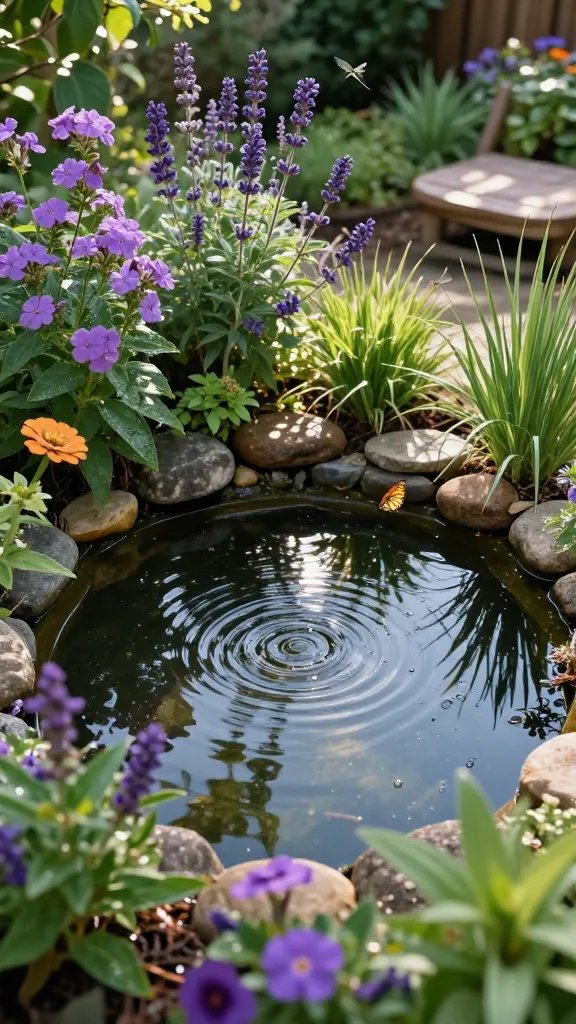
A shallow pond or birdbath creates a reflective, shimmering hub for butterflies and dragonflies alike. Surround the water feature with moisture-loving nectar plants so visitors have a reason to linger.
Why It Works – Butterflies sip moisture from the damp edges and nectaries nearby, so hydrating plants near water boosts visits. Best For – Small yards where a water feature becomes the centerpiece.
10. Moonlit Night-Blooming Flowers
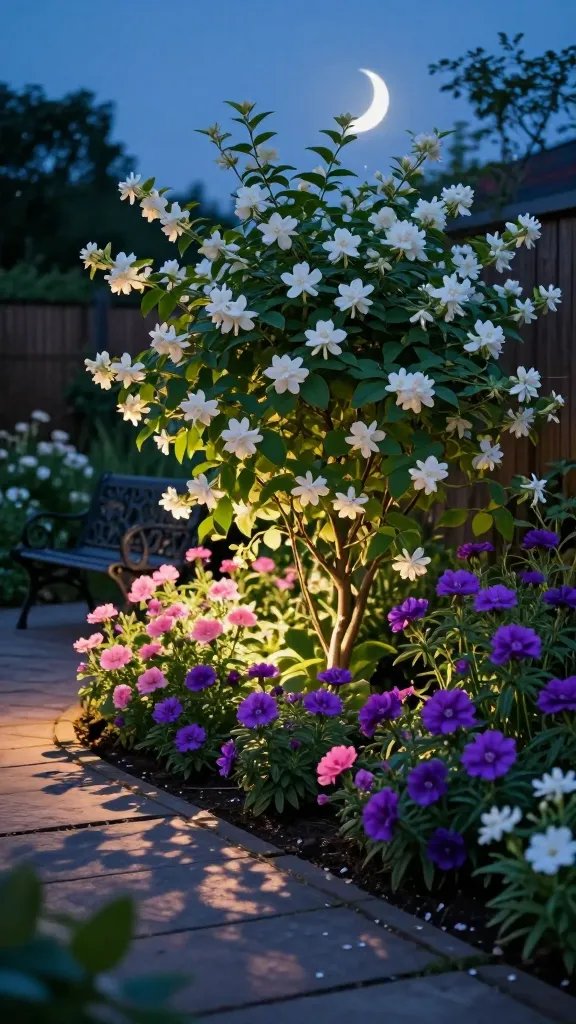
Some butterflies adore blooms that perform after dusk, especially in warm climates. Plant night-blooming jasmine, portulaca, and certain ornamental tobacco varieties to extend nectar into the cooler hours.
Care Tips – Choose varieties suited to your climate and pair with a gentle evening breeze-friendly layout. Who it’s perfect for – Gardeners who enjoy twilight strolls and late-blooming color.
11. Native Habitat Corner
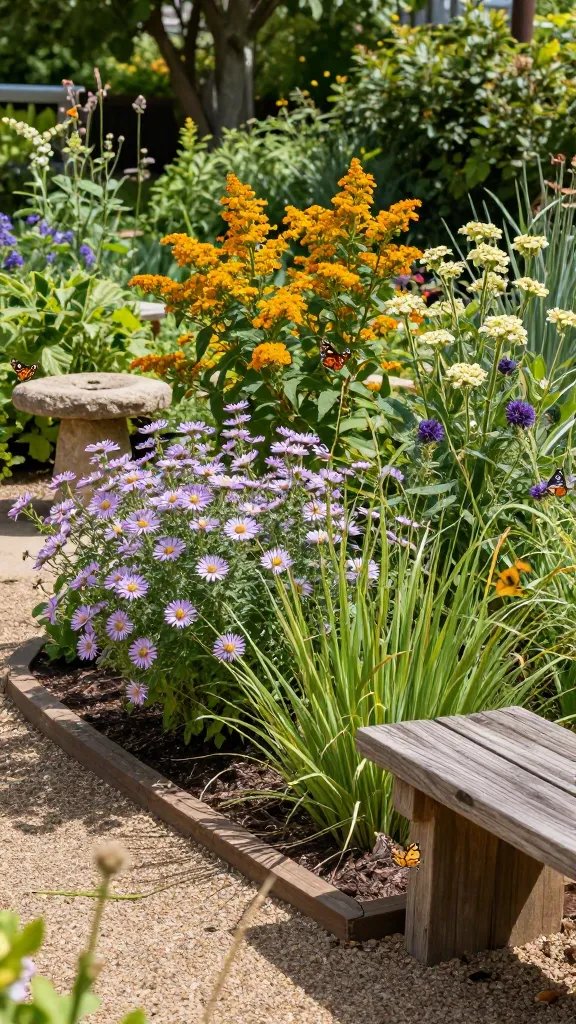
Celebrate regional flora with a dedicated native-pollinator corner. Native asters, milkweeds, and goldenrods attract local butterfly species while supporting local ecosystems. Keep it natural and let the natives do the heavy lifting.
Why It Works – Fewer pests, easier maintenance, and butterflies that know these plants like old friends. Best For – A purposeful, sustainable garden that grows with the neighborhood.
12. Vertical Nectar Lattice
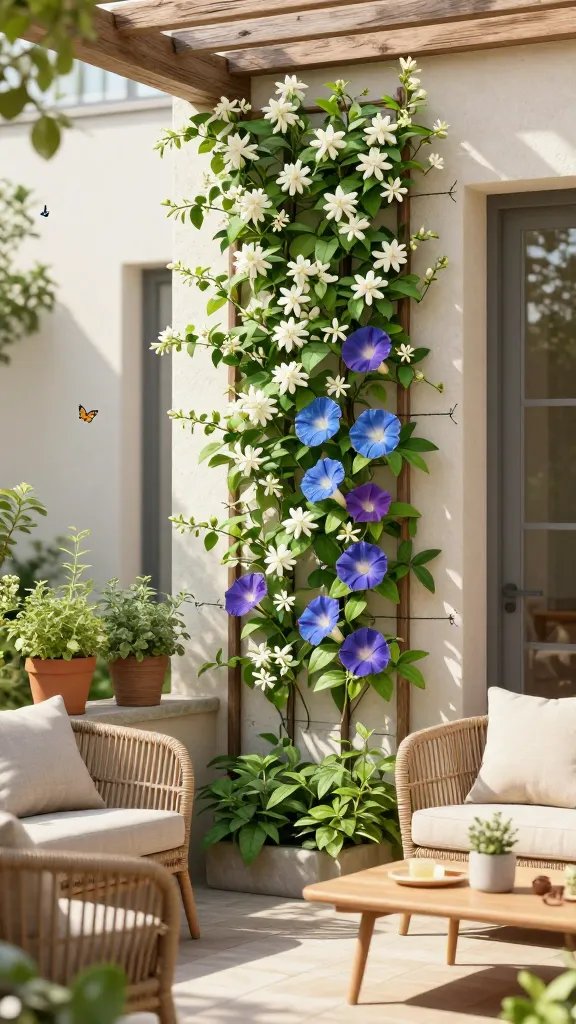
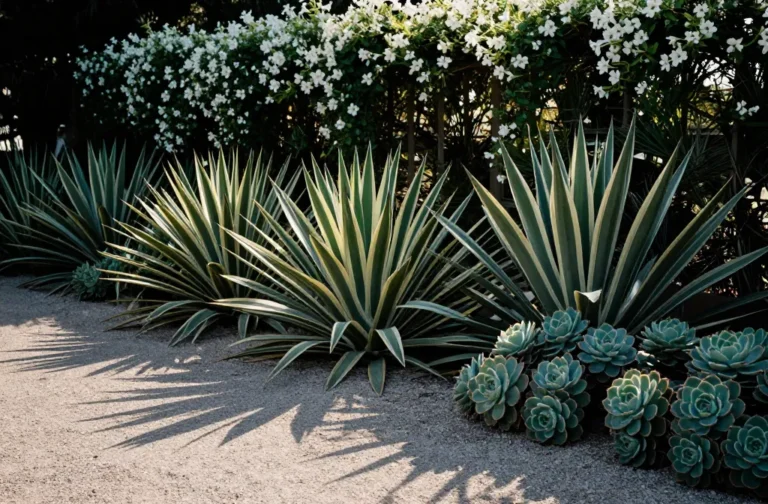
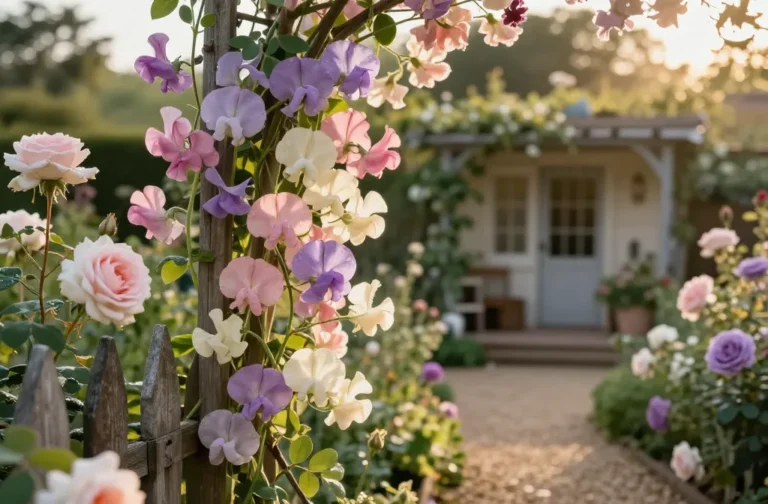
Install a trellis or living wall planted with nectar-rich climbers like jasmine, morning glory, and clematis. Elevating the nectar sources brings butterflies into eye line and creates a dynamic vertical focal point.
Design Tips – Train vines to weave through decorative panels or wire edging to keep maintenance accessible. Who it’s perfect for – Small yards and sun-drenched patios where vertical interest is key.
13. Garden Edible Pairing with Pollinator Edges
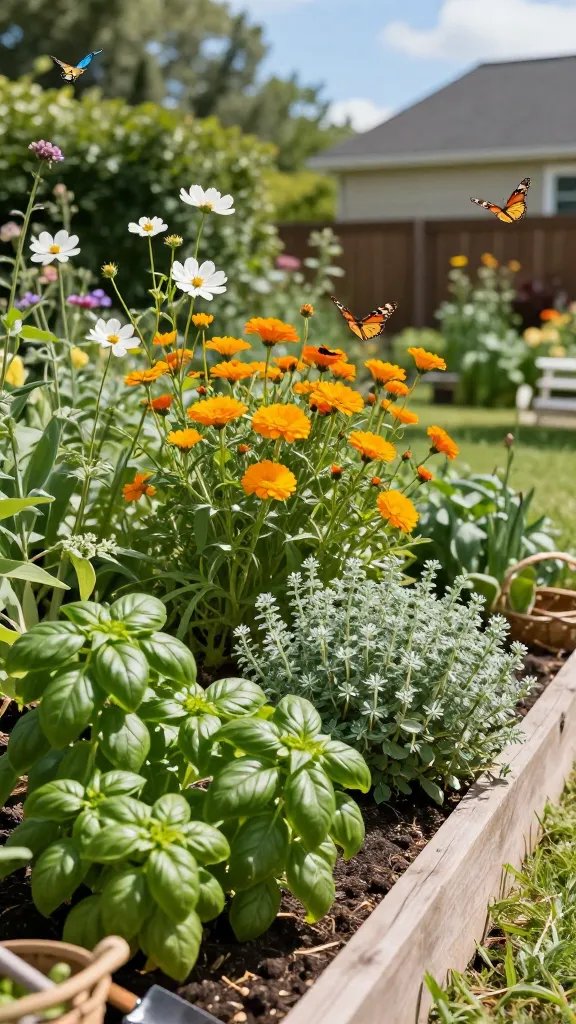
Integrate edible crops with butterfly-friendly companions: basil, thyme, and dill layered with calendula and cosmos. The scent and nectar keep butterflies visiting while you harvest herbs and blooms alike.
Care Notes – Keep herbs trimmed to encourage bushier growth and continuous flowering. Best For – Foodie gardeners who want edible harvests and pollinator beauty in one bed.
14. Hardscaped Dappled Shade Oasis
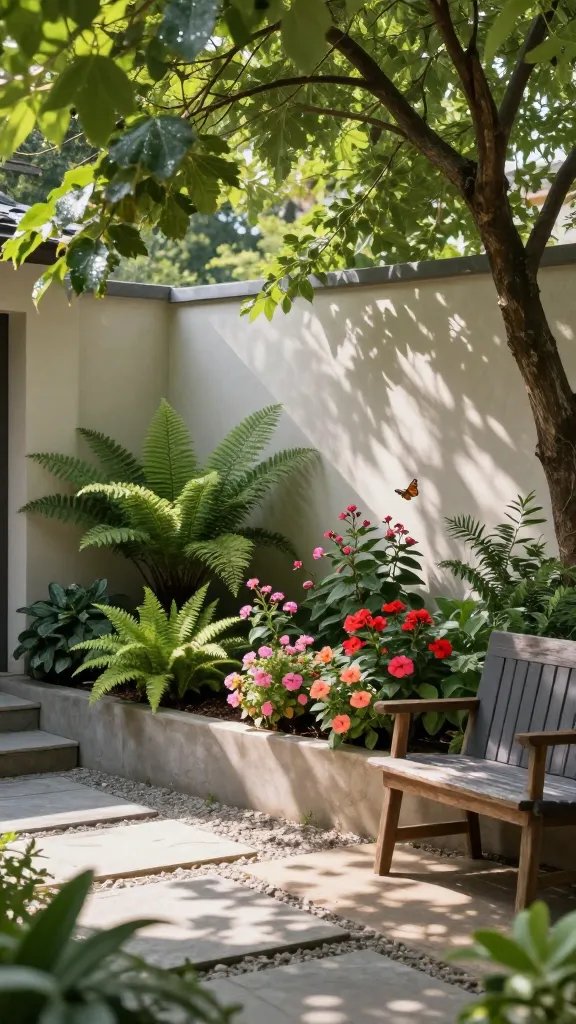
Shade-loving butterfly plants exist, including ferns with nectar-rich blooms and impatiens in bright colors. Create dappled shade beds under trees or along a north-facing wall to welcome different butterfly species that prefer cooler microclimates.
Why It Works – Extends butterfly-friendly spaces beyond hot, sunny days. Best For – Courtyards and shaded corners that still want seasonal color and life.
Conclusion
Butterflies love a garden that offers a little variety: sun, shade, nectar, and shelter. Each idea above brings its own mood and benefit, so mix and match to suit your space and climate. Try one or two new plantings this season and watch the air fill with color and motion.