12 Low Growing Perennials: Tiny Yet Terrific Borders
These reliable beauties stay compact, color-rich, and easy to care for. They’re perfect for edging, borders, or filling in between taller plants without stealing the show.
From sunny spots to shaded nooks, this list keeps things simple and stylish. Ready to sprinkle in some dependable color year after year? Let’s go.
1. Moonlit Campanula: Short, Sky-Blue Bell-Covered Groundcover
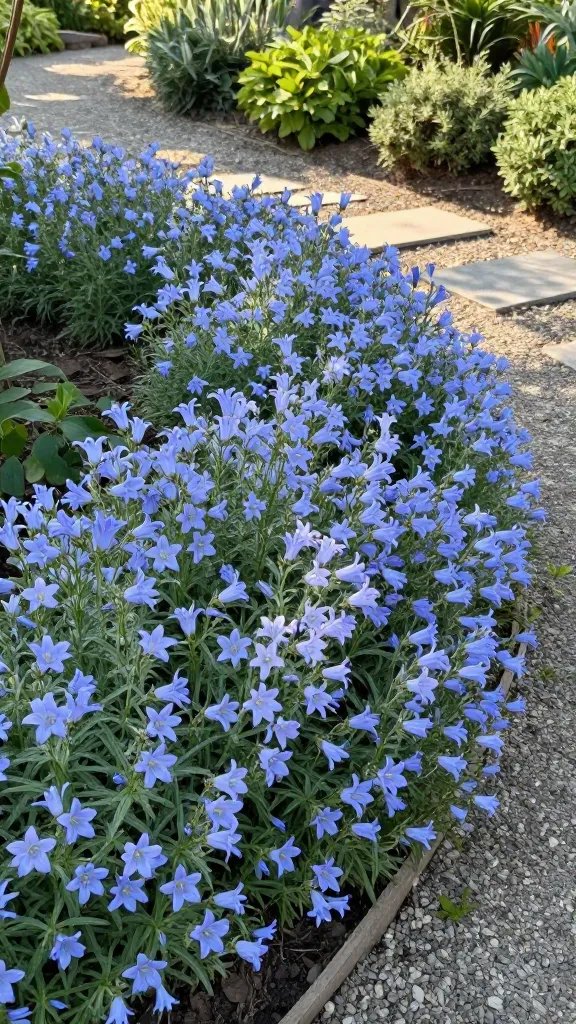
Moonlit Campanula stays under a foot tall and spreads gracefully, creating a soft blue carpet that whispers spring into summer. It forms neat clumps with delicate, bell-shaped blooms that rise just above a misty-green foliage.
Why It Works: It’s a low-maintenance binder that fills gaps between stepping stones and under shrubs without crowding.
Best For: Edges of sunny borders, rock gardens, and trailing over drought-tolerant ground.
Care Notes: Moderate watering until established, then drought-tolerant once rooted. Trim lightly after flowering to encourage a neat, compact habit.
2. Coral Bells (Heuchera) ‘Winter Ember’: Evergreen Color Pop in Micro Borders
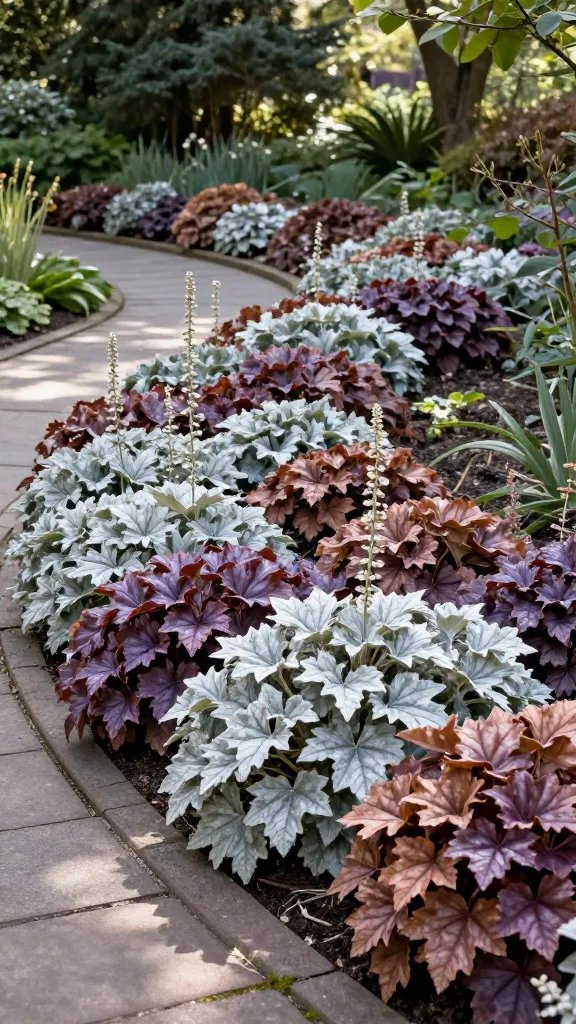
Coral Bells provide year-round color with foliage that sparkles in silver, plum, and copper tones. Their tiny flowers shoot up on slender stalks in late spring, adding vertical interest without height.
Design Take: Plant in blocks along walkways or a memory-foam border to catch dappled light.
Best For: Shaded beds or north-facing borders where color comes from leaves, not flowers.
Care Notes: Remove spent blooms to keep tidy, water regularly in first season, then standard garden routine.
3. Creeping Phlox: Low Groundcover with a Splash of Spring Color
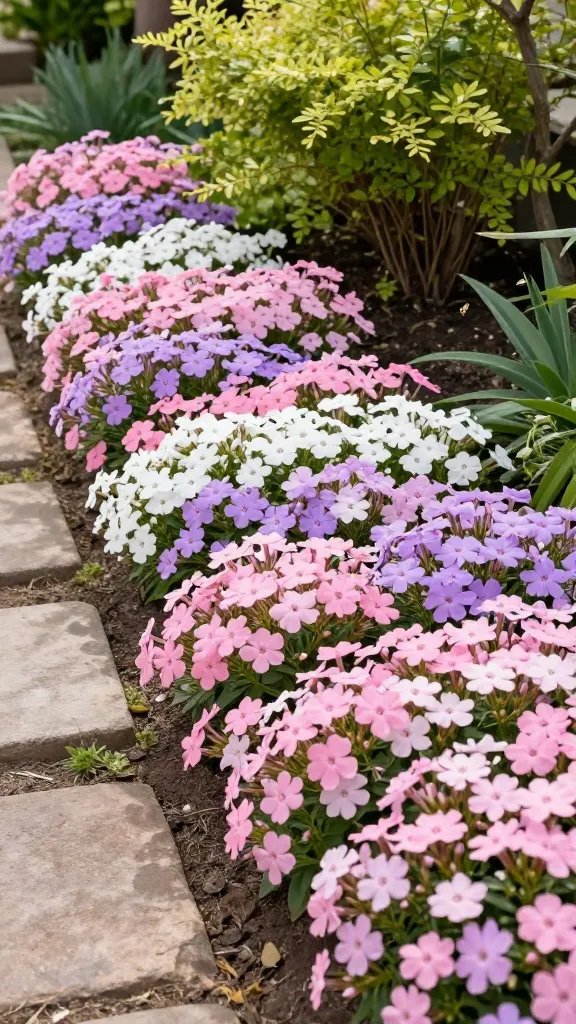
Phlox creeps just over an inch tall, forming a velvety carpet that bursts into bloom in spring with starry blossoms in pinks, purples, or whites. It creates a lush, continuous color that’s especially striking along pathways.
Why It Works: It’s tough, fast-spreading, and welcomes pollinators early in the season.
Best For: Front borders, under trees, or between stepping stones.
Care Notes: Requires good drainage and light pruning after the main bloom period to maintain mounded shape.
4. Sedum ‘Blue Emerald’: Silver-Skin Groundcover for Dunny-Sunny Edges
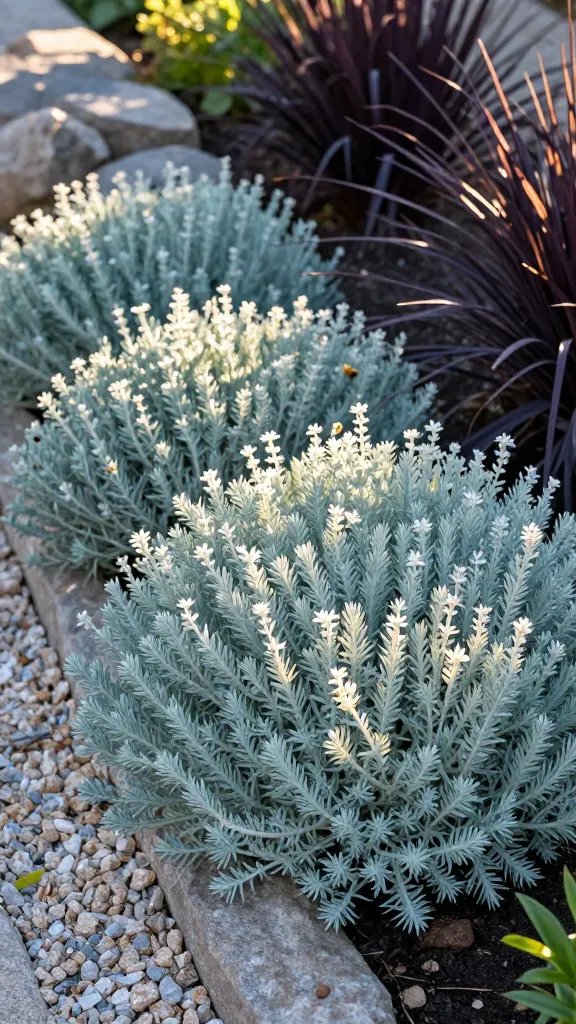
This sedum stays compact, with pale blue-green rosettes that glimmer in sun. In late summer, tiny starry flowers rise on short stems, attracting bees without demanding too much attention.
Design Tips: Pair with contrasting dark foliage plants or light-colored gravel for a modern, drought-tolerant look.
Best For: Front rockeries, sunny retaining walls, or crevices in hardscapes.
Care Notes: Very drought-tolerant once established; avoid overwatering and give excellent drainage.
5. Lavender ‘Hidcote’: Compact Fragrance with Crisp Silver Foliage
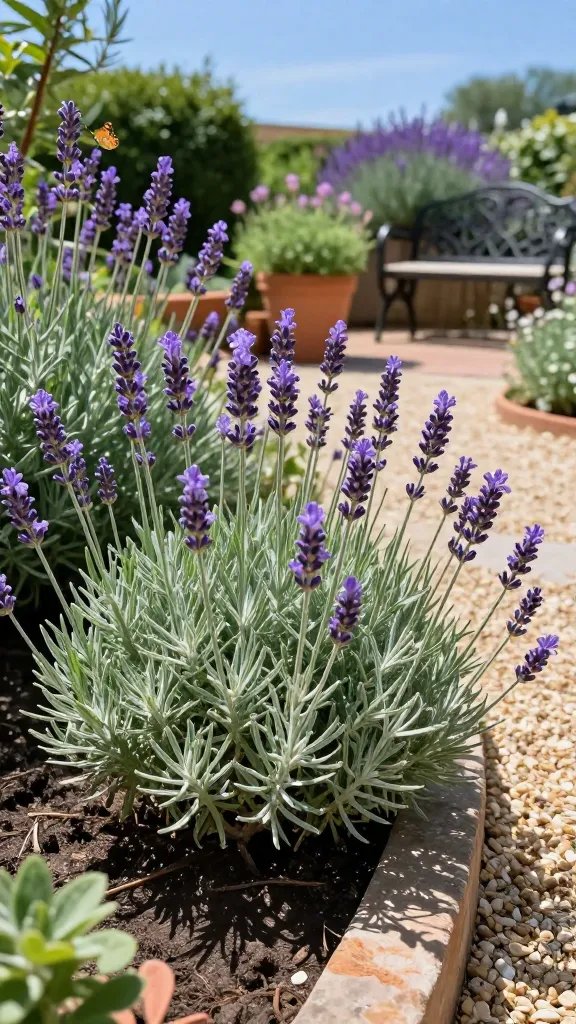
Lavender that doesn’t tower over you? This variety stays compact and clumps neatly, delivering silvery foliage and dependable summer fragrance. It invites butterflies and creates a Mediterranean vibe in any sunny bed.
Why It Works: It’s a sensory anchor—color, scent, and texture all in one low-growing package.
Best For: Front borders, scented pathways, or near seating areas for a calming mood.
Care Notes: Needs full sun and well-drained soil. Prune lightly after flowering to maintain shape and encourage compact growth.
6. Salvia ‘May Night’: Short Stalwart with Dramatic Spikes
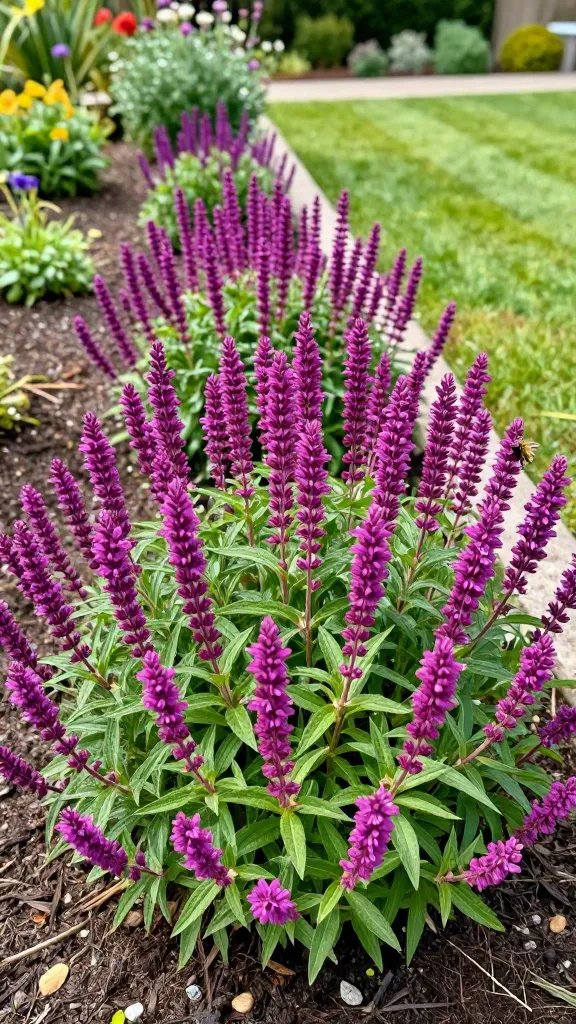
May Night salvia stays compact while delivering deep, electric magenta spikes above a compact bushy mound. It blooms reliably through summer, attracting pollinators and offering bold color without overwhelming space.
Design Tips: Plant in swaths along borders or at the edges of a patio bed to create a punchy, perennial backbone.
Best For: Sunny, well-drained spots where you want long bloom periods with minimal effort.
Care Notes: Cut back after a first flush to encourage a second round of flowering; avoid overwatering.
7. Nepeta ‘Walkers Low’: Soft, Gray-Green Groundcover with Misty Blooms
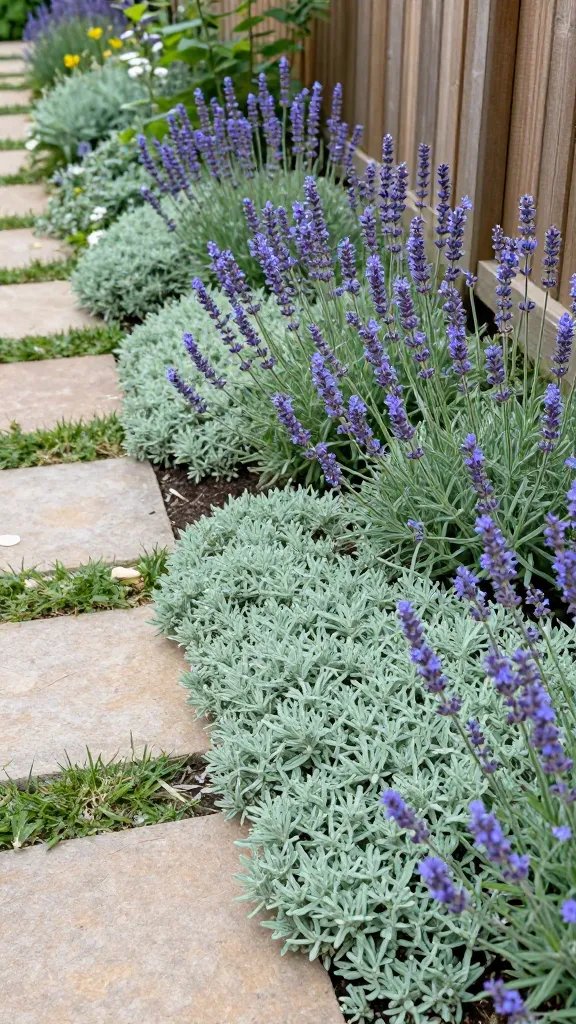
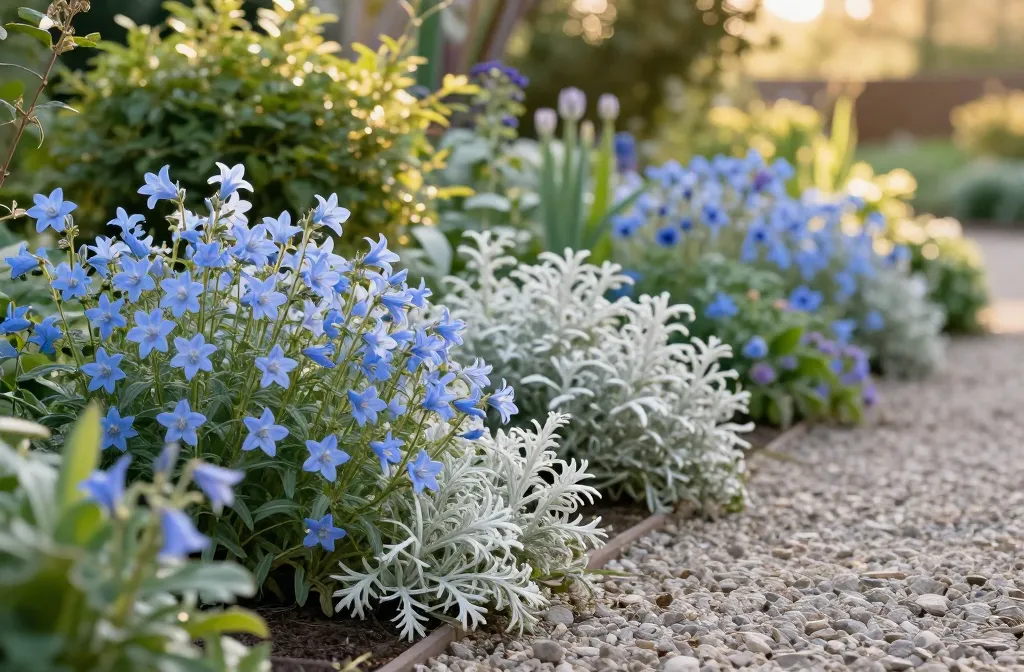
Catmint stays short and cheerful, with lavender-blue flowers that drift over aromatic gray-green foliage. It creates a breezy, cottage-garden vibe and fills space with a forgiving habit.
Why It Works: It’s a superb filler that never looks messy. It also deters some pests and invites pollinators.
Best For: Between stepping stones, along slopes, or at the base of fences where you want a calm, permeating look.
Care Notes: Shear after flowering to maintain shape and encourage a second bloom; drought-tolerant once established.
8. Dwarf Iris: Crisp Low Tufts with Early Spring Spark
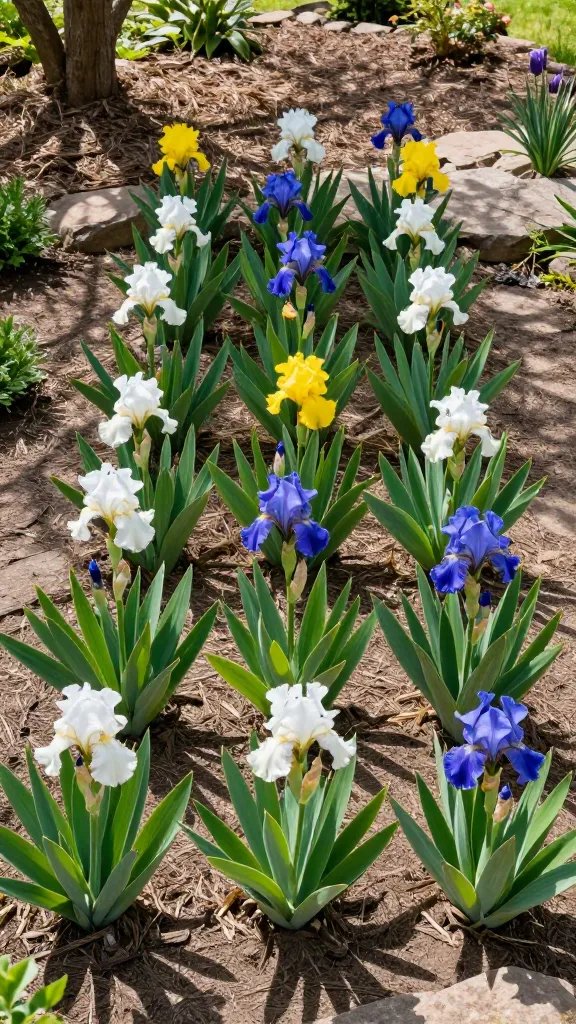
These tiny, sword-like leaves and short flower stalks bring sharp, crisp color in early spring. The blooms come in white, blue, or yellow, often appearing before many other perennials wake up.
Design Tips: Plant in a grid or checker pattern for a playful, organized look that’s still natural.
Best For: Edges of borders, rock gardens, or under deciduous trees where spring interest matters most.
Care Notes: Prefers well-drained soil and full sun to partial shade. Remove spent flowers to keep tidy and prevent self-seeding chaos.
9. Sagebrush Daisy (Artemisia ‘Powis Castle’): Silvery Form with Subtle Bloom
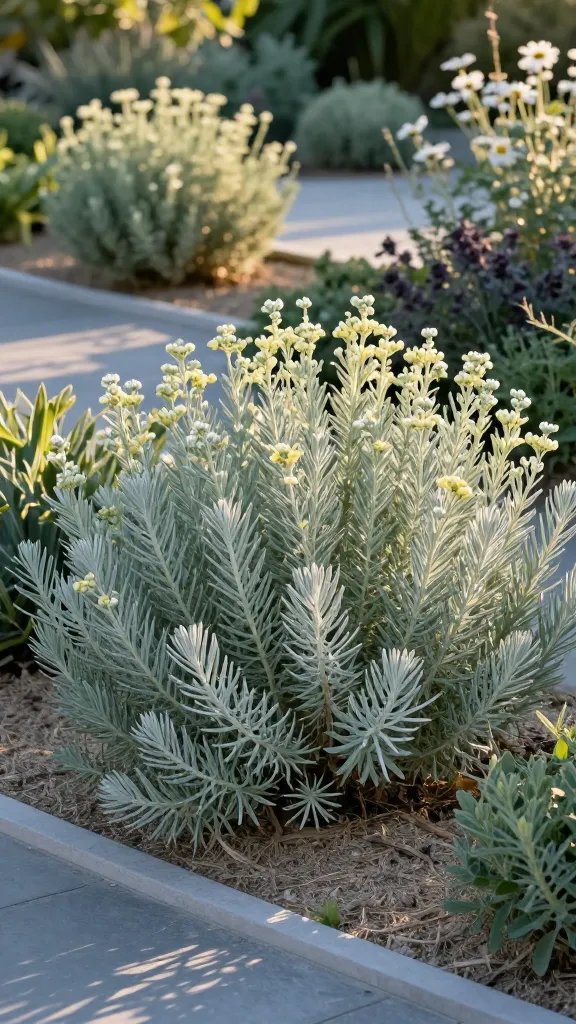
Artemisia offers sculptural, finely divided foliage that stays low and loves sun. In spring or summer, it may produce small pale yellow to creamy blooms, but its real magic is leaf texture and color.
Why It Works: A textural powerhouse that adds contrast in any bed or container mix.
Best For: Silver-and-green color schemes, dry garden corners, or as a halo plant around darker tones.
Care Notes: Tolerant of drought; trim back after peak heat to maintain a compact form.
10. Ornamental Oregano (Origanum ‘Kent Beauty’): Subtle Heel-Height with Evergreen Foliage
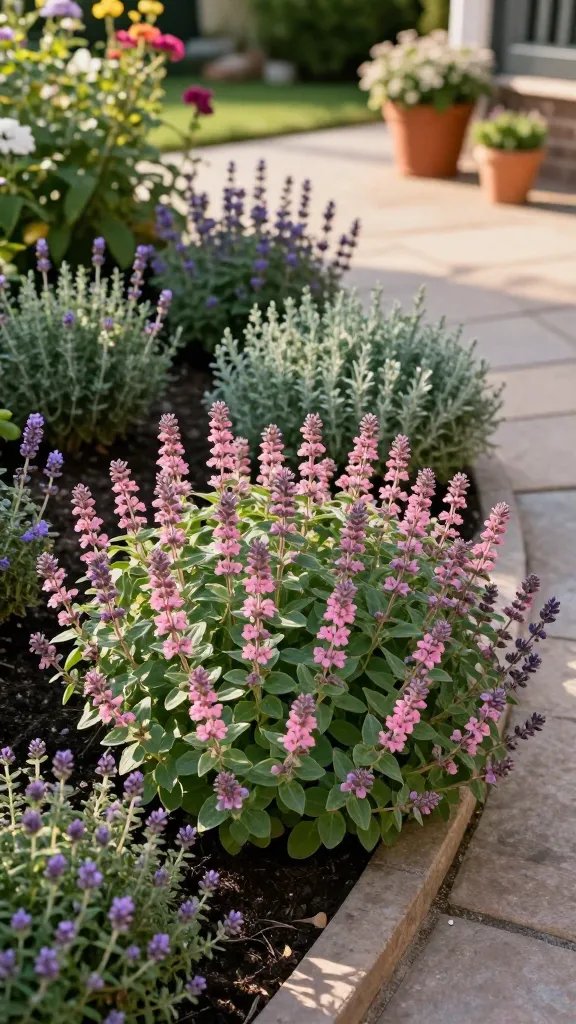
This compact oregano stays low and spreads with a pleasant fragrance and tiny pink to purplish blossoms. It’s both culinary-friendly and visually appealing, thriving in sun-drenched beds or containers.
Design Tips: Combine with thyme or thyme-like companions for a fragrant border.
Best For: Front-of-border accents, herb gardens, or patio pots that get used in cooking.
Care Notes: Light watering and occasional trimming keep it neater and discourage legginess.
11. Helleborus (Lenten Rose): Evergreen Basal Clump with Early Bloom
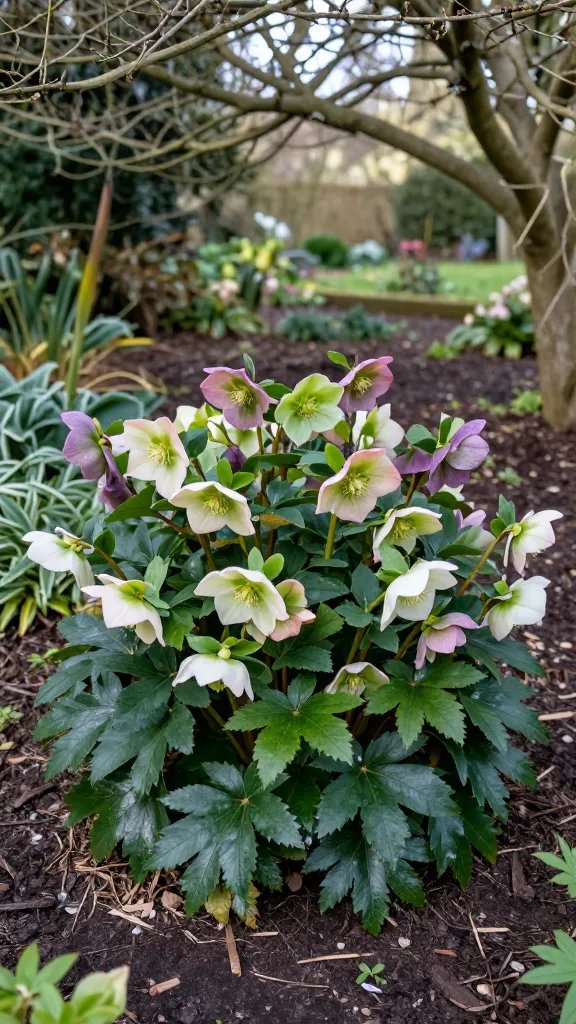
Hellebores cluster low to the ground with evergreen leaves and long-lasting blooms that appear in late winter to early spring. The blossoms come in greens, pinks, purples, or whites, depending on cultivar.
Why It Works: A reliable seasonal cue in dull winter weeks and a valuable shade-tolerant option.
Best For: Under deciduous trees or in shaded borders where spring color is a priority.
Care Notes: Mulch well and avoid overwatering in winter; remove spent flowers to keep tidy.
12. Coreopsis ‘Zag Jam’ Mini: Sunny Perky Dots of Color Near the Path
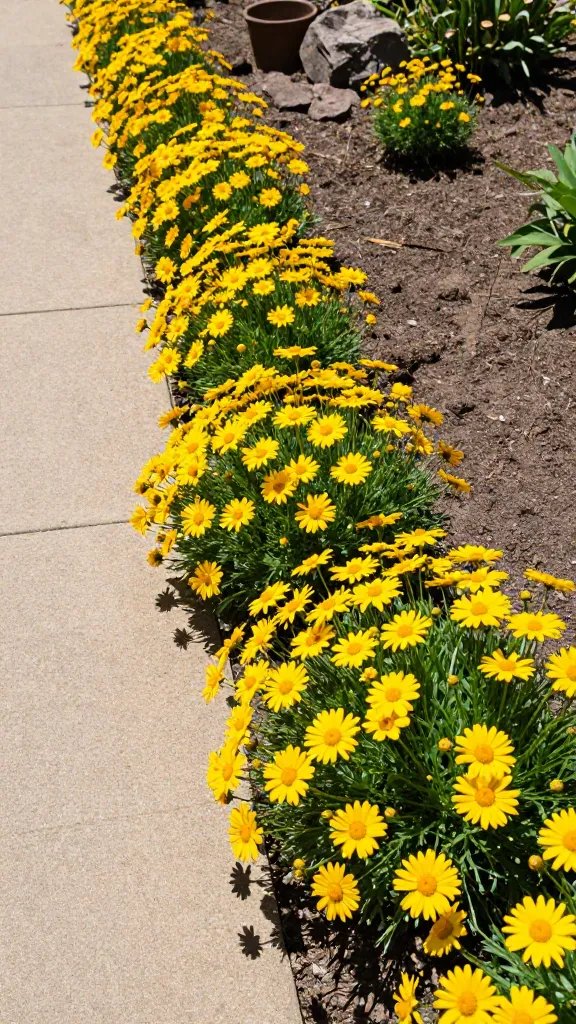
Mini coreopsis stay compact while producing cheerful daisy-like blooms in bright yellows with orange centers. They spread lightly and keep a sunny, uplifting mood in any border.
Design Tips: Plant in a curving row along a path or edge to guide the eye with little effort.
Best For: Sunny borders, rock gardens, or containers for a pop of color with minimal fuss.
Care Notes: Tolerant of heat and drought; deadhead to encourage continuous flowering through summer.
Conclusion
With these 12 low growing perennials, you can craft a garden bed that’s lush, manageable, and endlessly interesting. Which idea are you itching to try first—something with texture, color, or a bit of scent? Start small, mix a couple of these, and you’ll have a year-round display that feels effortless and personal.