12 Shade Garden Ideas: Cozy, Moody, and Wow-Filled
Shade can feel limiting, but it’s actually rich with possibilities. These ideas prove you don’t need full sun to create a lush, inviting outdoor room.
Let’s embrace the cool, quiet magic of a shaded yard.
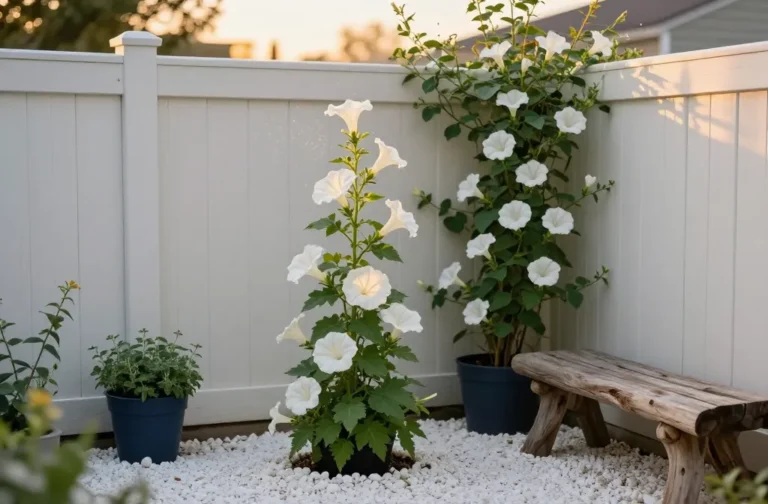
1. Moonlit Blooms: White and Pale Perennials for Contrast
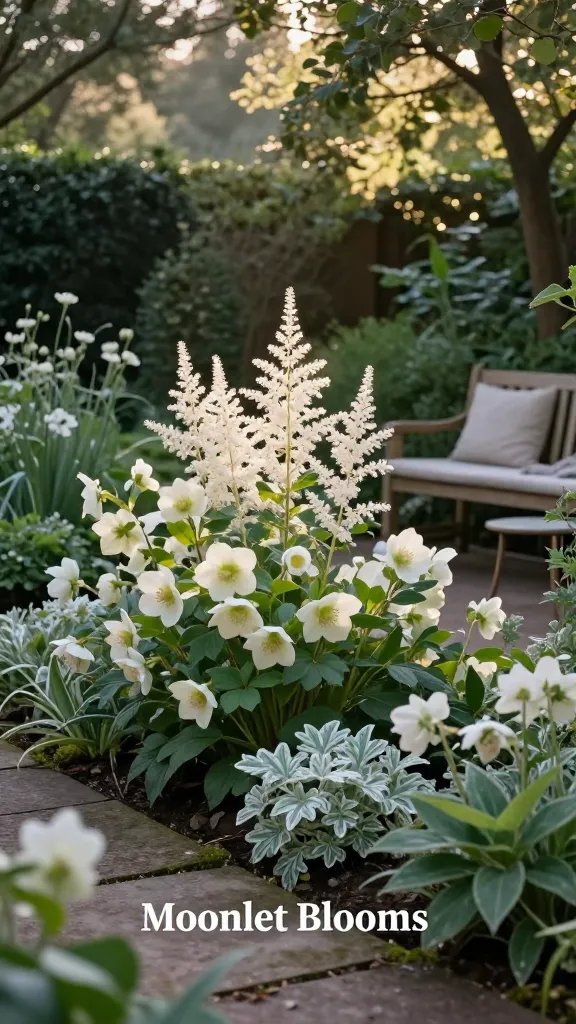
Shades of white and soft pastels pop against greens and browns, especially in dappled light. Plant choices like Hellebores, White Astilbe, and Lamium with silver-variegated leaves create a serene, cathedral-like glow at dawn and dusk.
Why it works: The absence of harsh sun means colors stay true longer and foliage stays crisp. The result is a calm, elegant backdrop perfect for lounging with a book.
Best for: Cottage gardens, woodland edges, and shade patios.
Design tips: Layer by height—low groundcovers, mid-height perennials, and taller blooms toward the back. Keep soil consistently moist with a light mulch to boost bloom potential.
Care notes: Mulch regularly, deadhead faded blooms to encourage new growth, and provide occasional extra water during dry weeks.
2. Mystery of Moody Foliage: Purple and Silver Leaves Garden
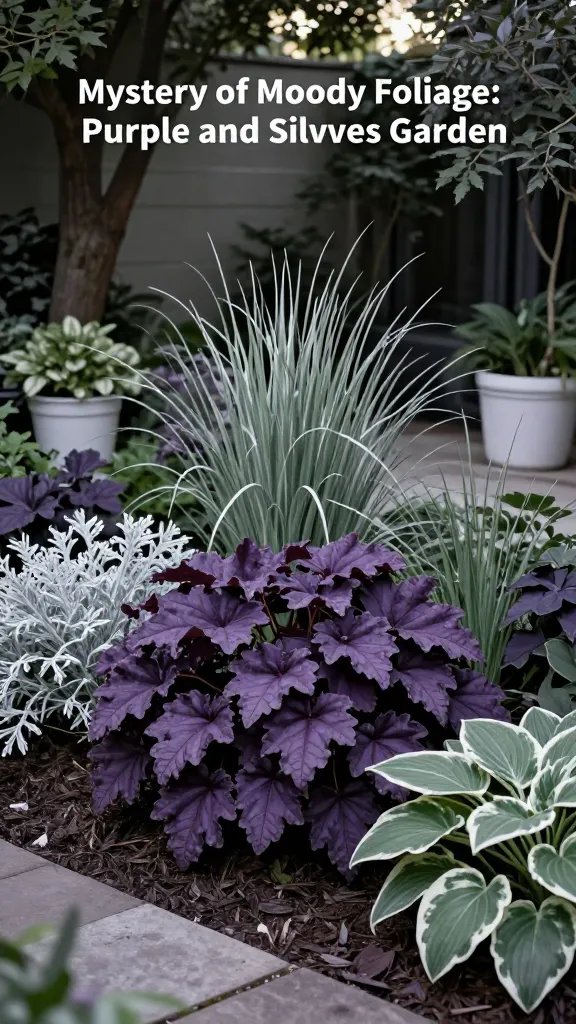
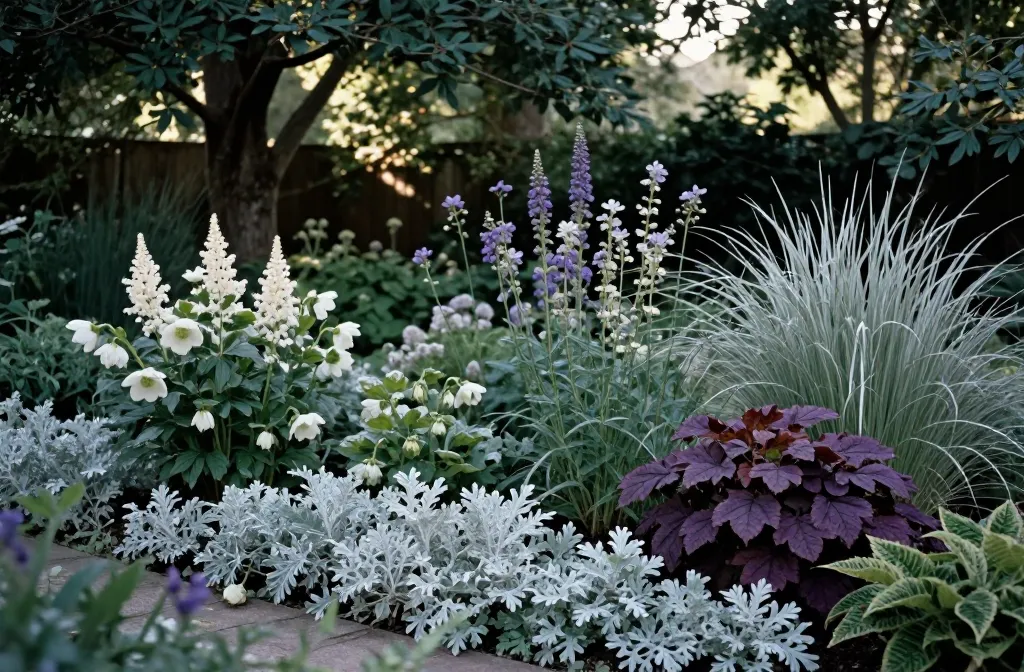
Shade leans toward drama when you lean into foliage. Plant purple-leaved barrels like Heuchera and Alternanthera, paired with silver foliage grasses or white-edged hostas.
Why it works: Texture drives interest when flowers are few; variegation and color shifts keep the scene lively throughout the season.
Best for: Courtyards, entryways, and under deciduous trees.
Design tips: Use a monochrome or near-monochrome palette for a bold, curated look. Place bright containers at eye height to anchor the space.
Care notes: Avoid overwatering; these plants appreciate evenly moist soil with good drainage.
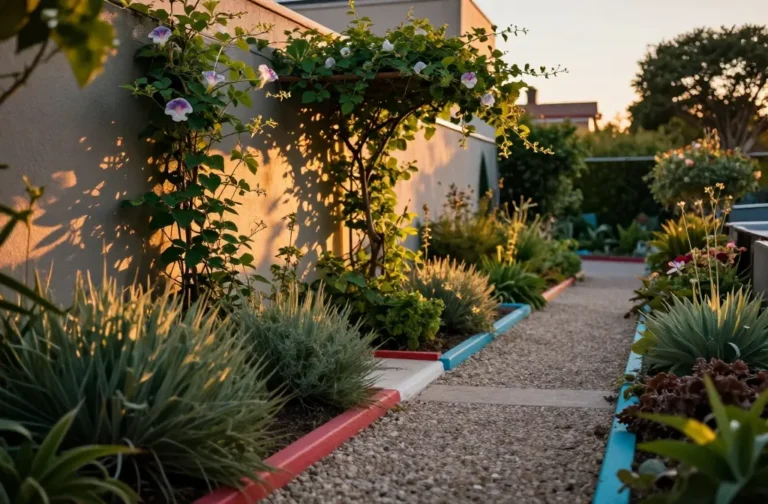
3. Woodland Pathways: Curved Gravel Walks with Dappled Patches
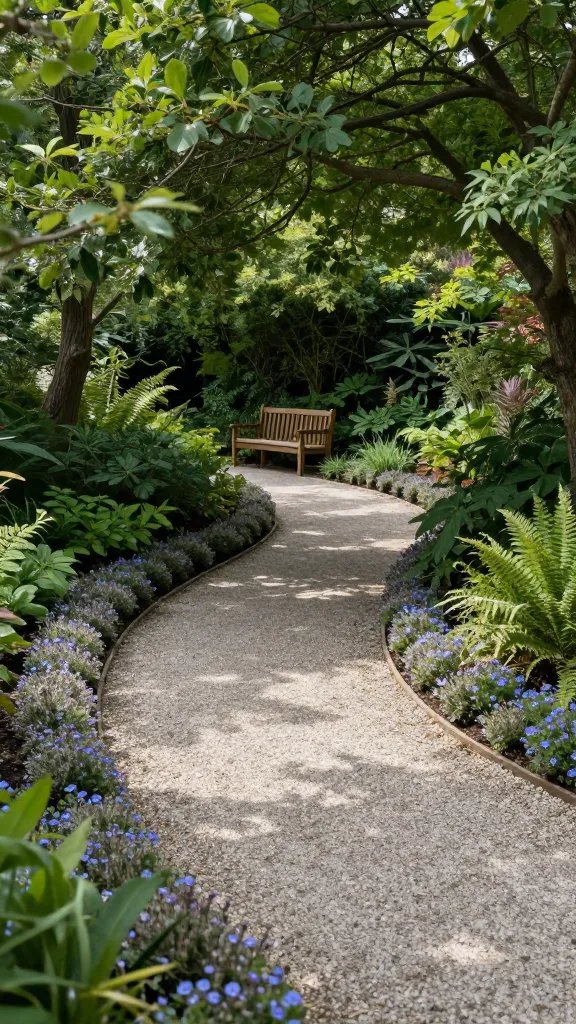
Create a meandering path that invites exploration under a canopy of shade. A gravel or decomposed granite path with tucked-in shade-loving plantings makes each turn feel like a small adventure.
Why it works: Curves soften the garden, guiding visitors and creating intimate moments to pause and reflect.
Best for: Smaller yards or to connect seating zones without full sun exposure.
Design tips: Edge with low-growing thyme or creeping periwinkle to fill gaps and keep the path tidy. Add a wooden bench at a shady bend for a perfect rest stop.
Care notes: Rake occasional ridges after rain and replenish gravel every few years to maintain the crisp look.
4. Groundcover Symphony: Spreading Plants That Change the Layering Game
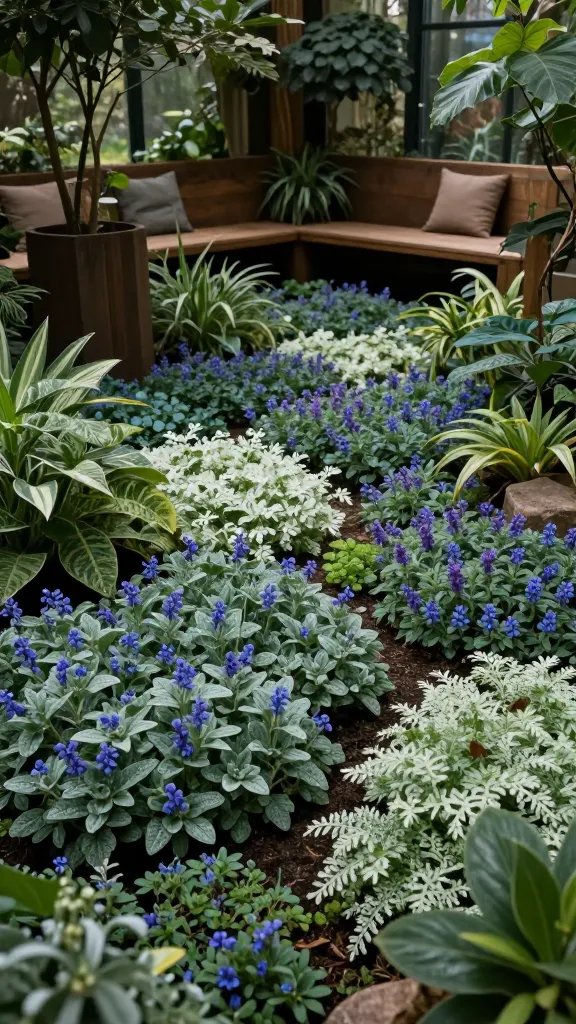
Groundcovers are your best friends in shade. Plant varieties like Ajuga, Pilea, and Sweet Woodruff to blanket soil and suppress weeds while providing subtle color and fragrance.
Why it works: They require less maintenance than a traditional lawn and create a lush, forgiving carpet under trees and shrubs.
Best for: Understory areas, slopes, and around tall shrubs.
Design tips: Mix two or three textures and colors for depth. Leave small pockets of bare soil here and there to highlight new growth.
Care notes: Trim to control spread and prevent crowding of preferred specimens.
5. Hostas with a Twist: Variegation, Height, and Texture
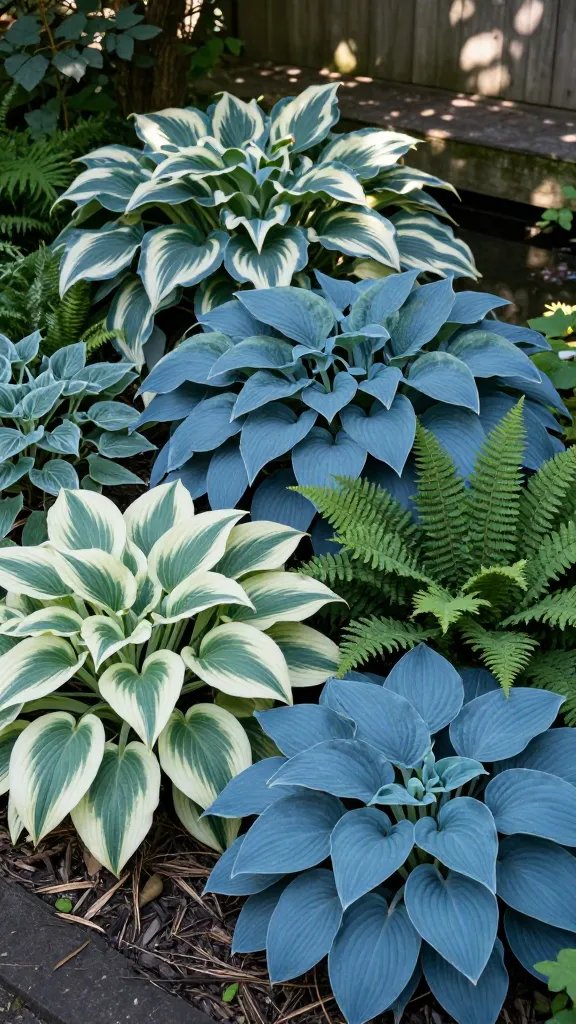
Hostas are the quiet workhorses of shade gardens. Choose a mix of variegated, blue, and miniature varieties to create a layered, cool-toned tapestry.
Why it works: Their broad leaves catch and modulate light, softening edges and providing structure even when blooms are modest.
Best for: Border outlines, near water features, and along fences.
Design tips: Pair with ferns and hostas of different heights for a natural, curated understory; mulch with pine needles for a woodland feel.
Care notes: Divide every 3–5 years to maintain vigor; watchers should watch for slug activity in damp spots.
6. Container Forest: Shade-Friendly Pots with Ferns, Heucheras, and Impatiens
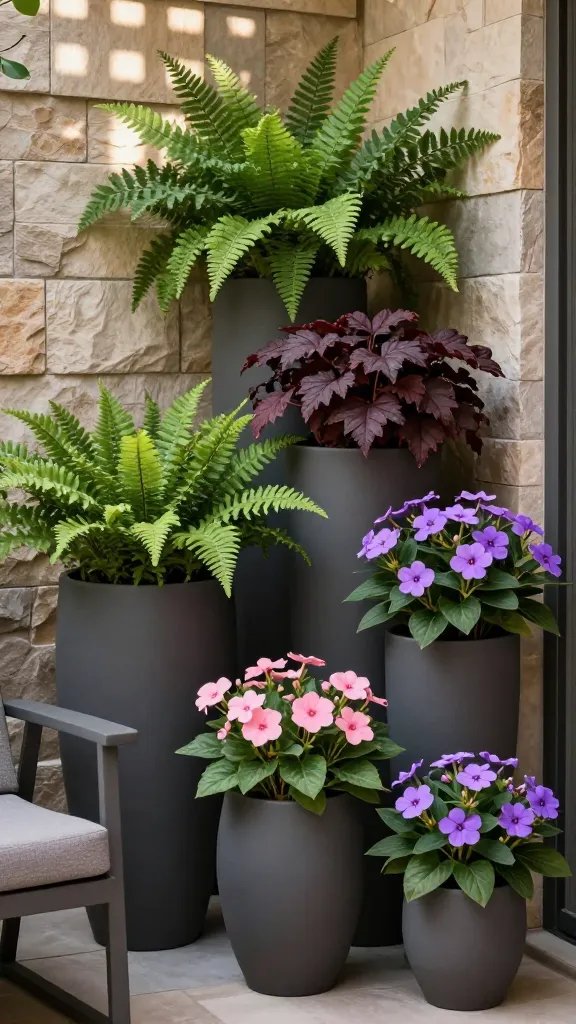
Containers let you sculpt shade microclimates on patios or porches. Mix ferns, heucheras, and annual Impatiens for a living, evergreen vignette that’s easy to update.
Why it works: Pots bring color and life to vertical spaces, creating lush pockets where ground soil is sparse.
Best for: Apartment balconies, shaded patios, or entry courtyards.
Design tips: Choose tall, narrow pots for drama without crowding. Use a consistent color palette to unify disparate textures.
Care notes: Water regularly, since pots dry out faster than garden beds in shade. Feed with a balanced liquid fertilizer monthly during growing season.
7. Evergreen Quiet: Boxwood and Camellia Corners for Year-Round Structure
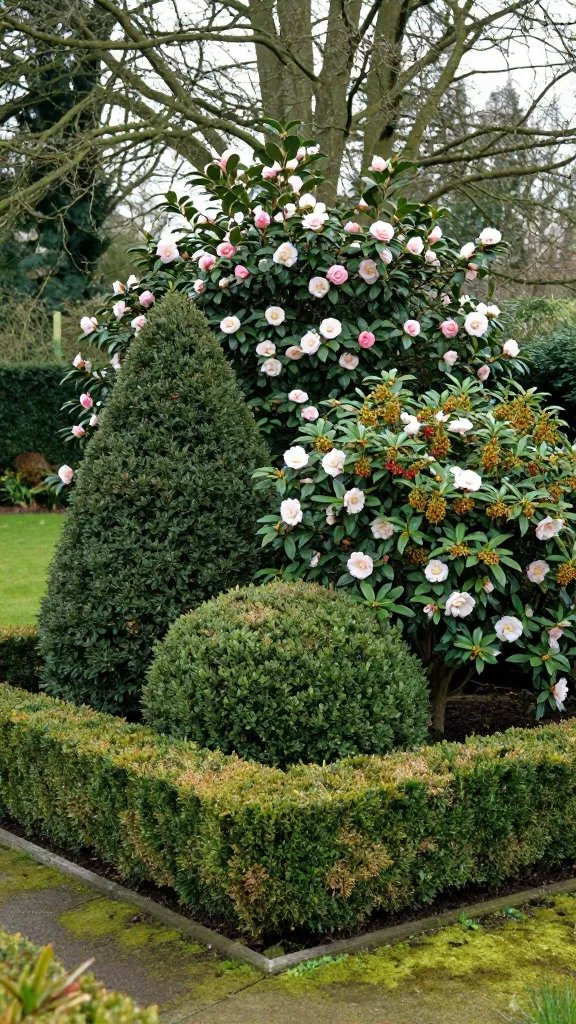
Evergreens anchor the shade garden while providing year-round form. Boxwood, Camellia, and Mahonia create evergreen structure with seasonal blooms and berries.
Why it works: Solid silhouettes offer a calm backdrop that makes occasional flowering accents feel intentional.
Best for: Formal shade borders, privacy corners, and entry accents.
Design tips: Prune Boxwood into soft spheres or low hedges to keep lines gentle. Choose Camellia varieties with winter or early-spring blooms for a splash of color.
Care notes: Camellias prefer slightly acidic soil; mulch and light feeding help keep them happy in shade.
8. Water-Loving Nook: A Tiny Pond or Reflective Water Feature
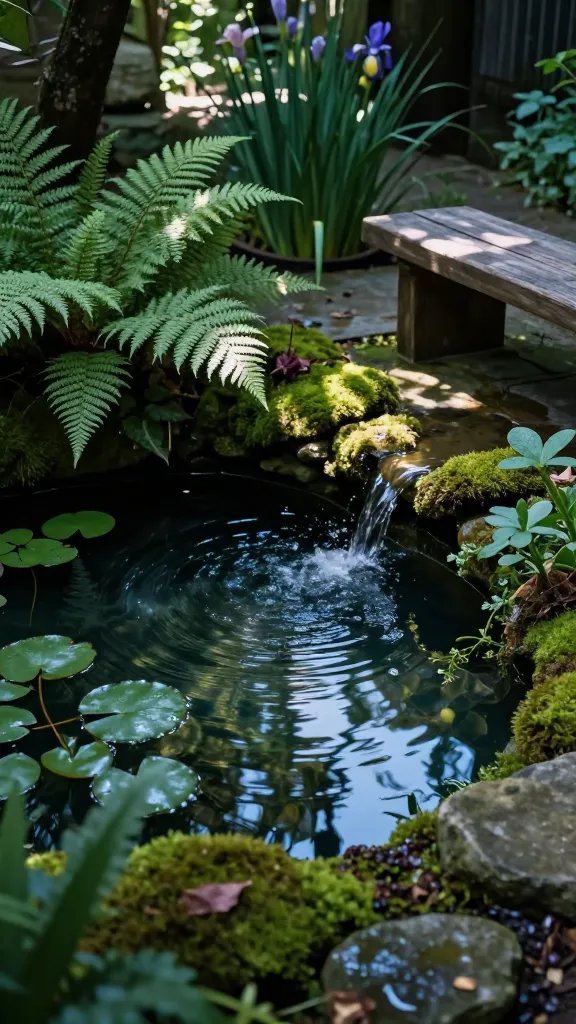
Water doesn’t need sun to thrive in mood-boosting ways. A shallow pond, fountain, or reflective basin nestled among shade-tolerant plants creates a tranquil focal point.
Why it works: The sound of trickling water and reflected light can feel magical, especially in a cool-toned shade garden.
Best for: Courtyards, near seating areas, or at the end of a shady path.
Design tips: Surround the water feature with ferns and moss for a lush, damp edge. Add aquatic marginal plants for texture and interest.
Care notes: Skip harsh chemicals; choose natural filtration or rename a small pump to keep the ecosystem balanced.
9. Secret Garden Seating: Cozy Nook with Shade-Loving Plantings
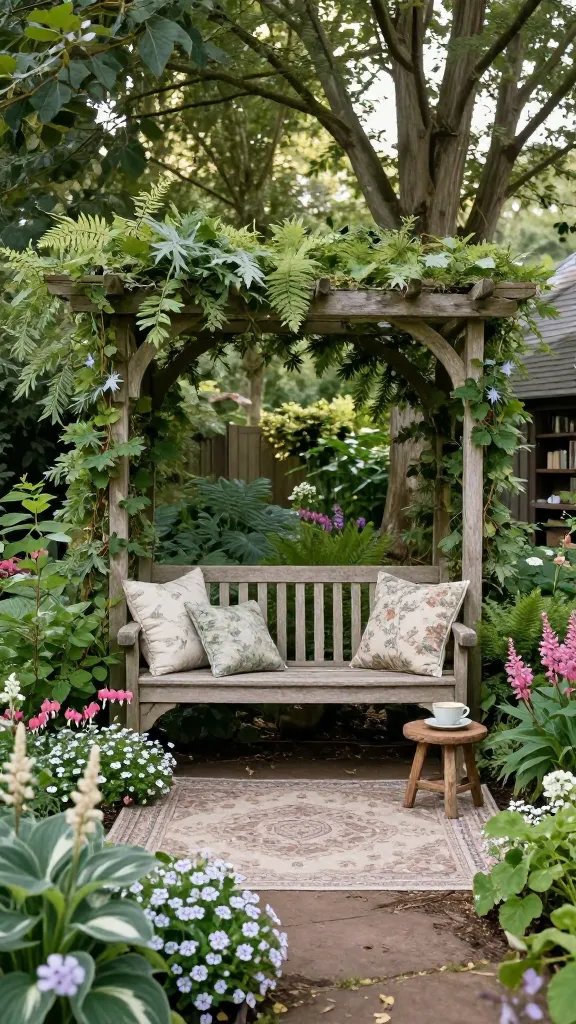
Design a dedicated seating area that feels private and serene. A wooden bench, a trellis, and layering of shade-loving perennials create a cozy, go-anywhere escape.
Why it works: A defined space invites lingering, punctuation for conversation, and a sense of retreat.
Best for: Side yards, under taller trees, or next to a garden shed turned mini-library.
Design tips: Use a trellis with evergreen vines for year-round privacy and a sense of enclosure. Add a soft rug or outdoor cushions to up the comfort factor.
Care notes: Keep the seating area clean and free of fallen leaves to maintain a peaceful vibe.
10. Fragrant Understories: Aromatic Plants for a Sensory Pause
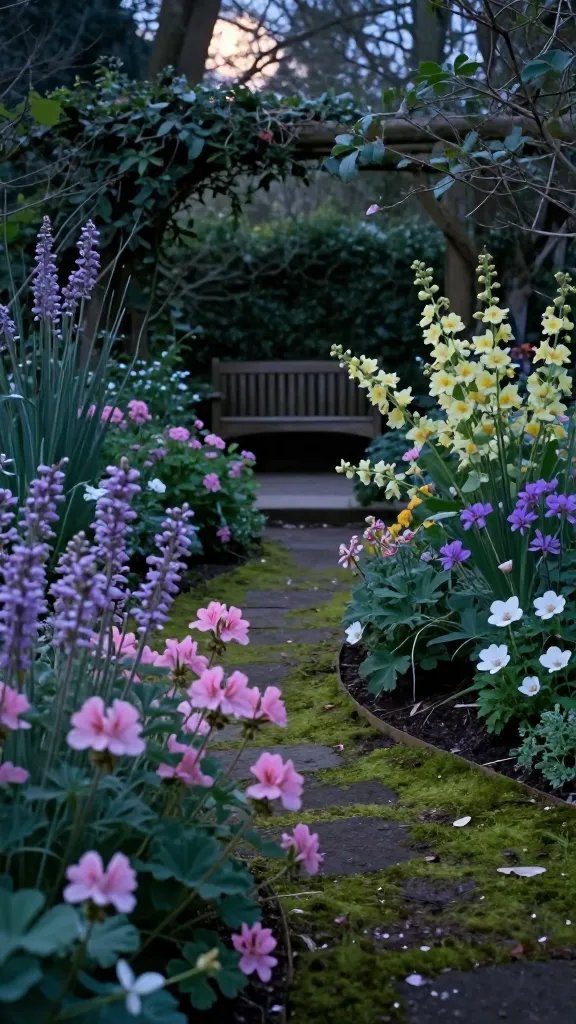
Shade can still carry scent with the right picks. Plant a selection of scented geraniums, Epimedium flowers, and Japanese anemone to delight your nose at close range.
Why it works: Fragrance primes you for lingering and makes twilight garden strolls irresistible.
Best for: Pathways, near seating, and entryways.
Design tips: Place highly scented plants at knee height where you walk by, so you can notice them without leaning in.
Care notes: Deadhead spent blooms to keep fragrance strong and avoid mildew on any damp foliage.
11. Edible Shade: Chef-Approved Herbs and Edibles for Low-Light Growing
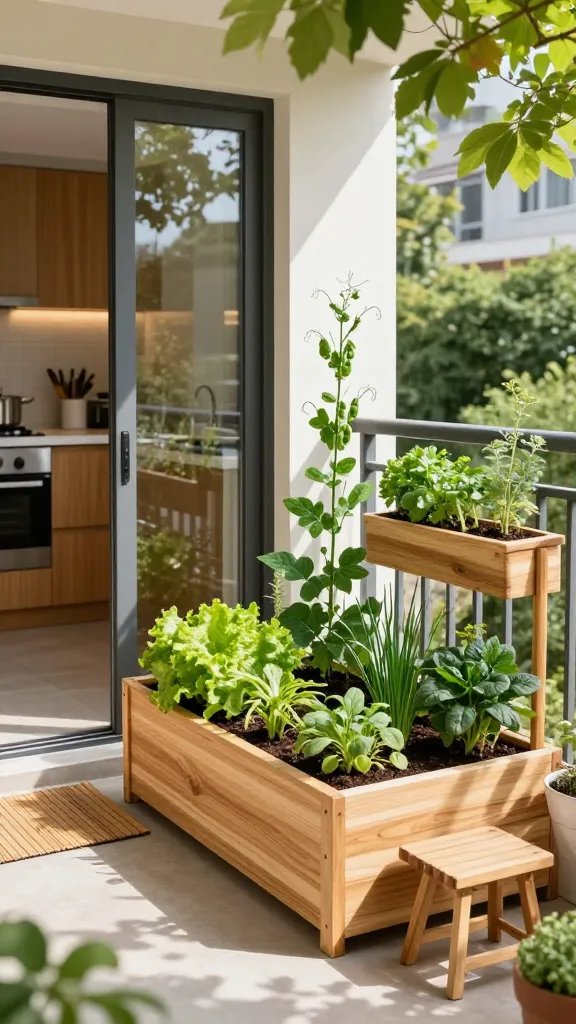
Shade isn’t off-limits to edibles. Try lettuce, arugula, spinach, chives, and heirloom peas that tolerate partial sun or bright shade. A raised bed kept close to the kitchen makes harvest fast and easy.
Why it works: Fresh greens and herbs right outside your door encourage culinary spontaneity and reduce trips to the grocery store.
Best for: Kitchen-accessible borders, balconies, and under a deciduous canopy.
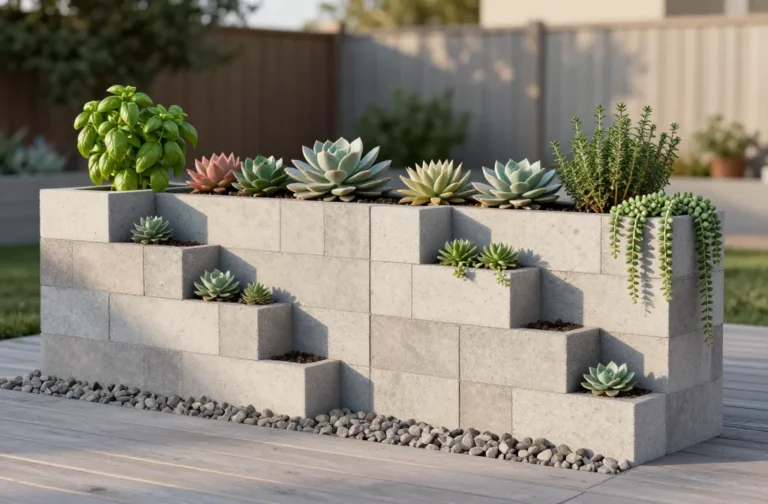
Design tips: Use a compact raised bed or tiered planters to maximize vertical space. Rotate plant families each season to maintain soil health.
Care notes: Ensure good drainage and monitor soil moisture to prevent wilting during warm spells.
12. Native Garden: Local Trees, Shrubs, and Wildflowers for Easy Care
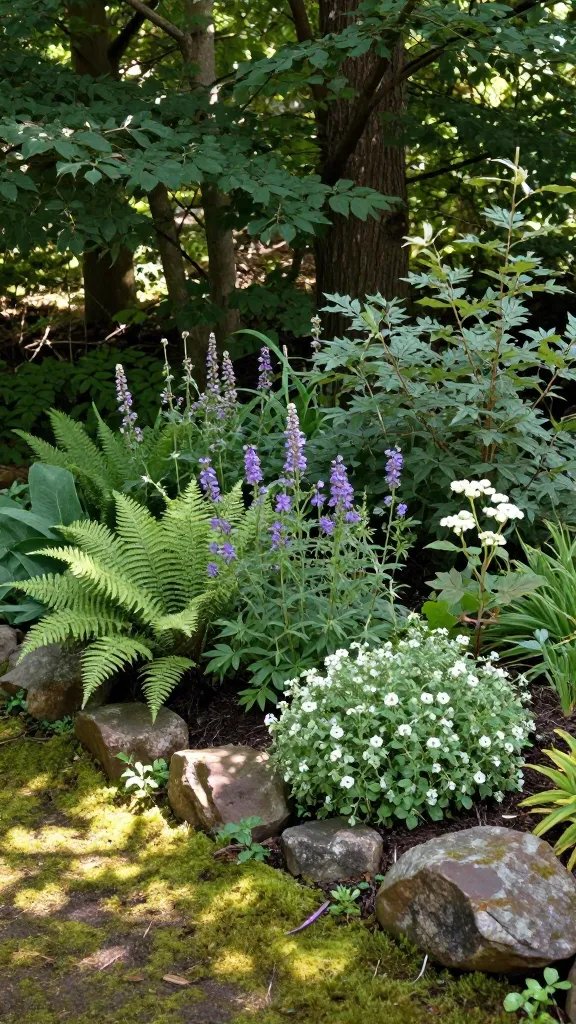
Go native and let the shade do the work. Native ferns, wildflowers, and shrubs encourage beneficial insects and provide a sense of place that looks effortlessly true.
Why it works: Native plants are adapted to local conditions, often thriving with less water and fewer pests than ornamentals.
Best for: Pollinator-friendly zones, woodland edges, and naturalized beds.
Design tips: Mix textures—from feathery to waxy—and allow rough edges to feel intentional. Include a few strategically placed rocks or logs for microhabitats and visual interest.
Care notes: Mulch lightly and let native plants seed themselves; occasional pruning helps shape the space without erasing its wild character.
Conclusion
Shade holds its own kind of magic—quiet, intimate, and endlessly adaptable. Which idea sparks your imagination first? Pick one to start, or blend a couple to craft a shade garden that truly reflects your style. Trust me, your future sun-starved weekends will thank you. Give a shaded corner a chance, and you might just fall in love with the cool, calm drama of the understory.