12 Purple Flower Garden Ideas: Dreamy Plant Tour
Purple blooms feel dreamy and calm, yet bold enough to make a statement. Here are 12 distinct ideas to weave purple into your garden in fresh, practical ways. Ready to fall in love with your greenspace all over again?
1. Moonlit Perennials: Deep Purple Bedscape
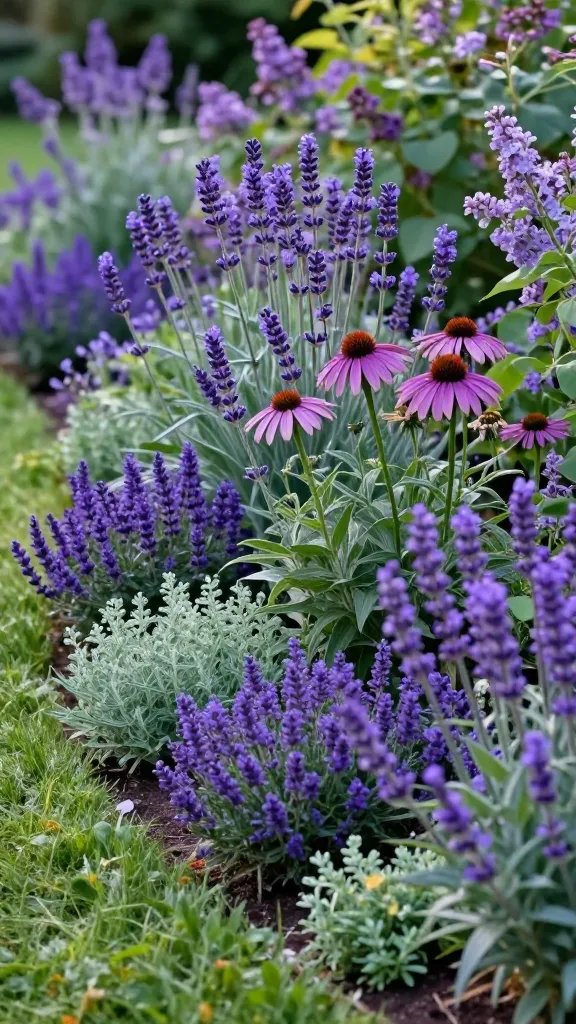
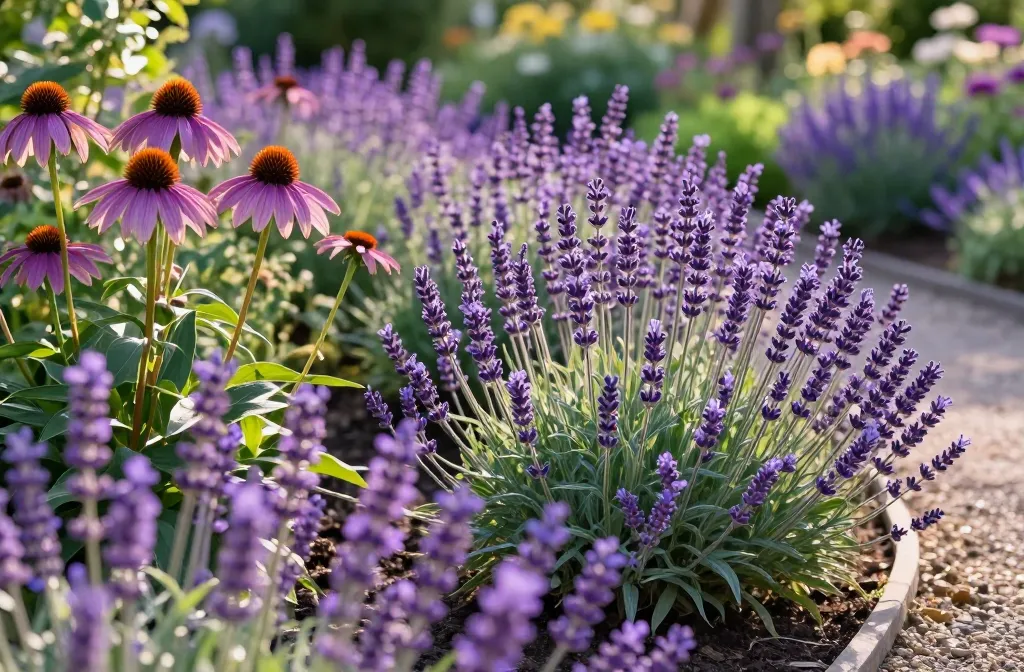
Craft a perennial border that looks spectacular from late spring through early autumn, anchored by a palette of deep purples and lilacs. Plant a mix of tall lavender, purple coneflower, and salvia with shorter edging plants to keep the eye moving. The goal is a cohesive sea of color that feels like a soft, twilight glow in daylight.
Why It Works: Repeats of similar hues create harmony, while varied heights keep it interesting. Best For: Front or middle border where you can admire it up close. Care Tips: Deadhead spent blooms to prolong color, water deeply during dry spells, and mulch to suppress weeds.
If you want a show that never dulls, this is your go-to. Perfect for who loves calm beauty with a touch of drama.
2. Purple Flowered Gravel Path Edging
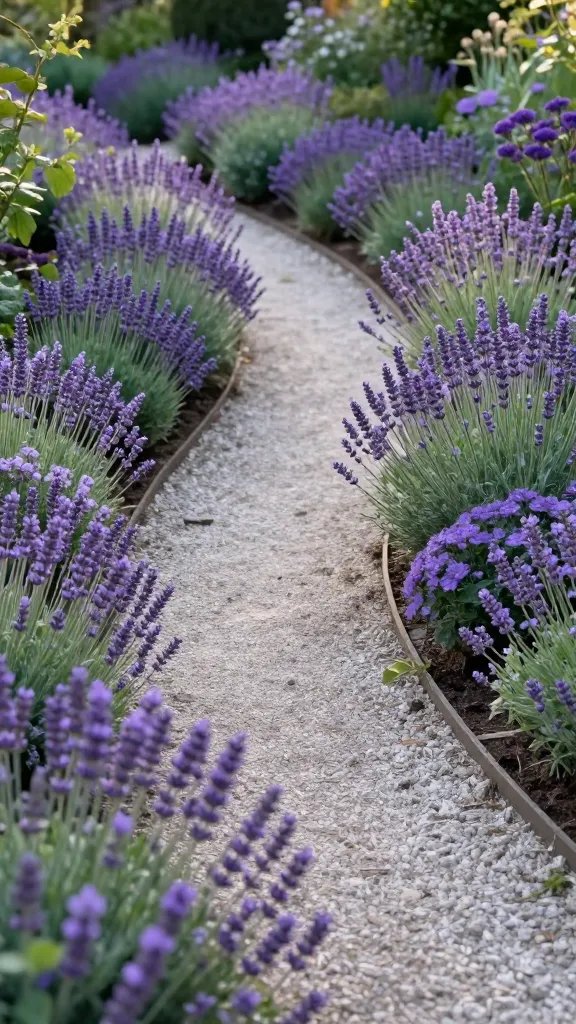
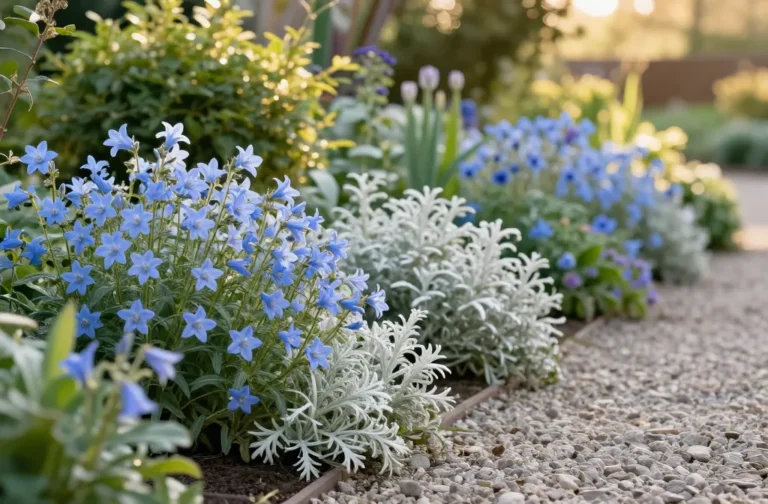
Line a winding gravel path with compact purple bloomers to guide visitors on a little color pilgrimage. Think small lavender, Verbena bonariensis clusters in a tight thicket, and oregano blossoms for scent. The path becomes a moving gallery of purples as you stroll.
Best For: Small yards or courtyards where you want structure without heavy maintenance. Design Tips: Use repeating modules (three plants per side, staggered) for rhythm; choose blooms that carry color for at least three seasons.
Ideal for garden lovers who want to create flow and surprise with walking moments that reward you with color on every bend.
3. Cottage-Style Purple Meadow
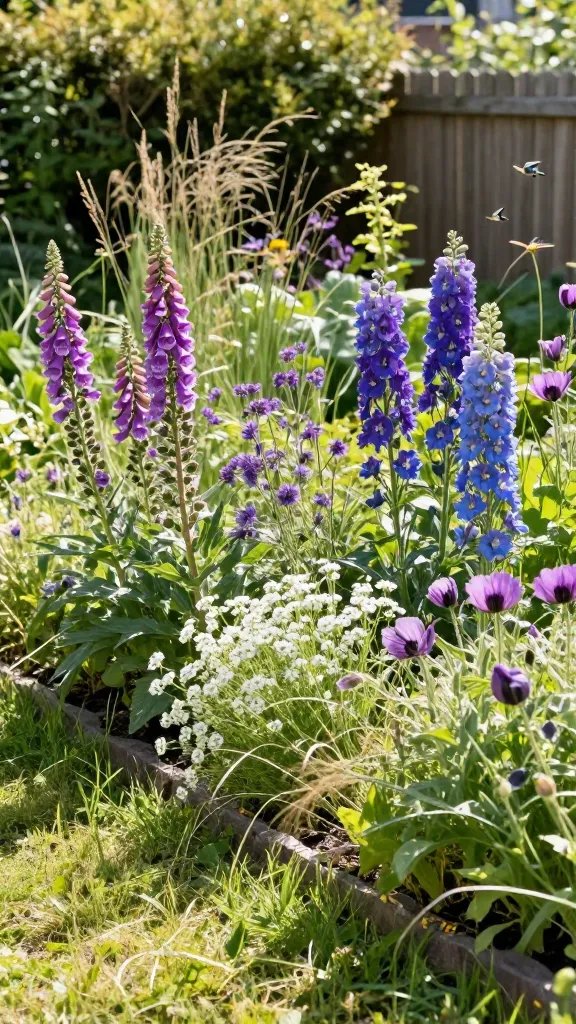
Let a loose, forgiving mix of purples spill through a sunny patch with self-seeding perennials and annuals. Include foxglove, delphinium, alyssum, and poppy-like purples for texture. The goal is a joyful, informal meadow vibe that happily weathers drought and welcomes pollinators.
Why It Works: A meadow feel reduces planting rigidity and invites wildlife. Best For: Back corners or sunny, open spots. Care Notes: Let some self-seeders stay for natural regeneration; weed lightly to keep it looking lush, not chaotic.
Perfect for folks who crave a romantic, sun-drenched space that ages gracefully.
4. Purple Foliage and Flower Combo
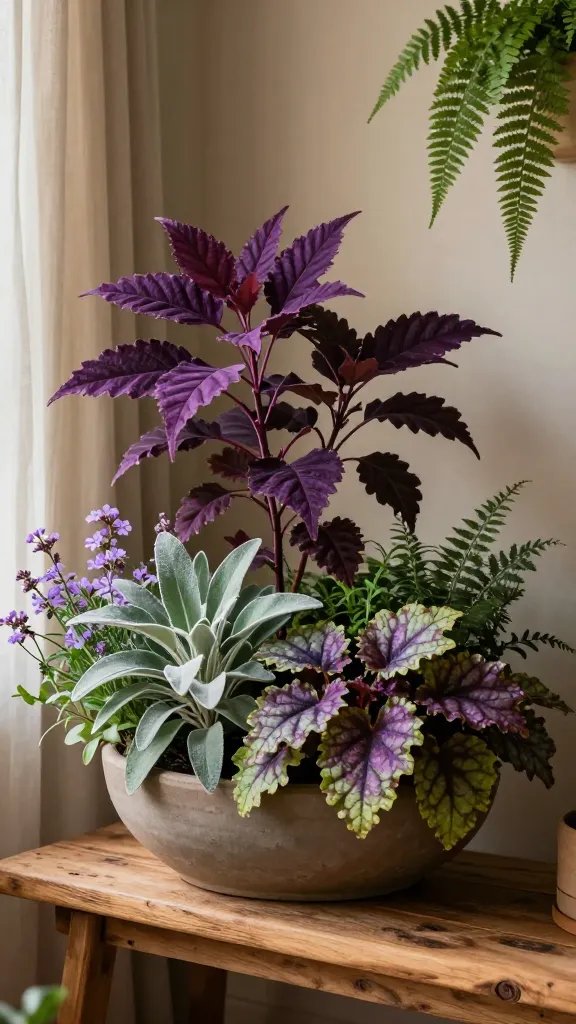
Pair foliage with blooms to amp up purple without relying on flower power alone. Use purple-leaf smoke bush, sage, heuchera, and verbena with blooms that echo the foliage hue. The contrast makes every leaf and petal pop.
Care Notes: This approach thrives with good soil prep and light pruning to maintain shape. Best For: Shade-tolerant or partially shaded areas where color comes from leaves as well as flowers.
For the patient gardener who loves texture and subtle drama, this idea delivers depth year-round.
5. Purple Hydrangea Corner
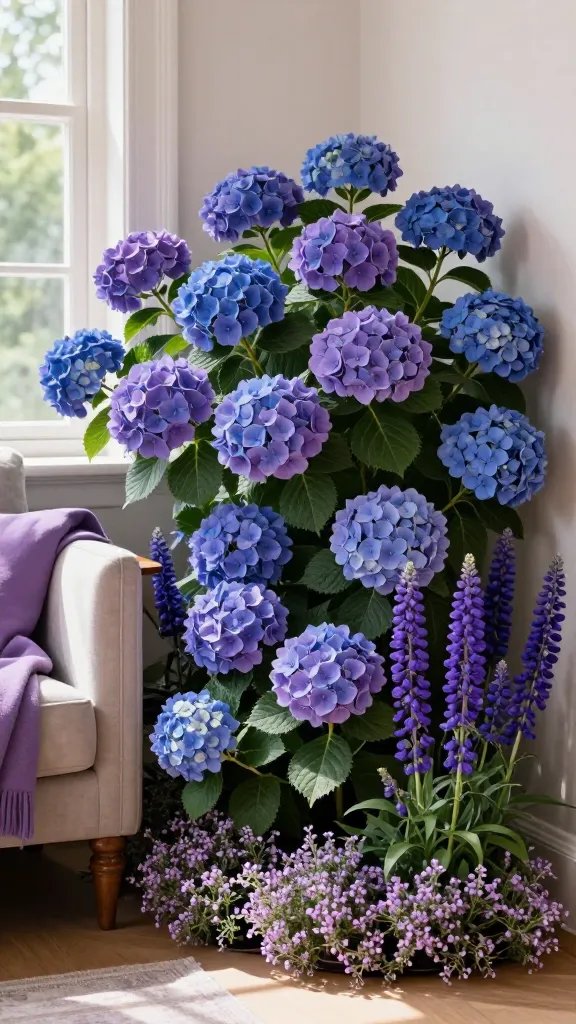
Create a focal corner with hydrangeas in rich purple or blue-violet tones, layered with companion plants that support bloom structure. Think tall hydrangea macrophylla, mid-height salvias, and short creeping thyme at the base.
What Works: Hydrangeas offer big, sculptural blooms that anchor the space. Best For: A standalone feature area or near seating where you can enjoy the view. Maintenance: Prune after flowering to shape and encourage future blooms.
If you crave a classic, elegant look that still feels fresh, this corner will become your new favorite quiet retreat.
6. Purple Flowering Vines for Vertical Drama
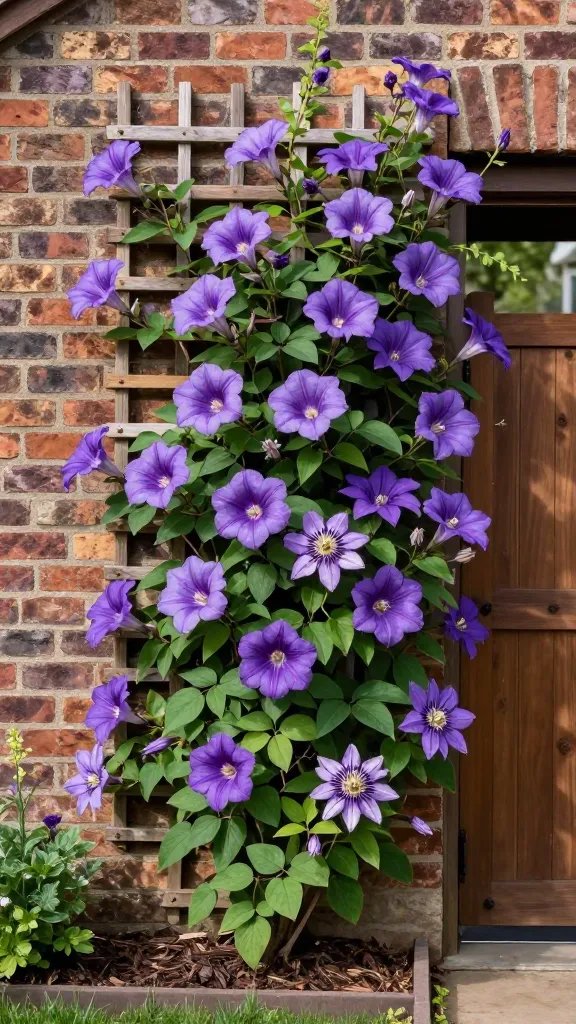
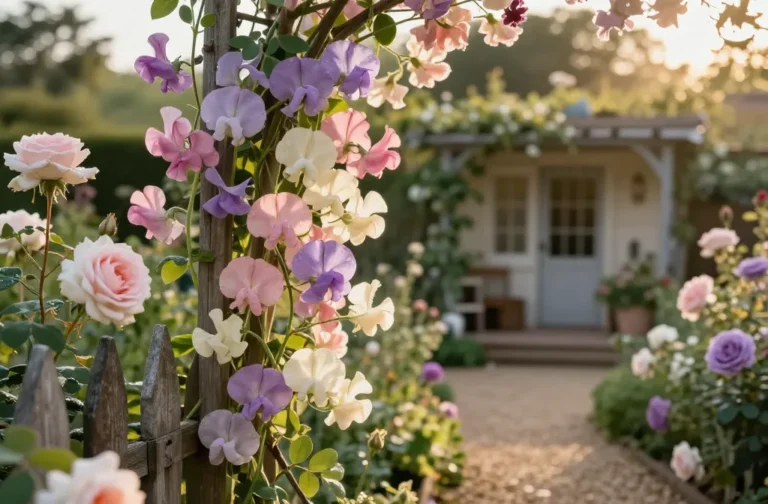
Let climbers do the talking with purple flowers climbing a trellis, arbor, or fence. Moonflower (Ipomoea alba) with violet evening blooms, clematis ‘Mrs. Cholmondeley’ for a satin punch, and passionflower or wisteria (choose a compact cultivar) create vertical drama that draws the eye upward.
Placement: South- or west-facing walls where sun delivers peak bloom. Care Tips: Tie-in supports early, mulch roots, and keep an eye on vine growth to prevent overpowering the space.
Perfect for small yards that need a big impact without sacrificing ground space.
7. Purple Native Plant Buff: Pollinator-Friendly Border
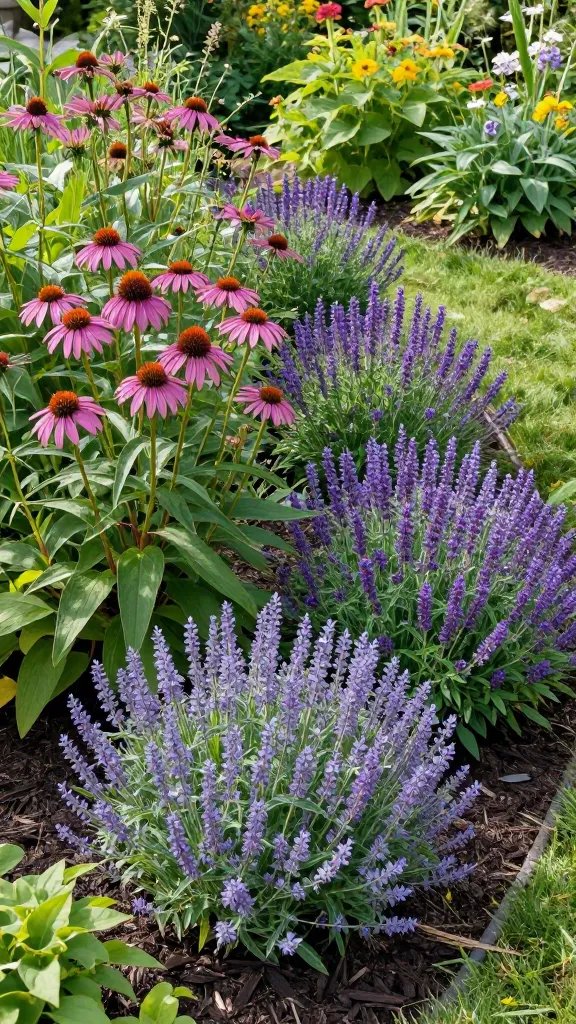
Build a border with purple-tavored natives that support local pollinators. Include purple coneflower, blanketflower, purple prairie clover, and obedient plant. Native favorites flourish with less fuss and blend beautifully with surrounding greens.
Best For: Wildlife-friendly gardens and regions with hot summers. Design Tips: group by color families in blocks to reinforce the purple theme, keep irrigation efficient, and mulch for moisture retention.
This idea is for the gardener who wants sustainability with style, not just pretty petals.
8. Moody Purple Bed with Silver Accents
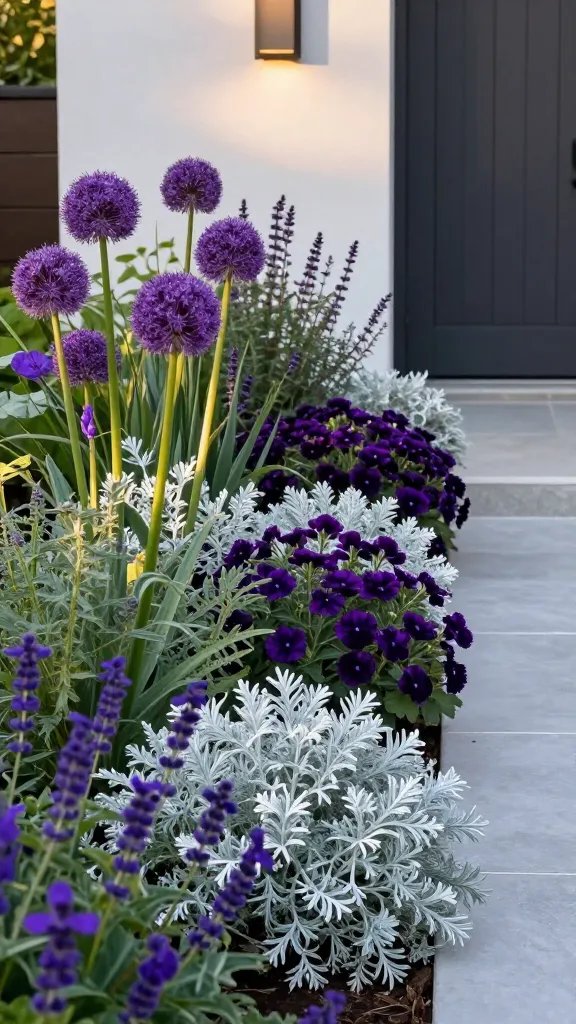
Pair deep purples with silvery foliage for a sophisticated, modern look. Plant purple alliums, dark Verbena, and salvia with silver fans of Artemisia or dusty miller. The contrast reads luxe and contemporary.
Why It Works: The shine of silver foil amplifies purple hues. Best For: Edges of sunny borders or entryways where guests first notice color. Care Notes: Silver foliage prefers good air circulation to prevent mildew; avoid overcrowding the center of the bed.
A contemporary twist on color, ideal for sleek, low-maintenance gardens.
9. Purple Pots and Spanish-Style Courtyard
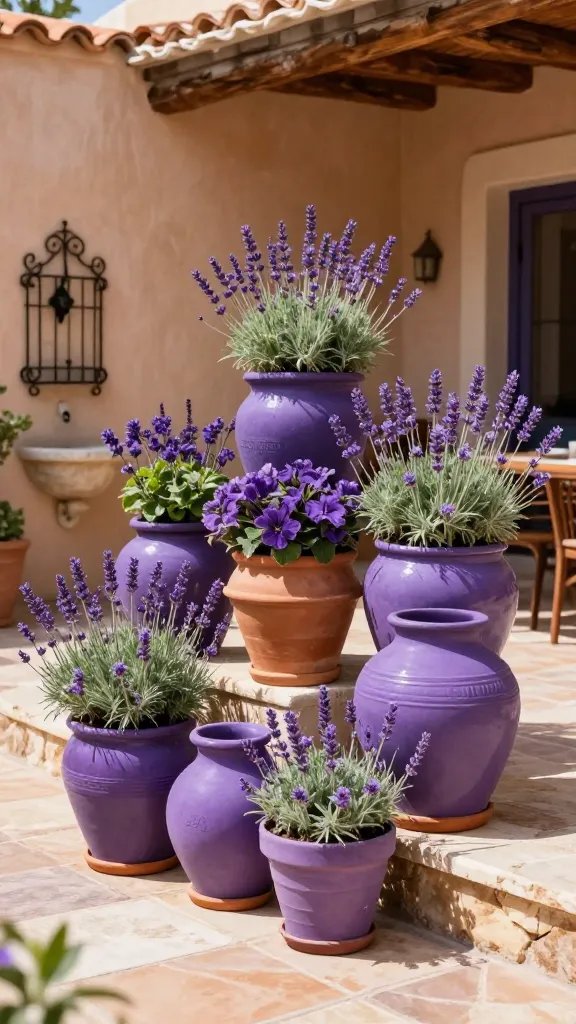
Move the magic of purple into container culture. Use terracotta and glazed purple-painted pots with lavender, purple suede plant, and lantana to create a Mediterranean vibe. Stack pots at varying heights to create a living sculpture.
Placement: Patio or balcony with plenty of sun. Care Tips: Ensure drainage, rotate pots for even sun exposure, and refresh soil yearly.
If you love instant impact and easy tweaks, this container approach is your fast track to a purple paradise.
10. Drought-Ready Purple Rock Garden
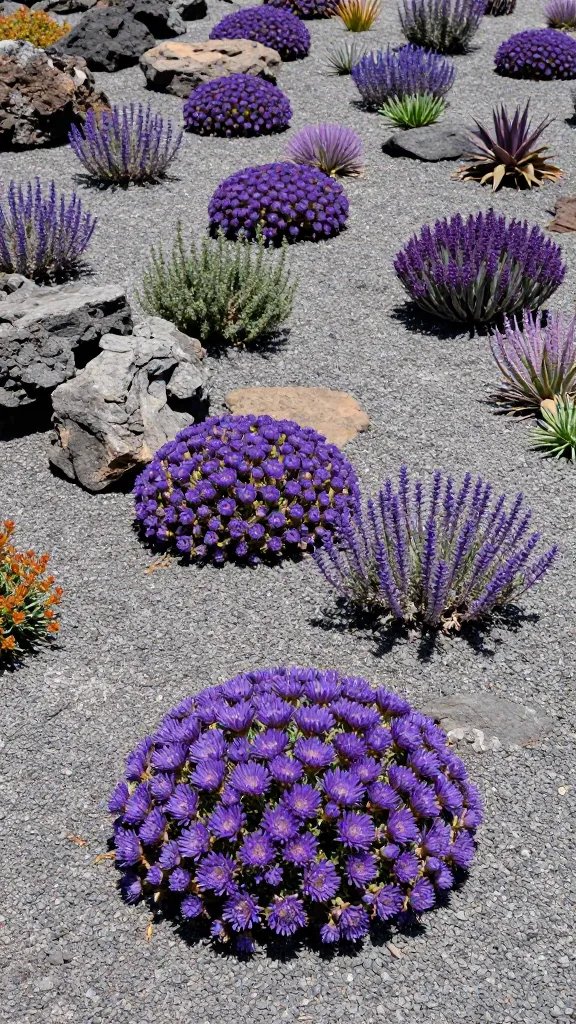
Design a water-wise rock garden packed with purple-flowering succulents and perennials. Include purple ice plant, creeping thyme, and purple sage among volcanic rock and gravel. Use mulch to keep moisture in and weeds down.
Best For: Hot, arid climates or spaces with limited watering. Care Notes: Occasional pruning to keep plants compact; plan for seasonal color bursts as different species peak at different times.
For the minimalist gardener who still craves color, this is a surprisingly lush look with tiny maintenance.
11. Fragrant Purple Corner by Seating Area
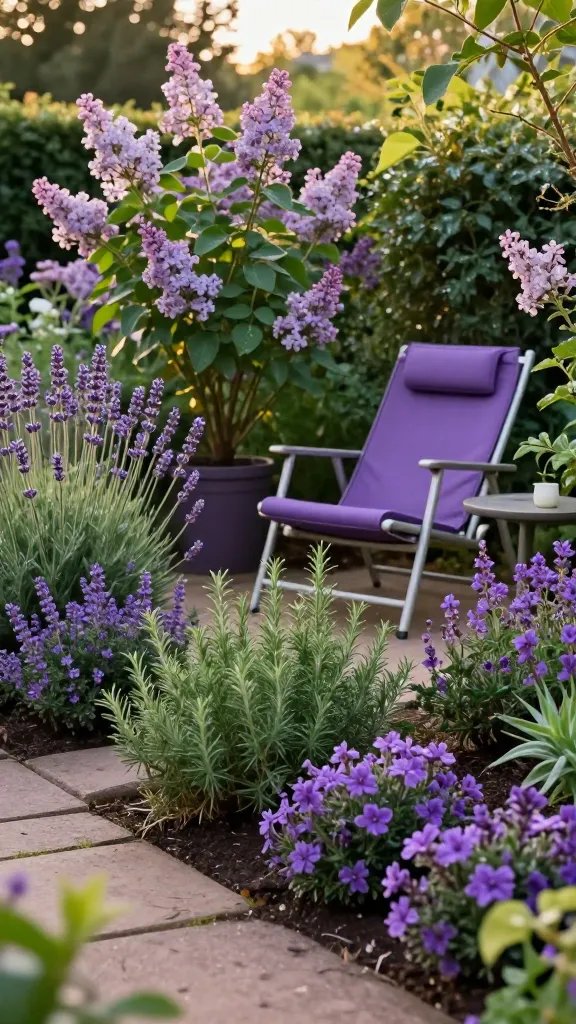
Create a scented purple pocket near a outdoor seating area. Lavender, lilac, and purple-flowered thyme release soothing aromas as you unwind. Add soft groundcover like creeping rosemary and purple stonecrop for texture and fragrance from every angle.
Why It Works: Scent boosts the whole experience, turning a garden corner into an invitation. Best For: Quiet mornings or sunset chats. Care Tips: Prune lavender after bloom to maintain shape and avoid woody stems.
This idea is for readers who believe a garden should be a sensory escape, not just a visual one.
12. Small-Space Purple Retreat with Narrow Bed Design
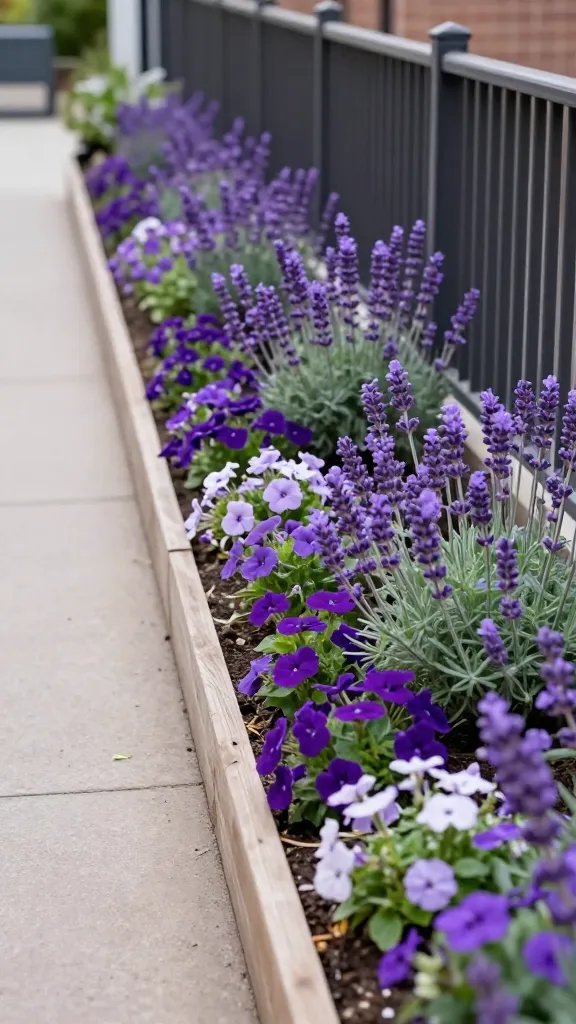
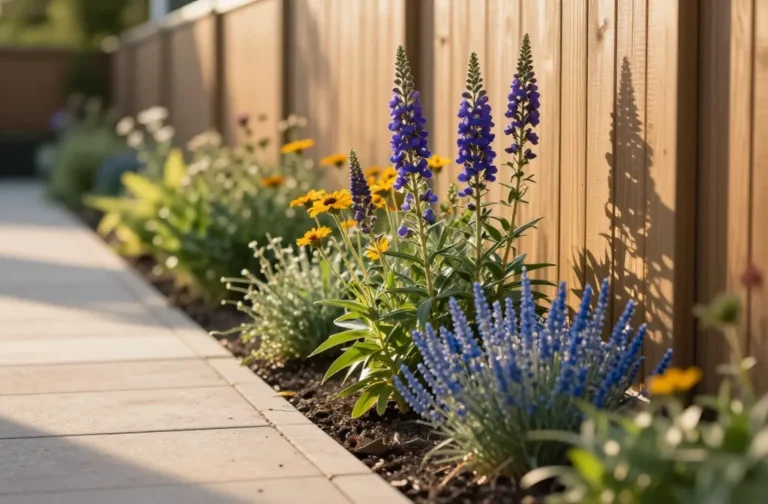
If your yard is compact, design a narrow, long bed that runs along a fence or wall, packed with purples that repeat along the length. Use a mix of dwarf lavender, purple sage, and short verbenas, keeping a clear sightline and a tidy edge for a polished look.
Best For: Urban lots or narrow side yards. Design Tips: Use a single repeating height and bloom color to maximize impact in a small footprint; install a low wooden edging to keep lines clean.
For urban gardeners who want a strong impact without crowding the space, this is a perfect blueprint.
Conclusion
Purple has a way of feeling both intimate and expansive, depending on how you plant it. Pick one idea that matches your space, budget, and how much maintenance you want, then watch your garden bloom with confidence. Which idea are you most excited to try this season? Trust me, your future self will thank you for taking the plunge into purple.