15 Best Small Flowering Trees for Your Yard: Petite Picks
If you crave elegance on a compact footprint, this list is your perfect match. Each pick brings bloom, texture, and a little drama without swallowing space. Ready to reimagine your yard with statements that don’t overpower the rest of your garden?
Let’s dive into 15 distinct ideas that prove size isn’t the enemy of impact. From delicate canopies to color bursts at the fence line, there’s something here for every sunny nook and every budget.
1. Dwarf Crape Myrtle for a Colorful, Low-Profile Show
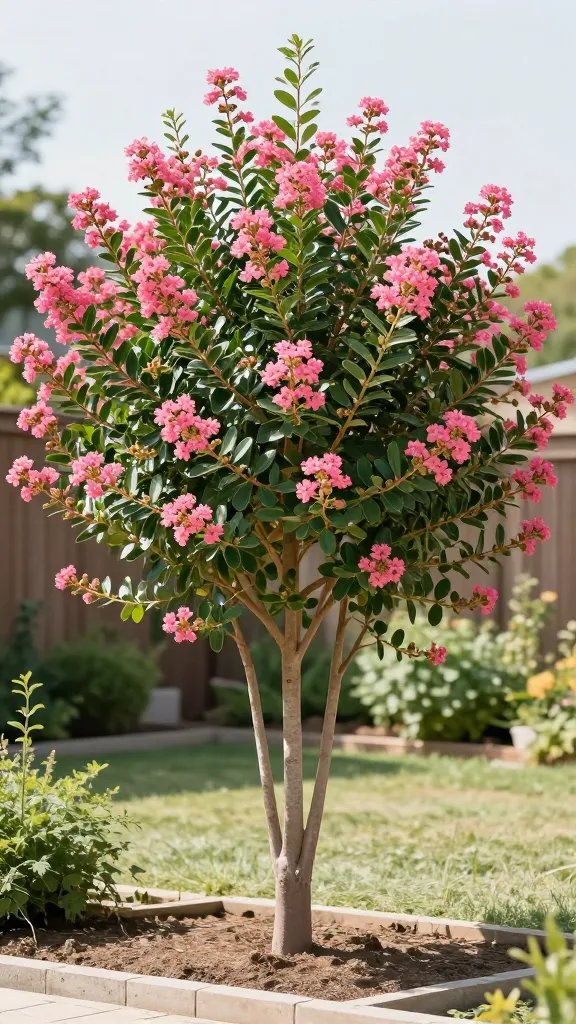
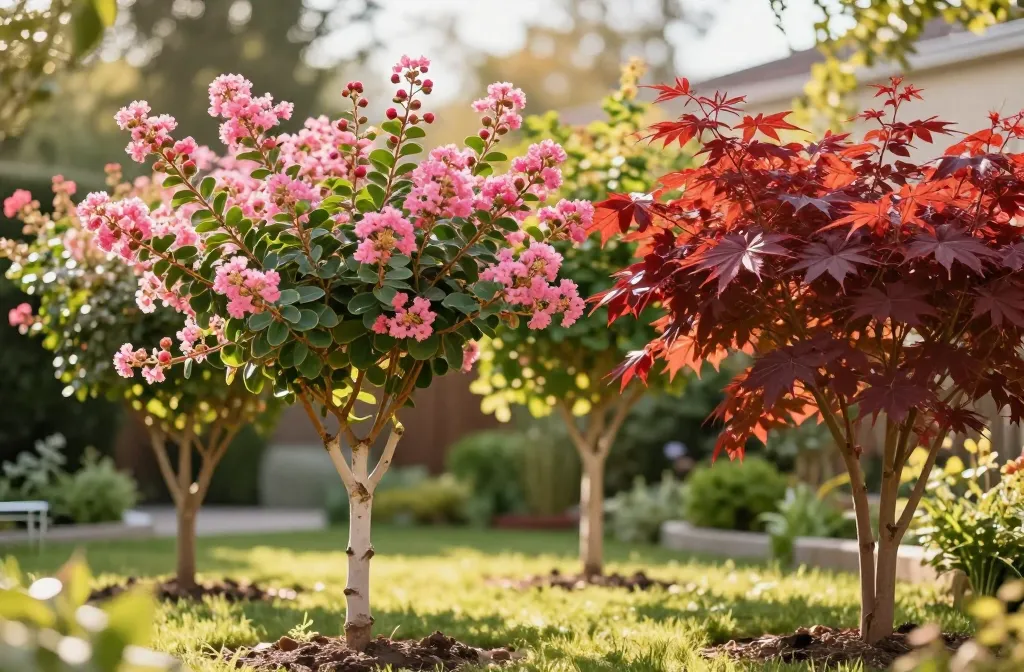
Picture a compact tree with summer-long blossoms and a silhouette that stays tidy year-round. The dwarf crape myrtle tops out around 6–8 feet, depending on cultivar, and treats you to clusters of vibrant pink, red, or white flowers. Its smooth bark and graceful, multi-stem habit add winter interest too.
Why It Works
- Long bloom window with minimal pruning needed beyond shaping.
- Heat-tolerant and drought-tolerant once established.
Care Notes
Choose a sunny spot, give it well-drained soil, and water deeply during the first growing season. Fall color can be an extra perk on some cultivars. This one is perfect for small front yards or near a patio where summer color is guaranteed.
Perfect for gardeners who want bright, reliable color without a large tree’s commitment.
2. Japanese Bloodgood Dwarf Maple: Red Foliage and Gentle Shade
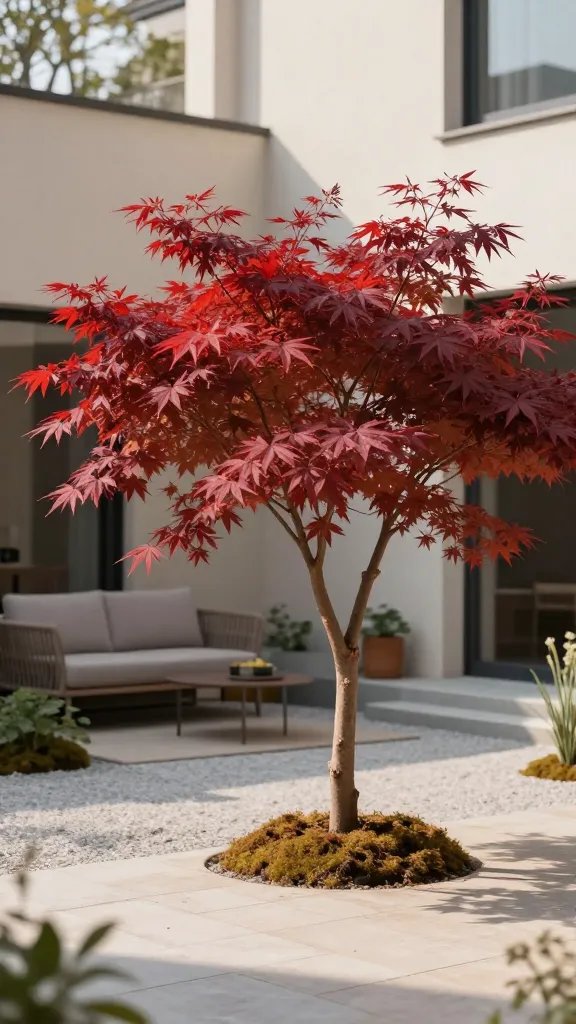
This is the tree that makes a yard feel like a serene postcard. The dwarf Japanese maple stays compact and pops with ruby-red foliage in spring and a rich burgundy tone by fall. The delicate, lacy leaves frame light and create shade without being heavy.
Best For
Small lawns, entryways, or courtyard gardens where you want a dramatic focal point without towering overhead talk-back energy.
Design Tips
- Plant in a spot with dappled sun to keep leaf color rich but avoid hot afternoon sun that can scorch edges.
- Pair with a mossy ground cover or a light gravel bed for a contemplative vibe.
Ideal for those who adore refined color shifts and a touch of elegance in a quiet corner.
3. Littleleaf Linden: Subtle Fragrance and Soft Canopy
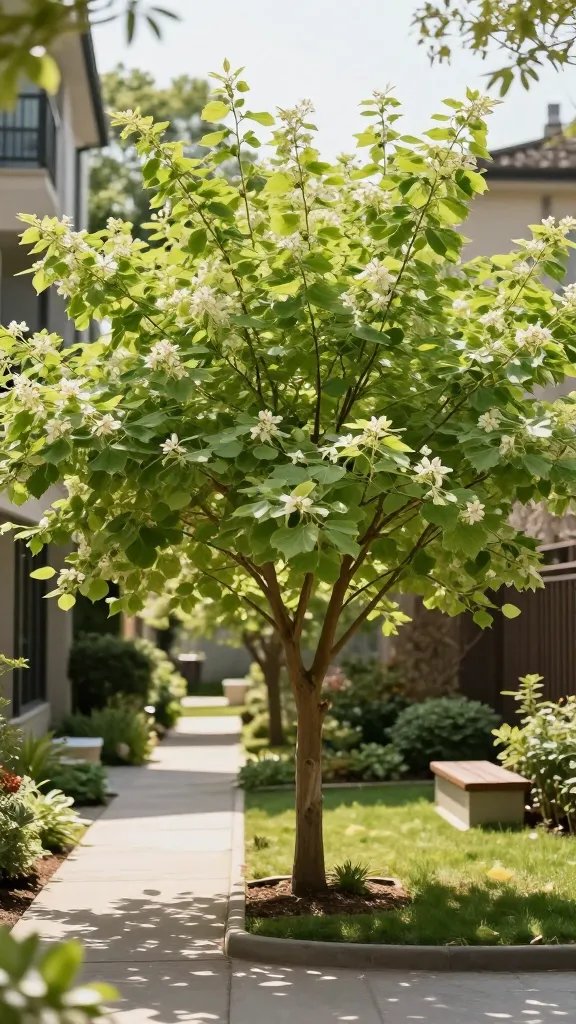
Littleleaf linden offers a gentle, compact canopy and a sweet, citrusy bloom that whispers rather than shouts. It’s a comfortable tree for sidewalks or narrow lots, growing to a modest height and width with time.
Why It Works
- Dense, refined foliage provides pleasant shade without overpowering a small yard.
- Flowers lightly in late spring; fragrance is a welcome bonus for paths and entryways.
Care Notes
Plant in full sun to part shade with consistent moisture, especially in warm climates. This tree rewards you with year-round structure and a gentle presence.
Great for gardeners chasing quiet greenery with a hint of blossom and scent.
4. Crape Myrtle ‘Pocomoke’ Compact Version for a Soft, Peony-like Bloom
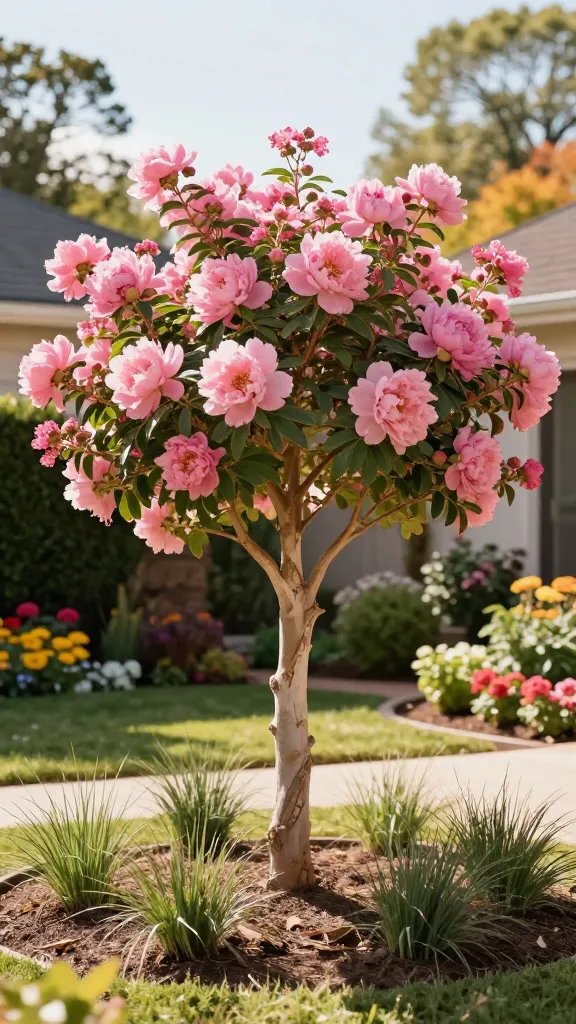
Another crape myrtle option, but this one stays small and carries dense clusters that resemble peonies in bloom. Its smooth bark and attractive fall color make it a year-round delight, especially in a sunny, protected corner.
Best For
Front yards or courtyard pockets where you want a bright seasonal display without a towering tree taking center stage.
Care Tips
- Prefer well-drained soil and full sun for the best color and bloom.
- Annual light pruning after bloom will shape and maintain compactness.
If you love bold, bright blooms and manageable size, this one is a winner.
5. Redbud, ‘Forest Pansy’ Mini: Rosy Spring Payoff
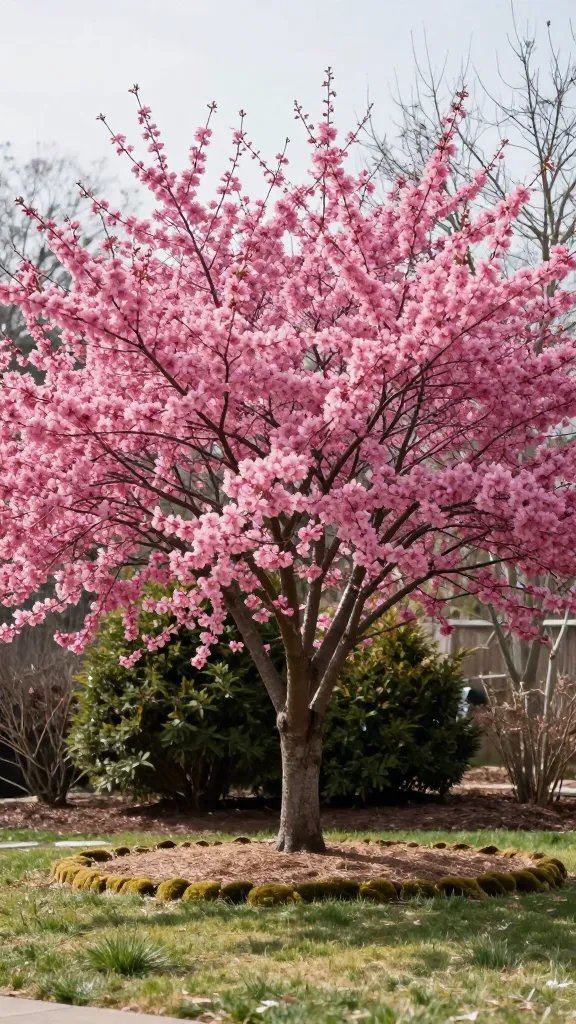
The miniature redbud delivers a high-impact spring show with pink-to-magenta blossoms along the branches before the leaves unfurl. It forms a delicate, arching canopy that you notice from across the yard without needing a lot of space.
Why It Works
- Early-season color that anchors a spring palette with contrast against evergreens.
- Bare branches in winter still look graceful and interesting.
Care Notes
Choose a sheltered location with good drainage. Mulch to conserve moisture and protect shallow roots. Great for small lawns seeking a touch of woodland charm.
This is perfect for guests who love a spring moment that lingers in memory.
6. Ambarella Shrub Tree: Exotic Flair in a Small Space
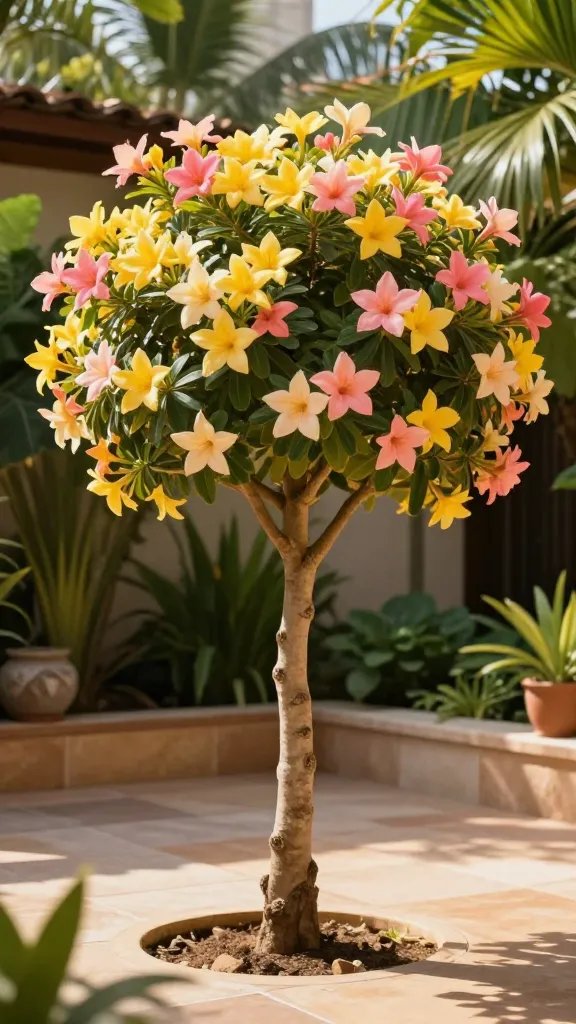
Ambarella brings unusual, star-shaped blossoms and a compact, vase-like habit. The tree-like shrub is often grown as a small specimen or trained as a single-trunk tree. Its blooms create a whimsical, tropical vibe without the upkeep of a full-grown tropical tree.
Best For
Tropical-inspired borders, courtyard corners, or a sunny patio where you want to evoke faraway places with minimal footprint.
Design Tips
- Plant in bright sun and protect from harsh afternoon heat in hotter climates.
- Pair with silver-toned foliage or low-growing grasses to highlight the blossoms.
Its unique look is worth it for a yard that craves something a little different.
7. Ornamental Peach: Tiny Fruits, Big Spring Spark
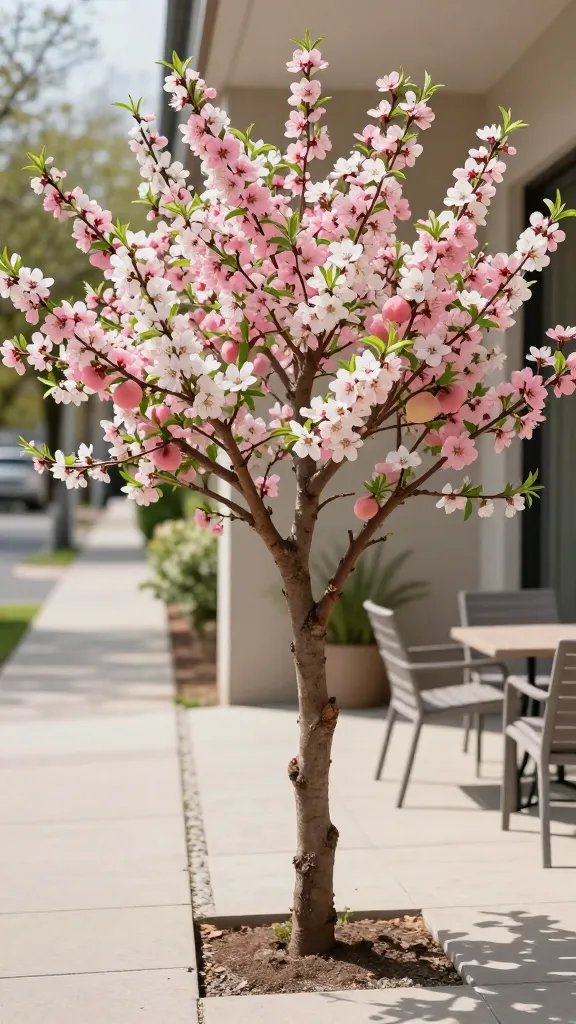
Ornamental peaches offer a two-season delight: fragrant blossoms in spring and small ornamental fruit that can set prettily on the branches. The tree remains compact, with a graceful form that flatters sidewalks or small patios.
Why It Works
- Fragrant blossoms fill the air, creating a sensory moment you’ll notice every spring.
- Even without heavy fruit set, the ornamental variety maintains visual interest year-round.
Care Notes
Choose a sunny location with well-drained soil. Prune lightly to maintain shape and remove any crossed branches for better air flow.
Ideal for those who want spring romance with a touch of edible nostalgia, even if the fruit isn’t the main show.
8. Thornless Honey Locust (Dwarf Form) for Delicate Dappled Shade
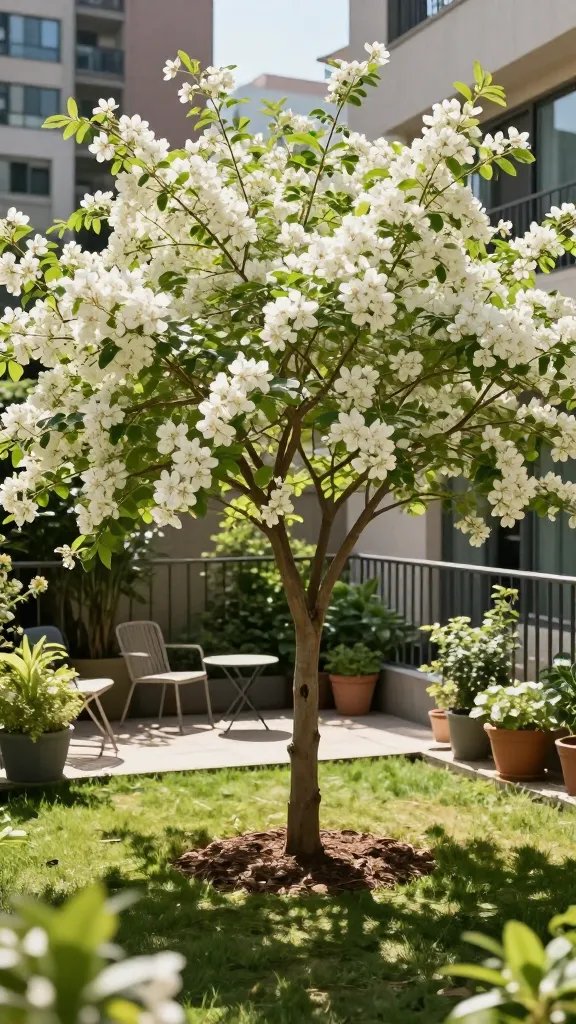
A dwarf form of a classic shade tree, this option offers a delicate, airy canopy with small, bright blossoms that sparkle in late spring. It provides filtered shade perfect for a small yard or balcony garden you want to feel lush without being overwhelmed.
Best For
Small backyards needing shade without heavy leaf drop or a cumbersome trunk decision.
Care Tips
Plant in a sunny spot with good soil, mulching to retain moisture. Regular light pruning keeps the crown neat.
For a sunlit sanctuary that isn’t a tree-shaped inconvenience, this is a clever pick.
9. Deutzia gracilis: Cascade of White Frills
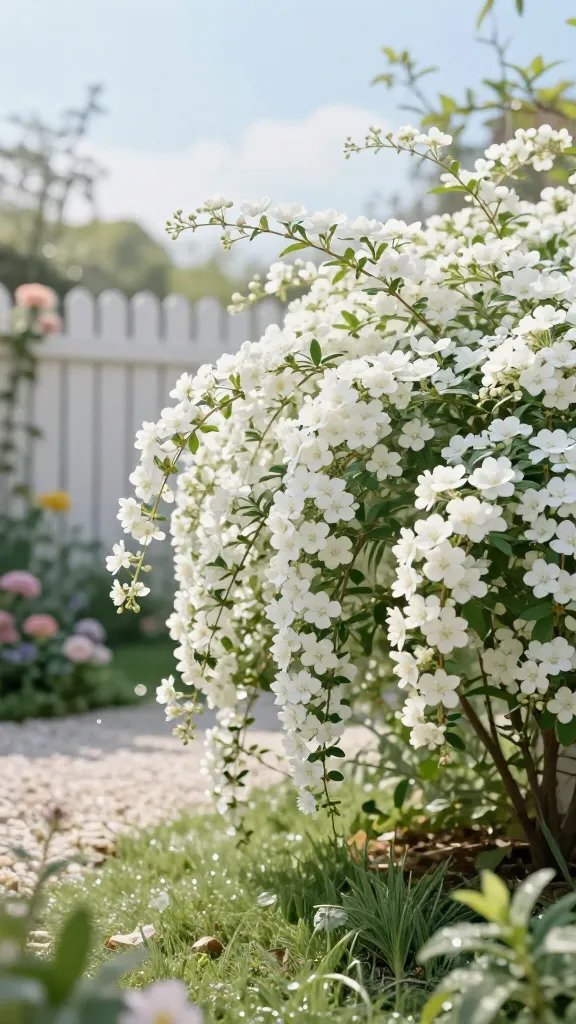
Deutzia is a charming spring bloomer known for its clusters of white blossoms along arching stems. The compact forms stay manageable and lend a dreamy, cottage-garden vibe to any small yard.
Why It Works
- Abundant, showy blooms that don’t demand much space.
- Low-maintenance and hardy in a range of climates.
Care Notes
Plant in full sun to light shade with evenly moist soil. Provide a bit of support for the arching stems in very windy locales.
Perfect for fans of romantic, airy florals who still want a tree-like presence.
10. Snow Fountain Viburnum: Blossoms on a Dwarf Frame
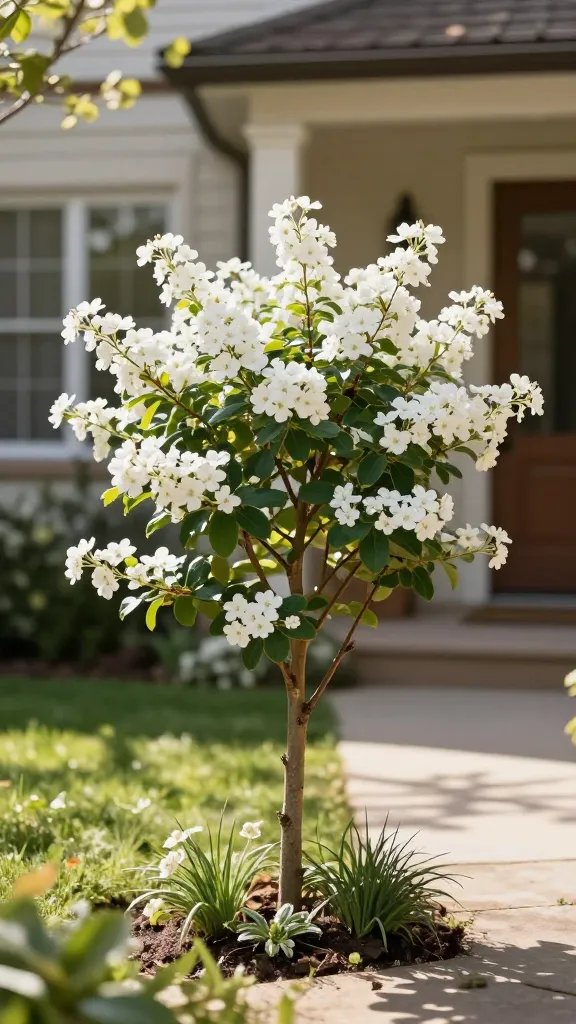
Snow Fountain Viburnum offers a compact tree-like form with spring blossoms that glow against dark foliage. It’s a versatile specimen for foundation planting or as a statement in a small yard corner.
Best For
Near entry paths or under windows where the white blossoms catch light and visitors’ eyes as they arrive.
Care Tips
- Prefers a site with morning sun and afternoon shade in hotter regions.
- Prune lightly after bloom to maintain shape and encourage branching.
If you want a reliable, elegant bloom with a modest frame, this one fits the bill.
11. Almond Tree, Dwarf Varieties: Soft Pink Haziness
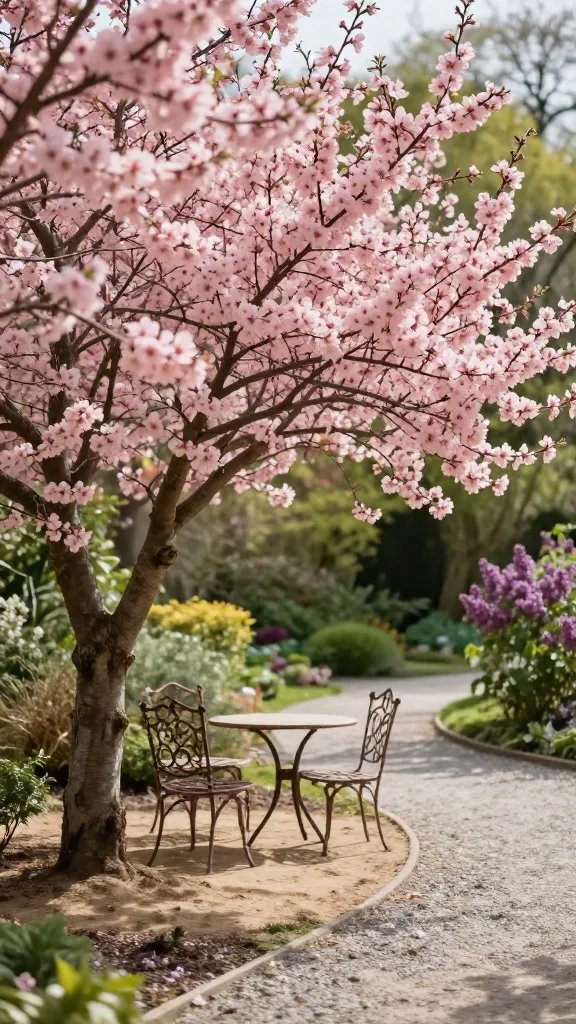
Small almond trees bring delicate pink blossoms that feel almost edible in the air. The dwarf selections stay compact while delivering a sweet, romantic aura, especially when placed beside a gravel path or a seating area.
Why It Works
- Early spring color with a soft, airy canopy.
- Edible nostalgia in a size-friendly package, even when fruiting is minimal.
Care Notes
Provide well-drained soil and sun with some shelter from fierce winds. Light pruning after bloom keeps form tidy.
Great for folks who want a touch of edible-history charm in a tidy yard.
12. Flowering Dogwood (Dwarf Form): Classic Beauty in a Petite Accent
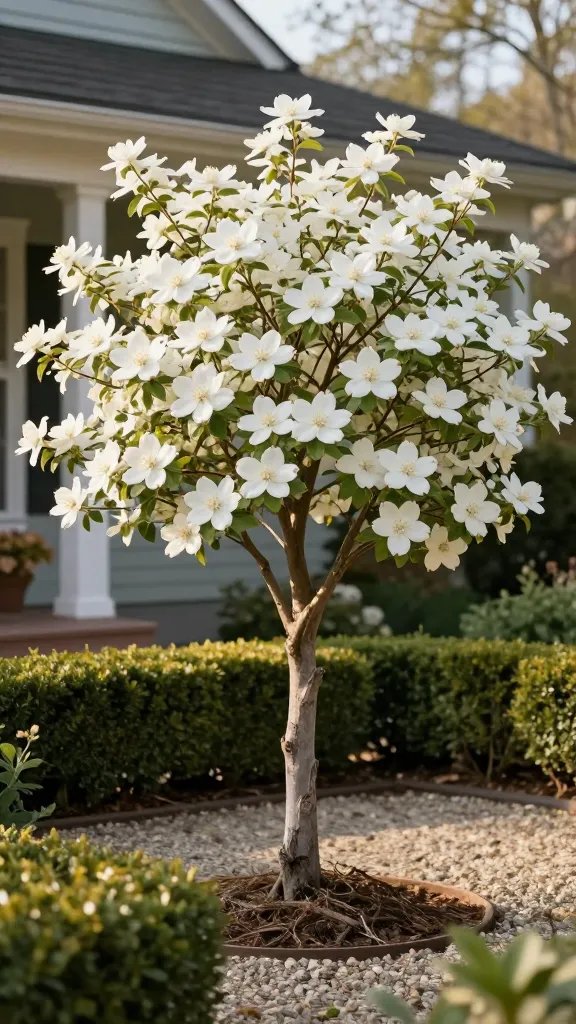
Flowering dogwood is a classic for a reason: blossoms in spring, striking four-petal flowers with contrasting bracts that look almost painted. The dwarf form keeps the tree from overwhelming smaller plots while still offering that signature Old-World charm.
Best For
Front gardens, small driveways, or near a porch where you want a seasonal spectacle and a graceful silhouette.
Care Tips
- Water consistently during establishment; avoid waterlogged soil.
- Mulch to protect shallow roots and maintain even soil temperature.
For lovers of timeless beauty with a manageable footprint, this is a dependable pick.
13. Firethorn (Pyracantha) Dwarf Tree Form: Bright Berries, Bright Cheer
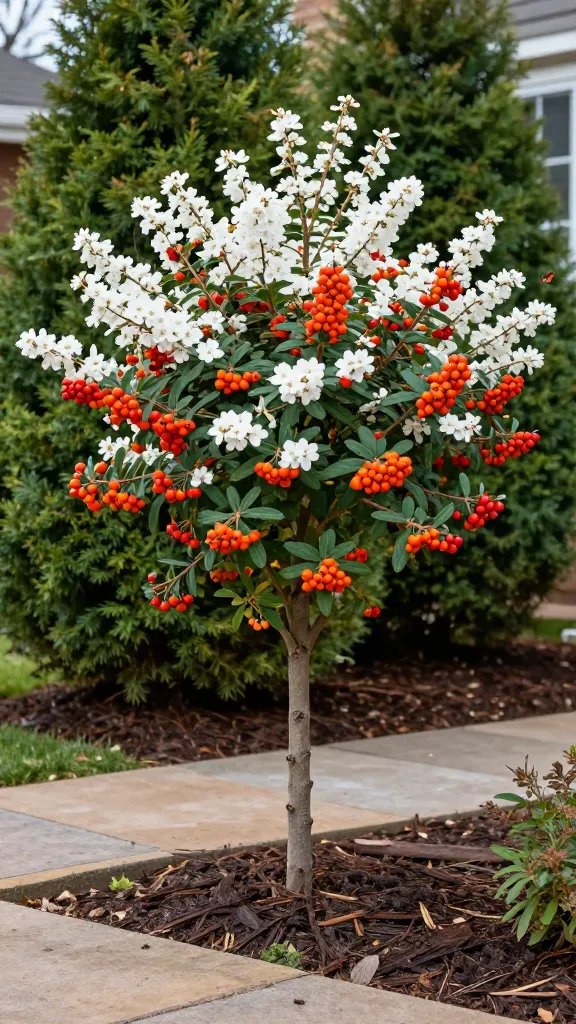
A dwarf version of firethorn offers spring blossoms followed by brilliant orange to red berries that persist into winter. It’s more shrub than tree, but trained into a small tree-like form, it brings color through multiple seasons and acts as a natural wildlife magnet.
Why It Works
- Winter interest with glossy berries that pop against evergreens.
- Insect and bird-friendly, especially in late fall and winter.
Care Notes
Provide pruning to maintain an upright, tree-like shape. Plant where fruiting branches will not cause damage to structures or walkways from dropped berries.
Perfect for a splash of color and life during the gray months, without needing a full-scale tree.
14. Serviceberry (Amelanchier) Miniature: Early Bird Blooms and Edible Treats
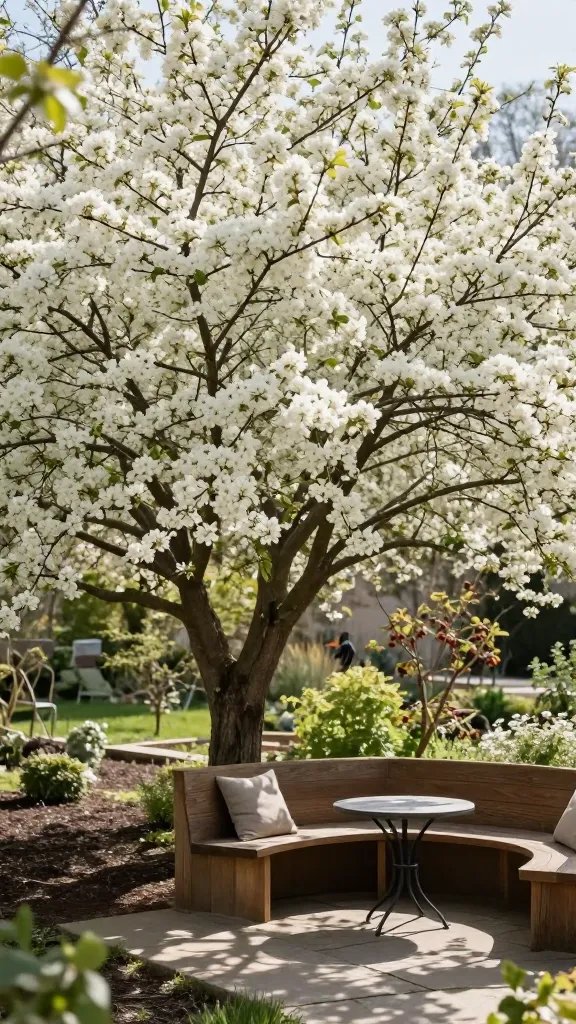
The miniature serviceberry delivers white blossoms in early spring, followed by small berries that birds adore and humans can enjoy too. The small form suits narrow spaces and brings a gentle, woodland ambiance to a yard corner.
Best For
Near a seating area where spring fragrance and a hint of fruit add to outdoor meals or coffee breaks.
Care Notes
- Thin competing branches after flowering to keep the center open and airy.
- Water deeply in dry spells; soil should be well-drained.
Worth it for those who savor spring blossoms paired with a touch of edible payoff.
15. Smokebush (Cotinus coggygria) ‘Royal Purple’ Dwarf Form: Smoky Foliage with a Tiny Floral Touch
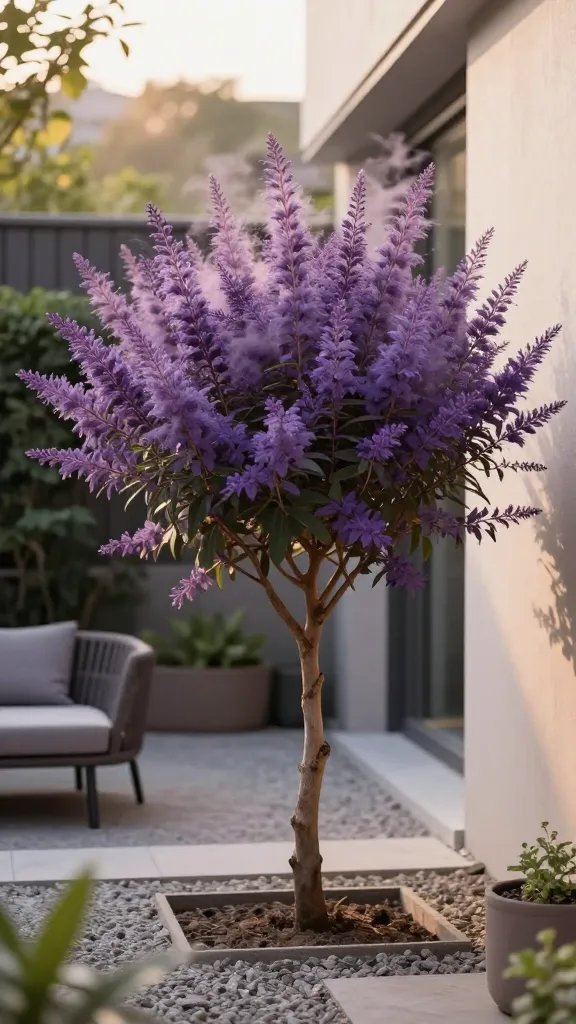
Yes, it’s technically a shrub, but trained as a small tree, the dwarf smokebush presents dramatic, purple leaves and a soft, smoky bloom plume later in the season. It adds color drama even when not in bloom and catches the eye with its unique texture.
Why It Works
- Year-round color from foliage, with a magical bloom in late summer or early fall depending on climate.
- Compact habit that works in a courtyard, along a fence line, or near a sunny wall.
Care Notes
Plant in full sun for the best coloration. Prune to shape after flowering to maintain a tidy silhouette.
For gardeners who want a bold, architectural statement with a hint of whimsy, this is your pick.
Conclusion
Small flowering trees can transform a yard with big personality. Each option above offers a distinct mood—from the refined drama of dwarf maples to the cottage-garden charm of deutzia and beyond. Which one will you try first? Start with a sunny corner you visit often, and let the blossoms guide your next garden move.
Now is the perfect time to test a single selection or mix two complementary ideas. You don’t need a big space to make a big impression—these 15 ideas prove that.