12 Creative Raised Garden Bed Ideas That Wow Your Yard
Raised beds are the ultimate garden upgrade: tidy, productive, and gorgeous. They warm up faster in spring, keep weeds at bay, and make everything easier on your back. But the real magic?
You can make them look like anything from a chic courtyard feature to a cottage-core dream. These ideas prove raised beds can be practical and seriously good-looking.
Ready to turn your yard into a mini Eden? Pick one, mix a few, or go for the full glow-up. Let’s dig in.
1. Corten Steel Troughs with Soft Grasses
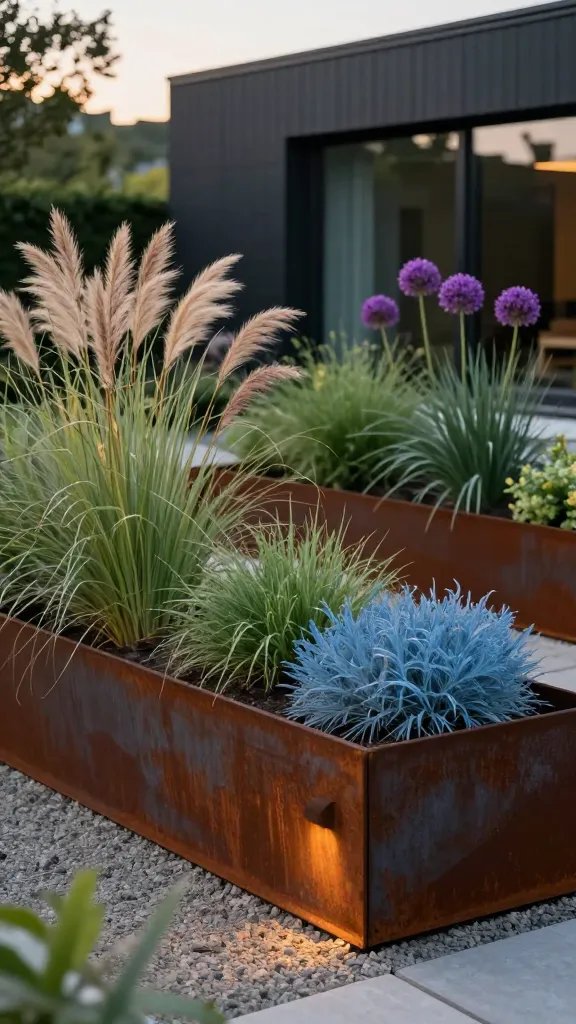
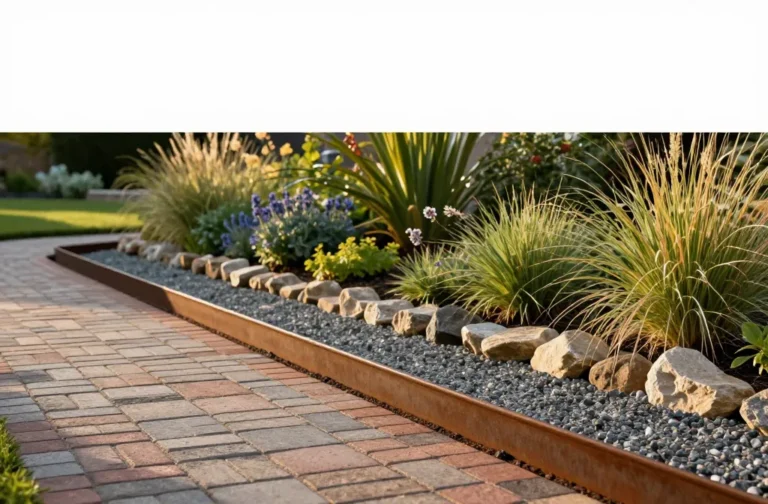
Imagine rust-kissed metal frames with feathery grasses swaying in the breeze. Corten steel develops a warm patina that pairs beautifully with green textures and modern architecture. It’s the raised bed equivalent of a leather jacket—timeless and a little edgy.
Fill with fountain grass, blue fescue, and switchgrass for movement and winter interest. Add a few alliums for spring blooms that look like floating orbs. The tall, clean edges of the steel keep everything crisp while the plants soften the look.
Why It Works
- The steel acts as a visual anchor and heats the soil for faster growth.
- Grasses add texture, require minimal maintenance, and look great year-round.
Perfect for anyone who loves modern, low-fuss landscaping with big style points.
2. Modular Cedar Boxes with Built-In Bench Corners
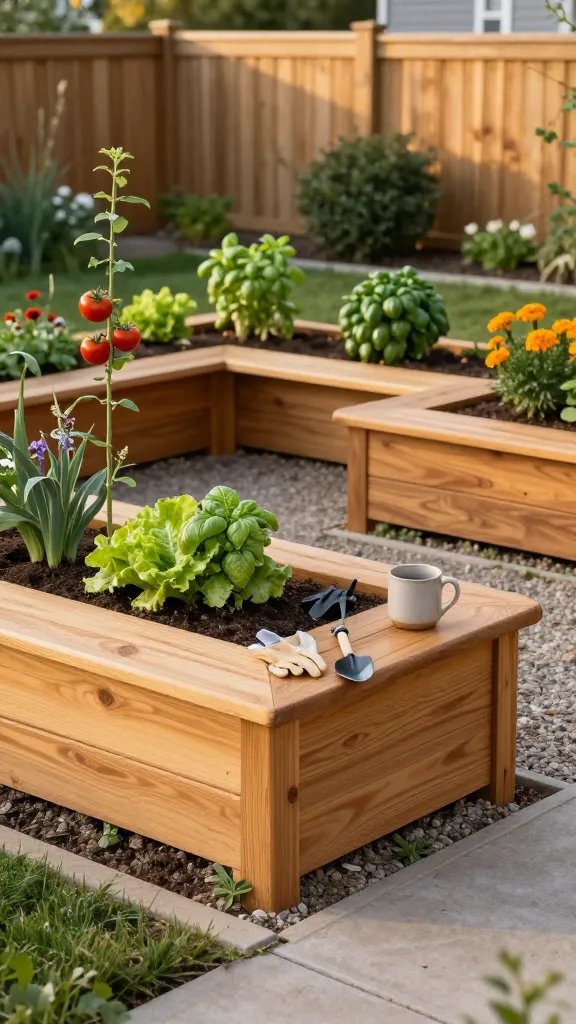
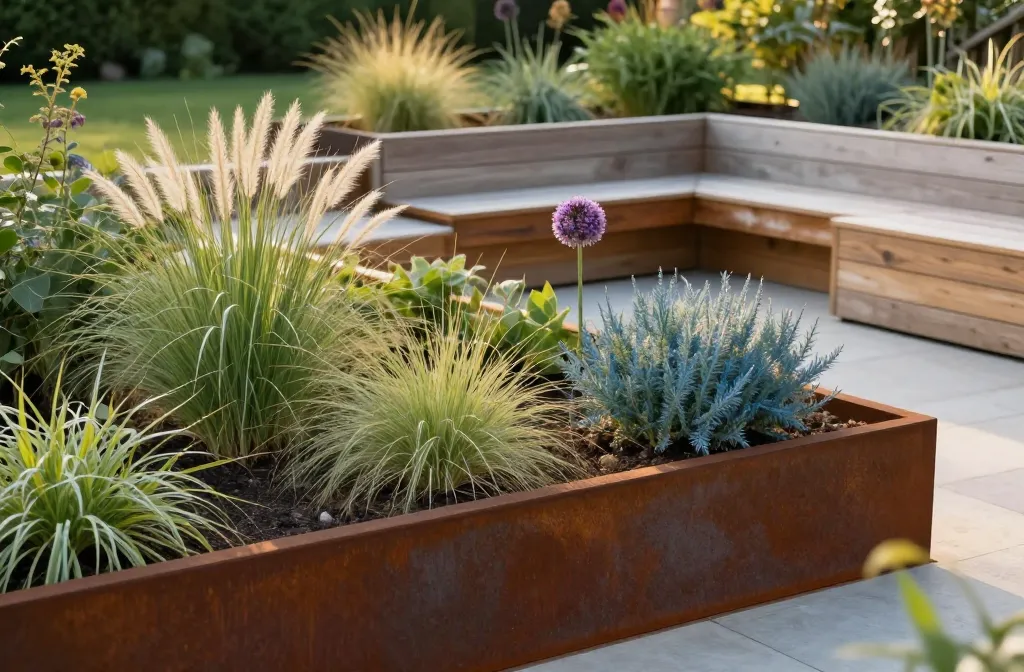
Think raised beds that double as hangout spots. Modular cedar boxes arranged in L- or U-shapes can include short benches at the corners for coffee-sipping and tomato-watching. It’s practical and cozy—your garden becomes a destination, not just a chore zone.
Use untreated cedar for longevity and natural rot resistance. Keep the beds narrow enough to reach the center from either side—about 3 to 4 feet wide. Add corner bench caps that overlap slightly for extra comfort and visual polish.
Design Tips
- Alternate bed heights (12 and 24 inches) for a layered look and easy access.
- Stain lightly or let the wood gray naturally for a farmhouse vibe.
Perfect for small yards where form, function, and a seat for your iced tea matter.
3. Paint-Dipped Pallet Beds for a Budget Pop
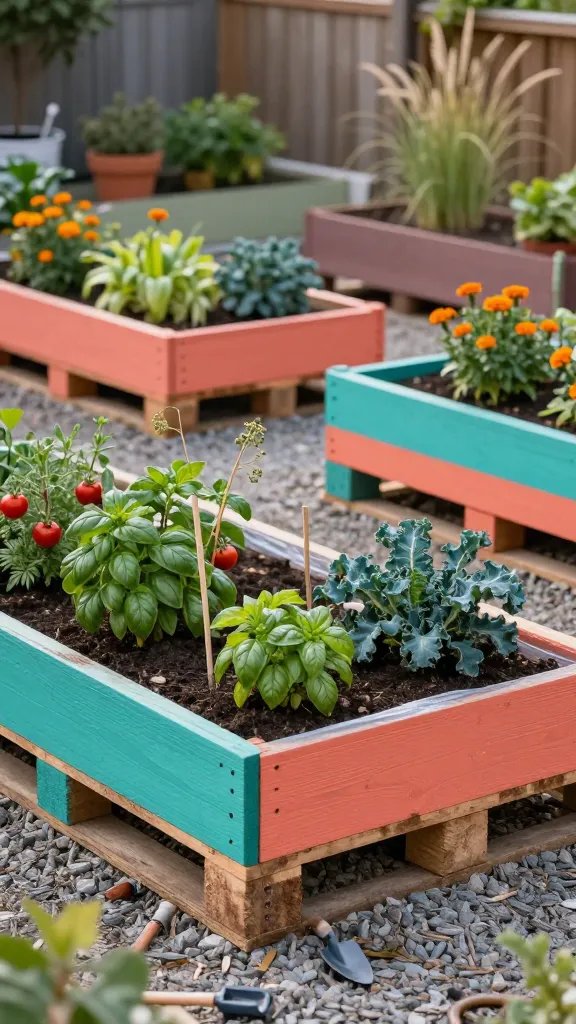
On a budget but still want cute? Reclaimed pallets become raised beds with a little elbow grease and a splash of color. The paint-dipped look—just the top few inches—adds a playful stripe that ties your beds together without feeling matchy-matchy.
Line the inside with landscape fabric or plastic sheeting (with drainage holes) to prolong the wood’s life. Use bold colors like teal or coral if you want summer energy, or muted sage and clay for an earthy palette.
Best For
- Quick weekend projects and rental-friendly gardens.
- Edibles like lettuce, herbs, and radishes with shallow roots.
Perfect for creative gardeners who love color and keep an eye on the budget.
4. Keyhole Composting Bed for Zero-Waste Growing
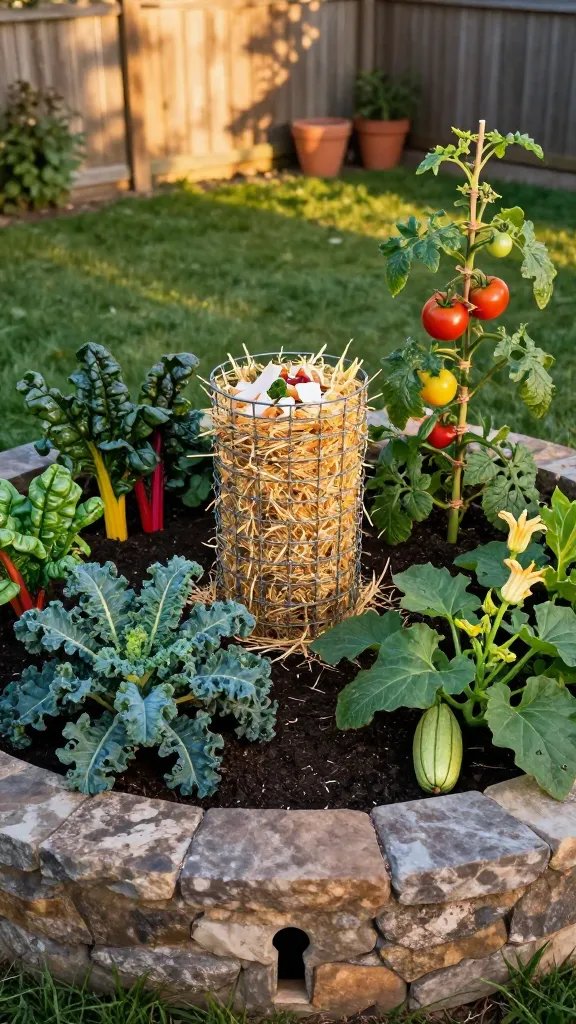
This circular raised bed features a small “keyhole” path into the center where a compost basket lives. You feed the basket with kitchen scraps, and the nutrients slowly seep out to the surrounding plants. It’s like a self-fertilizing garden with a secret portal.
Build with stone, brick, or wood. Place a tall wire cylinder in the middle lined with straw for aeration. Plant heavy feeders like kale, Swiss chard, tomatoes, and zucchini.
Why It Works
- Reduces food waste and watering needs.
- The circular form is beautiful and efficient.
Perfect for sustainability-minded gardeners who love clever systems.
5. Herb Spiral Raised Bed That Doubles as Sculpture
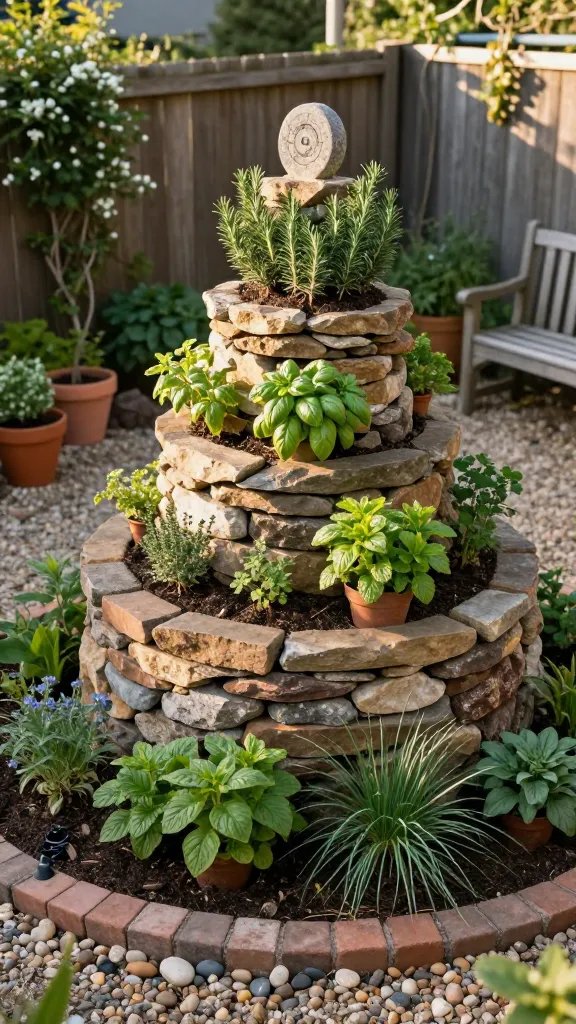
Herb spirals pack tons of flavor into a small footprint using a winding, spiraled wall that climbs from low to high. Different levels create microclimates—dry and sunny up top, moist and shady near the base—so you can grow a full spice cabinet in one bed.
Build with stacked stone or brick, about 3 feet tall at the highest point. Plant rosemary and thyme near the top, basil and parsley in the middle, and mint (contained!) or chives near the bottom.
Design Tips
- Face the high point south for heat-loving herbs.
- Add a mini pond or dish at the base for a wildlife-friendly touch.
Perfect for cooks who want beauty and flavor in arm’s reach.
6. Brick-Edged Rose and Lavender Parterre
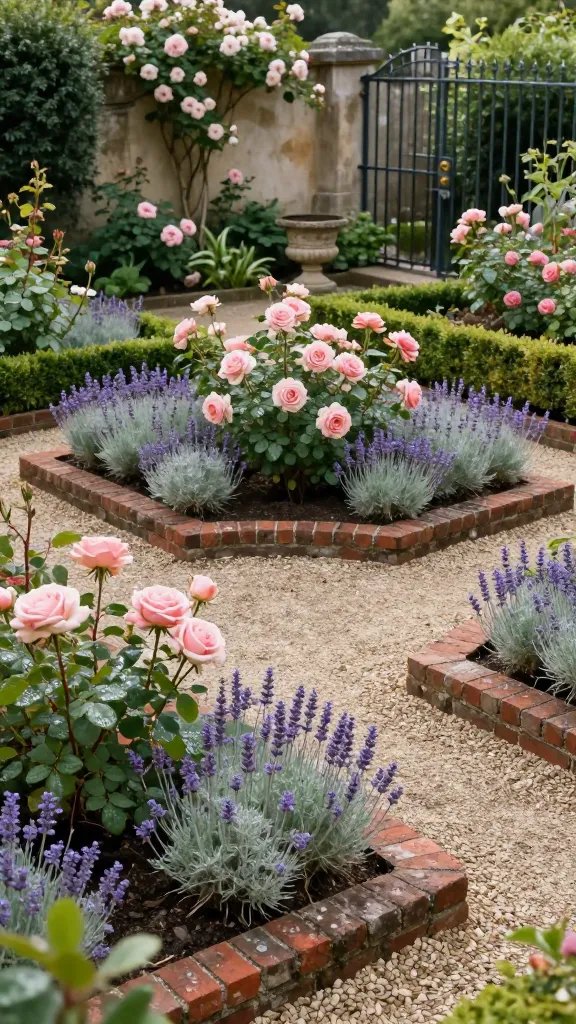
Channel a mini formal garden with geometric raised beds edged in brick. Straight paths, symmetrical shapes, and fragrant plants create a courtyard feel that never goes out of style. It’s elegant without being fussy.
Fill each bed with a mix of English roses, lavender, catmint, and low boxwood or germander edging. Keep the soil well-drained—roses hate soggy feet—and mulch with fine gravel for a classic look.
Care Notes
- Deadhead roses for repeat blooms; shear lavender lightly after flowering.
- Install drip lines for clean foliage and fewer fungal issues.
Perfect for romantics who want fragrance, structure, and a little garden theatre.
7. Stock Tank Veggie Beds with Trellis Arches
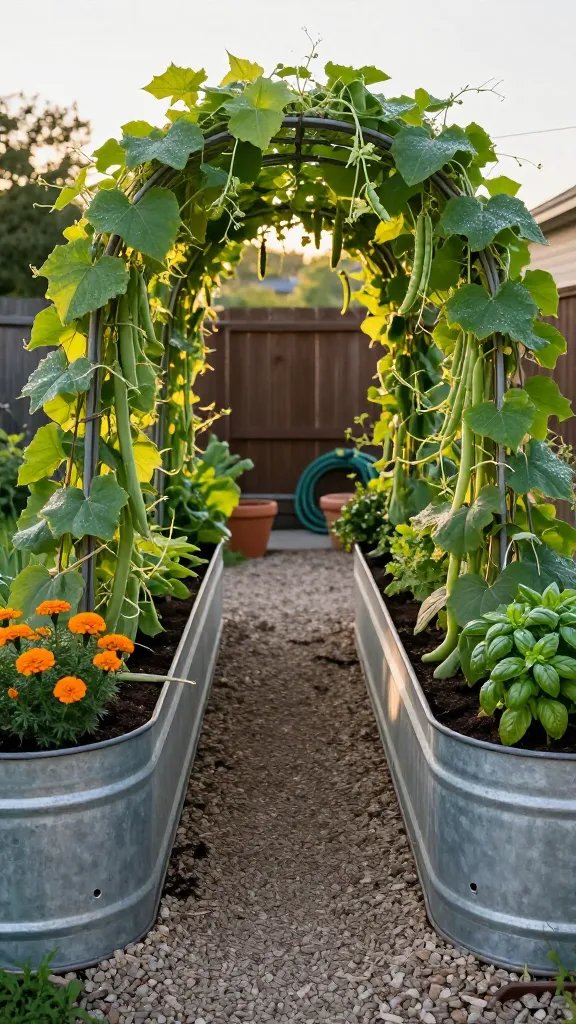
Galvanized stock tanks make instant raised beds—no tools, no fuss. Add arched cattle panel trellises between them for a tunnel of vines that feels like a secret garden every time you walk through.
Drill several drainage holes in the bottoms. Plant cucumbers, pole beans, or snap peas to climb the arches, and tuck marigolds and basil around the edges. The metal warms the soil nicely in spring.
Why It Works
- Fast setup and long-lasting materials.
- Vertical growing boosts yields in tight spaces.
Perfect for anyone who wants the wow factor with minimal building.
8. Stone-Wrapped Alpine Bed with Rock Garden Gems
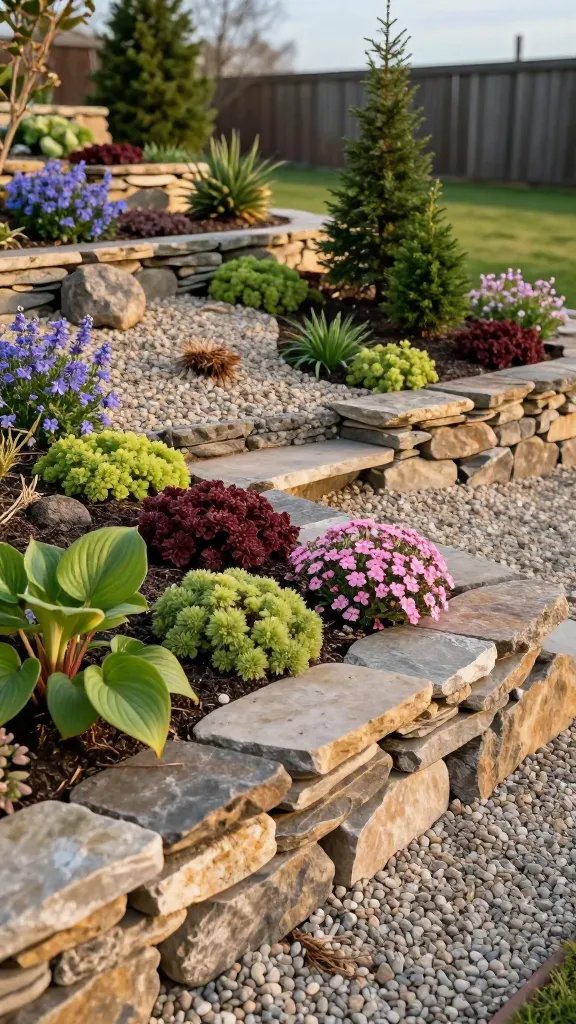
Give low-growing plants the stage they deserve with a stone-walled raised bed filled with gritty, well-drained soil. The look is wild-meets-curated, like a tiny mountain slope in your backyard.
Plant sedums, campanula, lewisia, arum, and dwarf conifers. Add tucking stones and gravel mulch to showcase rosettes and keep crowns dry. Vary heights and textures so each plant gets its own spotlight.
Best For
- Sunny sites and gardeners who love unusual, sculptural plants.
- Low-maintenance beauty that shines year-round.
Perfect for collectors and anyone bored of the same old shrubs.
9. Wicking Bed for Lazy Watering (No Judgment)
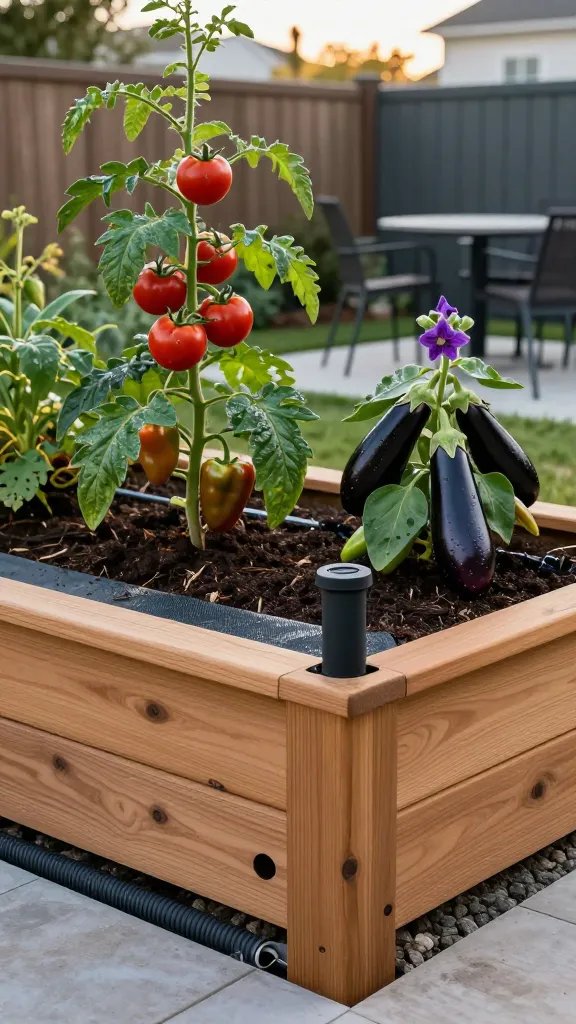
If you forget to water, a wicking bed is your new best friend. It’s a raised bed with a hidden water reservoir at the bottom that plants sip from as needed. Less evaporation, fewer guilt trips.
Build a watertight base lined with pond liner, add an overflow hole, and fill the bottom with gravel and a perforated pipe. Separate with geotextile fabric and add soil on top. Grow tomatoes, peppers, and eggplant that love consistent moisture.
Design Tips
- Use a fill tube at the corner so you can top up the reservoir easily.
- Mulch heavily to maximize the water-saving magic.
Perfect for busy gardeners and hot climates where watering is a daily chore.
10. Shade-Loving Woodland Bed Under a Pergola
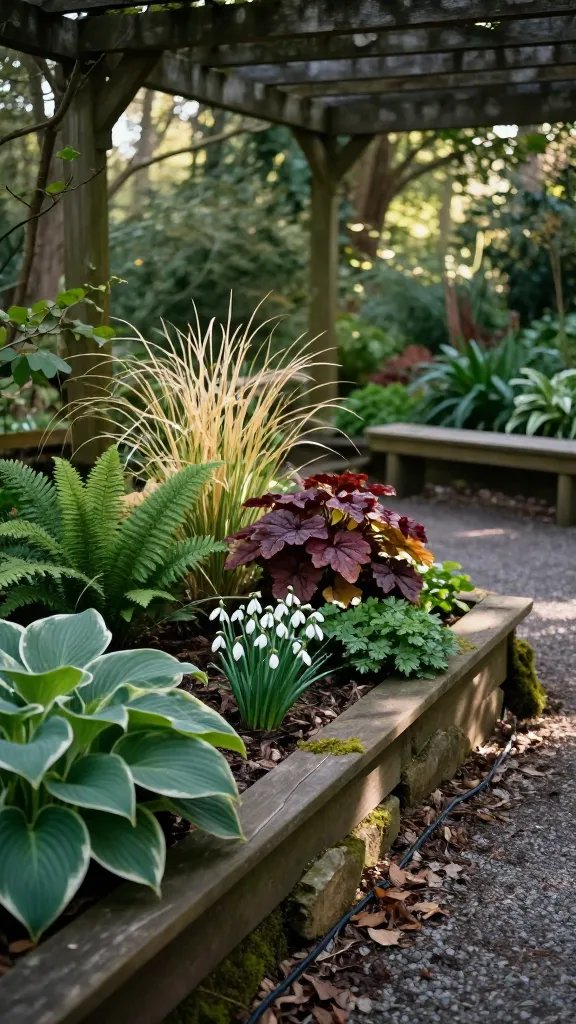
Who says raised beds need full sun? Tuck a shaded bed beneath a pergola or mature tree and lean into the woodland mood. Think lush textures, dappled light, and a bench nearby for quiet mornings.
Plant hostas, heuchera, Japanese forest grass, ferns, and spring bulbs like snowdrops and wood anemones. Use dark-stained wood or natural stone to blend with the shady vibe.
Care Notes
- Amend with leaf mold or compost to mimic forest soil.
- Drip irrigation helps in dry shade under trees.
Perfect for gardeners with partial shade who want serene, layered beauty.
11. Pollinator Party Bed with Succession Blooms
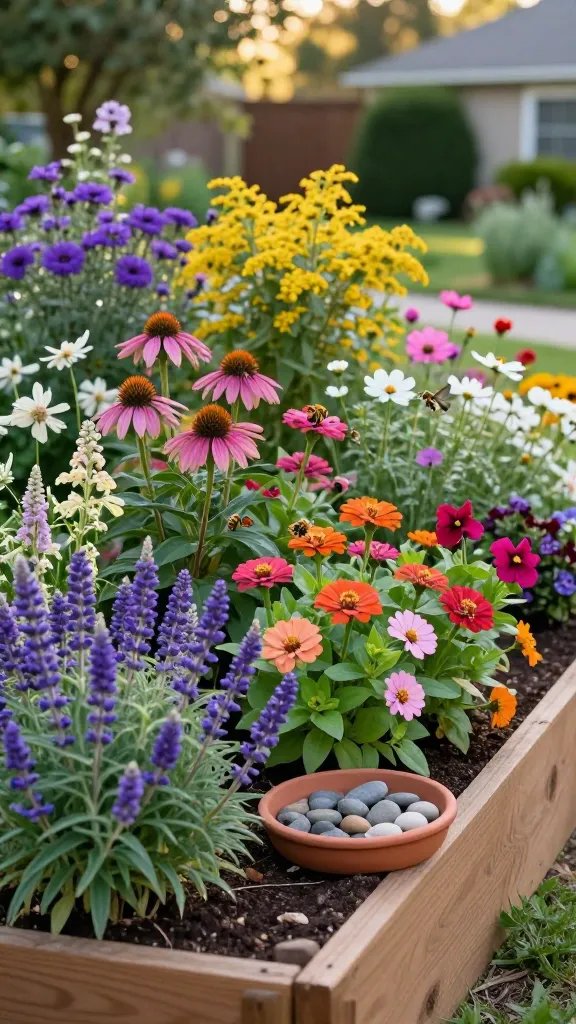
Create a raised bed that feeds bees, butterflies, and you—visually, at least—from spring to frost. The key is overlapping bloom times and varied flower shapes for different pollinators.
Start with early salvia and larkspur, segue into summer echinacea, cosmos, and zinnias, and finish with fall asters and goldenrod. Add a shallow water dish with pebbles and avoid pesticides.
Why It Works
- Continuous nectar flow keeps pollinators returning.
- Raised structure makes cut-flower harvesting a breeze.
Perfect for wildlife lovers and color addicts alike, FYI.
12. Grid-Style Square-Foot Bed for Maximum Harvests
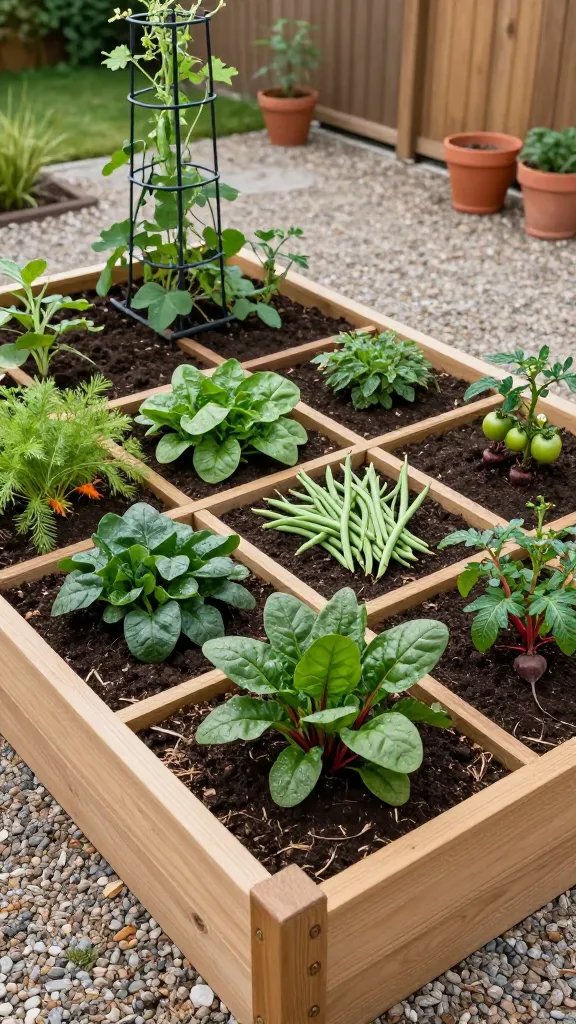
If you love order and massive yields from small spaces, go square-foot. Divide a raised bed into a visible grid—12-inch squares—so every plant has a precise home and you never overplant. It’s strangely satisfying.
Use a 4×8-foot bed and create a grid with wood lath or twine. Fill with a rich, fluffy mix and rotate crops by square: carrots, spinach, bush beans, beets, and compact tomatoes. Add a simple trellis at the north side for vertical crops.
Design Tips
- Record what you plant in each square to plan rotations and successions.
- Stagger plantings every 2–3 weeks for continuous harvests.
Perfect for detail-loving gardeners who want big results from tiny footprints.
Ready to raise your game? Pick one idea that fits your space and style, then build from there. The best gardens grow from a simple start and a little curiosity. Try a bed this weekend—you’ll be harvesting bragging rights (and basil) in no time, IMO.