12 Clever Rabbit Fence Ideas for Your Garden
Short on time but full of ideas? You’re in the right spot. These clever rabbit fence concepts mix function with charm, so your garden looks great and rabbits stay out of the salad bar.
Let’s dive into designs that work, from romantic chokers of greenery to practical, budget-friendly barriers. Which one fits your yard vibe best?
1. Low-Profile Wire Mesh Hideaway Wall
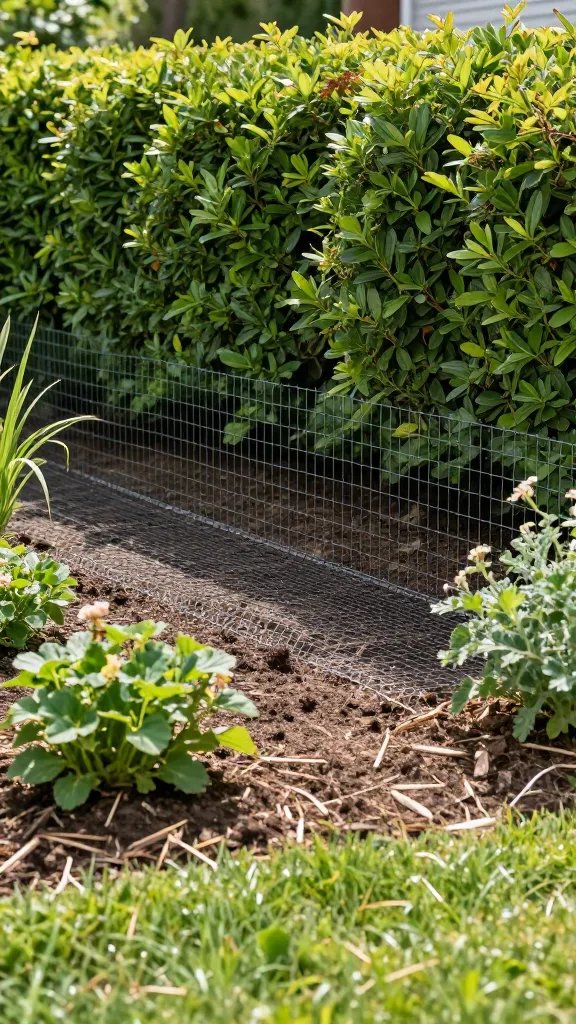
Create a nearly invisible defense by using a shallow, low-profile wire mesh fence that blends with your existing shrubs. The goal is to stop rabbits without blocking views or sunlight.
What it looks like: a narrow trench of welded wire mesh buried two to four inches deep, then covered with soil and mulch. Quick to install and easy to maintain.
How it works: the mesh’s height stops determined jumpers while remaining unobtrusive. For small yards, this is a quiet, dependable option.
Who it’s perfect for: gardeners who want a discreet barrier that doesn’t shout “fence” from the curb.
2. Sturdy Cedar Fencing with Narrow Openness
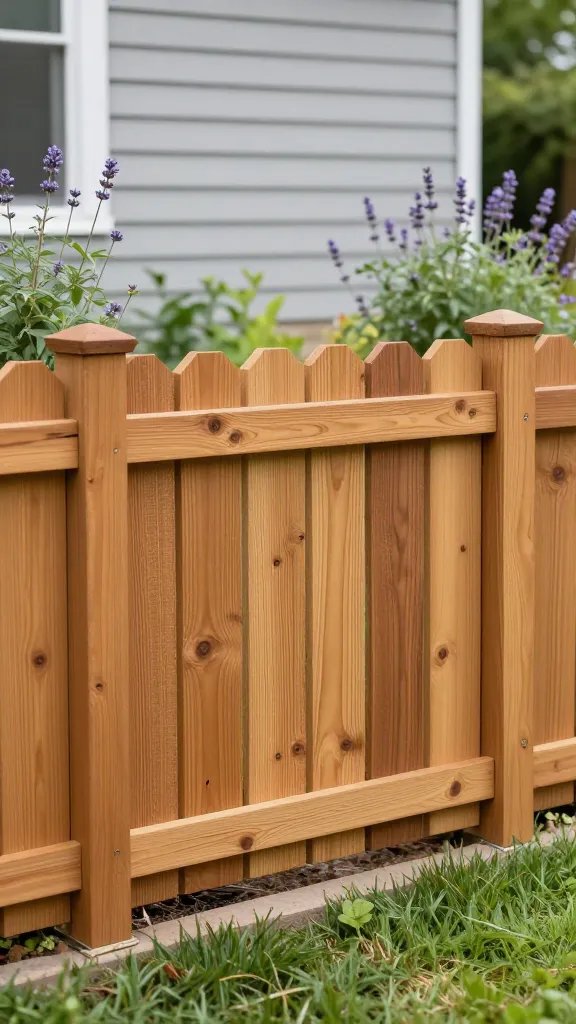
Warm, natural cedar panels with a fine, tight weave create a rustic look that still keeps rabbits at bay. You’ll gain privacy and a classic garden aesthetic all in one.
Details: choose panels with 1/2-inch or smaller gaps, and set them a few inches into the ground to prevent digging. Stain or paint in a color that complements your house exterior.
Why it works: rabbits can’t squeeze through cramped gaps, and cedar’s aroma may deter some nibblers over time.
Best for: front or back-yard borders where you want a durable, stylish boundary.
3. Raised-Bed Netting with Compact Edges
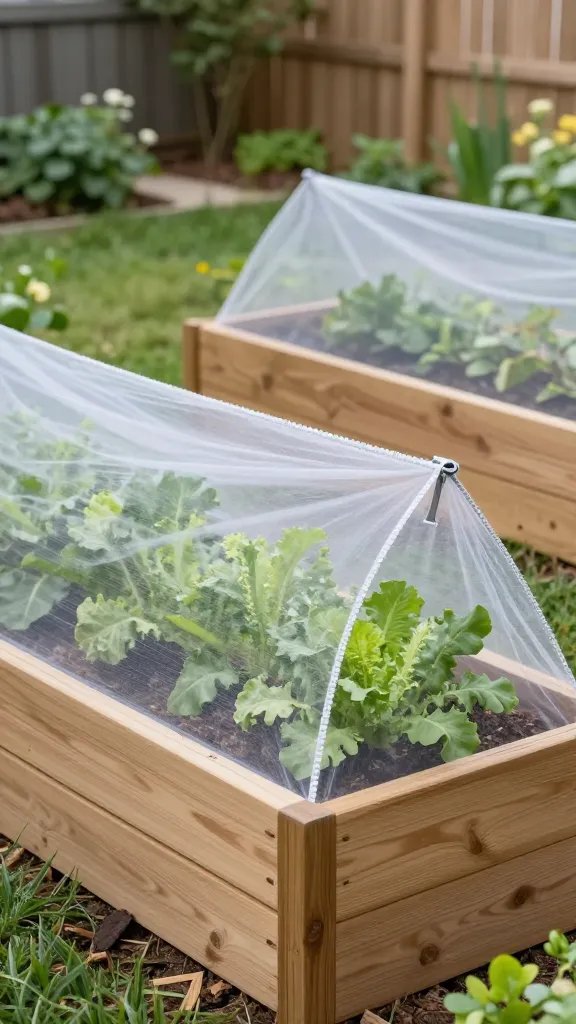
Upgrade your raised beds with lightweight insect netting or hardware cloth tucked along the edges. It’s almost invisible and incredibly protective for tender greens.
How to do it: staple netting to the bed’s inside frame, bury the edge an inch or two, and secure with soil or decorative edging.
Care notes: lift the netting during harvest or install a simple spring clip system for easy access.
Perk: you’ll keep leafy favorites safe while preserving quick garden access.
4. Green Vertical Fence Garden: Living Barrier
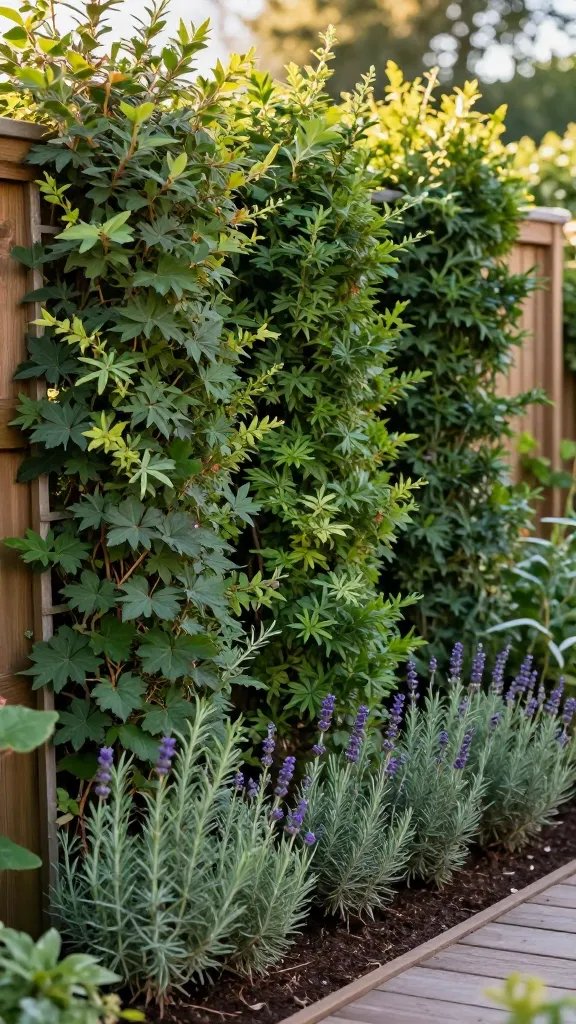
Turn your fence into a living fence by growing dense, vertical plantings. Think sturdy climbers and compact shrubs that rabbits avoid nibbling due to texture or scent.
What to plant: evergreen climbers like euonymus or honeysuckle on a trellis, plus aromatic herbs such as rosemary or lavender near the bottom.
Design tips: space plants to encourage a lush wall of foliage, but keep base soil healthy with mulch and compost.
Why it’s clever: a vertical green barrier reduces visibility and creates a lush backdrop that’s hard for rabbits to trespass through.
Who should try: homeowners who want a green, living boundary that doubles as a privacy screen.
5. Motion-Activated Visual Deterrents
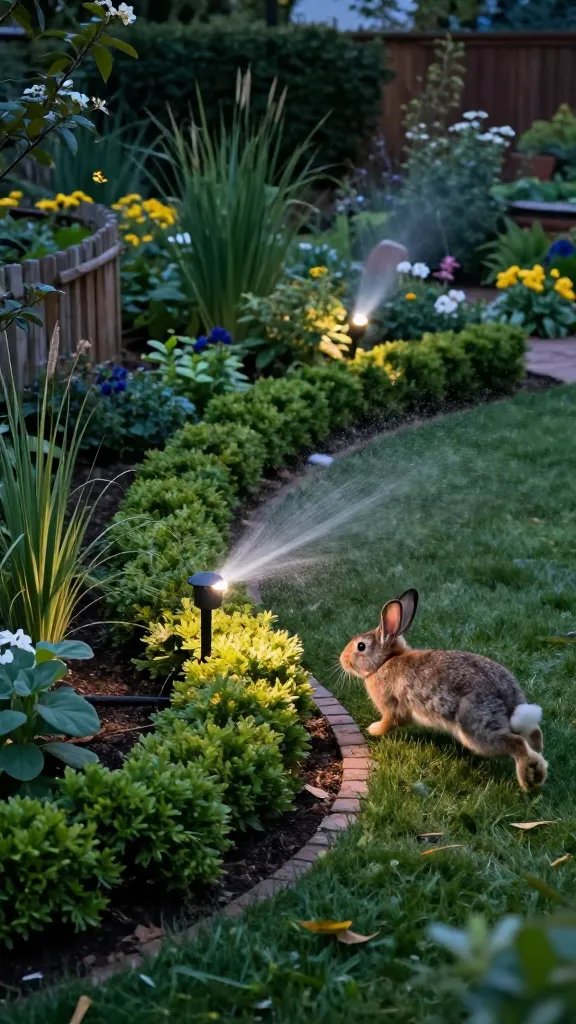
Tech-forward but simple, motion-activated sprinklers or lights provide instant feedback to any nibbling visitor. It’s a quick “get out” signal for curious rabbits.
How it works: place near borders or entry points where rabbits tend to slip in. The sudden spray or light startles them, and they learn to avoid the area.
Tips: pair with scent deterrents or a short fencing segment for maximum results.
Verdict: this is perfect for irregular yard edges or gardens that see a lot of rabbit traffic.
6. Short Frame, Wide Gaps: Decorative Picket-Style Barriers
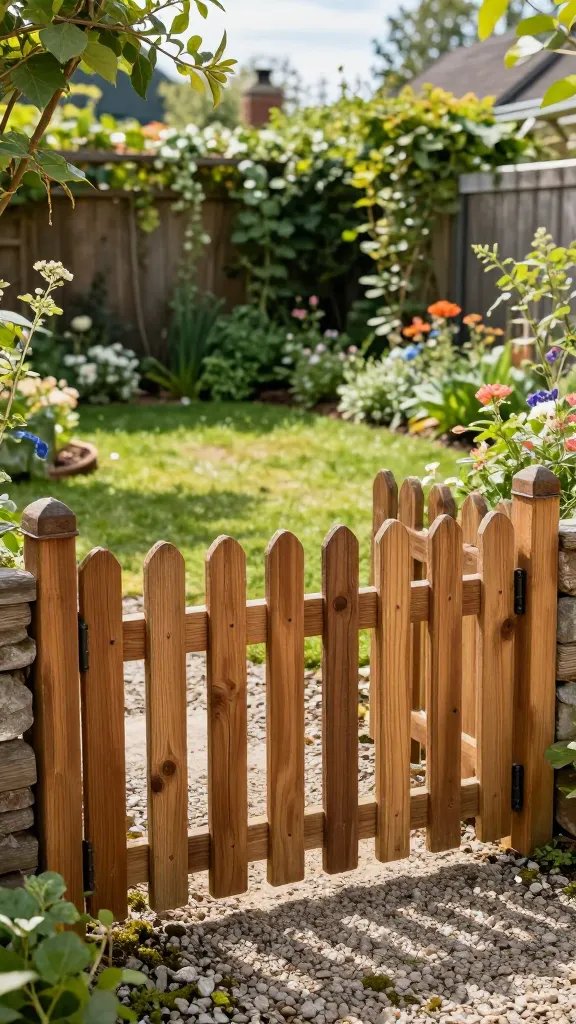
Freely styled picket panels with tiny gaps create a whimsical look while still keeping rabbits out. Choose rounded tops for a friendly vibe that suits cottage gardens.
Details: use pressure-treated wood, seal with weatherproof stain, and install a gravel base to deter digging at the bottom edge.
Why it works: the open spacing discourages large cheeky critters while letting air and light flow freely.
Who it’s for: gardeners who want charm and function without a heavy gate-centric look.
7. Scout-Guard Wire Fence: Flexible and Invisible
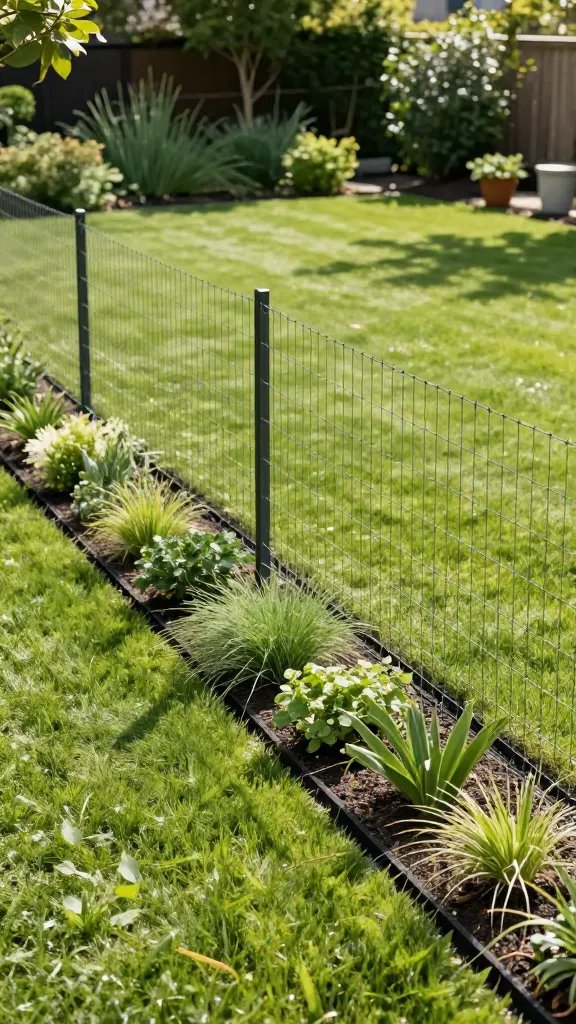
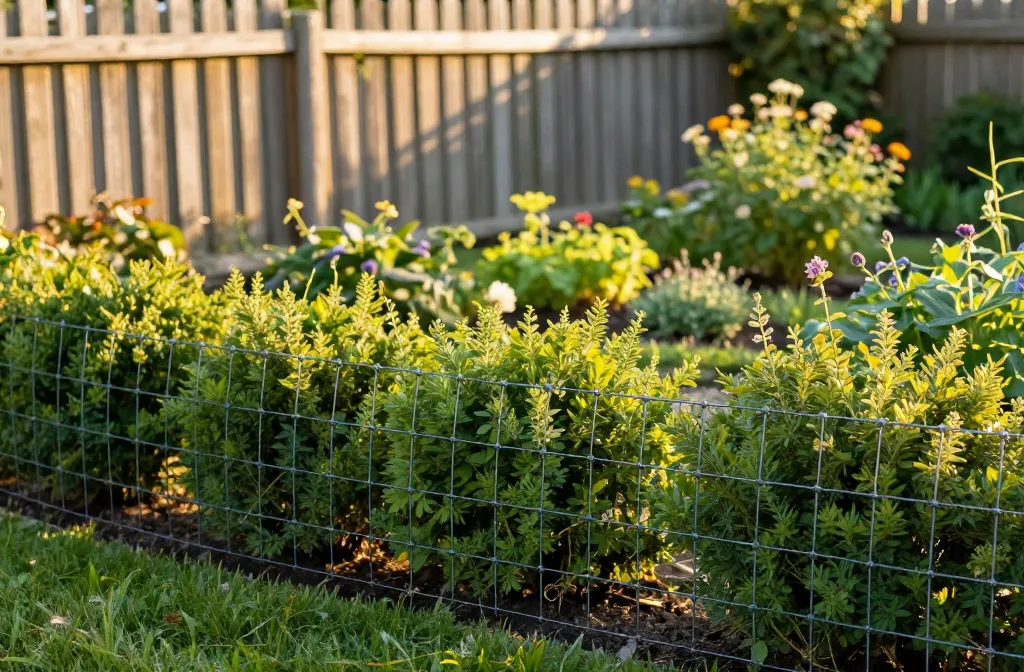
A flexible wire fence tucked around the perimeters creates a nearly invisible boundary. The secret is a tight, fine-gauge mesh that rabbits can’t chew through.
Placement: bury the edge a couple of inches and anchor with landscape staples. Use landscape fabric on the exterior to reduce soil erosion from heavy rains.
Perks: minimal maintenance and a sleek profile that won’t obstruct your view of sunrises over the yard.
Who it’s for: minimalist gardeners who crave clean lines and practical protection.
8. Grapevine Arbor Rabbit-Resistant Hedge
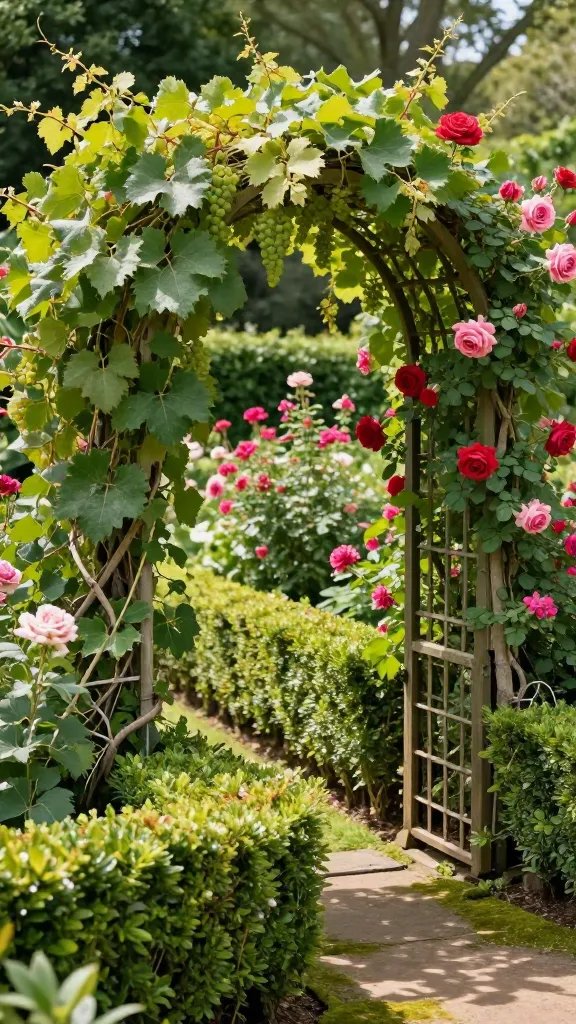
Turn an arched arbor or trellis into a rabbit-proof gateway by using robust, woody vines and a surrounding hedge that snakes along the fence line. The result is a garden portal rabbits don’t breech.
What to plant: grapevines, climbing roses, or mandevilla on the arbor; boxwood or barberry as the hedge border.
Care notes: prune regularly to maintain dense growth at the base and keep pathways clear for easy access.
End result: a magical, edible-leaning barrier with a touch of whimsy and practicality.
Perfect for: fences that need a focal point and a protective layer at the same time.
9. Low-Buried Landscape Edging with Hardware Cloth
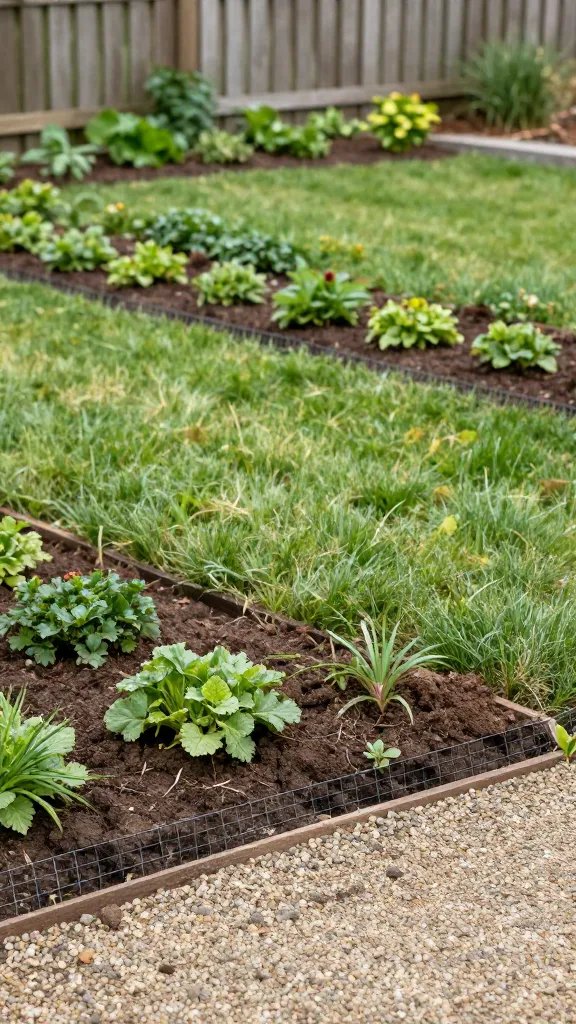
Hide a fine mesh just beneath the soil level as a subterranean barrier. It stops rabbits from tunneling near raised beds and borders.
How to build: lay hardware cloth 6–12 inches below grade along the fence line and close the edge with soil and mulch.
Practicality: this approach is excellent for gardens that demand long-term protection with minimal upkeep.
Who it’s for: folks with a digging tendency from wildlife and a desire for lasting protection.
10. Herb-Scented Barrier Planting Strip
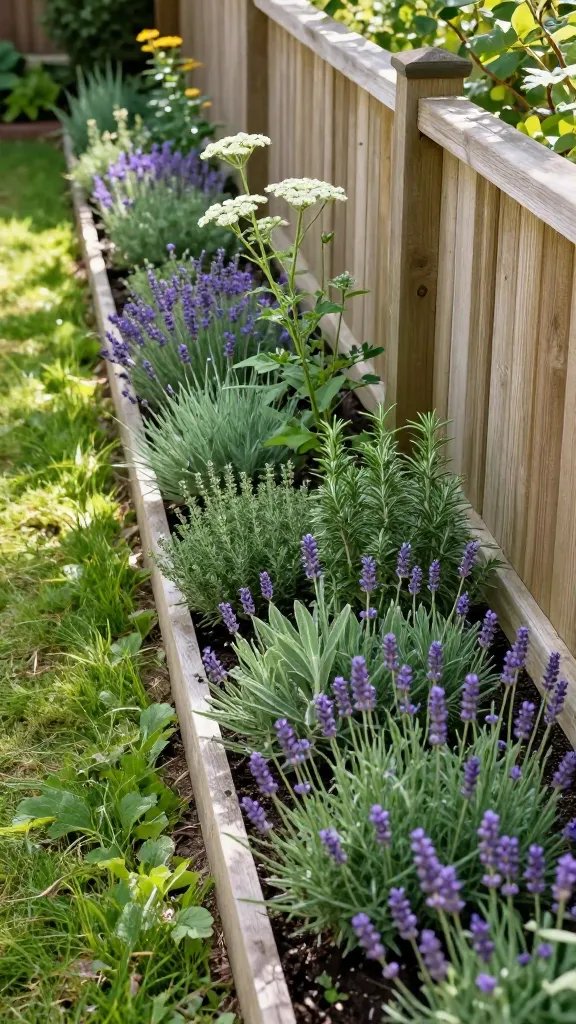
Plant a scented, rabbit-deterring strip along the fence with herbs rabbits tend to avoid. This creates a multi-sensory shield that’s both practical and fragrant.
What to plant: thyme, rosemary, sage, and lavender in a narrow bed. Add a few sturdy perennials like yarrow for year-round structure.
Design note: keep the strip narrow (6–12 inches) so it’s easy to manage and maintain while still presenting a clear obstacle.
Why it works: rabbits dislike certain strong scents and textures, so this is a gentle, natural deterrent that also smells amazing.
Best for: gardeners who want a sensory-stimulating, edible-friendly garden path.
11. Stone-Edged Solar-Powered Fence Line Lights
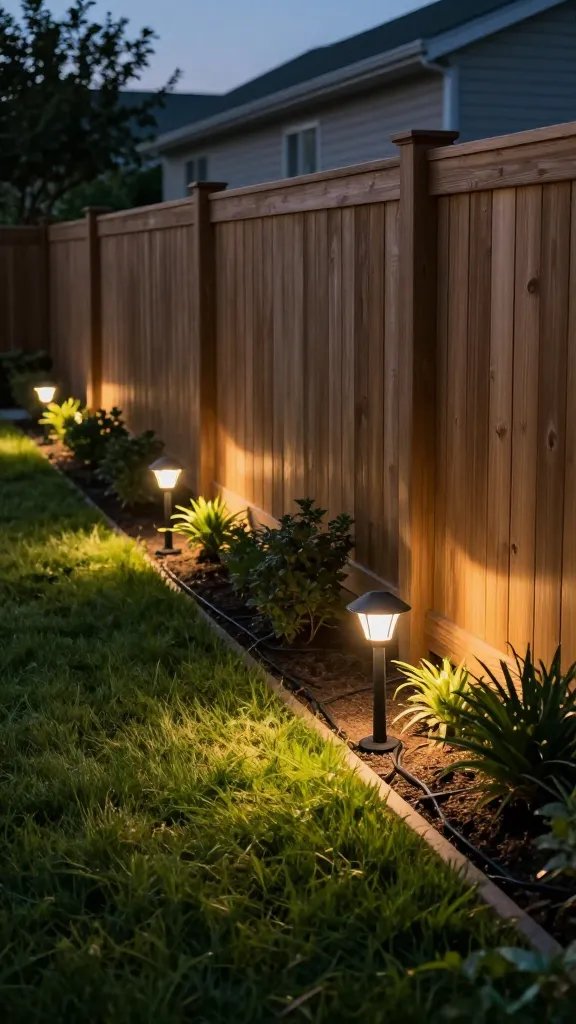
Pair a short fencing line with solar-powered stake lights to illuminate the perimeter at night. This deters nighttime nibblers and adds a spark of curb appeal.
What to install: a row of compact solar lights along the base of the fence, paired with a shallow trench for cable-free operation.
Tips: choose warm-white LEDs for a friendly glow, and ensure the fence line isn’t blocked by plant growth that shields light from reaching the ground.
Why it’s effective: rabbits are less likely to hop through a visibly illuminated barrier, and your yard looks welcoming after dark.
Who it’s for: night lovers and garden lovers who enjoy a bit of drama lighting their borders.
12. Gabion Wall with Greenery Cushioning
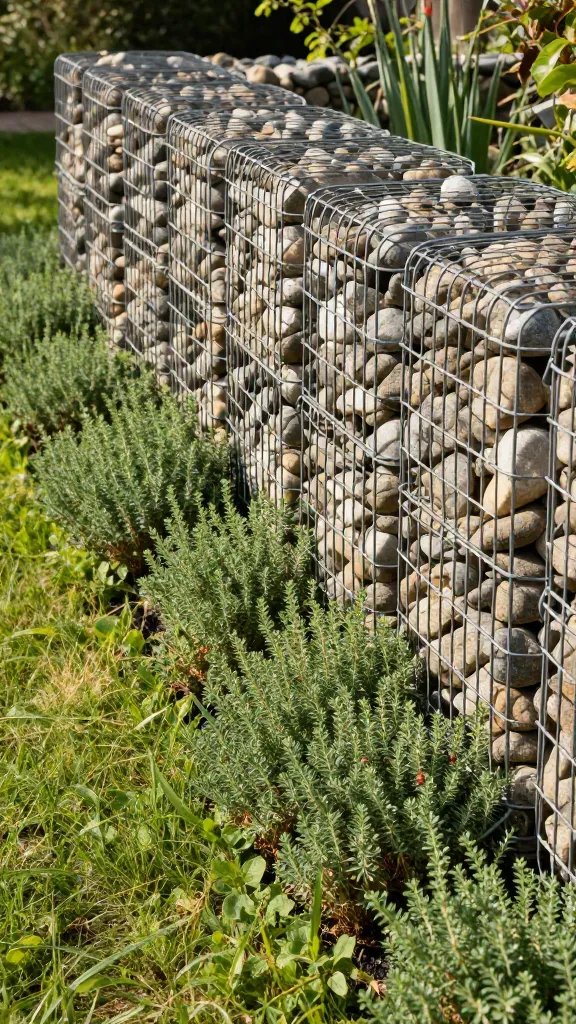
A gabion wall with rounded stones topped by a lush cushion of low-growing groundcovers creates a formidable yet natural boundary. The structure is hard to breach and pleasing to the eye.
Details: fill wire baskets with river stones, stack to create a shallow wall, then plant creeping thyme or sturdy perennials along the base to soften the look.
Why it stands out: it’s architectural, durable, and surprisingly easy to maintain once set up. The greenery gives it a softer feel than metal alone.
Best for: larger yards or areas where you want a robust, landscape-forward solution that doubles as art.
Conclusion
Rabbits may be clever, but a thoughtful fence strategy can keep your garden thriving without sacrificing beauty. Which idea speaks to your yard’s vibe? Start with one approach, or mix a couple to tailor a protected, stylish space your plants will thank you for.
You’ve got this—your garden’s going to feel safer, and you’ll love the way it looks. Pick a design, gather your supplies, and enjoy the process of turning your outdoor space into a rabbit-smart sanctuary.