Lemon Ricotta Cheesecake – Light, Bright, and Creamy
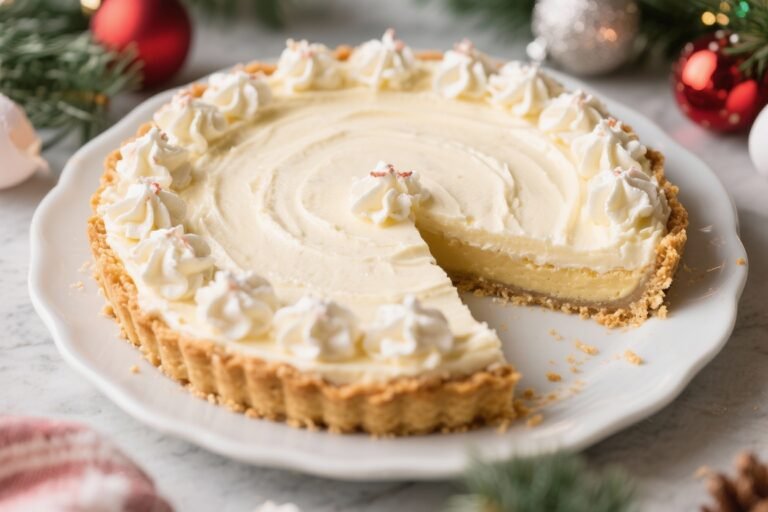
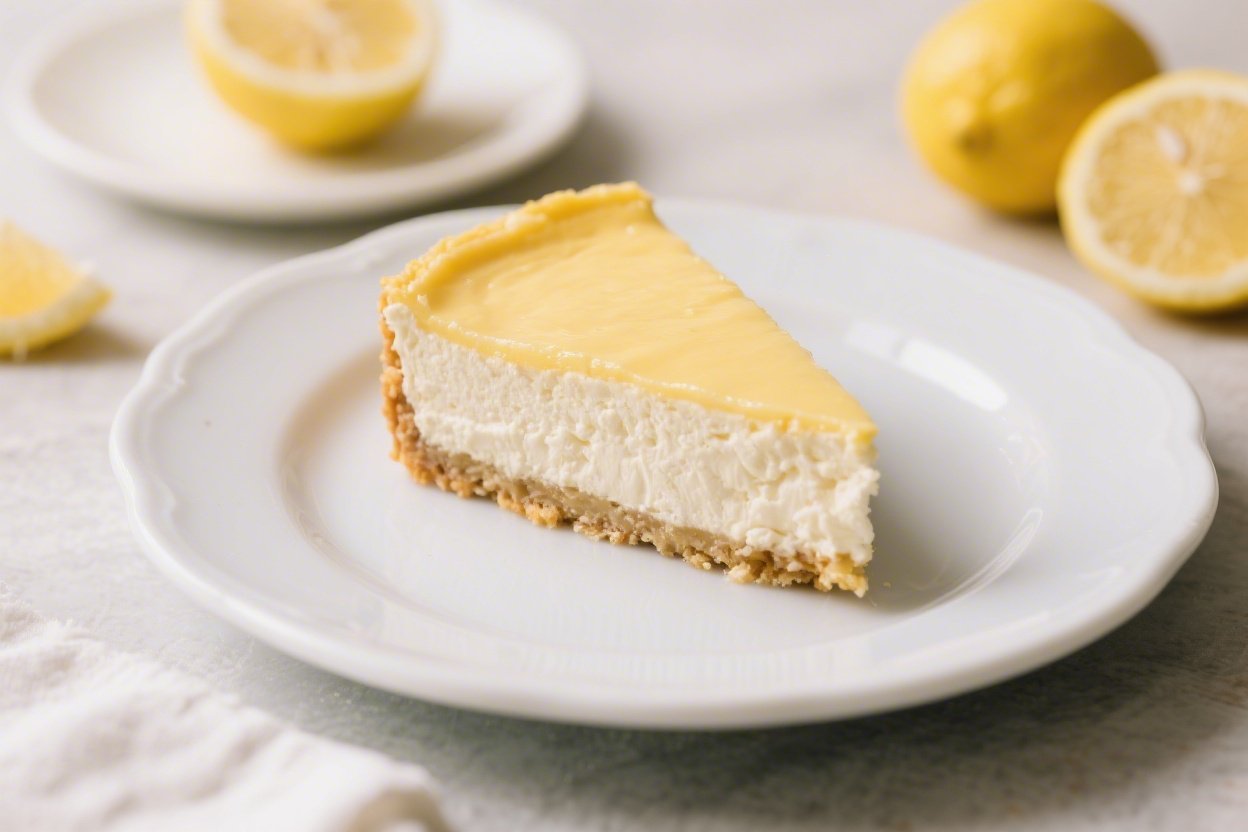
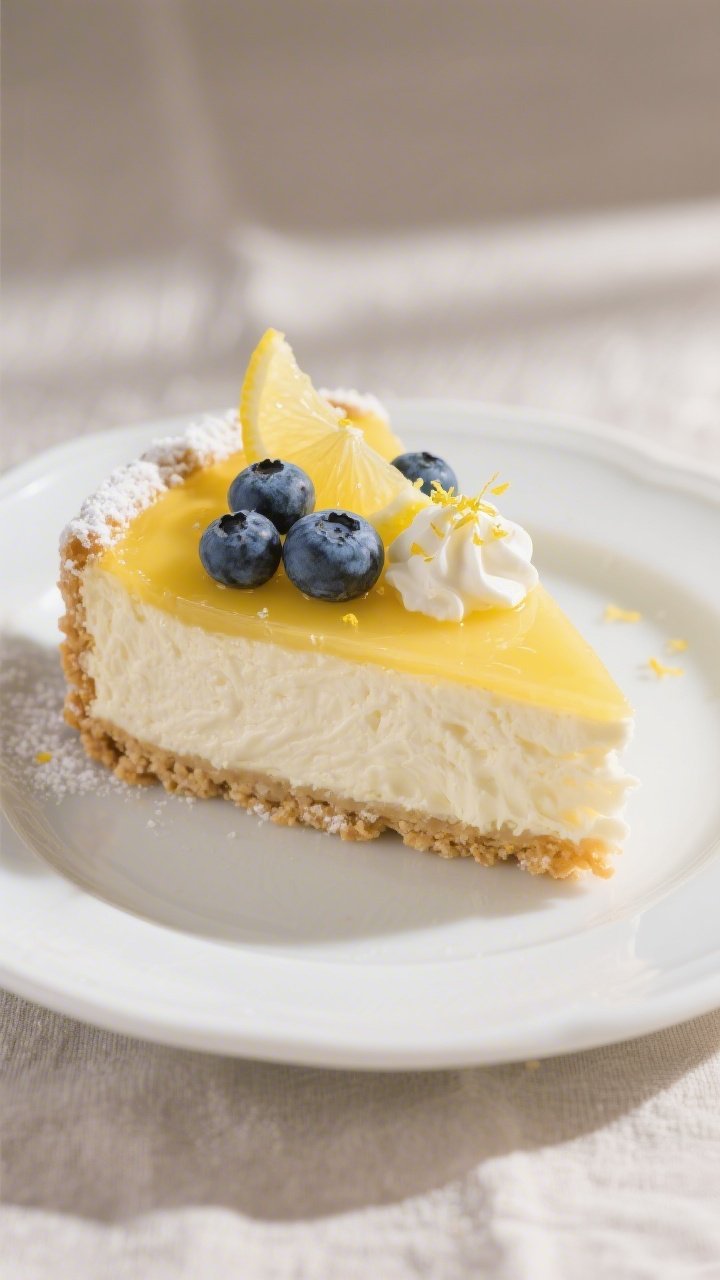
Lemon ricotta cheesecake is the kind of dessert that wins people over at first bite. It’s creamy without feeling heavy, with a fresh lemon flavor that tastes like sunshine. Ricotta gives it a delicate, almost fluffy texture that sets it apart from dense New York–style cakes.
This is the cheesecake you serve when you want something special but not fussy. Simple ingredients, a few key techniques, and you’re set for a beautiful, bakery-worthy dessert.
Lemon Ricotta Cheesecake - Light, Bright, and Creamy
Ingredients
Method
- Prep the pan: Heat the oven to 325°F (163°C). Line the bottom of a 9-inch springform pan with parchment.Lightly grease the sides.
- Make the crust: Stir graham crumbs, sugar, melted butter, and a pinch of salt until the mixture looks like damp sand. Press firmly into the bottom of the pan. Use a flat-bottomed glass for an even layer.
- Par-bake the crust: Bake for 8–10 minutes until set and lightly golden.Cool while you make the filling.
- Drain the ricotta: If your ricotta seems wet, place it in a fine mesh strainer or cheesecloth and let it drain for 20–30 minutes. This step helps the cheesecake set properly.
- Beat the cheeses: In a large bowl, beat softened cream cheese until smooth, about 1–2 minutes. Add the drained ricotta and beat until silky with no lumps.Scrape the bowl well.
- Add sugar and flavor: Mix in granulated sugar, lemon zest, lemon juice, vanilla, and a pinch of salt. Blend until combined, but don’t whip too much air into the batter.
- Stabilize and enrich: Beat in the cornstarch (or flour), then mix in the heavy cream or sour cream until smooth.
- Add the eggs: Beat in the eggs one at a time on low speed, just until each is incorporated. Overmixing here can add air and cause cracks.
- Fill and smooth: Pour the filling over the crust.Tap the pan gently on the counter a few times to release any bubbles. Smooth the top with an offset spatula.
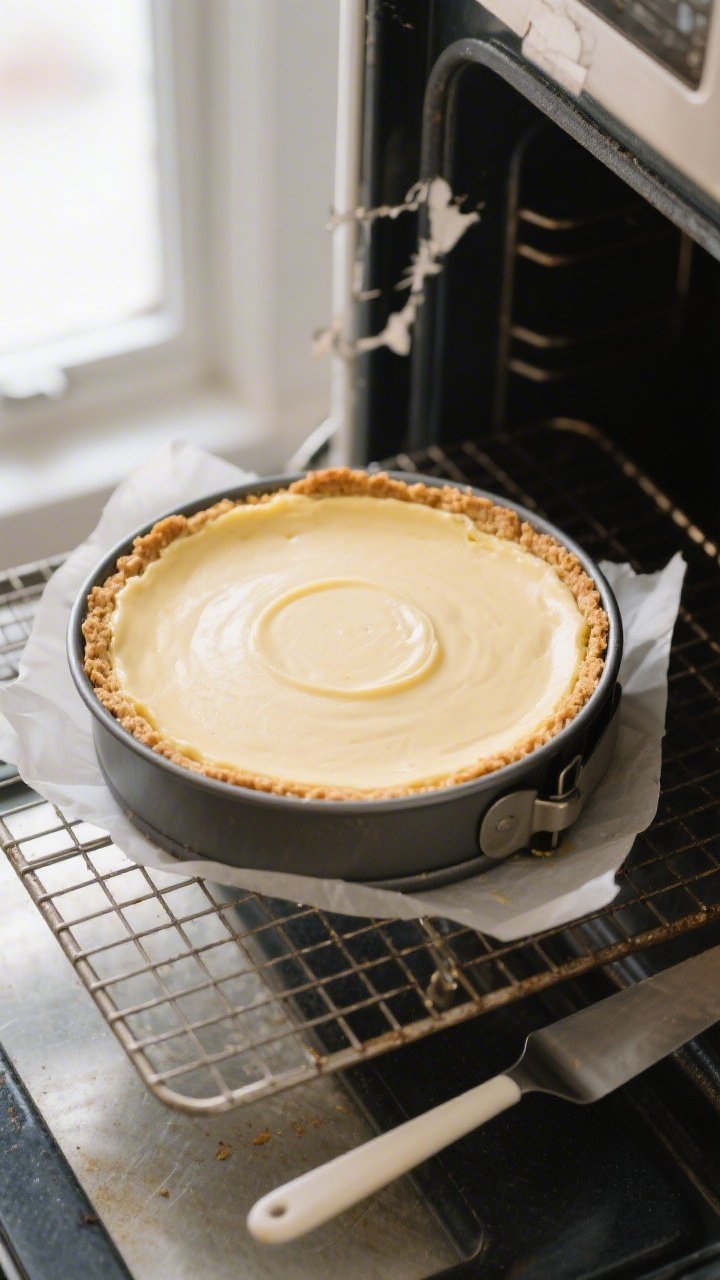
- Bake low and slow: Bake at 325°F (163°C) for 45–60 minutes. The edges should be set, and the center should have a slight wobble, like set Jell-O.If it browns too quickly, tent loosely with foil.
- Cool gradually: Turn off the oven and crack the door. Let the cheesecake sit inside for 45 minutes. Then move it to a wire rack to cool to room temperature.
- Chill to set: Cover and refrigerate at least 6 hours, ideally overnight.This improves the texture and flavor.
- Serve: Loosen the edge with a thin knife, release the springform ring, and transfer to a serving plate. Dust with powdered sugar and top with berries or lemon slices, if you like.
What Makes This Recipe So Good
- Light texture: Ricotta creates a soft, airy bite that feels elegant, not dense.
- Bright lemon flavor: Fresh zest and juice make it fragrant and zippy without being sour.
- Not overly sweet: Just enough sugar to balance the tang and bring out the richness.
- No water bath required: A low, steady bake and a slow cool help prevent cracks.
- Make-ahead friendly: Tastes even better the next day after chilling.
Shopping List
- For the crust:
- Graham cracker crumbs (about 1 1/2 cups)
- Granulated sugar (2 tablespoons)
- Unsalted butter, melted (5 tablespoons)
- Pinch of salt
- For the filling:
- Whole-milk ricotta cheese (2 cups), well-drained
- Cream cheese, softened (16 ounces)
- Granulated sugar (3/4 cup to 1 cup, to taste)
- Large eggs (3)
- Lemon zest (from 2 large lemons)
- Fresh lemon juice (1/4 cup)
- Pure vanilla extract (1 teaspoon)
- Pinch of salt
- Heavy cream or sour cream (1/3 cup) for extra creaminess
- Cornstarch or all-purpose flour (1 tablespoon) to help set
- For topping (optional):
- Powdered sugar, for dusting
- Fresh berries or thin lemon slices
- Whipped cream
How to Make It
- Prep the pan: Heat the oven to 325°F (163°C). Line the bottom of a 9-inch springform pan with parchment.Lightly grease the sides.
- Make the crust: Stir graham crumbs, sugar, melted butter, and a pinch of salt until the mixture looks like damp sand. Press firmly into the bottom of the pan. Use a flat-bottomed glass for an even layer.
- Par-bake the crust: Bake for 8–10 minutes until set and lightly golden.Cool while you make the filling.
- Drain the ricotta: If your ricotta seems wet, place it in a fine mesh strainer or cheesecloth and let it drain for 20–30 minutes. This step helps the cheesecake set properly.
- Beat the cheeses: In a large bowl, beat softened cream cheese until smooth, about 1–2 minutes. Add the drained ricotta and beat until silky with no lumps.Scrape the bowl well.
- Add sugar and flavor: Mix in granulated sugar, lemon zest, lemon juice, vanilla, and a pinch of salt. Blend until combined, but don’t whip too much air into the batter.
- Stabilize and enrich: Beat in the cornstarch (or flour), then mix in the heavy cream or sour cream until smooth.
- Add the eggs: Beat in the eggs one at a time on low speed, just until each is incorporated. Overmixing here can add air and cause cracks.
- Fill and smooth: Pour the filling over the crust.Tap the pan gently on the counter a few times to release any bubbles. Smooth the top with an offset spatula.
- Bake low and slow: Bake at 325°F (163°C) for 45–60 minutes. The edges should be set, and the center should have a slight wobble, like set Jell-O.If it browns too quickly, tent loosely with foil.
- Cool gradually: Turn off the oven and crack the door. Let the cheesecake sit inside for 45 minutes. Then move it to a wire rack to cool to room temperature.
- Chill to set: Cover and refrigerate at least 6 hours, ideally overnight.This improves the texture and flavor.
- Serve: Loosen the edge with a thin knife, release the springform ring, and transfer to a serving plate. Dust with powdered sugar and top with berries or lemon slices, if you like.
Storage Instructions
- Refrigerator: Cover tightly and store for up to 5 days. Keep it away from strong-smelling foods.
- Freezer: Freeze whole or in slices.Wrap well in plastic and foil, then freeze up to 2 months. Thaw overnight in the fridge.
- Make ahead: This cheesecake is best the day after baking. Chill at least 6 hours before serving.
Health Benefits
- Protein boost: Ricotta and cream cheese offer a good amount of protein, which helps with satiety.
- Calcium and vitamin D: Dairy-based desserts contribute to bone health when enjoyed in moderation.
- Lemon’s perks: Lemon provides vitamin C and bright flavor, reducing the need for excessive sugar.
- Portion-friendly: A lighter texture means a satisfying slice without feeling overly rich.
Pitfalls to Watch Out For
- Wet ricotta: Excess moisture can make the cheesecake weep or fail to set.Drain it if it looks loose.
- Overmixing: Too much air in the batter can cause cracks. Mix on low and stop when combined.
- Overbaking: A fully firm center in the oven means it’s already overdone. Look for a gentle wobble.
- Rushing the cool: Sudden temperature changes can crack the top.Cool gradually and chill thoroughly.
- Skipping the scrape-down: Lumps hide on the bowl’s sides. Scrape the bowl often for a smooth texture.
Variations You Can Try
- Lemon-blueberry: Fold 1 cup fresh blueberries into the batter just before pouring. Dust them lightly with flour to reduce sinking.
- Almond twist: Add 1/2 teaspoon almond extract and swap 1/4 cup of graham crumbs for finely ground almonds.Top with toasted sliced almonds.
- Gluten-free crust: Use gluten-free graham crackers or a crust made from almond flour, a bit of sugar, and butter.
- Meyer lemon: Use Meyer lemons for a sweeter, floral profile. Reduce sugar slightly if you prefer less sweetness.
- Lemon curd topping: Spread a thin layer of lemon curd over the chilled cheesecake for extra zing and a glossy finish.
- Greek yogurt swap: Replace the heavy cream with full-fat Greek yogurt for a tangier flavor and slightly lighter texture.
FAQ
Do I need a water bath?
A water bath helps regulate temperature, but this recipe uses a lower oven temp and a slow cool to prevent cracks. If you want the extra insurance, wrap the pan in foil and bake in a roasting pan with hot water halfway up the sides.
Can I use part-skim ricotta?
Yes, but whole-milk ricotta gives better texture and richness.
If using part-skim, make sure it’s very well-drained to avoid a watery batter.
How can I tell when it’s done?
Look for set edges and a 2–3 inch center that still jiggles slightly. The surface should look matte, not glossy, and there should be no soupy movement.
What if my cheesecake cracks?
It’ll still taste great. Cover with a thin layer of lemon curd, whipped cream, or fresh berries.
For next time, avoid overbaking and cool the cake gradually.
Can I make it without a springform pan?
A deep 9-inch cake pan can work. Line it with a long sheet of parchment with overhang for lifting. Baking times may vary slightly.
Is there a substitute for graham crackers?
Yes.
Try digestive biscuits, vanilla wafers, shortbread, or almond flour mixed with a bit of sugar and butter. Aim for the same sandy texture.
Can I reduce the sugar?
You can. Use 3/4 cup sugar for a less sweet version.
The lemon helps keep the flavor bright even with less sugar.
How long should I soften the cream cheese?
About 1–2 hours at room temperature, depending on your kitchen. It should be pliable and easy to beat smooth without lumps.
In Conclusion
This lemon ricotta cheesecake is all about balance—light yet creamy, sweet yet bright, simple yet special. With a few smart steps and a patient chill, you’ll get a smooth, beautifully set dessert that tastes even better the next day.
Keep it classic with a dusting of sugar, or dress it up with berries and lemon curd. Either way, it’s a reliable, crowd-pleasing cheesecake you’ll want in your regular rotation.