12 Window Treatment Ideas That’ll Instantly Upgrade Your Space
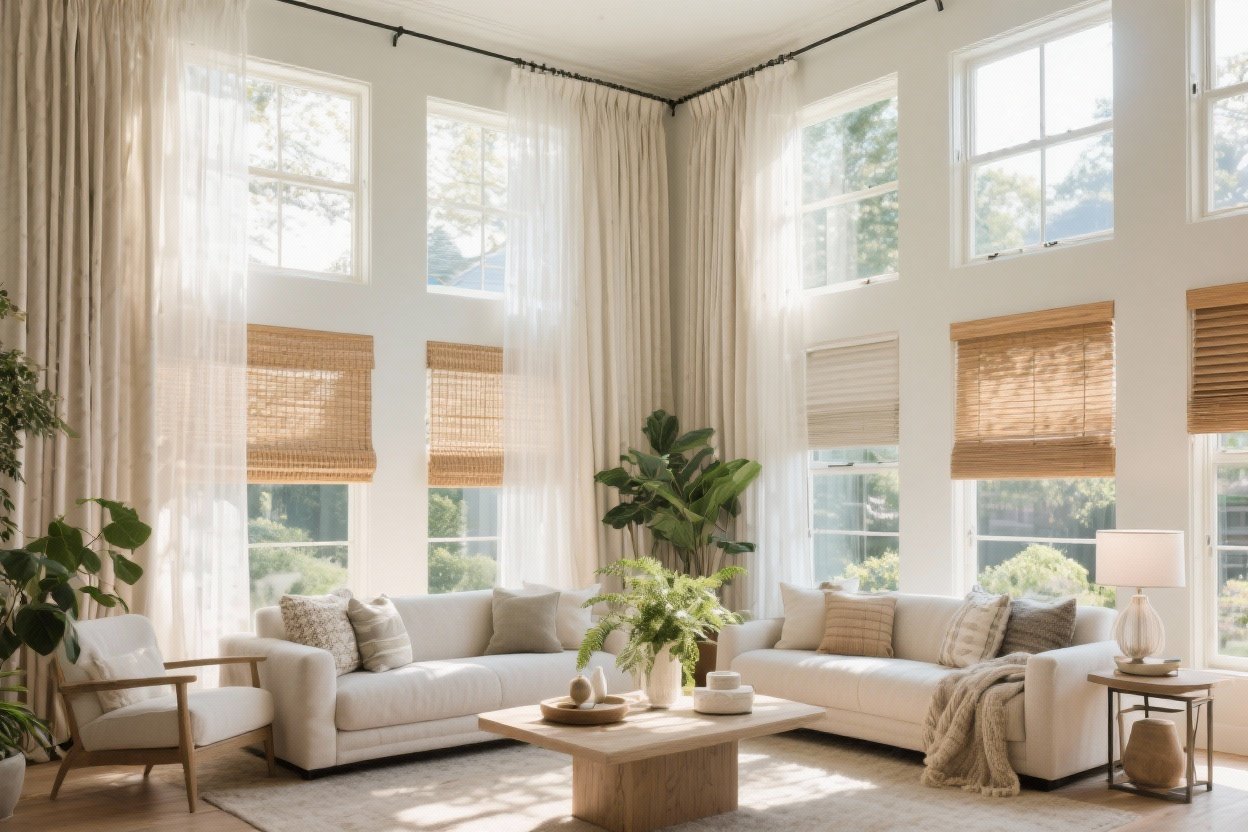
Let’s be honest: bare windows are like unfinished eyebrows—technically fine, but a little naked. The right window treatments can change everything: light, privacy, mood, and even how big your room feels.
Whether you love a breezy, coastal vibe or full-on drama, these 12 ideas will help you dress your windows like they’re about to be papped.
1. Layer Textures Like a Pro
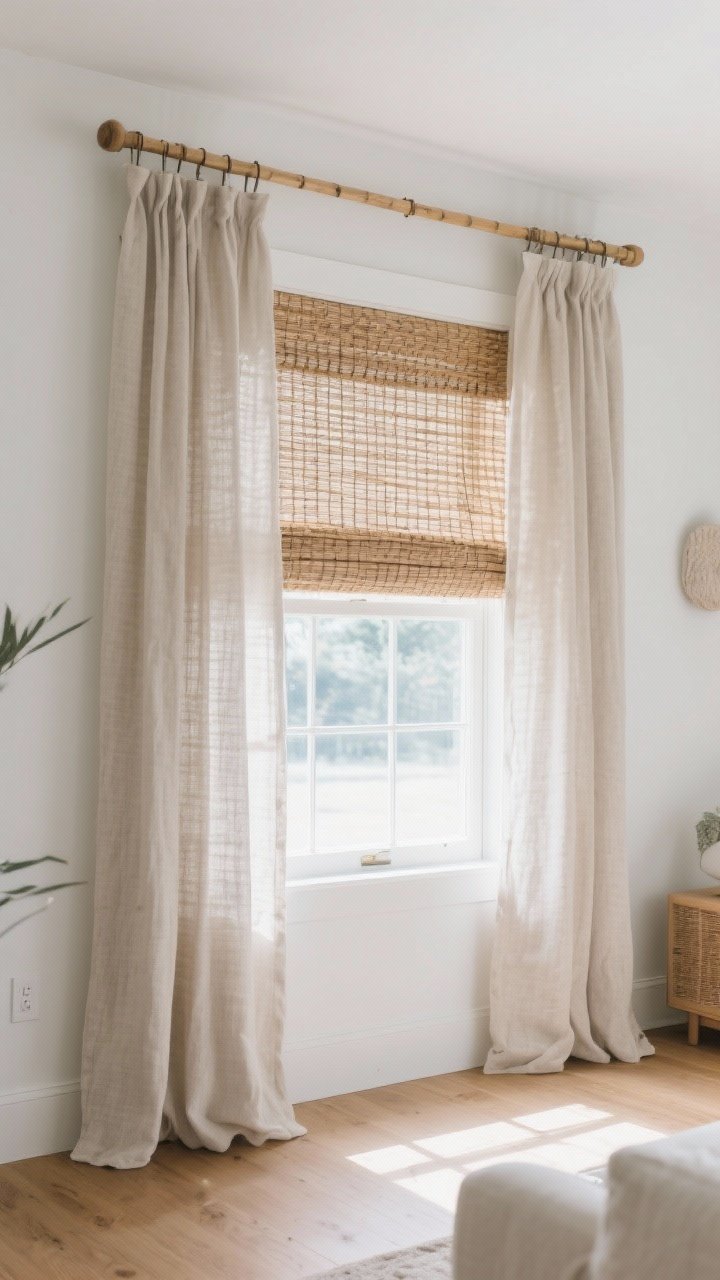
If you want that designer look without a designer budget, layering is your secret weapon. Think a linen curtain over a woven shade or a roman shade paired with floor-grazing drapes. It adds depth and feels intentional—like you planned it months ago.
Why It Works
- Dimension: Two textures = instant visual interest.
- Light control: Adjust the shade for glare, the drape for drama.
- Cozy factor: Softens echoes and makes rooms feel finished.
Pro Tips
- Go neutral on the large piece (like linen drapes) and add character with a textured shade (bamboo, rattan).
- Hang the curtain rod high (8–12 inches above the frame) to make ceilings look taller.
- Let drapes just kiss the floor for tailored, not fussy, vibes.
2. Go Big With Floor-to-Ceiling Drapes
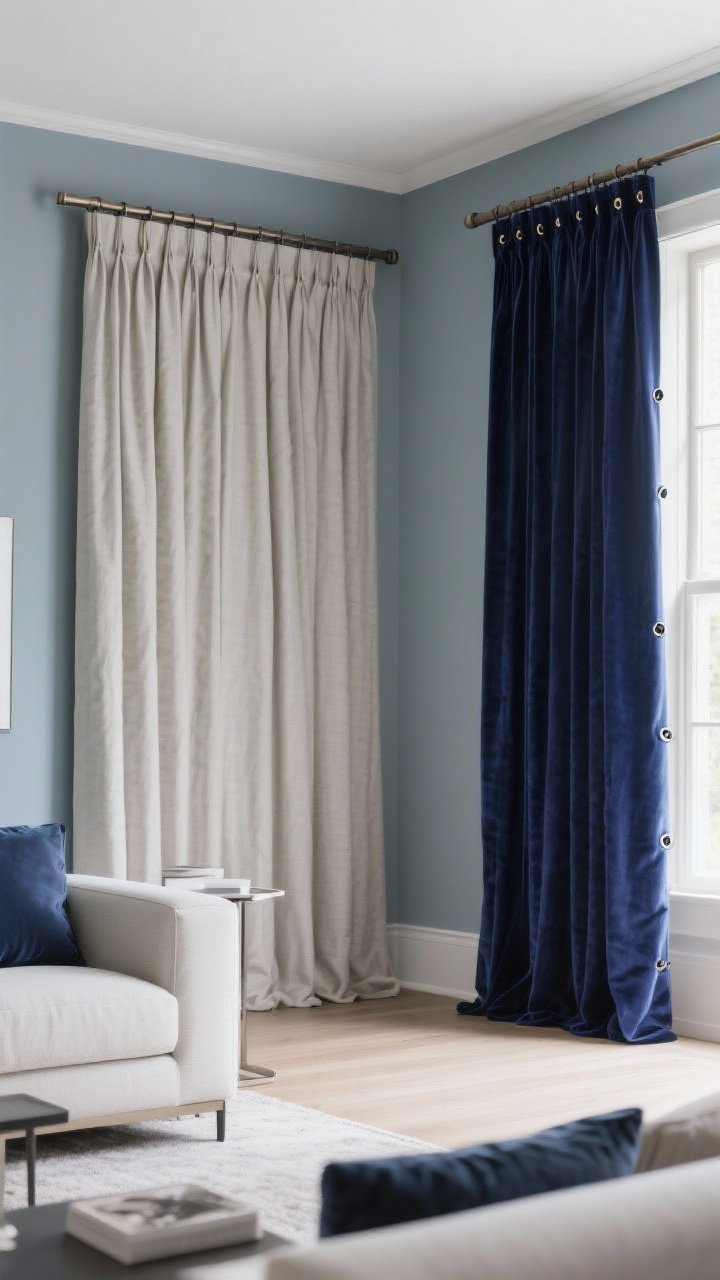
Want your room to look taller and more luxurious in minutes? Do full-length drapes hung high and wide. It’s architectural contouring—no construction required.
What to Choose
- Fabrics: Linen blends for airy softness, velvet for glam, cotton twill for everyday.
- Colors: Match the wall for a sleek, seamless look, or contrast for drama.
- Header styles: Pinch pleat for tailored, grommet for modern, rod pocket for casual.
Pro Tips
- Extend rods 8–12 inches past the window on each side so panels don’t block light when open.
- Order panels 1.5–2 times your window width for proper fullness. Skinny curtains = sadness.
3. Embrace Roman Shades (They’re the Unsung Heroes)
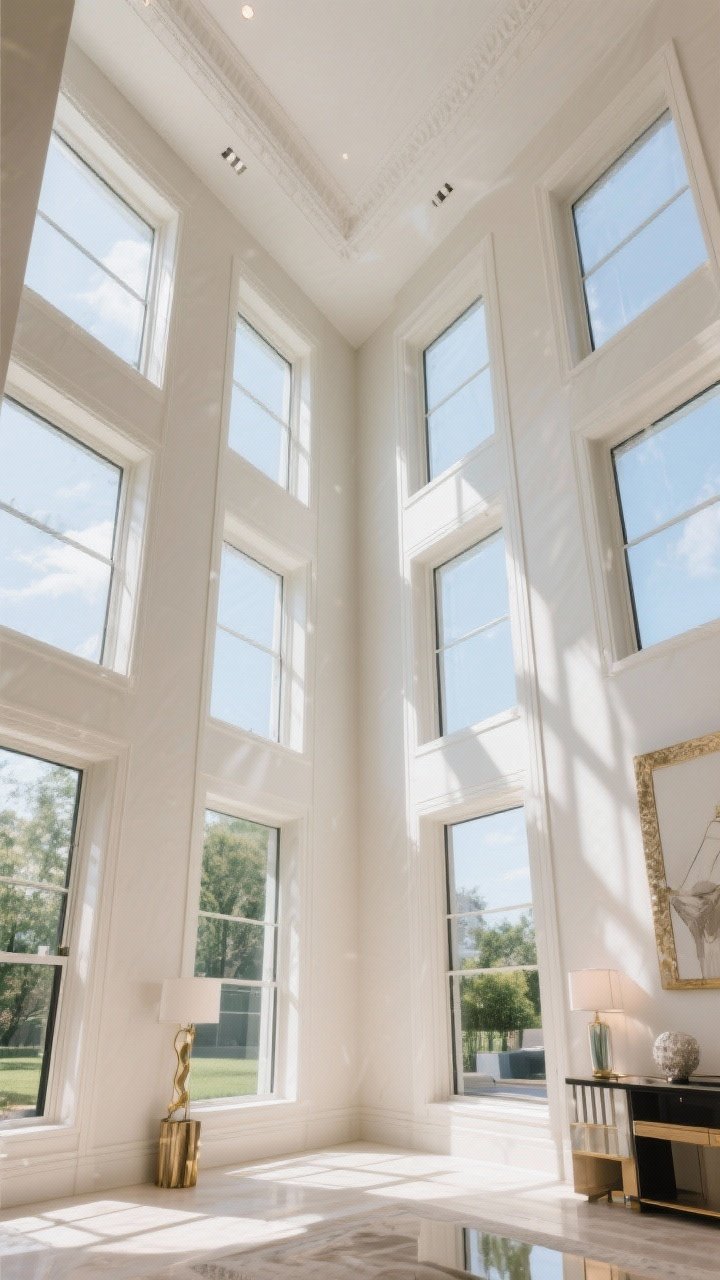
Roman shades are the happy middle ground: neat, elegant, and super versatile. They work in kitchens, bathrooms, bedrooms—basically anywhere you want polish without heavy fabric.
Styles to Try
- Flat front: Clean and modern, great for patterns.
- Relaxed: Soft curved bottom, perfect for cozy spaces.
- Hobbled: Cascading folds for texture lovers.
Pro Tips
- Inside mount for a clean, tailored fit; outside mount to make windows look wider.
- Pick a bold stripe or subtle floral for personality that won’t overwhelm.
- Consider blackout lining in bedrooms—sleep is sacred.
4. Add Warmth With Woven Wood Shades
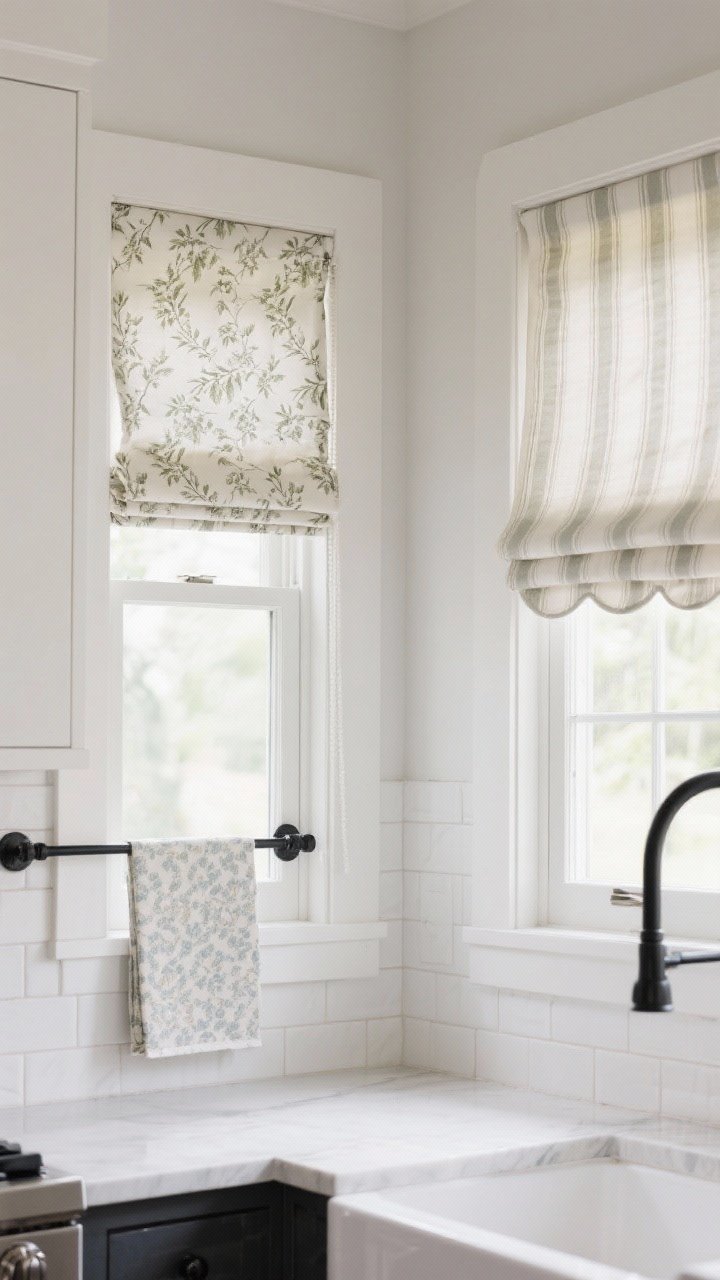
Want instant texture and a touch of coastal-Bali-chic? Woven wood shades (bamboo, grass, reeds) bring warmth and movement to a room. They’re especially good at balancing crisp, modern spaces.
Why They Rock
- Texture: Breaks up flat walls and white paint.
- Light filtering: Soft glow during the day, privacy with a liner at night.
- Layer-friendly: Pair with drapes for a designer finish.
Pro Tips
- Choose a tighter weave or add a liner for more privacy in bedrooms and bathrooms.
- Match wood tones to floors or furniture for a cohesive look.
5. Try Sheers for Soft, Dreamy Light
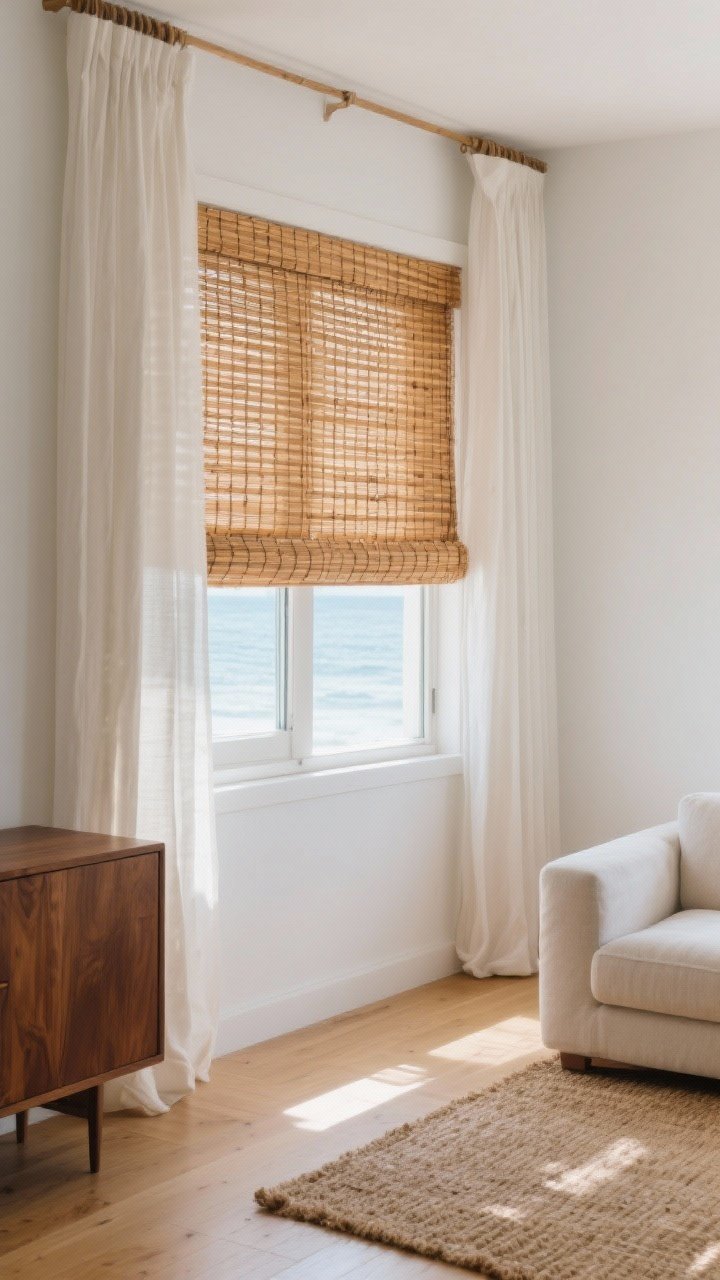
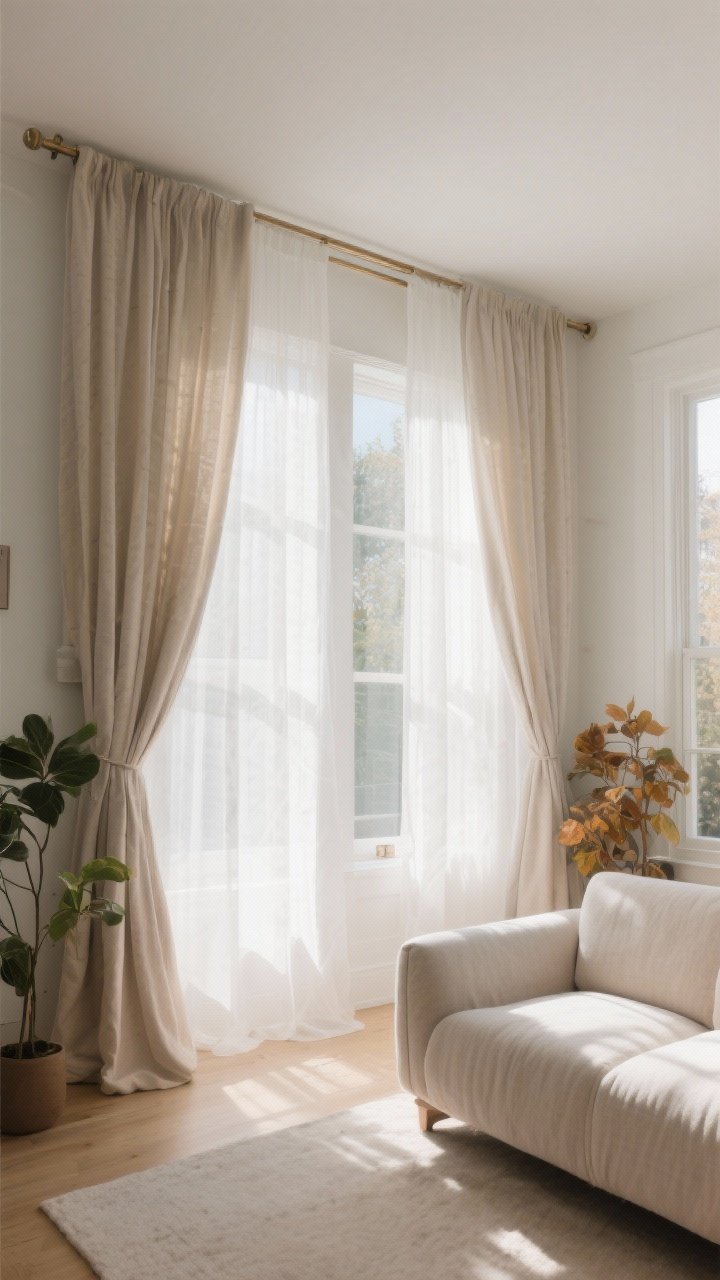
Sometimes you don’t want to block light—you just want to vibe. Sheer curtains give that filtered, glowy magic (hello, flattering selfies) while adding movement.
Where They Shine
- Living rooms that need daylight but not full views.
- Spaces where you’ll layer with shades for night privacy.
Pro Tips
- Double-rod setup: sheers on the back, heavier drapes on the front.
- Choose wide-width sheers for fewer seams and a luxe fall.
- Cool whites read crisp; warm whites feel cozy. Test in daylight first, FYI.
6. Make a Statement With Bold Patterns
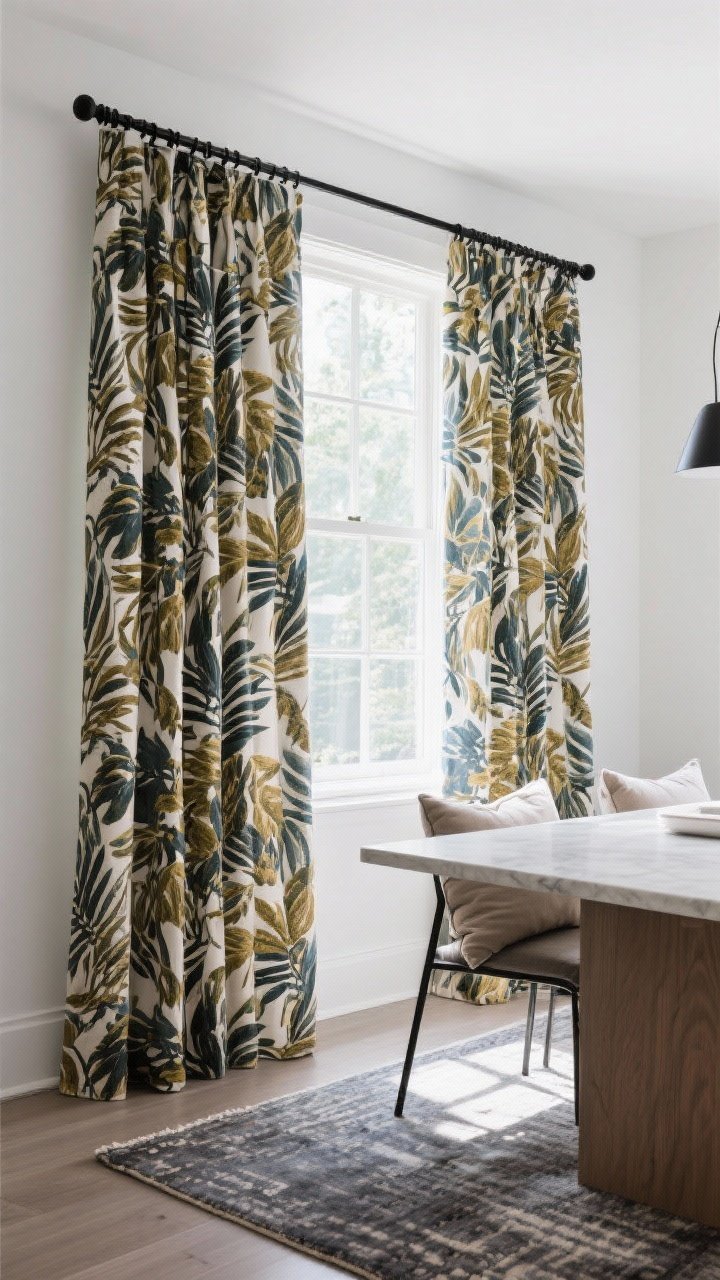
Ready to have some fun? A patterned curtain or shade can carry a whole room. Stripes, botanical prints, block prints—if your furniture’s simple, your windows can party.
How to Nail It
- Keep patterns in the same color family for cohesion.
- Large-scale prints = modern; small prints = traditional/cottagecore.
- Balance with solid rugs or pillows so nothing competes.
Pro Tips
- Patterned drapes are amazing for rental upgrades—big impact, no paint required.
- Line patterned fabrics to prevent fading and improve drape.
7. Go Minimal With Sleek Roller Shades
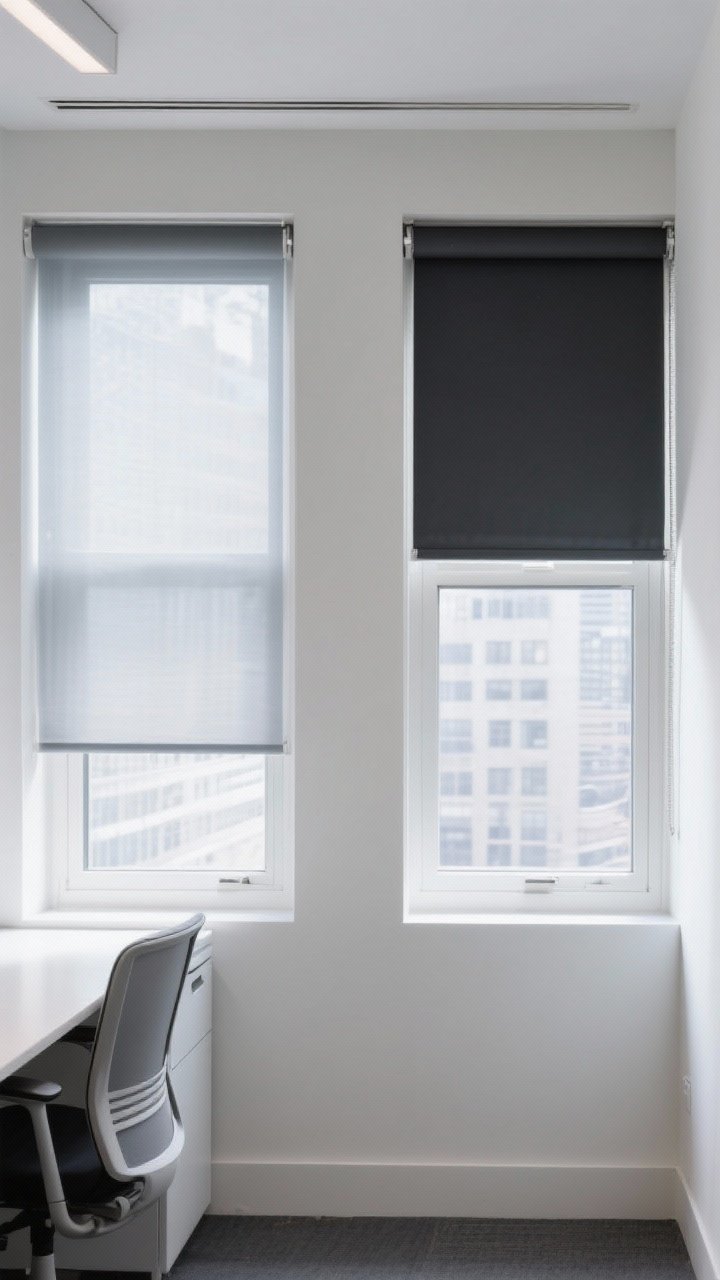
If you’re into clean lines, roller shades are your minimalist soulmate. They disappear when open and look crisp when down, especially in modern or small spaces.
Choose Your Opacity
- Sheer: Softens light, no privacy at night.
- Light-filtering: Blurs views, keeps daylight.
- Blackout: Dark as a cave—great for bedrooms and media rooms.
Pro Tips
- For a tailored look, match the shade color to your trim or wall.
- Consider a fabric-wrapped cassette to hide the roll—visually cleaner.
- Pair with side channels if you want true blackout.
8. Add Drama With Curtain Hardware
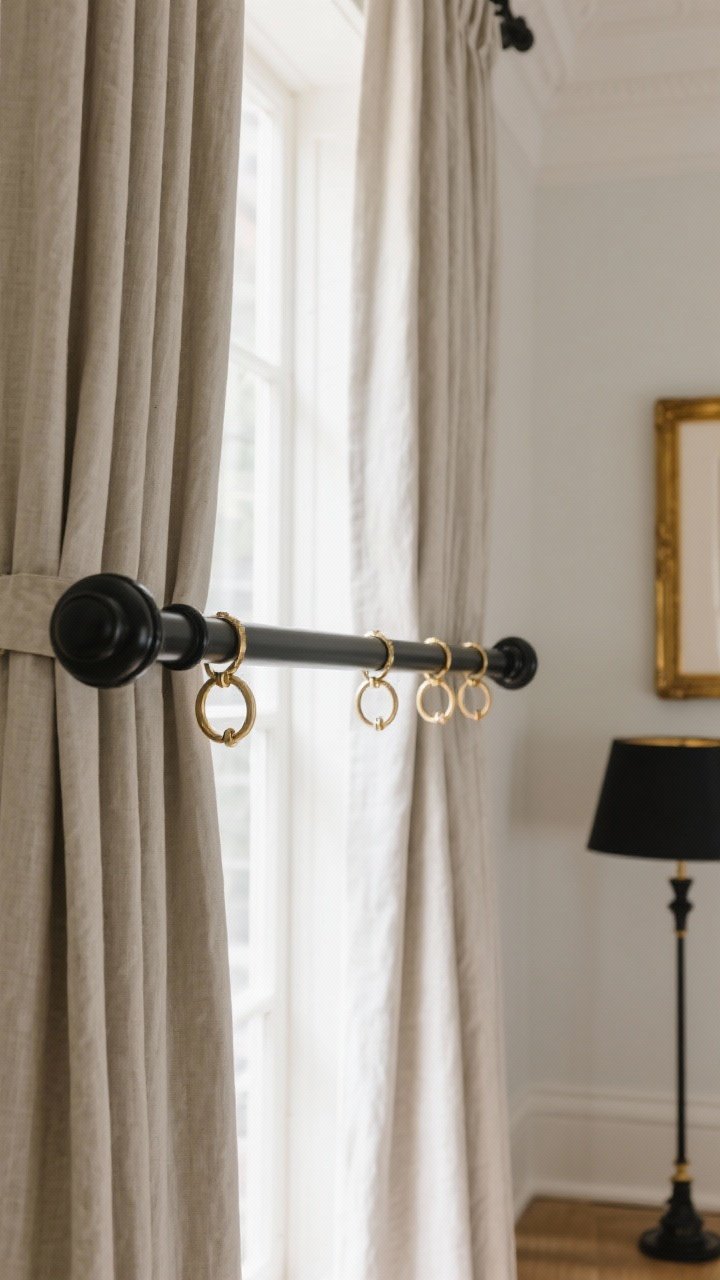
Hot take: your hardware is low-key the jewelry of the room. The wrong rod can make expensive curtains look cheap, and the right one can elevate budget panels.
Hardware Moves
- Chunky rods: Great for tall ceilings or big windows.
- Brass/black finishes: Brass = warm and classic; black = modern and bold.
- Rings + hooks: Add length and make opening smoother.
Pro Tips
- Match hardware finishes with nearby elements (lighting, frames) for cohesion.
- Use center supports on long rods to avoid sagging—no one likes droopy hardware.
9. Smart Shades for Effortless Control
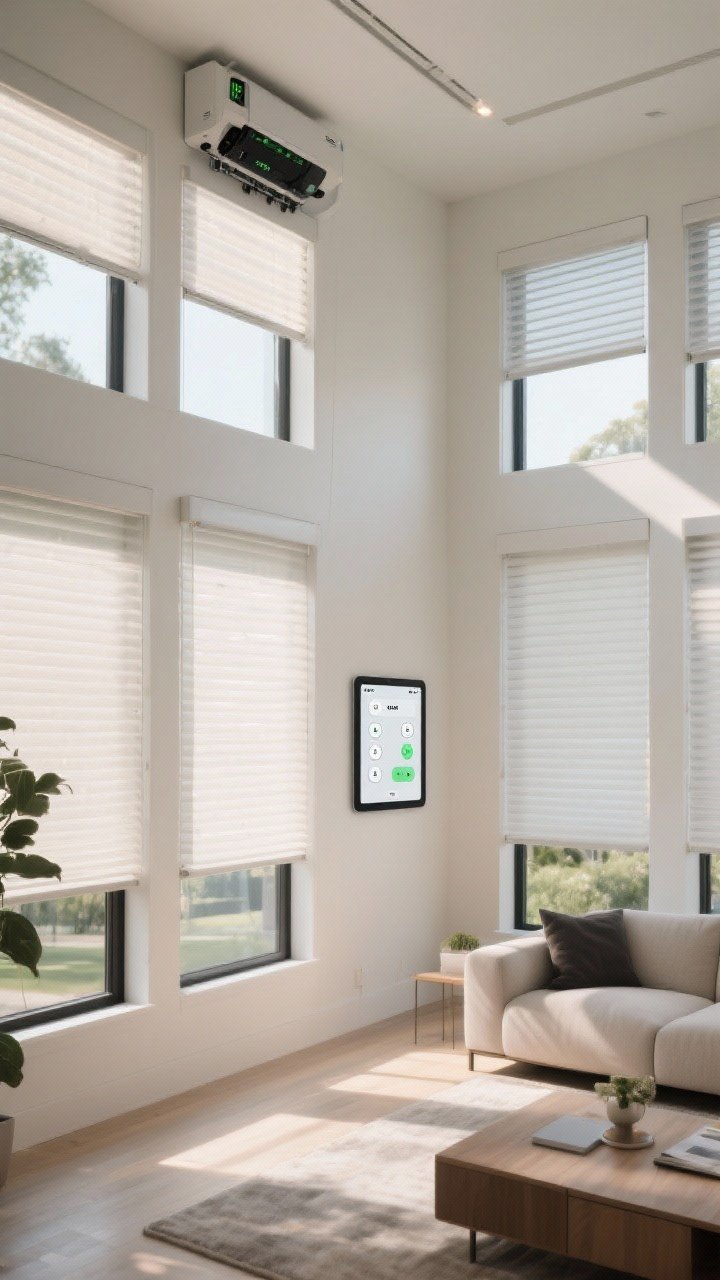
Welcome to the future: motorized shades that you can control with your phone or voice. Perfect for hard-to-reach windows or when you’re too comfy to get up (we’ve all been there).
Why You’ll Love Them
- Convenience: Schedule them to open with sunrise and close at bedtime.
- Energy savings: Automate to keep heat out in summer and in during winter.
- Safety: Cordless = kid- and pet-friendly.
Pro Tips
- Decide early if you want hardwired or battery—affects install and wall access.
- Group shades by room for one-tap control. Your future self will thank you.
10. Cafe Curtains for Casual Charm
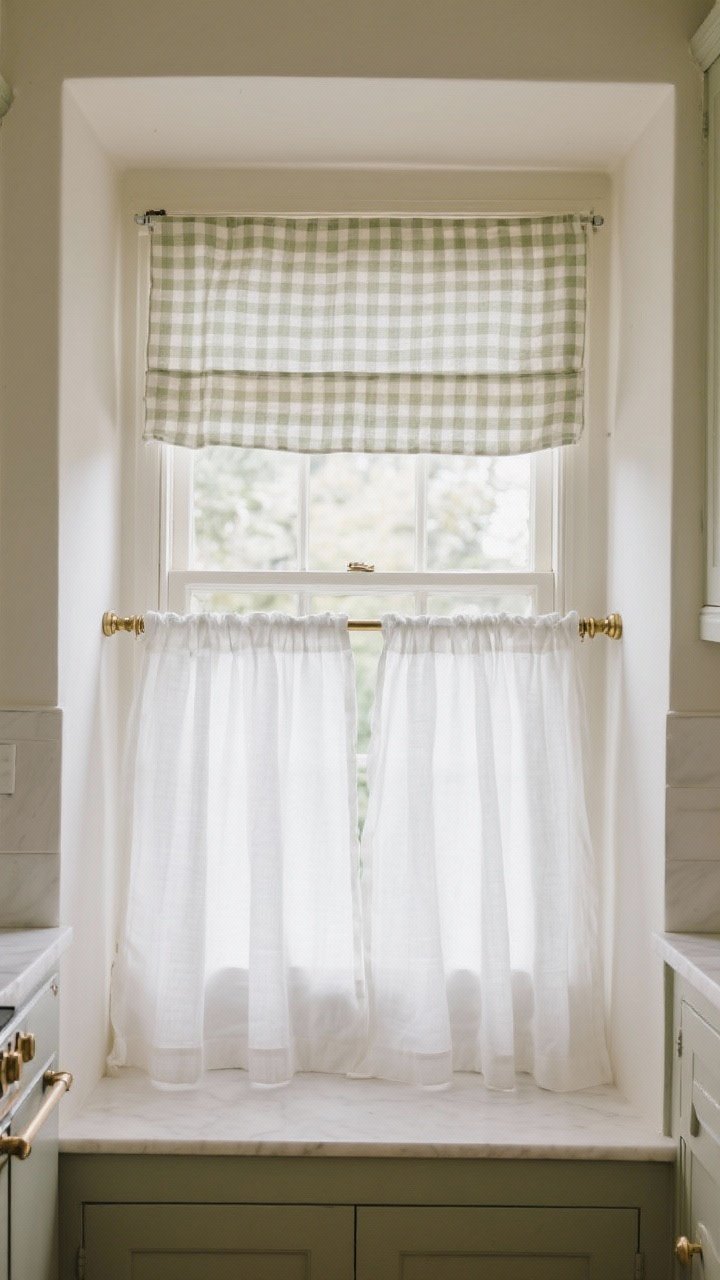
Cafe curtains cover the lower half of the window, giving you privacy while letting in daylight. They’re charming in kitchens, breakfast nooks, and bathrooms—very European, very chic.
Style Ideas
- Go crisp with a simple white linen or cotton.
- Try a sweet stripe or micro-check for a cottage feel.
- Use a slim brass or black tension rod for a minimalist install.
Pro Tips
- Mount the rod just above mid-window for balanced proportions.
- Pair with a matching valance if you want more softness up top.
- Great rental hack: no drilling needed with tension rods.
11. Blackout + Thermal Linings for Comfort
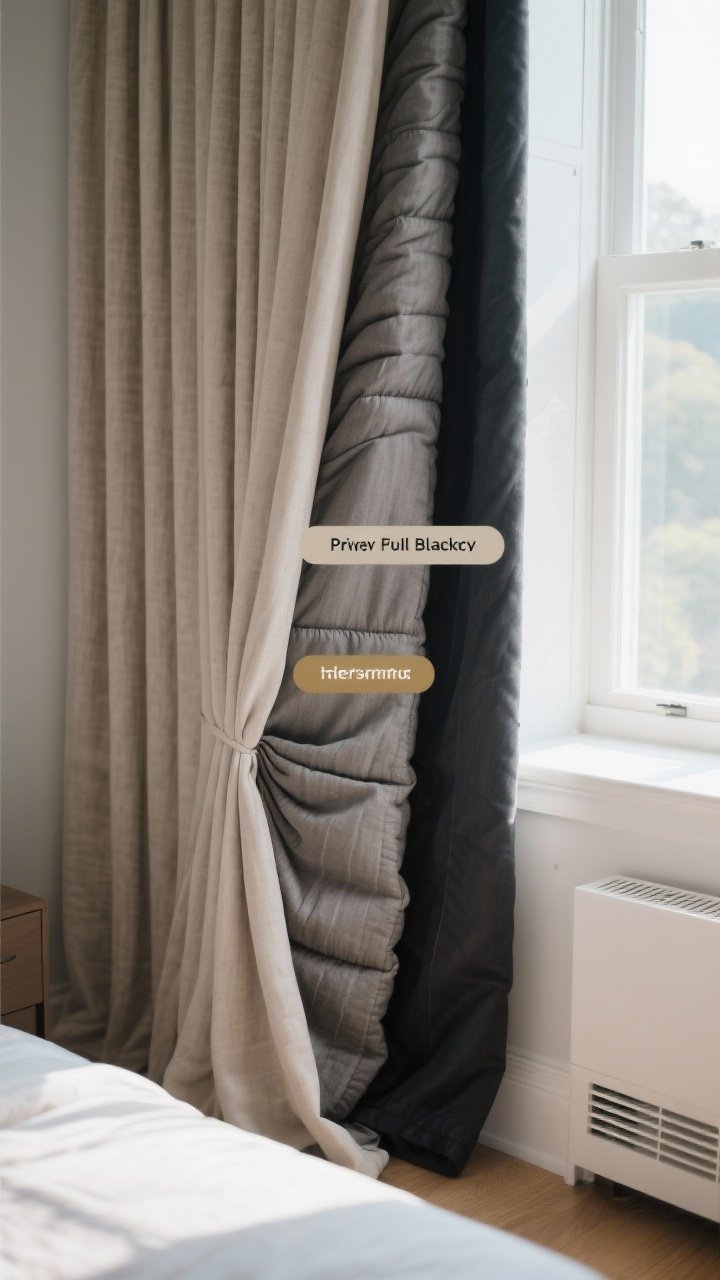
If your space runs hot, cold, or too bright, it’s time to talk linings. They can transform average curtains into efficiency machines while making fabric hang better. And yes, better sleep is a valid design goal.
Lining Options
- Privacy: Light filtering, keeps silhouettes discreet.
- Blackout: Ideal for bedrooms, nurseries, and night-shift schedules.
- Thermal/Interlining: Adds weight, blocks drafts, helps with acoustics.
Pro Tips
- Choose blackout for east-facing rooms to tame early sunlight.
- Interlining makes affordable fabrics look rich and structured, IMO.
- If you have baseboard heaters, opt for just-kissing-the-floor length for safety.
12. Frame the View With Color-Blocked Edges
When you love simple drapes but want a little something extra, try color-blocked edges or contrasting banding. It’s subtle, stylish, and looks custom without the custom price.
How to Pull It Off
- Neutral panels with a bold side band (navy, forest green, terracotta) = chef’s kiss.
- Vertical banding elongates the window and looks super polished.
- Match the band color to a rug, pillow, or art for a pulled-together look.
Pro Tips
- DIY with fabric tape or iron-on hem tape for renters and budget wins.
- Choose 2–4 inch bands for impact without overwhelming.
Measuring and Installation Cheatsheet
- Rod height: 8–12 inches above the frame or just below crown molding.
- Rod width: Extend 8–12 inches past each side of the window.
- Panel length: Aim for “kissing” the floor; puddling (1–4 inches) suits formal rooms.
- Fullness: 1.5–2x the window width for drapes; 2.5x for sheers.
- Inside mounts: Measure width in three spots and use the smallest number.
Budget-Savvy Tricks
- Buy standard-length panels and add a contrast hem to reach ceiling height (and look custom).
- Upgrade store-bought curtains with clip rings for better drape and easy opening.
- Use wooden dowels as rods for lightweight sheers in small spaces—paint to match.
Common Mistakes to Avoid
- Hanging rods too low—shrinks the room visually.
- Panels too narrow—always buy for fullness.
- Ignoring lining—affects how fabric hangs and how the room feels.
- Forgetting scale—tiny rods on massive windows look flimsy.
Bottom line: your windows deserve as much attention as your couch or rug. Pick one or two of these ideas, layer thoughtfully, and don’t be afraid of a little drama. You’ll be shocked how quickly your space goes from “fine” to “wow, who lives here?!”