Traditional Hanukkah Dinner Recipes – Comforting Classics for the Festival of Lights
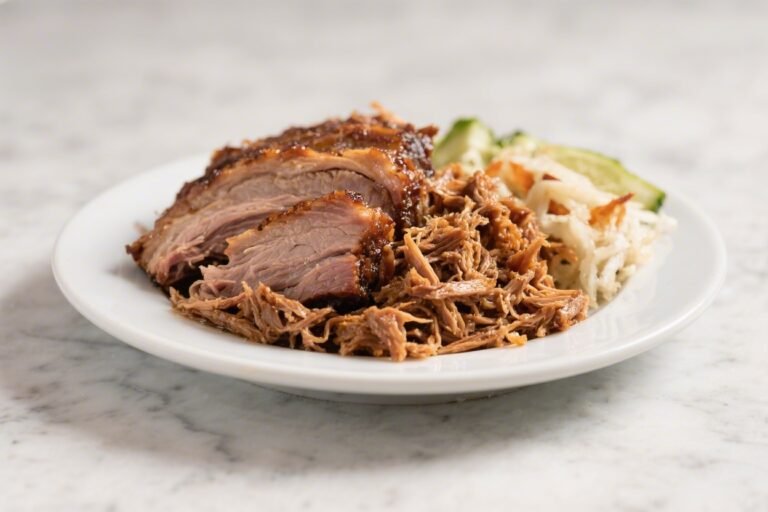
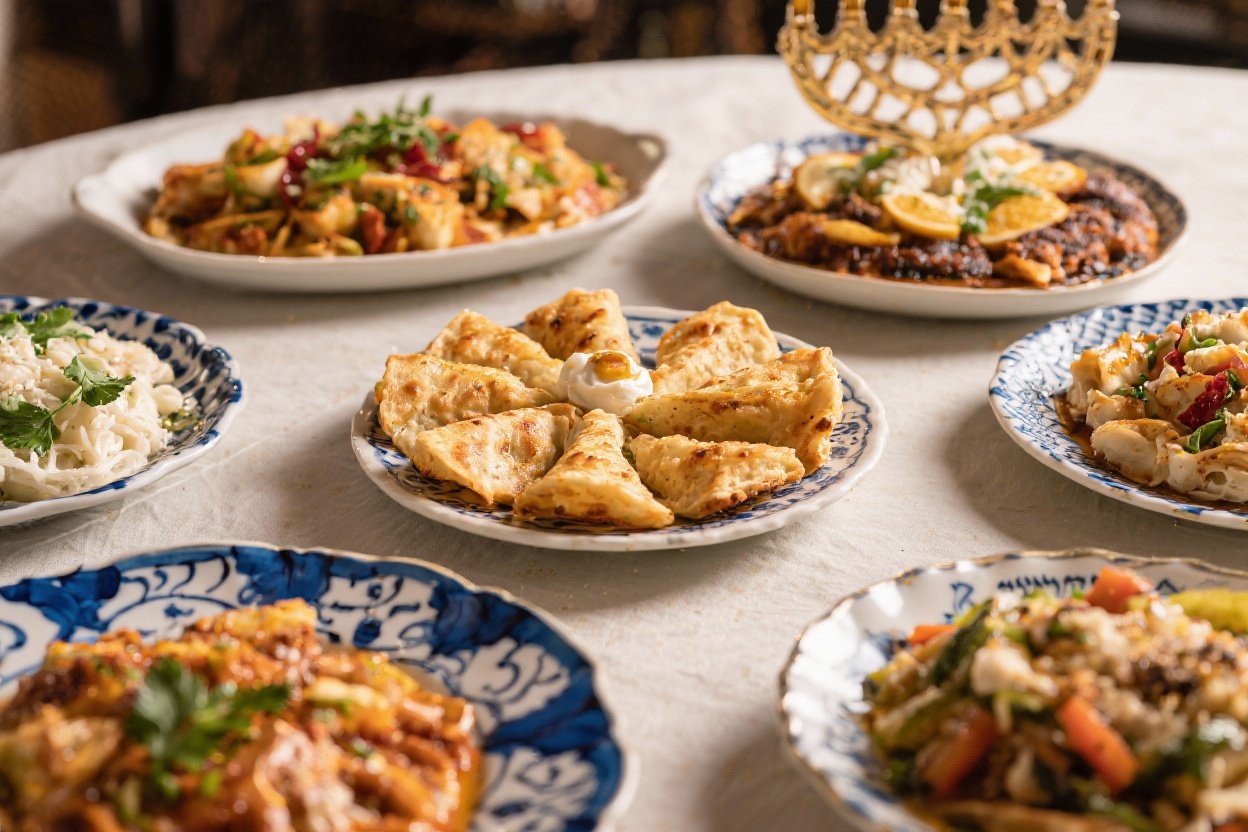
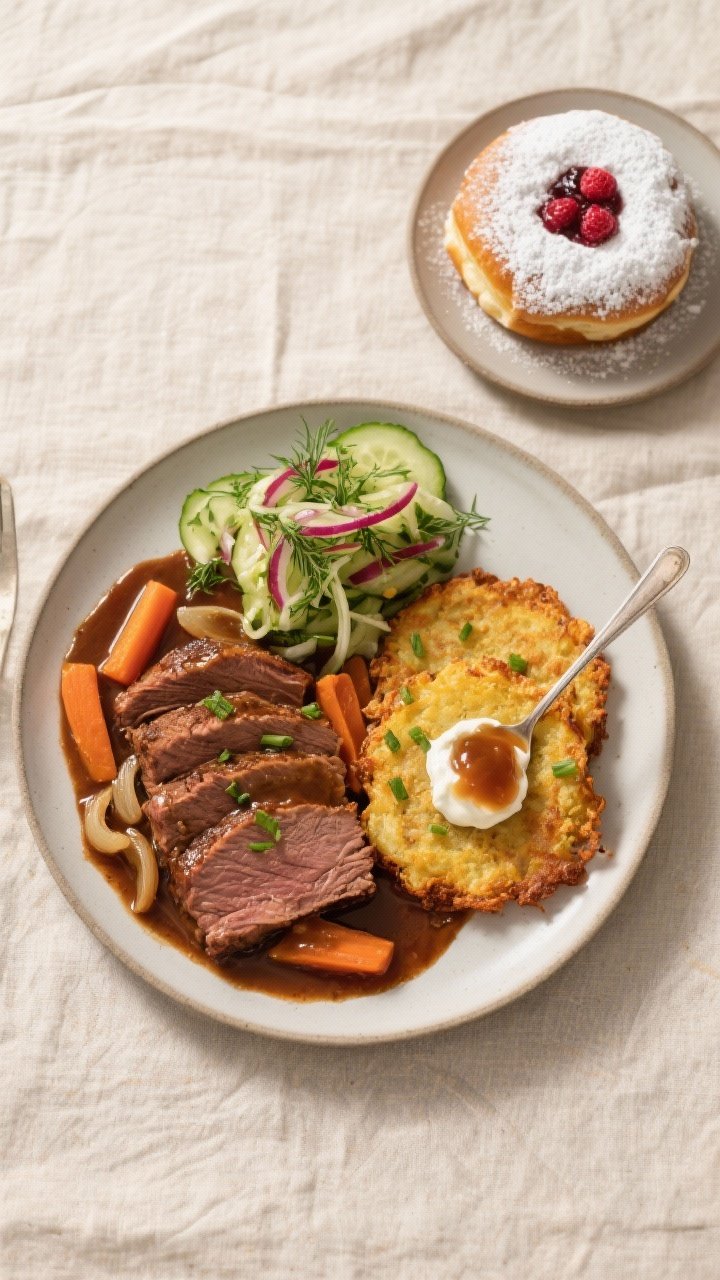
Hanukkah is all about warmth, light, and gathering around the table with the people you love. The foods are simple, satisfying, and steeped in meaning, especially dishes fried in oil to honor the miracle of the menorah. This dinner menu focuses on beloved classics—crisp potato latkes, tender brisket, sweet-tart applesauce, rich sufganiyot (jelly doughnuts), and bright sides that balance the meal.
Whether you’re hosting a big family crowd or keeping things cozy, these recipes bring history and flavor together in a way that feels welcoming and celebratory.
Traditional Hanukkah Dinner Recipes - Comforting Classics for the Festival of Lights
Ingredients
Method
- Start the Brisket (2.5–3.5 hours): Preheat oven to 325°F (165°C). Pat brisket dry and season with salt and pepper. In a heavy Dutch oven, heat olive oil over medium-high and sear brisket 4–5 minutes per side until browned.Remove and set aside.
- Build the braise: In the same pot, sauté onions and carrots until lightly browned, 6–8 minutes. Stir in garlic for 30 seconds. Add tomato paste, paprika, broth, wine (if using), and bay leaf.Nestle brisket back in, fat side up. Bring to a simmer, cover, and braise in the oven until fork-tender, 2.5–3 hours.
- Make the Applesauce: Combine apples, water, sugar or honey (if using), cinnamon, and a pinch of salt in a saucepan. Bring to a simmer, cover, and cook 15–20 minutes until soft.Mash for chunky or blend for smooth. Adjust sweetness and set aside.
- Prep the Cucumber-Dill Salad: Toss cucumbers, red onion, and dill with vinegar, olive oil, sugar, and salt. Chill until serving for best flavor.
- Mix the Sufganiyot Dough: In a bowl, combine warm milk, yeast, and sugar.Let bloom 5–10 minutes until foamy. Add flour, eggs, butter, and salt. Knead 5–7 minutes until smooth.Place in a greased bowl, cover, and rise until doubled, about 1 hour.
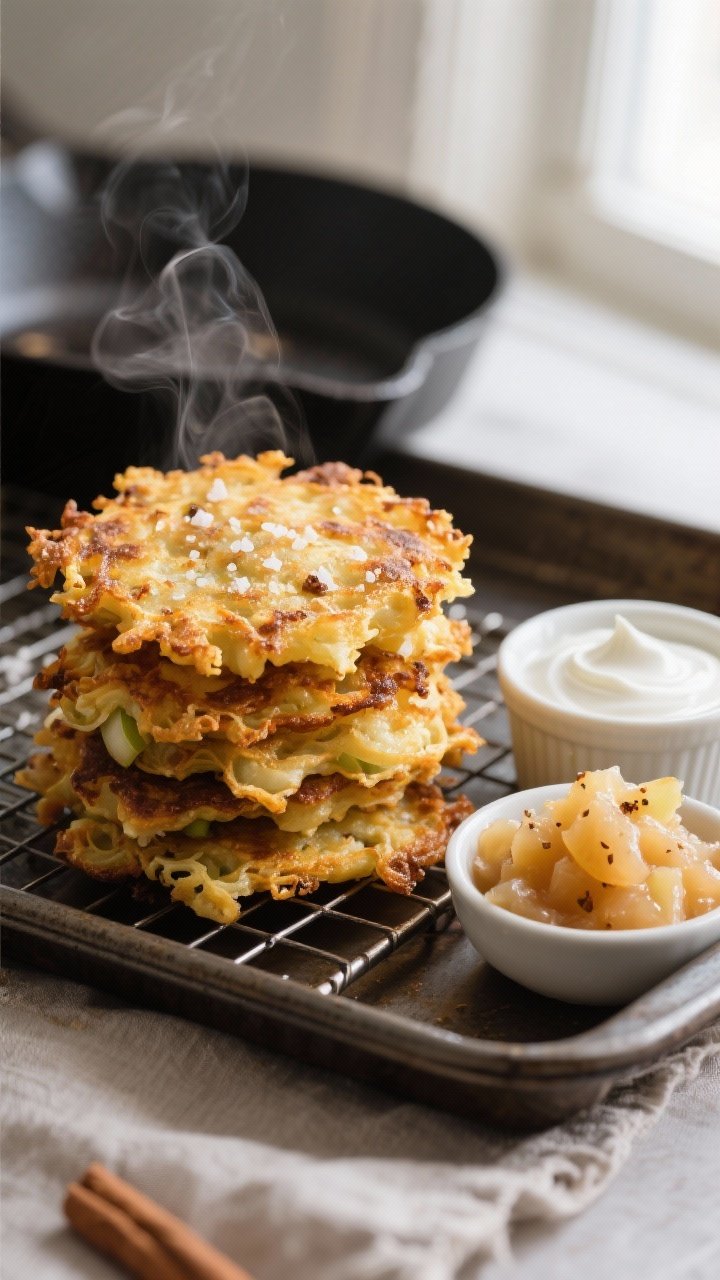
- Latke Prep: Grate potatoes and onion on the large holes of a grater. Place in a clean towel and wring out as much liquid as possible. In a bowl, combine potato-onion mixture with eggs, matzo meal or flour, salt, and pepper.Stir until cohesive but not wet.
- Fry the Latkes: Heat 1/4 inch oil in a wide skillet over medium-high until shimmering. Drop 1/4-cup mounds and flatten gently. Fry 3–4 minutes per side until golden and crisp.Drain on a rack or paper towels. Keep warm in a 250°F (120°C) oven.
- Finish the Brisket: When tender, transfer brisket to a board. Skim fat from braising liquid and reduce on the stovetop to a silky gravy, 8–10 minutes.Slice brisket against the grain and return slices to the sauce. Season to taste.
- Fry the Sufganiyot: Punch down the dough. Roll to 1/2 inch thick and cut rounds (2–3 inches).Proof 20–30 minutes until puffy. Heat oil to 350°F (175°C). Fry 1–2 minutes per side until golden.Drain, then pipe jam into each doughnut and dust with powdered sugar.
- Serve: Plate latkes with applesauce and sour cream. Serve brisket with carrots and gravy, plus cucumber-dill salad for freshness. Finish with sufganiyot warm from the fryer.
Why This Recipe Works
- Time-tested flavors: Each dish reflects Hanukkah traditions—oil-fried latkes and doughnuts, slow-cooked meats, and fresh, seasonal sides.
- Balanced menu: Rich mains are paired with crisp salads and tangy condiments for a meal that feels hearty but not heavy.
- Make-ahead friendly: Brisket and applesauce can be prepared in advance, so you can enjoy the evening instead of cooking under pressure.
- Crowd-pleasing and flexible: Easy to scale, easy to adapt for dietary needs, and perfect for mixed-age gatherings.
Ingredients
Main Dishes
- Classic Potato Latkes:
- 6 large russet potatoes, peeled
- 1 large yellow onion
- 3 large eggs
- 1/2 cup matzo meal or all-purpose flour
- 1 1/2 teaspoons kosher salt
- 1/2 teaspoon black pepper
- Neutral oil (canola or sunflower) for frying
- Slow-Braised Brisket:
- 4–5 pounds beef brisket, first cut
- 2 teaspoons kosher salt, plus more to taste
- 1 teaspoon black pepper
- 2 tablespoons olive oil
- 2 large onions, sliced
- 4 cloves garlic, minced
- 3 large carrots, cut into chunks
- 2 cups beef broth
- 1 cup dry red wine (optional; replace with broth if preferred)
- 2 tablespoons tomato paste
- 2 teaspoons paprika
- 1 bay leaf
Sides and Condiments
- Homemade Applesauce:
- 6 large apples (Granny Smith + Honeycrisp mix), peeled, cored, chopped
- 1/2 cup water
- 1–2 tablespoons sugar or honey (optional)
- 1/2 teaspoon cinnamon (optional)
- Pinch of salt
- Simple Cucumber-Dill Salad:
- 2 English cucumbers, thinly sliced
- 1/4 red onion, thinly sliced
- 3 tablespoons fresh dill, chopped
- 3 tablespoons white wine vinegar
- 1 tablespoon olive oil
- 1 teaspoon sugar
- 1/2 teaspoon kosher salt
- Sour Cream: 1 cup for serving with latkes
Dessert
- Sufganiyot (Jelly Doughnuts):
- 2 1/4 teaspoons active dry yeast
- 3/4 cup warm milk or plant milk
- 3 tablespoons sugar
- 2 1/4 cups all-purpose flour
- 2 large eggs
- 2 tablespoons unsalted butter, softened (or neutral oil)
- 1/2 teaspoon kosher salt
- Neutral oil for frying
- 1 cup raspberry or strawberry jam
- Powdered sugar for dusting
Step-by-Step Instructions
- Start the Brisket (2.5–3.5 hours): Preheat oven to 325°F (165°C). Pat brisket dry and season with salt and pepper. In a heavy Dutch oven, heat olive oil over medium-high and sear brisket 4–5 minutes per side until browned.
Remove and set aside.
- Build the braise: In the same pot, sauté onions and carrots until lightly browned, 6–8 minutes. Stir in garlic for 30 seconds. Add tomato paste, paprika, broth, wine (if using), and bay leaf.
Nestle brisket back in, fat side up. Bring to a simmer, cover, and braise in the oven until fork-tender, 2.5–3 hours.
- Make the Applesauce: Combine apples, water, sugar or honey (if using), cinnamon, and a pinch of salt in a saucepan. Bring to a simmer, cover, and cook 15–20 minutes until soft.
Mash for chunky or blend for smooth. Adjust sweetness and set aside.
- Prep the Cucumber-Dill Salad: Toss cucumbers, red onion, and dill with vinegar, olive oil, sugar, and salt. Chill until serving for best flavor.
- Mix the Sufganiyot Dough: In a bowl, combine warm milk, yeast, and sugar.
Let bloom 5–10 minutes until foamy. Add flour, eggs, butter, and salt. Knead 5–7 minutes until smooth.
Place in a greased bowl, cover, and rise until doubled, about 1 hour.
- Latke Prep: Grate potatoes and onion on the large holes of a grater. Place in a clean towel and wring out as much liquid as possible. In a bowl, combine potato-onion mixture with eggs, matzo meal or flour, salt, and pepper.
Stir until cohesive but not wet.
- Fry the Latkes: Heat 1/4 inch oil in a wide skillet over medium-high until shimmering. Drop 1/4-cup mounds and flatten gently. Fry 3–4 minutes per side until golden and crisp.
Drain on a rack or paper towels. Keep warm in a 250°F (120°C) oven.
- Finish the Brisket: When tender, transfer brisket to a board. Skim fat from braising liquid and reduce on the stovetop to a silky gravy, 8–10 minutes.
Slice brisket against the grain and return slices to the sauce. Season to taste.
- Fry the Sufganiyot: Punch down the dough. Roll to 1/2 inch thick and cut rounds (2–3 inches).
Proof 20–30 minutes until puffy. Heat oil to 350°F (175°C). Fry 1–2 minutes per side until golden.
Drain, then pipe jam into each doughnut and dust with powdered sugar.
- Serve: Plate latkes with applesauce and sour cream. Serve brisket with carrots and gravy, plus cucumber-dill salad for freshness. Finish with sufganiyot warm from the fryer.
Keeping It Fresh
- Make-ahead brisket: Brisket tastes even better the next day.
Chill overnight, slice cold, and reheat in its sauce.
- Crisp latkes on demand: Par-fry latkes until lightly golden, cool, and freeze. Re-crisp on a sheet pan at 425°F (220°C) for 10–12 minutes.
- Applesauce storage: Keeps 5–7 days in the fridge or up to 3 months in the freezer.
- Doughnut timing: Fry sufganiyot close to serving for the best texture. Rewarm briefly in a low oven, not the microwave.
Benefits of This Recipe
- Tradition and meaning: Fried foods honor the Hanukkah story, while brisket and applesauce connect generations.
- Approachable techniques: Nothing here requires special equipment beyond a heavy pot and a skillet.
- Scalable for guests: Double the latkes and brisket for larger crowds without extra stress.
- Balanced flavors: Crispy, savory, sweet, and fresh elements keep the meal lively.
Pitfalls to Watch Out For
- Soggy latkes: Insufficient potato draining or oil that’s not hot enough leads to limp pancakes.
Aim for 350–375°F (175–190°C).
- Tough brisket: Undercooking is the usual culprit. Keep braising until you can easily insert a fork and twist.
- Greasy frying: Overcrowding the pan drops oil temperature. Fry in batches and reheat between rounds if needed.
- Bland seasoning: Taste and adjust salt, acid, and sweetness—especially in applesauce and the brisket gravy.
Recipe Variations
- Latke swaps: Try sweet potato or zucchini latkes; add scallions, chives, or a pinch of cayenne for heat.
- Brisket twist: Add sliced mushrooms, a splash of pomegranate juice, or prunes for a subtle sweetness.
- Dairy-free options: Use plant-based milk and oil in sufganiyot; serve latkes with dairy-free sour cream.
- Baked doughnuts: Not traditional, but you can bake yeasted doughnuts at 375°F (190°C) until golden, then fill and dust.
- Applesauce upgrades: Add lemon zest or a splash of apple cider for brightness.
FAQ
Can I make the latke batter ahead of time?
Yes, but it can discolor.
If prepping early, store grated potatoes in cold water, then drain and wring out right before mixing with eggs and flour. Fry just before serving or re-crisp in the oven.
What cut of brisket should I buy?
Look for the first cut (flat) for neater slices. If you prefer richer, more marbled meat, the second cut (point) is great, but expect a bit more fat.
How do I keep latkes warm without losing crunch?
Place them on a wire rack set over a sheet pan in a 250°F (120°C) oven.
Avoid stacking or covering, which traps steam and softens them.
Can I skip the wine in the brisket?
Absolutely. Replace with extra beef broth and add a teaspoon of balsamic vinegar or a splash of pomegranate juice for depth.
What oil is best for frying?
Use a neutral, high-heat oil like canola, sunflower, or peanut oil. These stay stable at frying temperatures and won’t overpower the flavors.
How do I fill sufganiyot without special tools?
A zip-top bag with a small corner snipped works.
Use a skewer to make a channel in each doughnut, then pipe jam in until the doughnut feels slightly heavier.
Any gluten-free options?
Yes. Use potato starch or a 1:1 gluten-free flour in latkes, and choose a gluten-free flour blend for sufganiyot. Check that broth and other ingredients are certified gluten-free if needed.
In Conclusion
This Hanukkah dinner leans on the classics for good reason: they’re delicious, meaningful, and perfect for sharing.
With a little planning, you’ll turn out crisp latkes, tender brisket, bright sides, and jam-filled sufganiyot without stress. Keep the oil hot, the flavors bold, and the table full. Most of all, enjoy the glow of good food and good company.
Chag Sameach!