Protein-Packed Minestrone With Beans – Comforting, Hearty, and Simple
There’s a reason minestrone is a classic: it’s comforting, cozy, and full of flavor. This version leans into beans for an extra protein boost that keeps you full and satisfied without weighing you down. It’s the kind of soup that feels like a warm hug on a weeknight and still tastes great the next day.
The ingredients are straightforward, the steps are easy, and you can tweak it to fit what you have on hand. Whether you’re feeding a family or meal-prepping for yourself, this pot does the job beautifully.
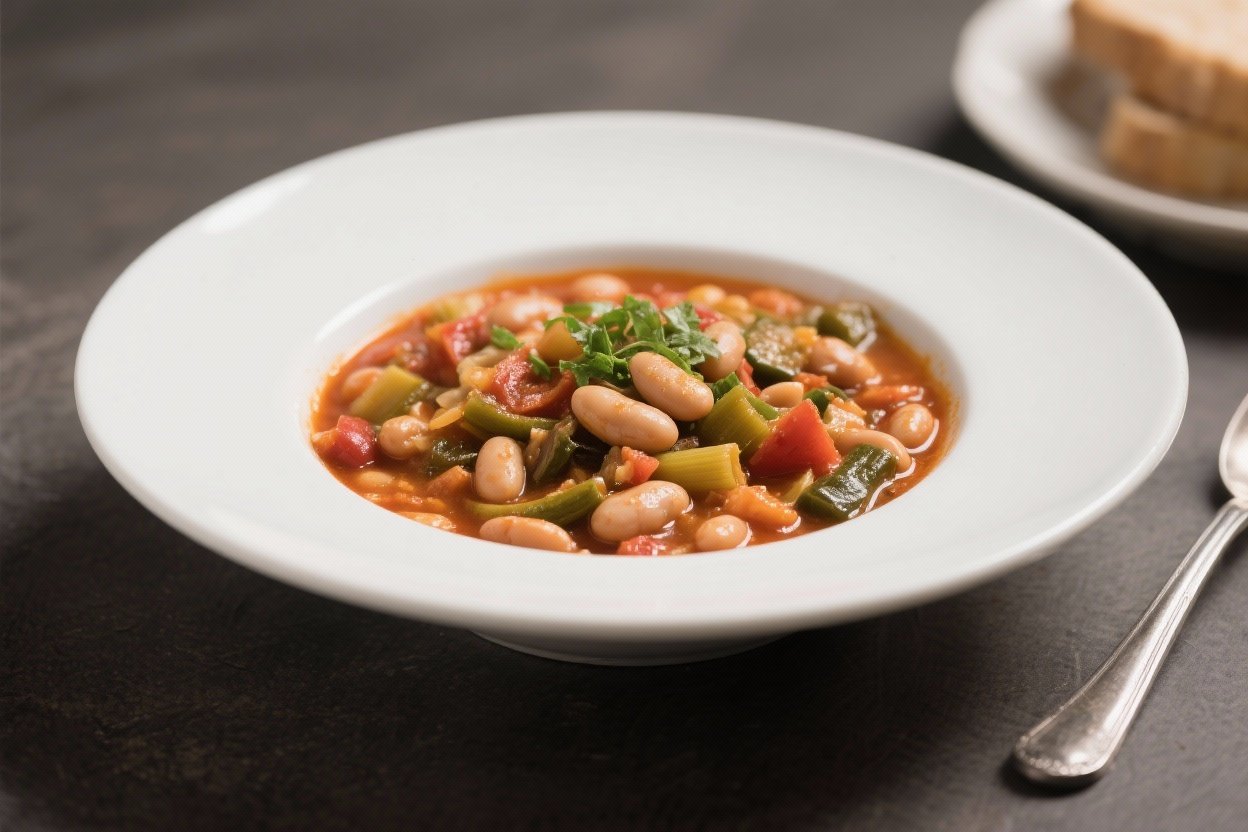
Protein-Packed Minestrone With Beans – Comforting, Hearty, and Simple
Ingredients
Method
- Warm the pot: Heat olive oil in a large soup pot over medium heat.Add onion, carrots, and celery. Cook, stirring occasionally, until softened and lightly golden, about 6–8 minutes.
- Build flavor: Add garlic, oregano, basil, red pepper flakes, and bay leaf. Stir for 30–60 seconds until fragrant.Add tomato paste and cook another minute to caramelize it slightly.
- Add tomatoes and broth: Pour in the diced tomatoes and broth. Stir well, scraping up any browned bits on the bottom of the pot.
- Simmer the veggies: Add zucchini and green beans. Bring to a gentle simmer and cook for 8–10 minutes until the vegetables start to soften.
- Stir in beans and pasta: Add cannellini beans and chickpeas (or kidney beans).Add pasta and stir. Simmer until the pasta is al dente, usually 8–10 minutes, stirring occasionally so it doesn’t stick. If using quinoa instead, simmer 12–15 minutes until tender.
- Add greens: Stir in spinach, kale, or chard.Cook 2–3 minutes until wilted and tender.
- Season and brighten: Remove the bay leaf. Add salt, pepper, and lemon juice. Taste and adjust seasoning—more salt, pepper, or lemon as needed.
- Serve: Ladle into bowls.Top with chopped parsley or basil and a sprinkle of Parmesan if you like. Add a lemon wedge on the side for extra brightness.
What Makes This Recipe So Good

- High in protein and fiber: Beans and whole-grain pasta (or quinoa) deliver staying power and steady energy.
- Flexible and forgiving: Use any mix of vegetables, beans, and greens. It’s a smart way to clear out the fridge.
- Big flavor, simple method: A quick sauté, a gentle simmer, and a bright finish with lemon and herbs.
- Budget-friendly and pantry-friendly: Canned tomatoes, beans, and broth do most of the heavy lifting.
- Meal-prep gold: Makes a generous batch that reheats well for lunches and dinners all week.
What You’ll Need
- 2 tablespoons olive oil
- 1 medium yellow onion, diced
- 2 medium carrots, diced
- 2 celery stalks, diced
- 3 garlic cloves, minced
- 1 teaspoon dried oregano
- 1 teaspoon dried basil (or Italian seasoning)
- 1/2 teaspoon red pepper flakes (optional, for heat)
- 1 bay leaf
- 1 tablespoon tomato paste
- 1 (14.5-ounce) can diced tomatoes
- 6 cups low-sodium vegetable broth (or chicken broth if not vegetarian)
- 1 (15-ounce) can cannellini beans, drained and rinsed
- 1 (15-ounce) can chickpeas or kidney beans, drained and rinsed
- 1 small zucchini, diced
- 1 cup green beans, trimmed and chopped (fresh or frozen)
- 1 cup small pasta (ditalini, elbow, or shells) or 3/4 cup quinoa
- 2 cups chopped leafy greens (spinach, kale, or Swiss chard)
- 1 teaspoon kosher salt (plus more to taste)
- 1/2 teaspoon black pepper
- Juice of 1/2 lemon (plus wedges for serving)
- Fresh parsley or basil, chopped (for garnish)
- Grated Parmesan or vegan Parmesan (optional, for serving)
Instructions

- Warm the pot: Heat olive oil in a large soup pot over medium heat.Add onion, carrots, and celery. Cook, stirring occasionally, until softened and lightly golden, about 6–8 minutes.
- Build flavor: Add garlic, oregano, basil, red pepper flakes, and bay leaf. Stir for 30–60 seconds until fragrant.Add tomato paste and cook another minute to caramelize it slightly.
- Add tomatoes and broth: Pour in the diced tomatoes and broth. Stir well, scraping up any browned bits on the bottom of the pot.
- Simmer the veggies: Add zucchini and green beans. Bring to a gentle simmer and cook for 8–10 minutes until the vegetables start to soften.
- Stir in beans and pasta: Add cannellini beans and chickpeas (or kidney beans).Add pasta and stir. Simmer until the pasta is al dente, usually 8–10 minutes, stirring occasionally so it doesn’t stick. If using quinoa instead, simmer 12–15 minutes until tender.
- Add greens: Stir in spinach, kale, or chard.Cook 2–3 minutes until wilted and tender.
- Season and brighten: Remove the bay leaf. Add salt, pepper, and lemon juice. Taste and adjust seasoning—more salt, pepper, or lemon as needed.
- Serve: Ladle into bowls.Top with chopped parsley or basil and a sprinkle of Parmesan if you like. Add a lemon wedge on the side for extra brightness.
Keeping It Fresh
- Storage: Let the soup cool completely, then store in airtight containers in the fridge for up to 4 days.
- Separate the starch: If you plan to keep it longer, cook and store the pasta separately so it doesn’t soak up too much broth. Add it to bowls as you reheat.
- Freezing: Freeze without pasta for best texture.Portion into freezer-safe containers and freeze for up to 3 months. Thaw overnight in the fridge, then reheat gently and add freshly cooked pasta.
- Reheating: Warm on the stovetop over medium heat, adding a splash of water or broth if it has thickened. Finish with fresh lemon and herbs to revive the flavors.
Benefits of This Recipe
- Protein-rich and filling: Beans bring plant-based protein that supports muscles and keeps hunger in check.
- Gut-friendly fiber: Vegetables, beans, and whole grains offer fiber that helps digestion and steady energy.
- Nutrient-dense: You get vitamins, minerals, and antioxidants from a rainbow of produce.
- Heart-smart: Olive oil, beans, and greens align with a Mediterranean-style approach to eating.
- Versatile for many diets: Easy to make vegetarian, vegan, dairy-free, and even gluten-free with the right pasta or quinoa.
Pitfalls to Watch Out For
- Overcooked pasta: Pasta continues to soften as it sits.Cook to al dente and avoid long, rolling boils.
- Under-seasoning: Broth and beans can be bland. Taste often and layer salt, pepper, and acidity for balance.
- Mushy vegetables: Add tender vegetables later in the cook so they keep some bite.
- Too thick or too thin: Add broth or water if it reduces too much. Simmer a few extra minutes uncovered if it’s too soupy.
- Skipping the acid: A squeeze of lemon at the end lifts everything.Don’t skip it.
Alternatives
- Protein swaps: Add chicken sausage, turkey, or cubed tofu. Stir in cooked shredded chicken at the end if you’re not keeping it vegetarian.
- Bean options: Use black beans, navy beans, or lentils. If using dry lentils, simmer them in the broth 15–20 minutes before adding pasta.
- Grain and pasta swaps: Try whole-wheat pasta, farro, barley, or gluten-free pasta.Quinoa keeps it light and high-protein.
- Veggie variations: Add bell peppers, peas, sweet potatoes, or cabbage. Use frozen vegetables to save time.
- Flavor boosters: Add a Parmesan rind to the pot while simmering, finish with pesto, or swirl in a spoonful of harissa for heat.
FAQ
Can I make this soup in a slow cooker?
Yes. Sauté the aromatics first on the stovetop for best flavor, then transfer to a slow cooker with tomatoes, broth, beans, and hearty veggies.
Cook on Low for 6–7 hours or High for 3–4 hours. Add pasta and greens in the last 20–30 minutes so they don’t overcook.
How do I keep the pasta from getting soggy?
Cook it al dente and store it separately if you’re meal-prepping. Add pasta to each bowl just before serving or reheating.
A splash of broth helps loosen the soup if it thickens.
What if I don’t have tomato paste?
You can skip it or add an extra handful of chopped tomatoes. For deeper flavor, stir in a teaspoon of soy sauce or balsamic vinegar to round out the broth.
Is this recipe gluten-free?
It can be. Use gluten-free pasta or quinoa and check your broth and canned beans for certified gluten-free labels.
How can I increase the protein even more?
Add another can of beans, stir in cooked lentils, or use quinoa instead of pasta.
You can also finish with a dollop of Greek yogurt on individual bowls if you’re not dairy-free.
Can I use fresh tomatoes instead of canned?
Yes. Use about 2 cups of chopped ripe tomatoes. The flavor will be lighter and fresher; you may need a pinch of sugar if the tomatoes are very acidic.
What herbs work best?
Dried oregano and basil keep it classic.
Fresh parsley or basil at the end adds brightness. A sprig of rosemary or thyme simmered with the broth is also great.
How much salt should I use?
Start with 1 teaspoon kosher salt and adjust. Low-sodium broth and rinsed beans give you room to season gradually.
Taste after adding lemon, since acidity changes the perception of saltiness.
In Conclusion
Protein-Packed Minestrone with Beans is the kind of everyday recipe that earns a spot in your regular rotation. It’s wholesome, flexible, and loaded with flavor without demanding much effort. Make a big pot, tuck a few servings in the fridge or freezer, and you’ve got satisfying meals ready to go.
A little lemon, a handful of herbs, and a sprinkle of Parmesan bring it all together every time.