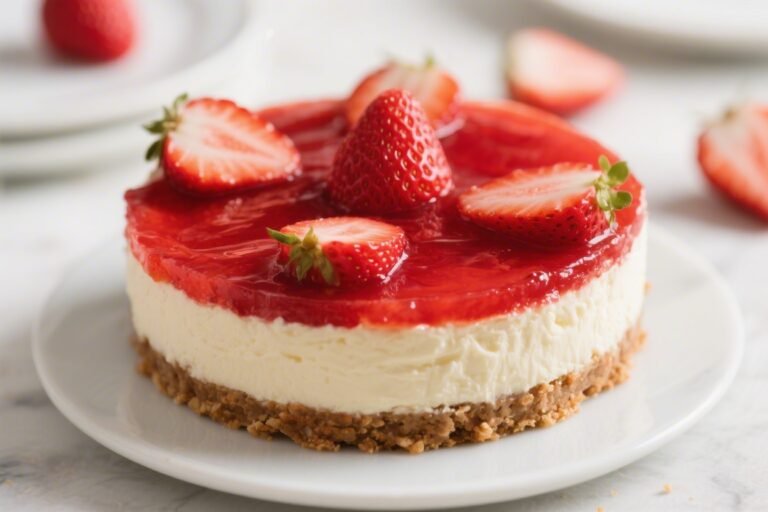
Lemon Meringue Pie – Bright, Tangy, and Comforting
Lemon meringue pie feels like sunshine on a plate. The flaky crust, silky lemon filling, and cloud-like meringue come together in a beautiful balance of tart and sweet. It’s a classic dessert that looks impressive but is completely doable at home.
With a few tips and a steady pace, you’ll get clean slices and glossy peaks every time. If you love citrus and crave a dessert that’s light yet satisfying, this one delivers.

Lemon Meringue Pie – Bright, Tangy, and Comforting
Ingredients
Method
- Make the crust. In a bowl, combine flour and salt.Cut in the cold butter with a pastry cutter or fingertips until pea-sized bits form. Sprinkle in ice water, 1 tablespoon at a time, until the dough holds together when pressed.
- Chill and roll. Form into a disk, wrap, and chill 30 minutes. Roll on a lightly floured surface into a 12-inch circle.Fit into a 9-inch pie plate, trim, and crimp edges.
- Blind bake. Prick the base with a fork. Line with parchment and fill with pie weights or dried beans. Bake at 400°F (200°C) for 15 minutes.Remove weights and parchment, bake 8–10 minutes more until golden. Cool on a rack.
- Set up the lemon filling. In a medium saucepan, whisk sugar, cornstarch, and salt. Whisk in water until smooth.Cook over medium heat, stirring, until the mixture thickens and bubbles, 5–7 minutes.
- Add lemon and eggs. Remove from heat. Whisk in lemon juice and zest. Slowly whisk a few spoonfuls of the hot mixture into the egg yolks to temper, then return the yolk mixture to the pan.
- Finish the filling. Cook 2–3 minutes over low heat, stirring constantly, until glossy and thick.Remove from heat and stir in butter until melted. Pour filling into the warm crust.
- Make the meringue. In a clean, grease-free bowl, beat egg whites and cream of tartar on medium speed until soft peaks form. Gradually add sugar, 1 tablespoon at a time, beating until stiff, glossy peaks form. Beat in vanilla.
- Top the pie. Spread meringue over the hot filling, sealing all edges to the crust to prevent weeping.Create swoops and peaks with a spoon.
- Bake to set. Bake at 350°F (175°C) for 12–15 minutes, until the meringue is golden on top. The peaks should be lightly browned.
- Cool and set. Cool on a rack until room temperature, then chill at least 3 hours for clean slices. Use a sharp, damp knife to slice.
What Makes This Special

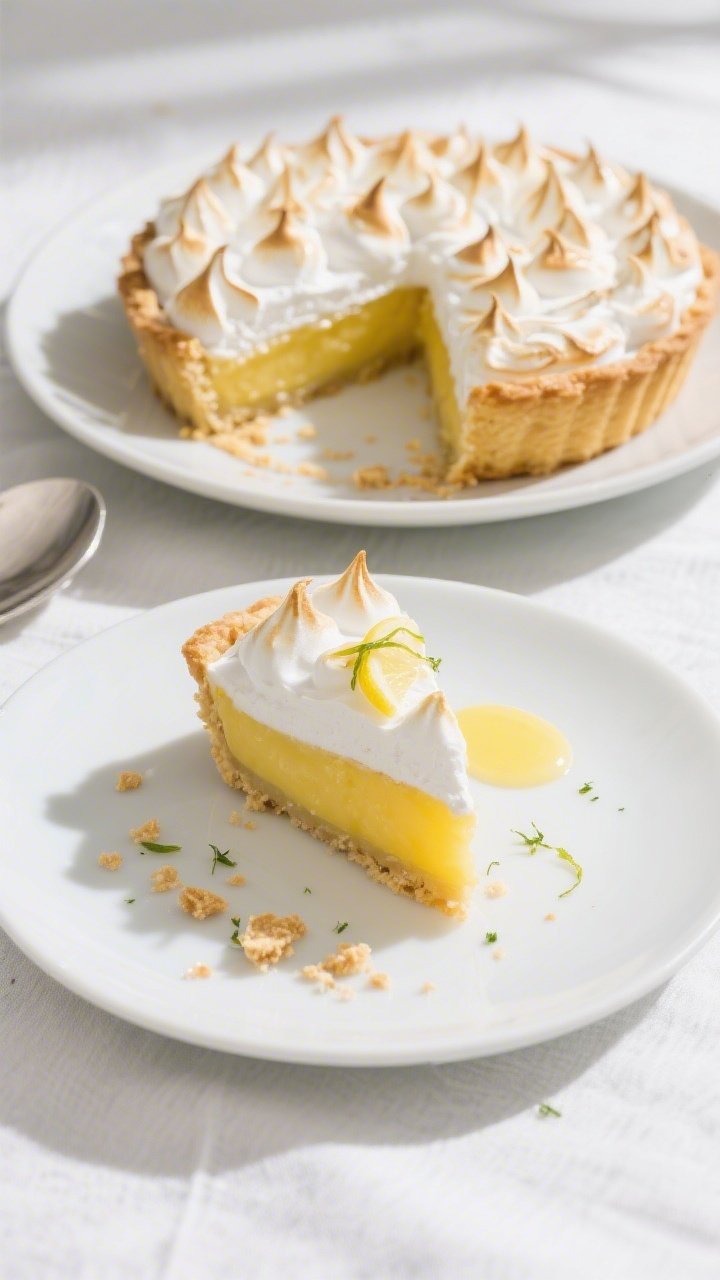
This pie celebrates contrast. The lemon filling is bold and tangy, while the meringue is soft, airy, and just sweet enough.
Everything sits in a crisp, buttery crust that holds its shape.
It’s also a make-ahead winner. The flavors bloom in the fridge, and the meringue stays fluffy when treated right. Plus, the ingredients are simple pantry staples—eggs, sugar, lemons, and cornstarch—so you can whip it up without a specialty run.
Ingredients
- For the crust:
- 1 1/4 cups (160 g) all-purpose flour
- 1/2 cup (115 g) cold unsalted butter, cubed
- 1/4 teaspoon fine salt
- 2–4 tablespoons ice water
- For the lemon filling:
- 1 1/4 cups (250 g) granulated sugar
- 1/3 cup (40 g) cornstarch
- 1/4 teaspoon fine salt
- 1 3/4 cups (415 ml) water
- 1/2 cup (120 ml) fresh lemon juice (about 3–4 lemons)
- 1 tablespoon finely grated lemon zest
- 4 large egg yolks, lightly beaten
- 2 tablespoons unsalted butter
- For the meringue:
- 4 large egg whites, room temperature
- 1/2 teaspoon cream of tartar
- 1/2 cup (100 g) granulated sugar, superfine if possible
- 1 teaspoon vanilla extract
Instructions
- Make the crust. In a bowl, combine flour and salt.Cut in the cold butter with a pastry cutter or fingertips until pea-sized bits form. Sprinkle in ice water, 1 tablespoon at a time, until the dough holds together when pressed.
- Chill and roll. Form into a disk, wrap, and chill 30 minutes. Roll on a lightly floured surface into a 12-inch circle.Fit into a 9-inch pie plate, trim, and crimp edges.
- Blind bake. Prick the base with a fork. Line with parchment and fill with pie weights or dried beans. Bake at 400°F (200°C) for 15 minutes.Remove weights and parchment, bake 8–10 minutes more until golden. Cool on a rack.
- Set up the lemon filling. In a medium saucepan, whisk sugar, cornstarch, and salt. Whisk in water until smooth.Cook over medium heat, stirring, until the mixture thickens and bubbles, 5–7 minutes.
- Add lemon and eggs. Remove from heat. Whisk in lemon juice and zest. Slowly whisk a few spoonfuls of the hot mixture into the egg yolks to temper, then return the yolk mixture to the pan.
- Finish the filling. Cook 2–3 minutes over low heat, stirring constantly, until glossy and thick.Remove from heat and stir in butter until melted. Pour filling into the warm crust.
- Make the meringue. In a clean, grease-free bowl, beat egg whites and cream of tartar on medium speed until soft peaks form. Gradually add sugar, 1 tablespoon at a time, beating until stiff, glossy peaks form. Beat in vanilla.
- Top the pie. Spread meringue over the hot filling, sealing all edges to the crust to prevent weeping.Create swoops and peaks with a spoon.
- Bake to set. Bake at 350°F (175°C) for 12–15 minutes, until the meringue is golden on top. The peaks should be lightly browned.
- Cool and set. Cool on a rack until room temperature, then chill at least 3 hours for clean slices. Use a sharp, damp knife to slice.
How to Store
Keep the pie covered in the refrigerator for up to 3 days.
A cake dome or an inverted bowl works well to protect the meringue without smushing it. Avoid plastic wrap touching the top; it can stick and pull off the peaks.
Do not freeze this pie. The texture of both the filling and meringue can break after thawing.
If you want to make components ahead, bake and cool the crust a day early, then prepare the filling and meringue the day you plan to serve.
Why This is Good for You
Lemons bring a boost of vitamin C and bright flavor, so you get a refreshing dessert that doesn’t feel heavy. The pie is also portion-friendly; a small slice satisfies thanks to the strong citrus punch. If you’re mindful of sugar, you can trim it slightly in the filling while keeping the texture intact.
It’s also a confidence-building bake.
You learn how to thicken with cornstarch, temper eggs, and whip a stable meringue—skills you can use in many desserts. There’s real value in mastering a classic that delights a crowd.
Common Mistakes to Avoid
- Undercooking the filling: If it’s not fully thickened on the stove, it won’t set in the pie. Look for slow bubbles and a glossy, pudding-like texture.
- Adding meringue to a cool filling: The filling should be hot when you add meringue.Heat helps “cook” the underside and prevents watery layers.
- Not sealing the edges: Always press the meringue to the crust all around. Gaps let steam escape and cause weeping.
- Greasy bowl for egg whites: Any fat prevents stiff peaks. Use a spotless metal or glass bowl and avoid plastic.
- Cutting too soon: The pie needs time to set.Chill for at least 3 hours before slicing to avoid a runny center.
Recipe Variations
- Graham cracker crust: Swap the pastry shell for a press-in crust (1 1/2 cups crumbs, 1/3 cup sugar, 6 tablespoons melted butter). Bake 8 minutes, cool, then fill.
- Meyer lemon twist: Use Meyer lemons for a sweeter, floral profile. Reduce sugar in the filling by 2 tablespoons if desired.
- Toasted coconut meringue: Fold 1/2 cup toasted coconut into the meringue for texture, and sprinkle extra on top after baking.
- Stabilized meringue: For extra insurance, whisk 1 teaspoon cornstarch with 1 tablespoon water, heat until clear, cool slightly, and beat into the meringue at the end.
- Gluten-free crust: Use a gluten-free flour blend or a nut-and-oat press-in crust.Ensure the filling thickener is certified gluten-free.
FAQ
How do I know when the meringue is ready?
Look for stiff, glossy peaks that stand up firmly when you lift the beaters. Rub a bit between your fingers; if it feels gritty, beat a little longer to dissolve the sugar. The meringue should look smooth and satiny.
Why did my pie weep liquid?
Weeping often comes from adding meringue to a cool filling or not sealing it to the crust.
Undissolved sugar in the meringue can also draw moisture. Use hot filling, fine sugar, and bake the topped pie until the meringue is fully set and lightly browned.
Can I reduce the sugar?
Yes, by about 2–3 tablespoons in the filling without hurting texture. Avoid cutting too much from the meringue, since sugar helps stabilize the foam.
If you use less, consider a cornstarch slurry to reinforce the meringue.
Can I make this ahead?
Make it the day you plan to serve, then chill. It stays fresh for 2–3 days, though the meringue looks best within 24 hours. You can bake the crust a day ahead and keep it covered at room temperature.
How do I get clean slices?
Chill the pie thoroughly.
Use a sharp, non-serrated knife dipped in hot water and wiped dry between cuts. Gentle, straight-down pressure works better than sawing motions.
What if I don’t have cream of tartar?
Lemon juice can help. Add 1/2 teaspoon to the egg whites before beating.
It’s not as effective as cream of tartar, but it adds acidity that supports structure.
Can I use bottled lemon juice?
Fresh juice is best for brightness and aroma. Bottled juice can taste flat or slightly bitter. If you must use it, add extra zest to boost flavor and balance.
In Conclusion
Lemon meringue pie is a timeless dessert that feels fresh every time you slice into it.
With a crisp crust, vibrant lemon center, and billowy meringue, it checks every box—texture, flavor, and looks. Follow the steps, give it time to set, and you’ll have a pie that’s both comforting and show-stopping. It’s the kind of bake that turns a regular meal into a celebration.