Japanese Fried Rice (Yakimeshi) – Simple, Savory, and Satisfying
Japanese fried rice, or yakimeshi, is the kind of meal you make once and keep coming back to. It’s quick, packed with flavor, and a great way to turn leftover rice into something special. The texture is light and slightly chewy, and every bite has a savory kick from soy sauce, sesame oil, and just the right amount of aromatics.
Add eggs, a bit of meat or shrimp, and some crisp veggies, and you’ve got dinner in minutes. It’s cozy, flexible, and incredibly dependable.
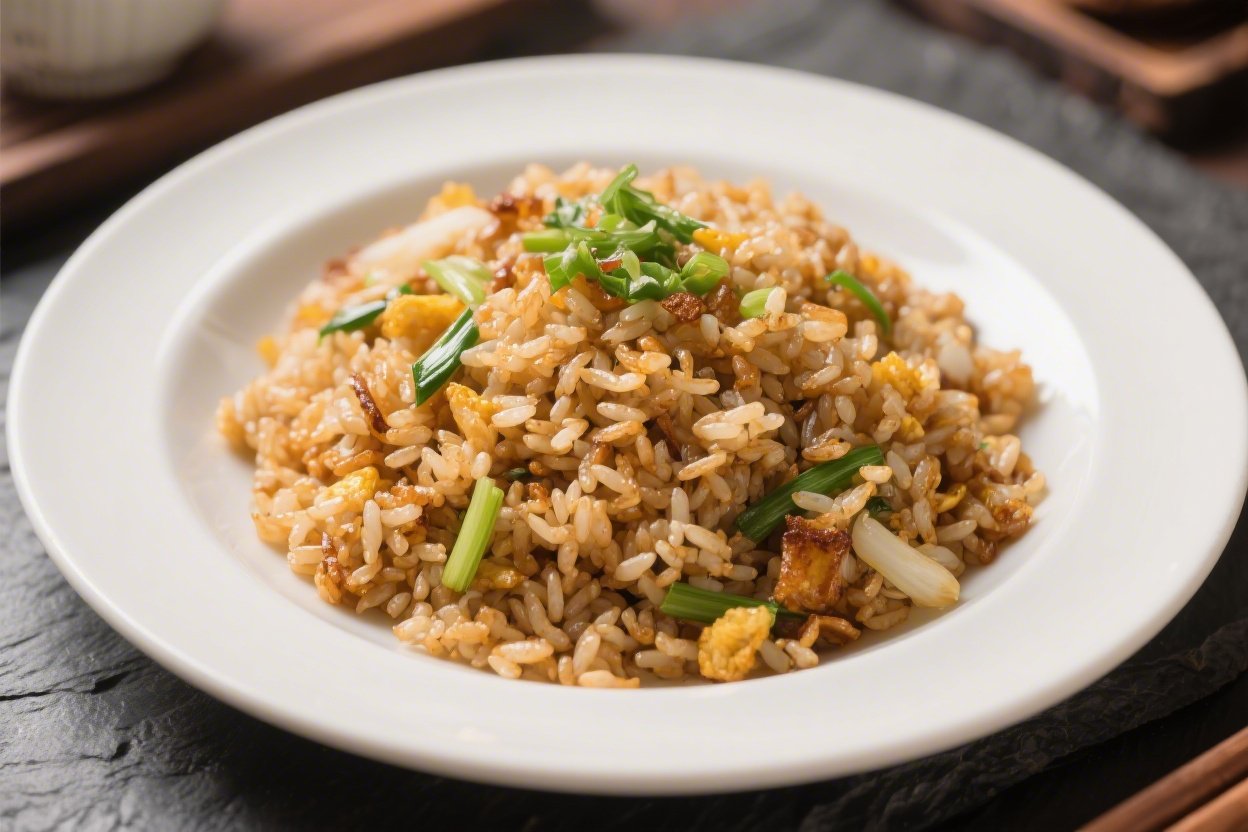
Japanese Fried Rice (Yakimeshi) - Simple, Savory, and Satisfying
Ingredients
Method
- Prep the rice: If using leftover rice, break up any clumps with your hands or a fork.If cooking fresh, spread it on a tray to steam off moisture and cool completely.
- Chop and organize: Have your onion, garlic, protein, and vegetables ready. Keep sauces measured and within reach. Stir-fries move fast.
- Preheat the pan: Heat a wok or large skillet over medium-high until very hot.Add 1 tablespoon neutral oil and swirl to coat.
- Scramble the eggs: Beat the eggs with a pinch of salt. Pour into the hot pan and scramble just until set but still soft. Remove to a plate.
- Cook the protein: Add a bit more oil if needed.Sauté your chosen protein until cooked through and lightly browned. Remove and set aside with the eggs.
- Stir-fry aromatics: Add the onion to the pan and cook until translucent and lightly golden. Add garlic and cook 20–30 seconds, just until fragrant.
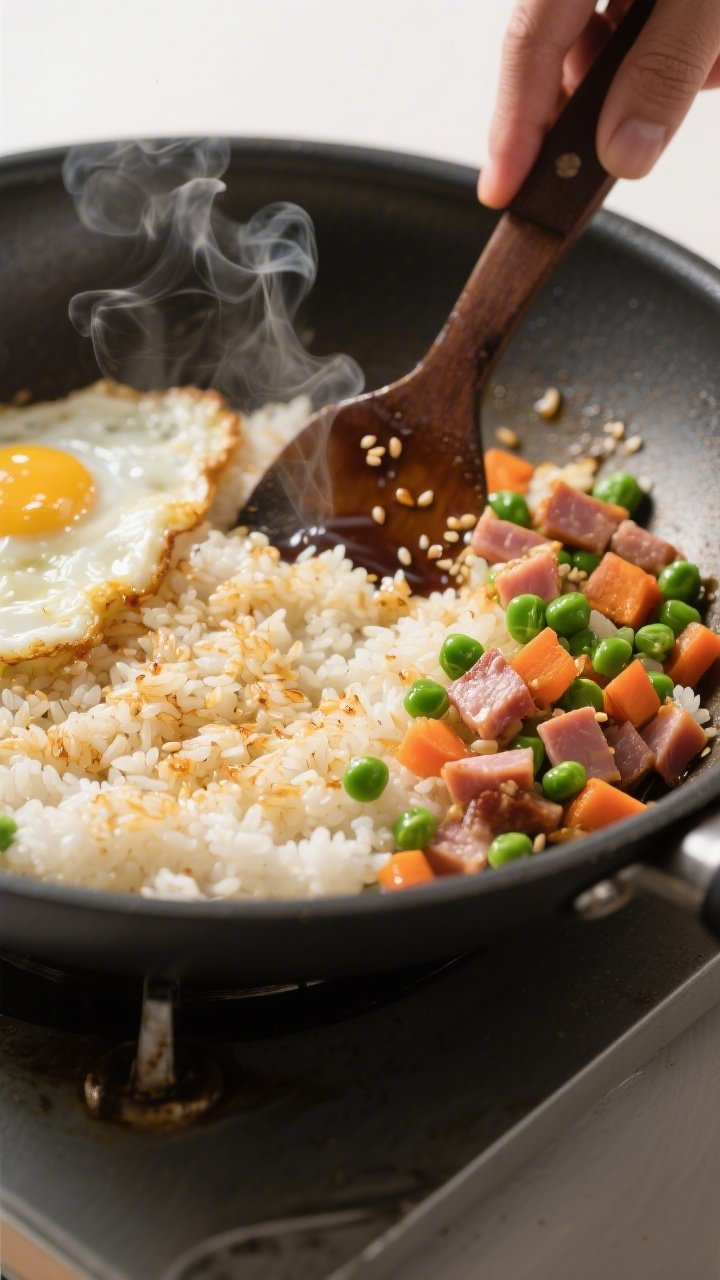
- Toast the rice: Add the rice and spread it out.Let it sit for 30–45 seconds to sear, then toss and repeat. This helps dry and toast the grains for better texture.
- Season: Drizzle soy sauce around the edges of the pan so it sizzles and distributes. Add oyster sauce if using.Toss well to coat evenly.
- Add veggies and mix-ins: Stir in peas, carrots, and any other vegetables. Return the eggs and protein to the pan. Toss until everything is hot and well combined.
- Finish: Add a small knob of butter and a light drizzle of sesame oil.Season with salt and pepper to taste. Fold in most of the green onions.
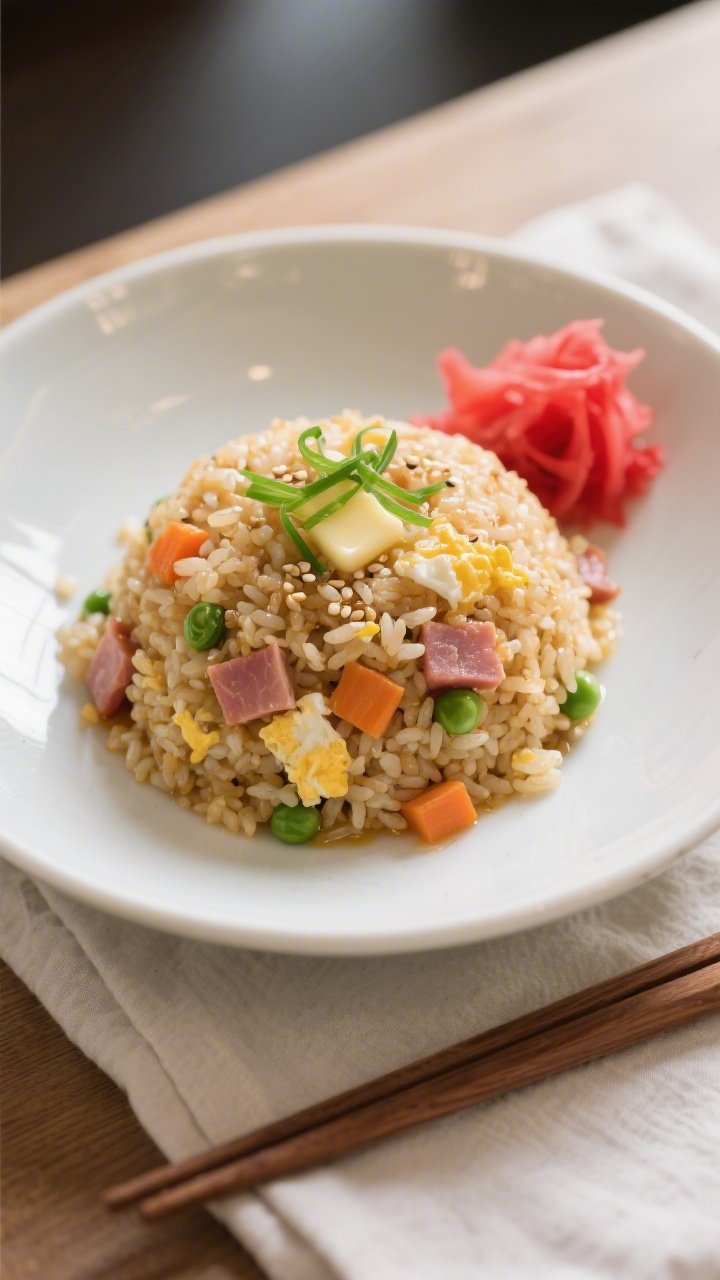
- Serve: Plate the fried rice and top with the remaining green onions. Add pickled ginger on the side if you like.
What Makes This Recipe So Good
- Fast and forgiving: With day-old rice and a hot pan, you can have a complete meal in under 20 minutes.
- Balanced flavor: A blend of soy sauce, a hint of oyster sauce, and sesame oil hits all the right notes without overpowering the rice.
- Great texture: Proper technique gives you grains that stay separate and slightly toasty—not soggy.
- Customizable: Swap proteins and vegetables based on what you have. It’s a perfect “clean out the fridge” recipe.
- Comfort food, Japanese style: Yakimeshi is homestyle—simple, satisfying, and familiar, with authentic Japanese flavors.
Shopping List
- Cooked short-grain or medium-grain white rice (preferably day-old; about 4 cups)
- Neutral oil (like canola or vegetable oil)
- Sesame oil (to finish)
- Eggs (2 large)
- Onion (half a small onion, finely chopped)
- Garlic (1–2 cloves, minced) — optional but tasty
- Protein of choice (about 1 cup): diced ham, bacon, chicken, shrimp, or firm tofu
- Vegetables: frozen peas and carrots, corn, or finely chopped bell pepper (about 1 cup total)
- Green onions (2–3 stalks, thinly sliced)
- Soy sauce (1–2 tablespoons, to taste)
- Oyster sauce (1 teaspoon) — optional but recommended
- Salt and white or black pepper (to taste)
- Butter (1 tablespoon) — optional for richness
- Pickled ginger (beni shoga) — optional garnish
Step-by-Step Instructions
- Prep the rice: If using leftover rice, break up any clumps with your hands or a fork.If cooking fresh, spread it on a tray to steam off moisture and cool completely.
- Chop and organize: Have your onion, garlic, protein, and vegetables ready. Keep sauces measured and within reach. Stir-fries move fast.
- Preheat the pan: Heat a wok or large skillet over medium-high until very hot.Add 1 tablespoon neutral oil and swirl to coat.
- Scramble the eggs: Beat the eggs with a pinch of salt. Pour into the hot pan and scramble just until set but still soft. Remove to a plate.
- Cook the protein: Add a bit more oil if needed.Sauté your chosen protein until cooked through and lightly browned. Remove and set aside with the eggs.
- Stir-fry aromatics: Add the onion to the pan and cook until translucent and lightly golden. Add garlic and cook 20–30 seconds, just until fragrant.
- Toast the rice: Add the rice and spread it out.Let it sit for 30–45 seconds to sear, then toss and repeat. This helps dry and toast the grains for better texture.
- Season: Drizzle soy sauce around the edges of the pan so it sizzles and distributes. Add oyster sauce if using.Toss well to coat evenly.
- Add veggies and mix-ins: Stir in peas, carrots, and any other vegetables. Return the eggs and protein to the pan. Toss until everything is hot and well combined.
- Finish: Add a small knob of butter and a light drizzle of sesame oil.Season with salt and pepper to taste. Fold in most of the green onions.
- Serve: Plate the fried rice and top with the remaining green onions. Add pickled ginger on the side if you like.
Storage Instructions
- Refrigerator: Cool completely, then store in an airtight container for up to 3 days.
- Freezer: Portion into freezer-safe bags or containers, press flat, and freeze for up to 1 month.Thaw overnight in the fridge for best texture.
- Reheating: Reheat in a hot skillet with a splash of water or a touch of oil, stirring until heated through. Microwave in short bursts, fluffing between rounds to avoid dry patches.
Benefits of This Recipe
- Budget-friendly: Uses pantry staples and leftover rice, so it’s easy on the wallet.
- Quick weeknight meal: From fridge to table fast, with minimal cleanup.
- Flexible nutrition: Add more veggies or lean proteins to suit your goals.
- Kid-friendly: Mild, familiar flavors that you can adjust for picky eaters.
- Scalable: Double the batch for meal prep or a crowd using a large skillet or cooking in batches.
Common Mistakes to Avoid
- Using freshly cooked hot rice: Warm rice is too moist and turns mushy. Use day-old rice or cool freshly cooked rice completely.
- Overloading the pan: Too much rice at once traps steam and softens the grains.Cook in batches if needed.
- Low heat: You need a hot pan to sear the rice and create that slightly toasty flavor.
- Adding sauces too early: Season after the rice has had a chance to toast. Early saucing leads to soggy results.
- Skipping the prep: Fried rice cooks quickly. If ingredients aren’t ready, you’ll overcook something while you scramble.
Alternatives
- Protein swaps: Use diced spam, leftover roast chicken, ground pork, or sautéed mushrooms for a meatless option.
- Rice options: Short-grain rice gives a classic Japanese texture.Medium-grain works well. Long-grain can be used, but expect a drier, looser bite.
- Flavor twists: Add a small dash of mirin for sweetness, a sprinkle of furikake, or a touch of grated ginger.
- Vegetable load-up: Try finely chopped cabbage, edamame, or scallions-only for a minimalist approach.
- Egg fried rice shortcut: Skip the protein and veggies and lean on eggs, green onions, soy sauce, and sesame oil for a simple version.
FAQ
Can I make this without a wok?
Yes. A large, heavy skillet works great.
Just make sure it’s well-heated and avoid crowding the pan so the rice can sear rather than steam.
Why does day-old rice work better?
Refrigerated rice dries slightly, so the grains separate and don’t clump. That drier texture is key to getting a light, non-soggy fried rice.
How do I keep the rice from sticking?
Preheat the pan well, use enough oil to start, and don’t move the rice constantly. Let it sit briefly to form a slight crust before tossing.
Is oyster sauce necessary?
No, but it adds depth and a gentle sweetness.
If you don’t have it, use a bit more soy sauce and a pinch of sugar, or a splash of mirin.
Can I use brown rice?
Absolutely. Day-old short- or medium-grain brown rice works fine. It’s chewier and heartier, so you may want a little extra soy sauce.
What protein is most traditional?
Diced ham or pork and shrimp are common in Japanese home cooking for yakimeshi, but it’s very flexible.
Use what you enjoy or have on hand.
How do I make it spicy?
Add a pinch of shichimi togarashi, a few drops of chili oil, or a small amount of gochujang stirred in with the sauces.
Can I double the recipe?
Yes, but cook in batches. Overcrowding leads to soft, steamed rice. Combine everything at the end for even seasoning.
What if my rice is clumpy?
Break it up by hand before cooking.
If clumps remain in the pan, press them gently with the spatula as the heat dries them out.
How do I make it vegetarian?
Use tofu or skip the protein, add more vegetables, and replace oyster sauce with a vegetarian alternative or a touch of soy and mirin.
In Conclusion
Yakimeshi is the kind of recipe that rewards good basics: hot pan, day-old rice, simple seasonings, and quick movements. It’s unfussy and adaptable, yet it tastes like comfort in a bowl. Keep some cooked rice in the fridge, and you’re always one step away from a satisfying meal.
Once you’ve made it a few times, you’ll start riffing—and that’s when it gets really fun.