Classic Turtle Cheesecake – Rich, Nutty, and Crowd-Pleasing
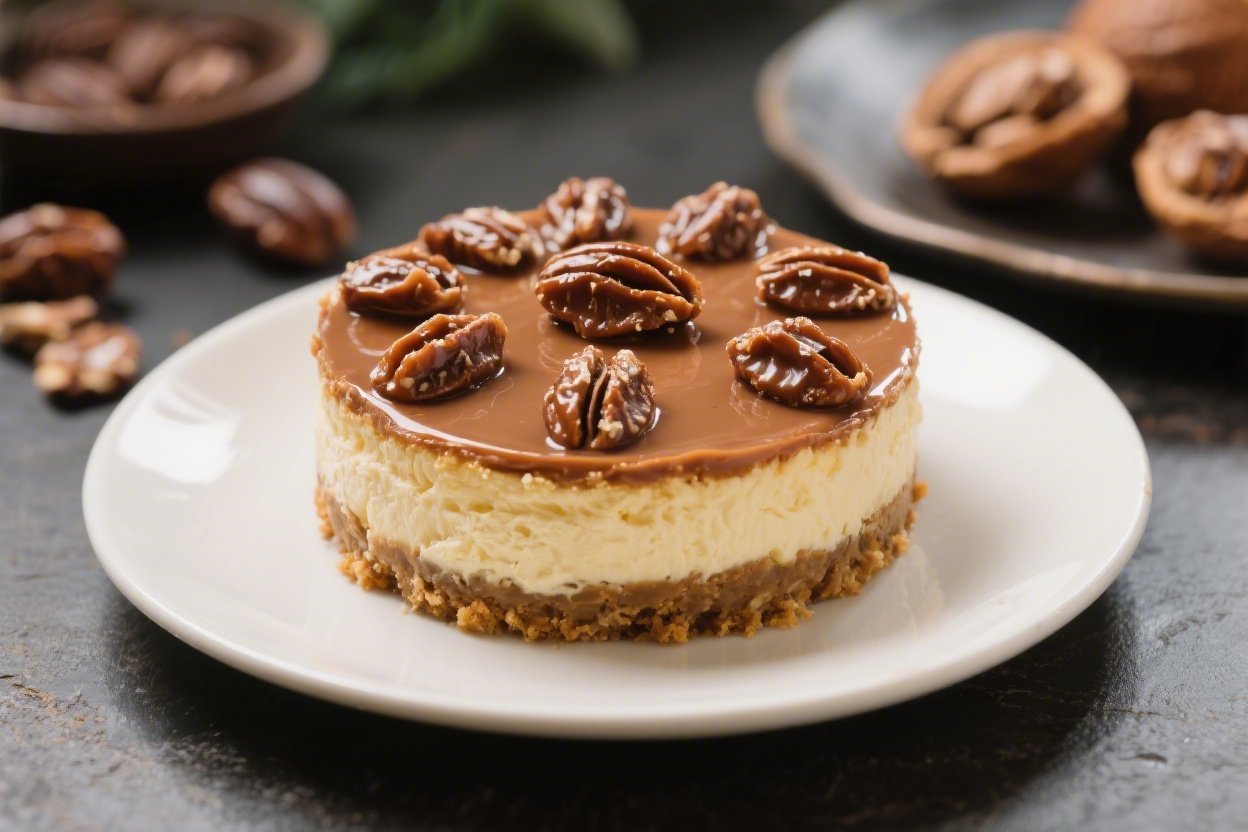
This Classic Turtle Cheesecake brings together velvety cheesecake, a crisp chocolate cookie crust, silky caramel, glossy chocolate, and plenty of toasted pecans. It’s the kind of dessert that always gets a second look and usually a second slice. The textures are the real draw here: creamy, crunchy, and just a little sticky from the caramel.
If you’ve ever wanted a showstopper that still feels familiar and cozy, this is it. No fancy tricks—just smart steps, basic ingredients, and a reliable method that works in a regular home kitchen.
Classic Turtle Cheesecake - Rich, Nutty, and Crowd-Pleasing
Ingredients
Method
- Prep the pan and oven. Heat the oven to 325°F (163°C).Wrap the outside of the springform pan with two layers of heavy-duty foil to keep water out during baking.
- Make the crust. Stir cookie crumbs, sugar, salt, and melted butter until the mixture feels like damp sand. Press firmly into the bottom and about 1 inch up the sides of the pan. Bake for 8–10 minutes until set.Cool slightly while you make the filling.
- Mix the filling. Beat softened cream cheese on medium speed until smooth and lump-free, about 2 minutes. Add sugar and salt; beat 1 minute. Blend in sour cream and vanilla.Add eggs one at a time on low speed, mixing just until combined. Do not overmix; too much air can cause cracking.
- Assemble the water bath. Place the foil-wrapped pan in a large roasting pan. Pour the filling into the crust and smooth the top. Set the roasting pan on the oven rack, then carefully pour hot water into the roasting pan until it comes halfway up the sides of the springform pan.
- Bake. Bake 55–70 minutes, until the edges are set and the center still wobbles slightly like gelatin.Avoid opening the oven often. When done, turn off the oven and crack the door. Let the cheesecake rest inside for 45–60 minutes.
- Cool completely. Remove the pan from the water bath, discard foil, and run a thin knife around the edge to loosen.Cool on a rack to room temperature. Cover and chill at least 6 hours, preferably overnight, to fully set.
- Toast the pecans. While the cheesecake chills, toast pecans in a 350°F (177°C) oven for 6–8 minutes, until fragrant. Cool and chop.
- Top with caramel. Warm the caramel sauce slightly so it’s pourable but not hot.Spread a thin, even layer over the chilled cheesecake, leaving a small border. Sprinkle on most of the pecans, reserving some for garnish.
- Drizzle chocolate. Melt chocolate with oil or cream in short bursts in the microwave, stirring until smooth. Drizzle over the caramel and pecans.Finish with remaining pecans and a pinch of flaky salt if you like.
- Chill to set the top. Refrigerate 20–30 minutes to firm the toppings before slicing. For clean slices, use a hot, dry knife and wipe between cuts.
What Makes This Special
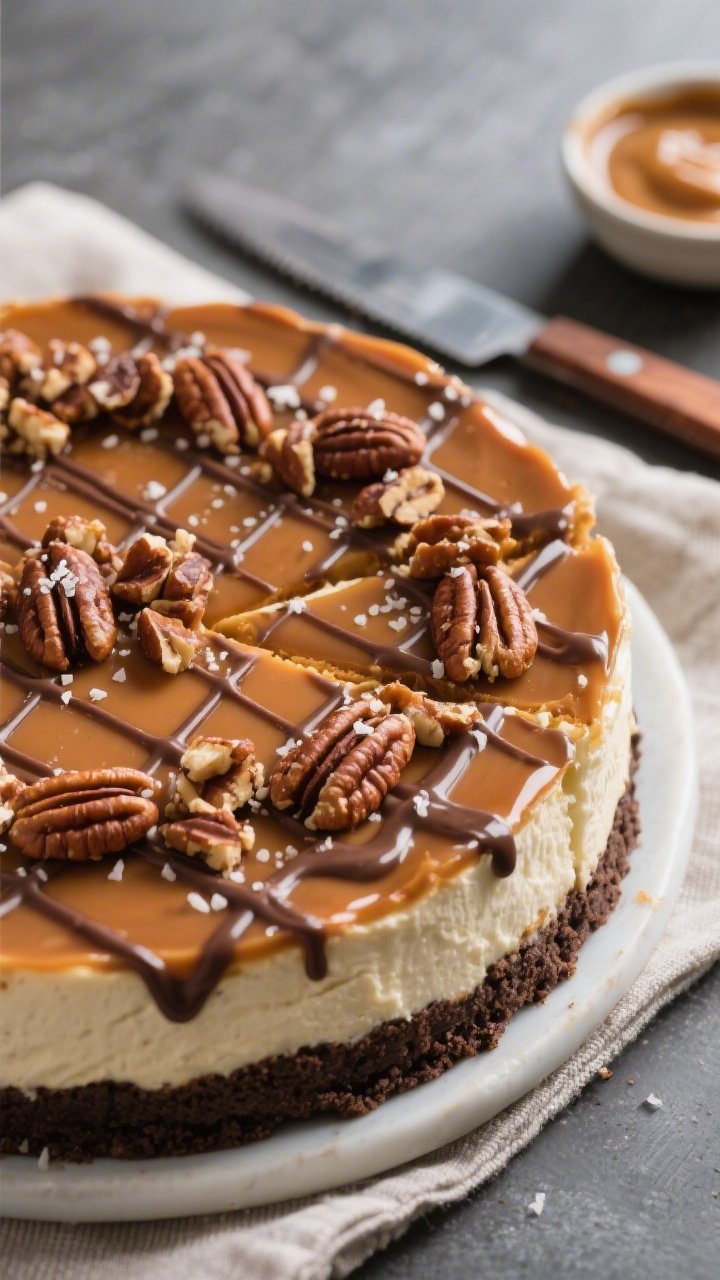
This cheesecake nails that classic turtle flavor: chocolate, caramel, and pecans in perfect balance. The crust has a gentle snap, and the filling stays smooth without being overly sweet.
A light blanket of caramel and chocolate on top feels indulgent without tipping into overload. And yes, it slices cleanly, which makes serving a breeze. Best of all, it’s make-ahead friendly, so you can relax on the day you want to impress.
What You’ll Need
- For the crust:
- 2 cups chocolate wafer cookie crumbs (or chocolate graham cracker crumbs)
- 5 tablespoons unsalted butter, melted
- 2 tablespoons granulated sugar
- Pinch of fine sea salt
- For the cheesecake filling:
- 24 ounces cream cheese, softened (three 8-ounce blocks)
- 1 cup granulated sugar
- 3 large eggs, room temperature
- 1 cup sour cream, room temperature
- 1 teaspoon vanilla extract
- 1/4 teaspoon fine sea salt
- For the toppings:
- 1 cup pecans, toasted and roughly chopped
- 3/4 cup soft caramel sauce (store-bought or homemade), plus extra if desired
- 1/2 cup semisweet chocolate chips or chopped chocolate
- 2 teaspoons neutral oil or heavy cream (for melting chocolate)
- Flaky sea salt (optional, for finishing)
- Tools:
- 9-inch springform pan
- Aluminum foil (extra wide, for wrapping the pan)
- Large roasting pan (for a water bath)
- Electric mixer (hand or stand)
How to Make It
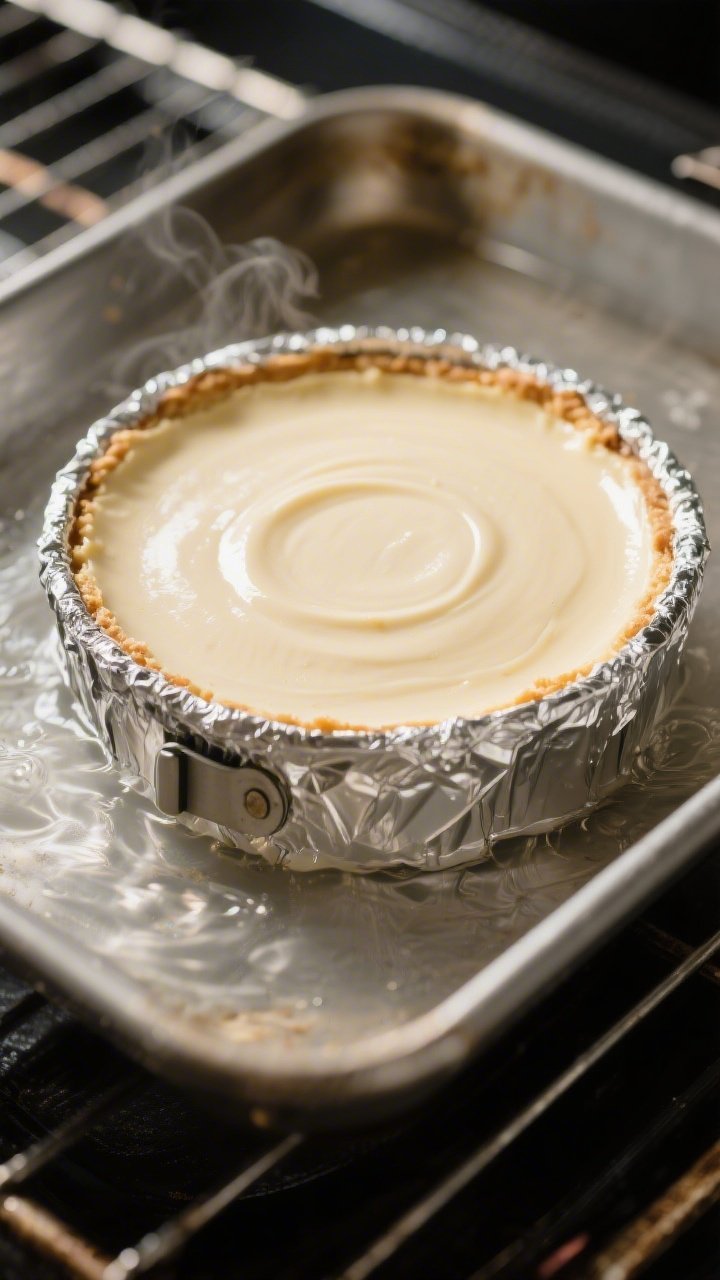
- Prep the pan and oven. Heat the oven to 325°F (163°C).Wrap the outside of the springform pan with two layers of heavy-duty foil to keep water out during baking.
- Make the crust. Stir cookie crumbs, sugar, salt, and melted butter until the mixture feels like damp sand. Press firmly into the bottom and about 1 inch up the sides of the pan. Bake for 8–10 minutes until set.Cool slightly while you make the filling.
- Mix the filling. Beat softened cream cheese on medium speed until smooth and lump-free, about 2 minutes. Add sugar and salt; beat 1 minute. Blend in sour cream and vanilla.Add eggs one at a time on low speed, mixing just until combined. Do not overmix; too much air can cause cracking.
- Assemble the water bath. Place the foil-wrapped pan in a large roasting pan. Pour the filling into the crust and smooth the top. Set the roasting pan on the oven rack, then carefully pour hot water into the roasting pan until it comes halfway up the sides of the springform pan.
- Bake. Bake 55–70 minutes, until the edges are set and the center still wobbles slightly like gelatin.Avoid opening the oven often. When done, turn off the oven and crack the door. Let the cheesecake rest inside for 45–60 minutes.
- Cool completely. Remove the pan from the water bath, discard foil, and run a thin knife around the edge to loosen.Cool on a rack to room temperature. Cover and chill at least 6 hours, preferably overnight, to fully set.
- Toast the pecans. While the cheesecake chills, toast pecans in a 350°F (177°C) oven for 6–8 minutes, until fragrant. Cool and chop.
- Top with caramel. Warm the caramel sauce slightly so it’s pourable but not hot.Spread a thin, even layer over the chilled cheesecake, leaving a small border. Sprinkle on most of the pecans, reserving some for garnish.
- Drizzle chocolate. Melt chocolate with oil or cream in short bursts in the microwave, stirring until smooth. Drizzle over the caramel and pecans.Finish with remaining pecans and a pinch of flaky salt if you like.
- Chill to set the top. Refrigerate 20–30 minutes to firm the toppings before slicing. For clean slices, use a hot, dry knife and wipe between cuts.
How to Store
Keep the cheesecake covered and refrigerated for up to 5 days. If you plan to serve it over several days, add the caramel and chocolate just before serving to keep the top neat.
For longer storage, freeze slices (without toppings) tightly wrapped for up to 2 months. Thaw overnight in the fridge, then add caramel, chocolate, and pecans fresh.
Why This is Good for You
This dessert isn’t “health food,” but it does have some upsides in moderation. Pecans offer healthy fats and a bit of fiber, which help with satisfaction. A homemade cheesecake can also mean fewer additives compared to some store-bought versions.
Most importantly, there’s value in celebrating with food you truly enjoy—mindful portions make room for treats without guilt.
Pitfalls to Watch Out For
- Cracking: Usually caused by overmixing, overbaking, or rapid temperature changes. Mix on low, stop when just combined, and cool gradually in the oven.
- Soggy crust: Make sure the pan is wrapped tightly and don’t skip blind-baking the crust for a few minutes.
- Leaking caramel: Add caramel to a fully chilled cheesecake and keep the layer thin so it stays put.
- Rubbery texture: Overbaking leads to a firm, dry cheesecake. Pull it when the center still jiggles slightly.
- Stubborn slices: A hot knife is your friend.Dip in hot water, wipe dry, cut, and repeat.
Variations You Can Try
- Salted Turtle: Stir 1/2 teaspoon flaky sea salt into the caramel and add a pinch on top.
- Bourbon Twist: Mix 1 tablespoon bourbon into the caramel for warmth and depth.
- Gluten-Free: Use gluten-free chocolate cookies for the crust.
- Chocolate Swirl: Fold 1/2 cup melted, cooled semisweet chocolate into half the batter and swirl with the plain batter.
- Mini Cheesecakes: Bake in a lined muffin tin (no water bath), 18–22 minutes. Cool and top individually.
- Nut Swap: Try toasted walnuts, hazelnuts, or a mix if pecans aren’t your thing.
FAQ
Do I really need a water bath?
It’s highly recommended. The water bath creates gentle, even heat and a humid environment that helps prevent cracks and keeps the texture silky.
If you skip it, keep the oven temperature steady and avoid overbaking, but results may vary.
Can I use a graham cracker crust instead?
Yes. A classic graham cracker crust works, though chocolate wafers bring a deeper cocoa note that matches the turtle flavors. If using graham crackers, keep the sugar and butter amounts the same.
What if my cheesecake cracks anyway?
Don’t stress.
The caramel and chocolate topping act like a delicious bandage and will cover most imperfections. Next time, mix a bit less, cool more gradually, and check for doneness earlier.
How do I soften cream cheese quickly?
Cut the blocks into cubes and let them sit at room temperature for 30–45 minutes. In a pinch, microwave in short 10-second bursts, flipping between bursts.
It should be pliable but not warm.
Can I make it ahead?
Absolutely. Cheesecake is better the next day. Bake it the day before, chill overnight, then add toppings a few hours before serving.
This timing also makes slicing cleaner.
What caramel works best?
A soft, pourable caramel sauce that firms slightly when chilled is ideal. Thick dulce de leche won’t drizzle as well, and very thin sauces may run. If your caramel is too thick, warm it gently to loosen.
How do I keep the crust from sticking?
Lightly grease the springform sides and bottom, or line the bottom with a round of parchment before adding the crust.
Running a thin knife around the edge after baking also helps release it cleanly.
Why is my filling lumpy?
Cold cream cheese or sugar added too early can cause lumps. Beat the cream cheese until smooth first, then add sugar, and make sure all dairy is at room temperature. Strain the batter through a sieve if needed.
Final Thoughts
Classic Turtle Cheesecake is all about balance—rich but not heavy, sweet with a hint of salt, creamy against a crisp crust.
Follow the simple cues for mixing, baking, and cooling, and you’ll have a reliable, showy dessert that never disappoints. Make it for holidays, birthdays, or any weekend that needs a little sparkle. One slice in, and you’ll see why this classic has stuck around for good reason.