15 Drought-Resistant Plants for Stunning Low-Water Gardens
Ready to trim water use without trimming curb appeal? These drought-resistant picks prove that beauty and resilience can share the same bed. Each idea stands on its own, giving you distinct vibes from rock-hard xeriscape drama to soft, airy cottage vibes with minimal watering.
Let’s dive in and find your next plant crush—no constant sprinkler playlist required.
1. Succulent-Statement Border: Variegated Agaves and Echeverias in a Clean Edge
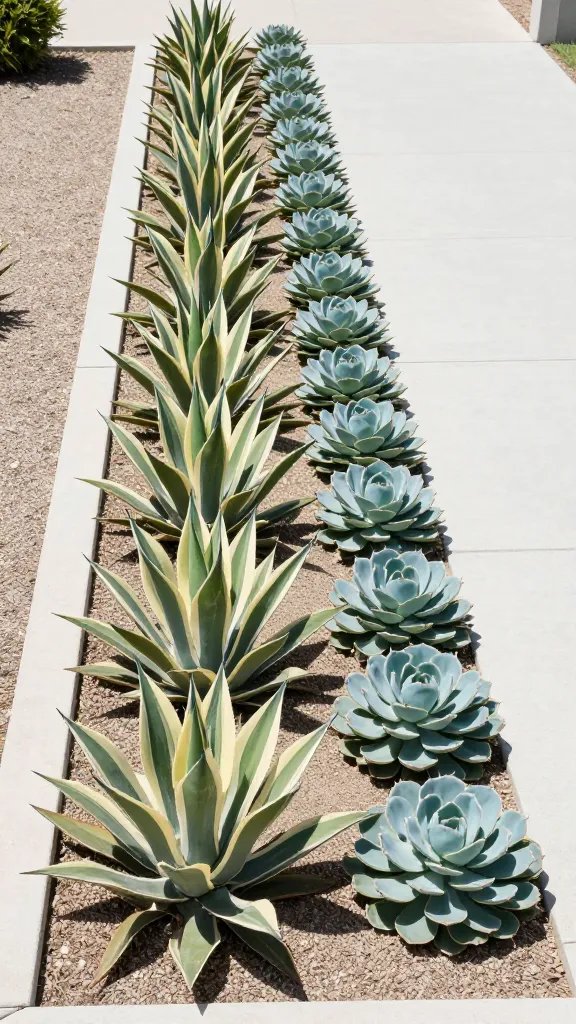
Imagine a crisp border that holds its color and shape with almost no help. A mix of variegated Agave parryi and Echeveria elegans creates sculptural, architectural lines along a walkway or driveway. They demand sun and well-drained soil, and they reward you with bold rosettes and striking silhouettes all year long.
Why It Works: The bold geometry adds instant drama, while low water means less maintenance. It’s a modern edge you can plant once and forget for seasons.
Care Notes: Full sun, sandy or gritty soil, allow to dry between waterings. Mulch lightly to protect roots in extreme heat. Prune dead leaves as needed to keep tidy surfaces.
This setup is perfect for minimalists and for people who want a showroom-worthy planting that ages gracefully with the sun.
2. Moonlit Night Garden: Moonflowers and White-Glow Perennials for Evening Interest
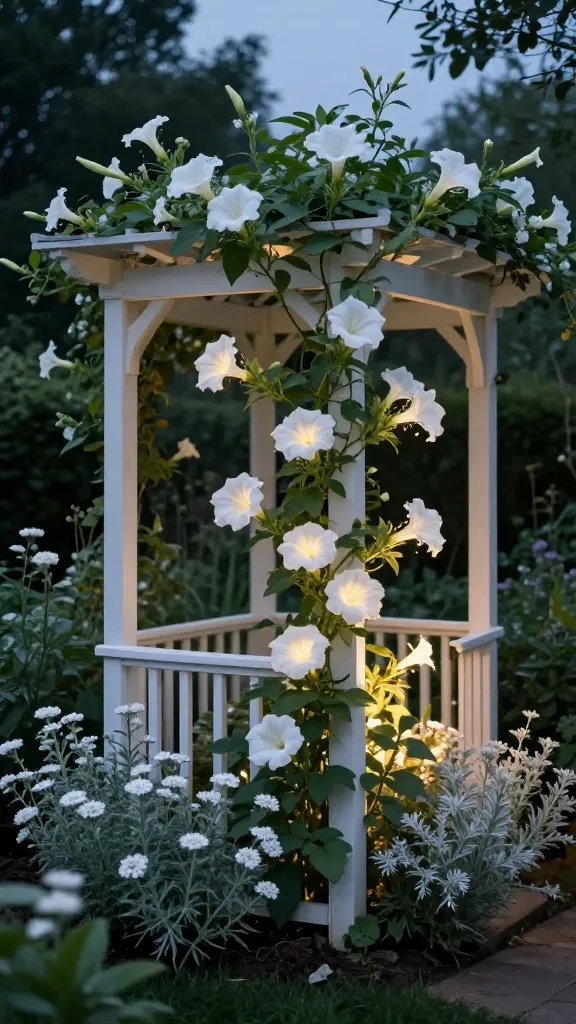
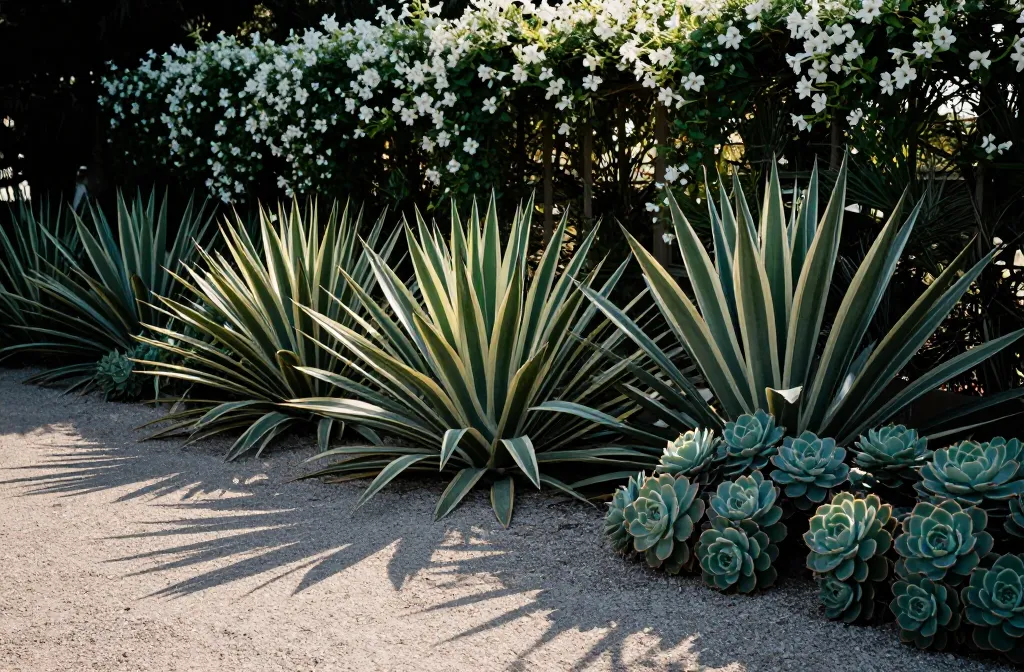
Turn your yard into a soft, nocturnal stage with Moonflower vines (Ipomoea alba) weaving up a trellis beside white-blooming perennials. The scent at dusk is intoxicating, and the simplicity of white blooms against dark foliage reads as elegant and timeless.
Best For: A small vestibule corner, a privacy screen, or a back gate that shines after sundown.
Design Tips: Train Moonflowers on an arbor or fence for a halo of fragrance. Pair with native white Verbena or Santolina for a cohesive, breeze-friendly bed. Water sparingly and enjoy the scent rather than chasing color all season.
This is for people who love a quiet, moodier garden that still feels alive after twilight.
3. Native Meadow Revival: Purple Prairie Clover and Indian Blanket in a Low-Water Meadow
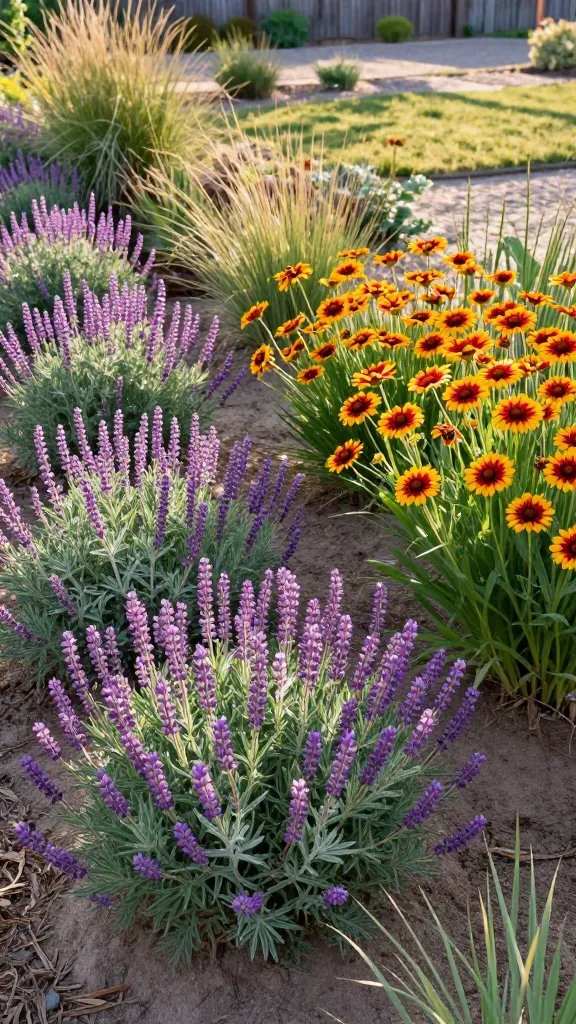
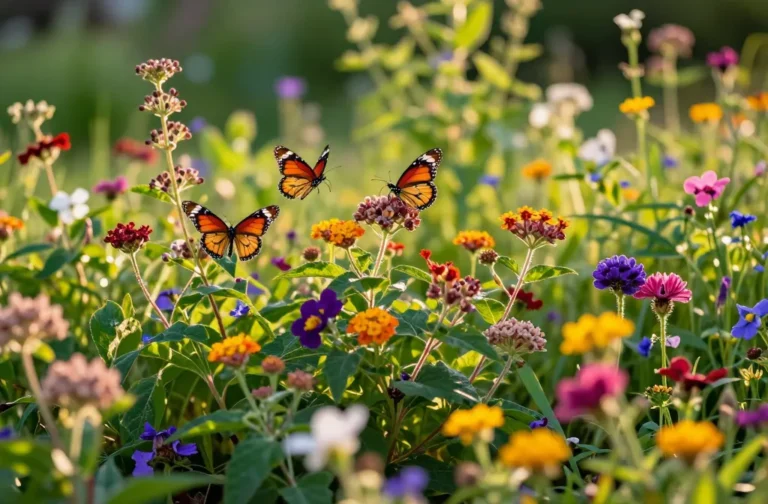
A naturalistic drift of purple and poppy-like reds can transform a tired yard into a living painting. Purple Prairie Clover (Petalostemum purpureum) and Indian Blanket (Gaillardia pulchella) tolerate dry spells with gusto, while drawing pollinators in for summer-long action.
Why It Works: It creates seasonal color without requiring deep, frequent watering. The mix also reduces lawn mowing, giving you a soft, forgiving landscape.
Care Notes: Sow in sunny spots, use a seed mix for your region, and resist the urge to overwater. Thin lightly if crowded, keep an eye on invasive grasses that can pop up if neglected.
Ideal for a big, welcoming swath that feels lived-in and wild while staying controlled.
4. Rock Garden Dramatic: Silvery Lavender-Tinted Sedums Cascading Over Stone
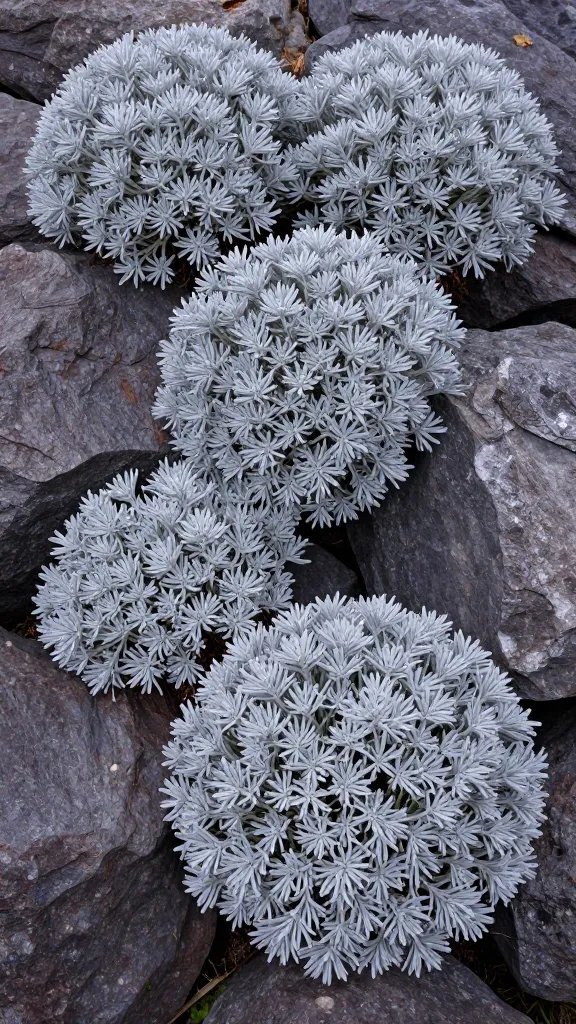
Sedum and stone can be a match made in low-water heaven. Create a layered rock garden along a slope or along a driveway with Sedum ‘Autumn Joy’ and Sedum reflexum, spilling over weathered bricks and stone. Their fleshy leaves shimmer with frost and sun, and late-season flowers bring welcome color.
Best For: Sloped borders, hot walls, or a dry courtyard that begs for texture more than constant color.
Design Tips: Use varied heights—groundcover sedums in front, upright varieties behind—to coax the eye up the slope. A light gravel mulch helps retain moisture at roots while still looking natural.
The mood here is rugged charm with a forgiving schedule.
5. Cottage-Style Drought-Friendly Borders: Lavender, Santolina, and Salvia in Soft Silhouettes
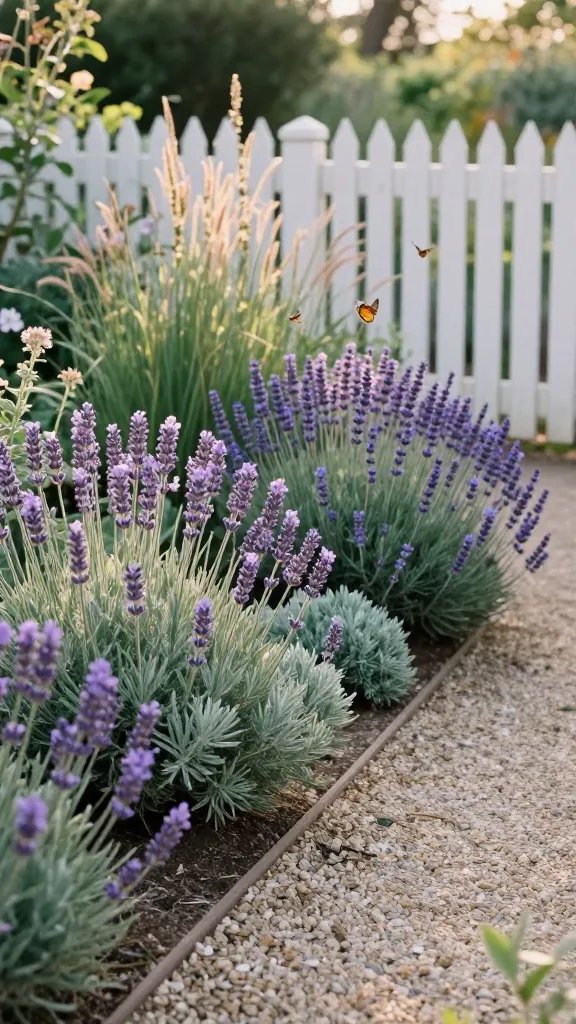
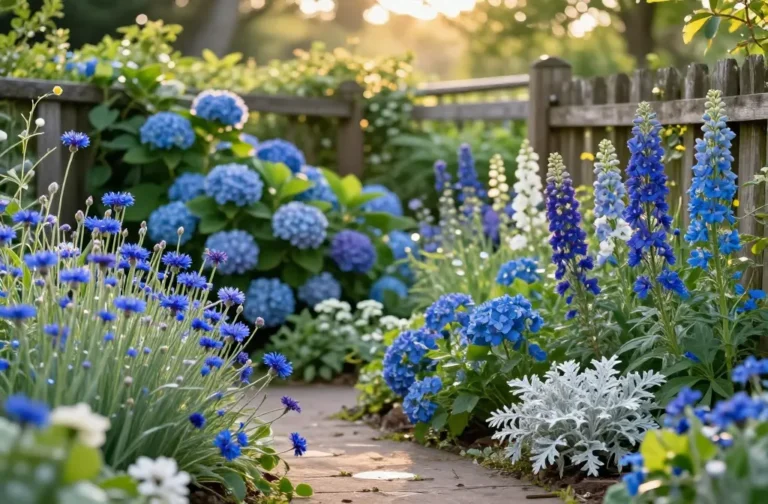
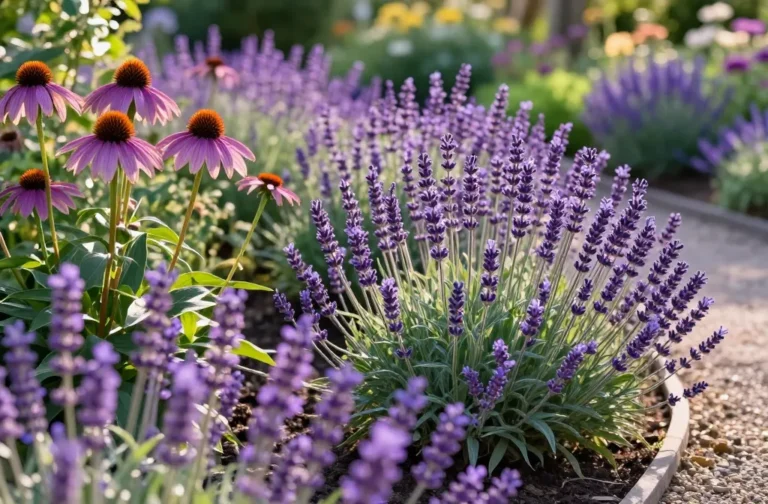
Who says drought gardens must look austere? Combine drought-tolerant classics like English lavender (Lavandula angustifolia), Santolina, and hardy salvia for a fragrance-forward, cottage-inspired border that handles heat with grace.
Why It Works: Soft gray foliage tones with pops of purple-blue create a timeless, romantic vibe without thirsty setups. The mix also attracts butterflies in mid-to-late summer.
Care Notes: Full sun, well-drained soil, and occasional pruning to maintain shape. Lavender appreciates air movement, so avoid overcrowding and heavy mulch around crown.
Perfect for those who crave a garden that looks like it belongs in a storybook but lives in the real world of water-wise gardening.
6. Drought-Ready Texture Garden: Feather-Leaf Grasses and Stipa Strong for Misty Movement
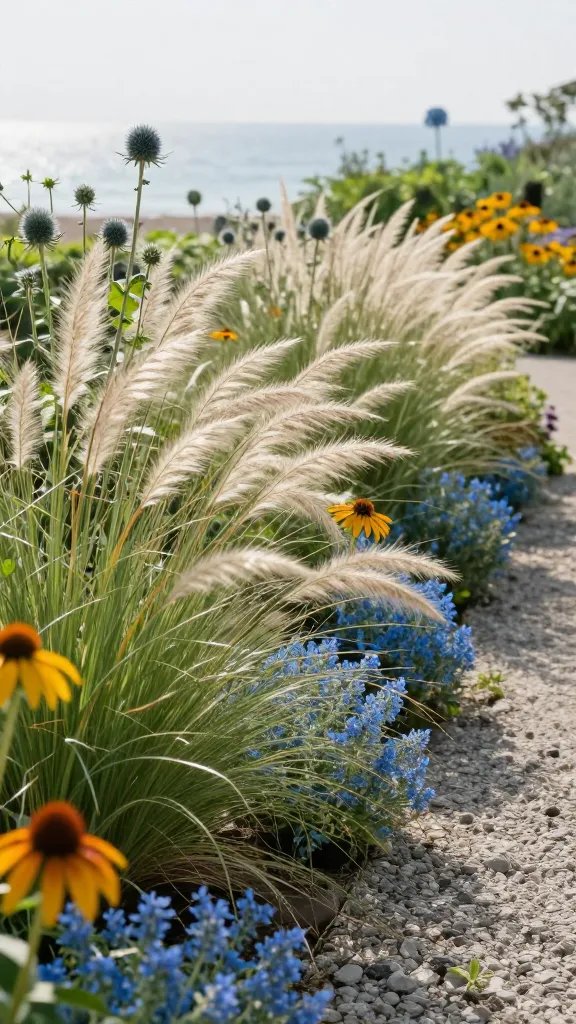
Texture can outshine color when you’re watering less. Plant a line of drought-loving grasses like Stipa tenuissima (Mexican feather grass) with compact blue fescues to create a breeze of motion in a sunny bed. The wispy blades catch light and create a soft, sculptural backdrop for brighter blooms.
Best For: A long, seaside-inspired border or a courtyard where you want a gentle, living sculpture.
Design Tips: Pair grasses with a few bold bloomers—globe thistles or echinacea—for warmth. Ensure good drainage, and avoid overwatering after establishment.
If you want movement without fuss, this is your go-to grove.
7. Edible and Elegant: Drought-Resistant Herb Garden Corner with Thyme, Oregano, and Sage
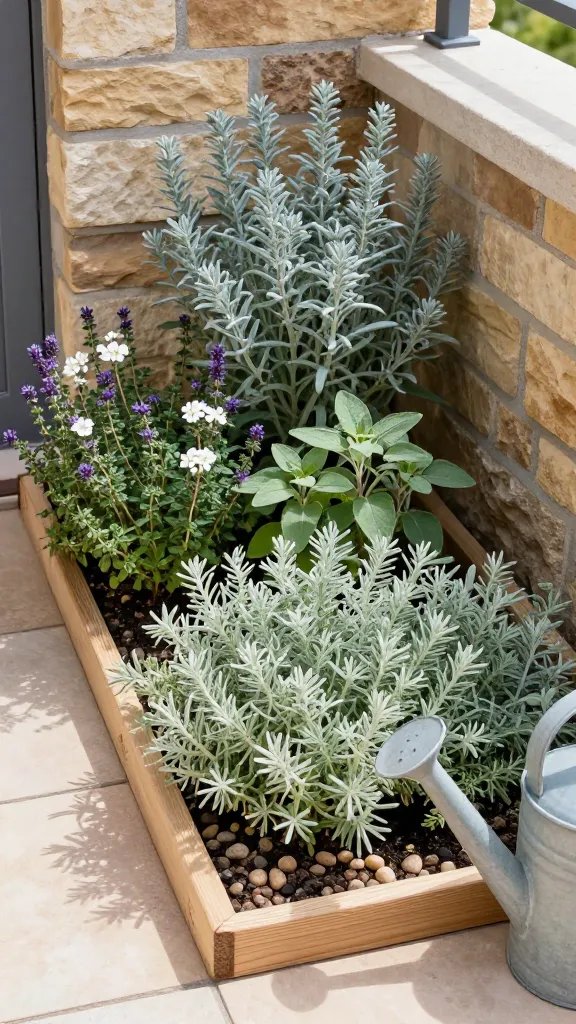
Herbs can be both practical and pretty, and they thrive where water is watchful. Create a compact herb corner with drought-friendly picks like thyme, oregano, and garden sage. Their silver-green leaves and tiny flowers bring fragrance and biodiversity to even a small space.
Why It Works: You get culinary flavor plus garden charm, all on a lean water budget. The compact growth allows you to harvest fresh leaves daily with minimal effort.
Care Notes: Poor soil won’t kill them, but give them sun, good drainage, and light feeding after spring. Harvest regularly to keep plants compact and productive.
Perfect for urban gardeners who want a kitchen garden that doubles as a fragrant border.
8. Bright, Low-Water Annual Punch: Gaillardia and Portulaca as a Summer Fireworks
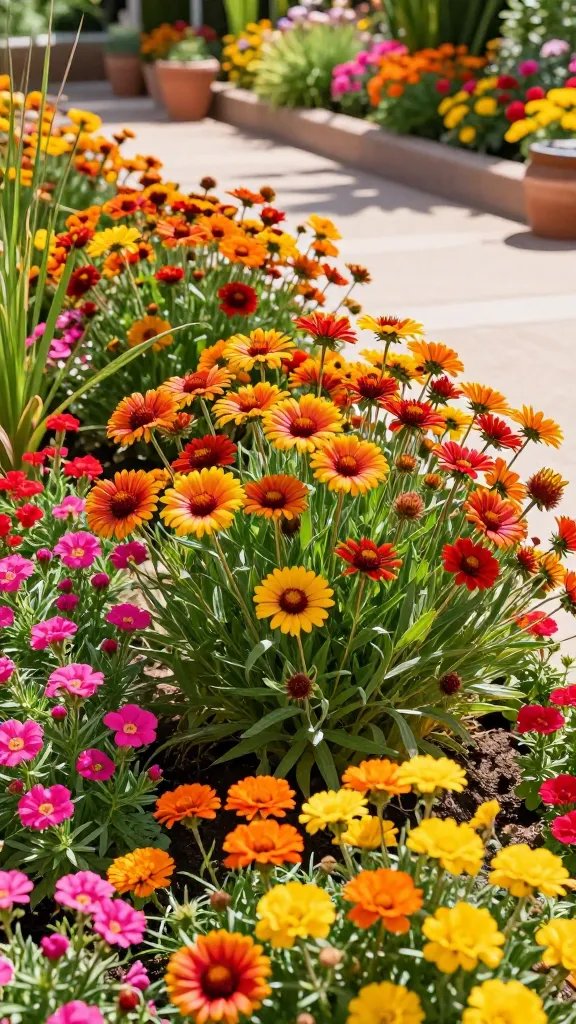
When you want color fast, annuals can be your best friend—Ranunculus-like drama without the drought drama. Pick drought-tolerant annuals such as blanketflower (Gaillardia) and moss rose (Portulaca) for a sunny, sunlit bed that explodes in warm tones all season long.
Best For: Planter pots, front beds, or a sunny riser that needs color without constant irrigation.
Care Tips: Water deeply but infrequently as they establish, and deadhead to encourage longer bloom cycles. They’re not fussy but will reward you with a long show if you keep them fed lightly.
Ideal for color enthusiasts who don’t want to fuss over watering schedules.
9. Desirable Dunes: Beach Grass and Groundcovers for a Crisp, Worry-Free Look
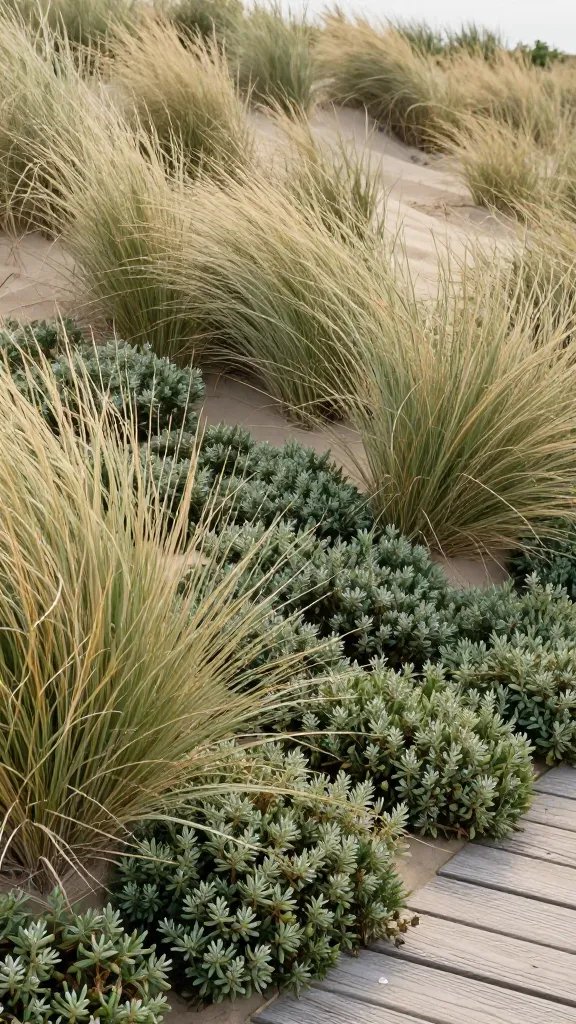
Groundcovers can act as living mulch, reducing maintenance and water needs. Combine beach grass (Ammophila) with low-growing junipers or creeping thyme to form a carpet that holds soil, reduces weeds, and invites barefoot strolls across a dune-inspired corner.
Why It Works: Low maintenance, high impact. The texture and evergreen presence keep your landscape looking intentional year-round, even when rainfall is sparse.
Care Notes: Occasional trims to keep invasives in check, but otherwise let nature do the work. A light irrigation during extreme droughts can help establish roots but stay conservative.
Great for a coastal vibe or a modern, drought-tolerant groundcover solution.
10. Shade-Smart Drought Garden: Hellebores, Hostas, and Fern-Lore with Smart Watering
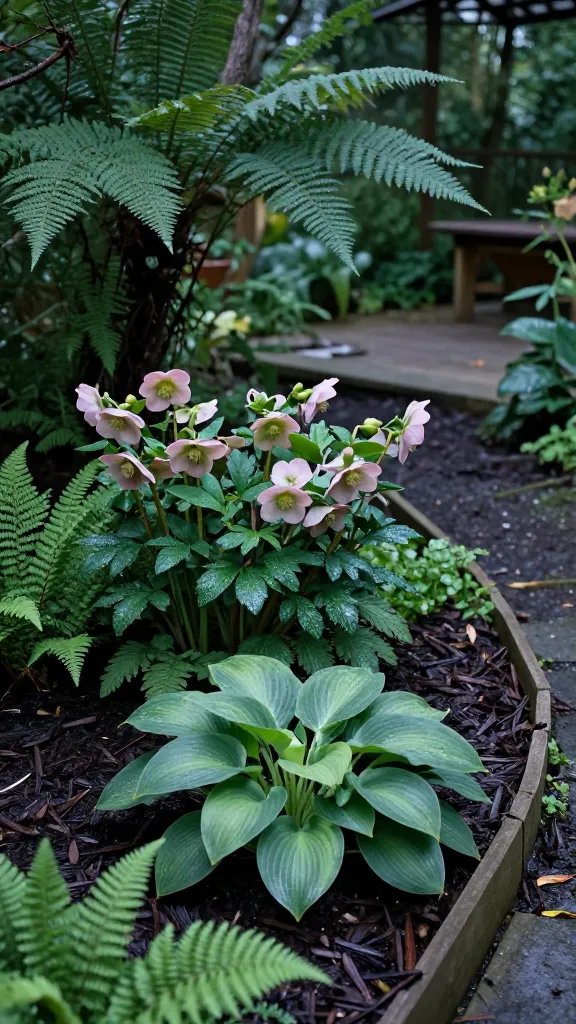
Shade doesn’t have to mean soggy. A trimmed-down shade garden with heat-tolerant choices like Helleborus, drought-tolerant hostas, and ferns that tolerate drier soils can thrive with careful water management and mulching.
Best For: A north-facing bed, a covered patio border, or a woodland edge where you’d like a cooler, calmer palette.
Design Tips: Use a thick mulch to keep roots cool and moist without flood irrigation. Choose cultivars with attractive leaf textures and subtle blooms to keep interest year-round.
This vibe is for the night owl gardener who still wants a lush look without turning on the sprinkler every week.
11. Potted Ministra: Portable, Water-Wise Containers with Drought-Tolerant Succulents
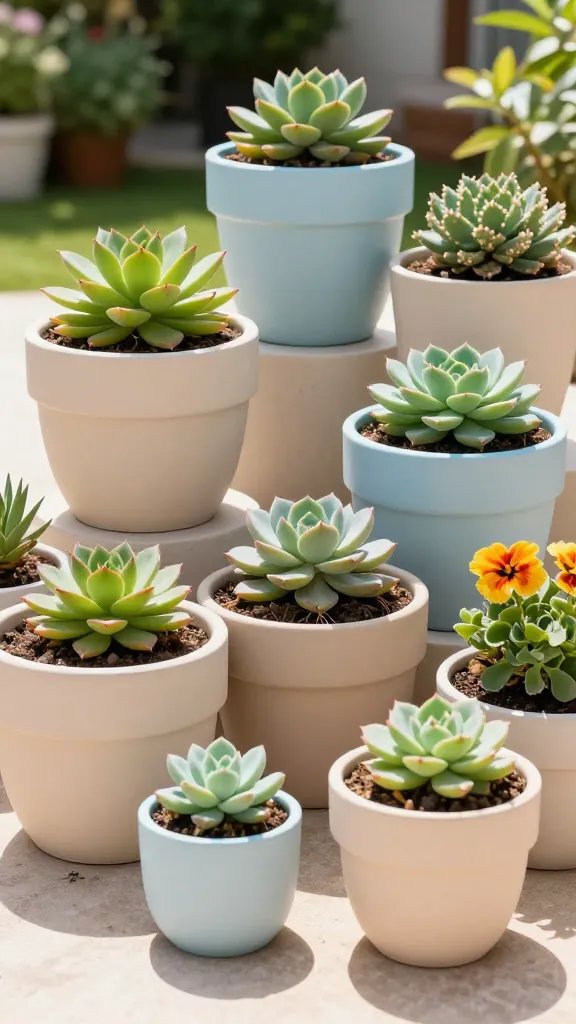
Containers can offer instant character without invading your landscape’s water budget. Create a small-datch garden in pots using drought-tolerant succulents like Crassula, Aeonium, and a splash of bright annuals for seasonal color. Use light-colored pots to reflect heat and choose fast-draining mixes for Heidi-friendly roots.
Why It Works: Mobility for sun shifts, easy replacement after winter, and the option to move pots to collect rain or shade during peak heat days.
Care Notes: Don’t forget drainage holes. Water thoroughly but infrequently, allowing the soil to dry between waterings. Fertilize sparingly.
Perfect for renters, balconies, or anyone who loves changing up the scene with minimal effort.
12. Water-Wise Courtyard Retreat: Zen Cupboard of Bamboo, Aloes, and Gravel Zen Garden
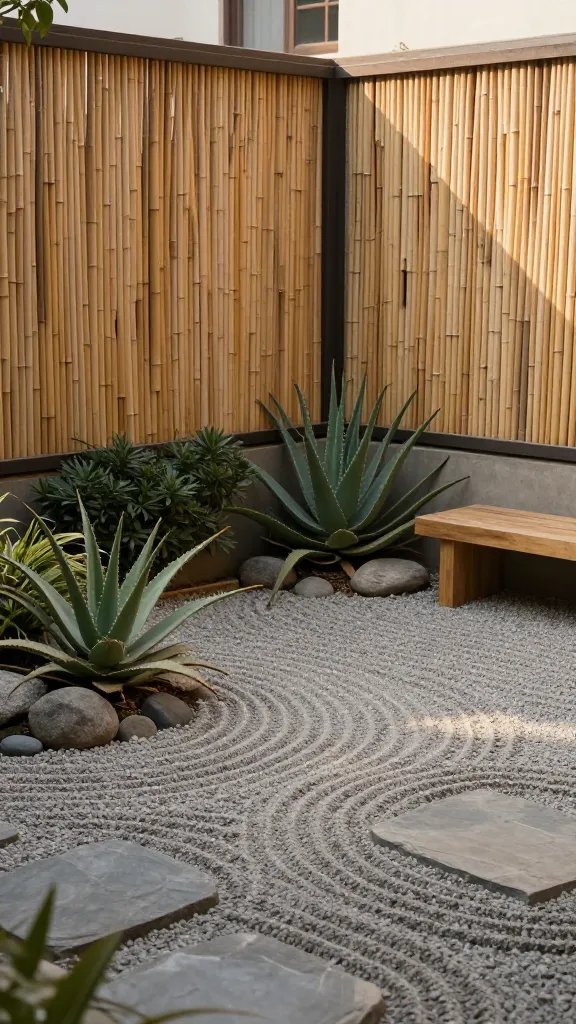
Turn a corner into a tranquil courtyard with drought-friendly plants and a zen gravel layout. Bamboo accents create vertical interest, aloe plants provide sculptural shapes, and a disciplined gravel plan keeps moisture needs low while still offering a serene backdrop for morning coffee or evening reflection.
Best For: A compact back corner or side alley that needs privacy and a calm mood without flooding the budget with irrigation.
Care Notes: Bamboo can be thirsty if not contained, so containerization or root barriers help. Aloes love sun and fast drainage; prune to maintain shape and prevent overcrowding.
Relaxation meets resilience in this nook—perfect for zen lovers who want structure and stillness.
13. Pollinator-Pull: Bright Echinacea, Coreopsis, and Yarrow for a Dry-Season Honey Run
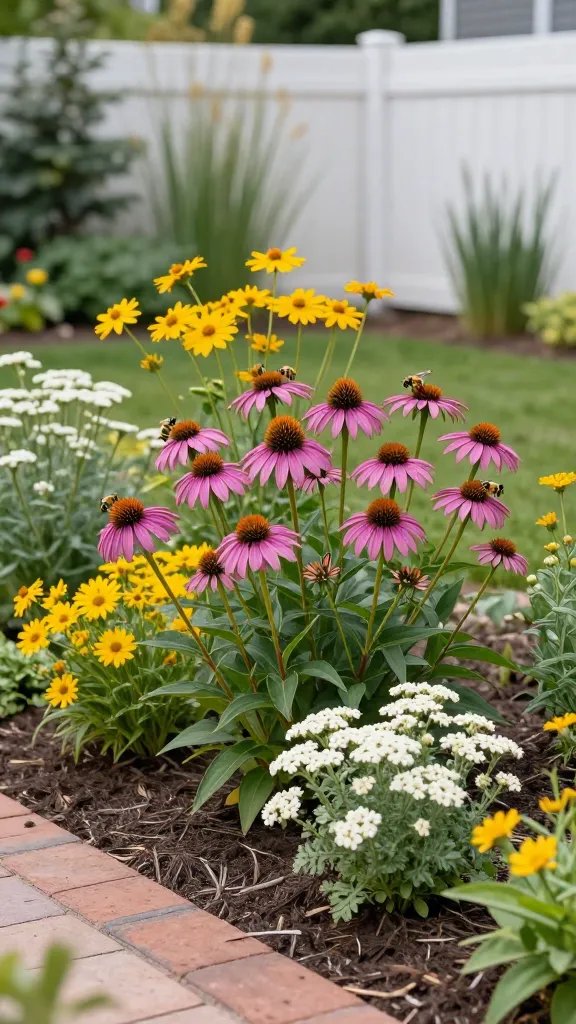
Pollinators deserve a party, too. Plant a drought-tolerant mix of Echinacea purpurea, Coreopsis, and Achillea (yarrow) to create a long-lasting bloom sequence that feeds bees and butterflies through summer and into fall.
Why It Works: Color, nectar, and sturdy stems tolerate heat and dryness. It’s a practical plot that also serves as a wildlife-friendly feature in a compact yard.
Care Tips: Space plants to reduce competition and ensure air circulation. Deadhead for continuous blooming, and watch for powdery mildew in overly dense spots.
If you want a garden that hums with life without needing a watering can every day, this is your lineup.
14. Small-Space Oasis: A Mixed Tropical Palm Island in a Minimal Water Setting
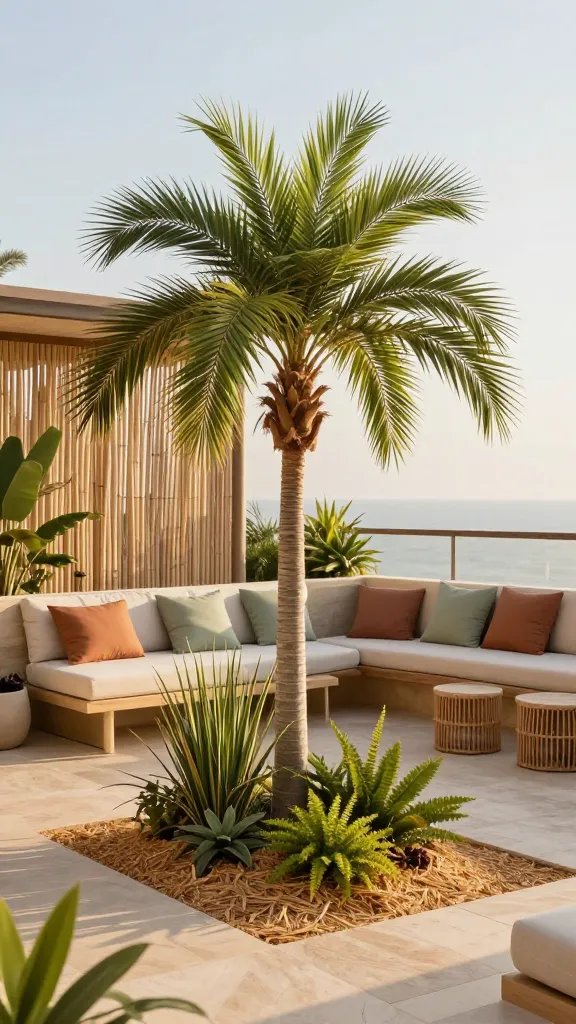
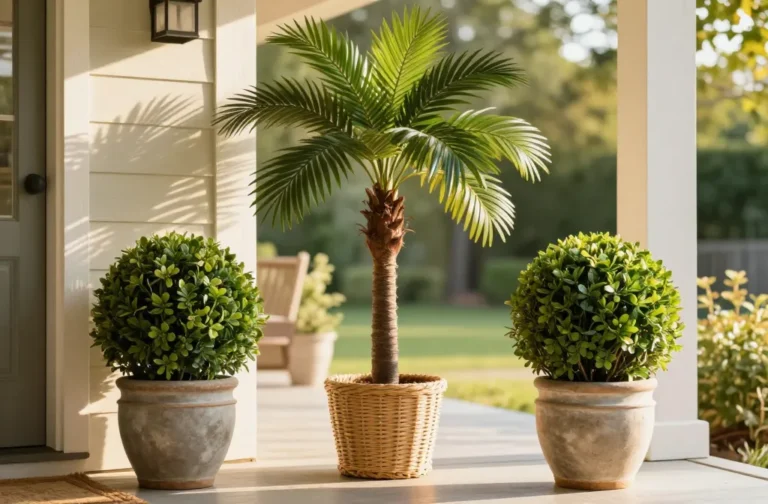
Think beyond the usual desert look and craft a small tropical-inspired patch using drought-tolerant palms, such as Phoenix roebelenii, with compact understory plants and a sandy, freestanding mulch palette. It feels like a vacation in a tiny space, perfect for balconies or tiny patios.
Best For: A sunny courtyard where you want a touch of resort-style drama without gallons of irrigation.
Design Tips: Use a central focal palm, surround with heat-tolerant understory like sedges and small ferns, and keep soil well-drained. A pebbled ground layer reflects heat and keeps roots cooler.
Deliciously bold for micro-yards that crave a tropical punch without the water bill.
15. Wildflower Edge: A Low-Medieval Edge Plant Palette for a Romantic, Drought-Resistant Meadow
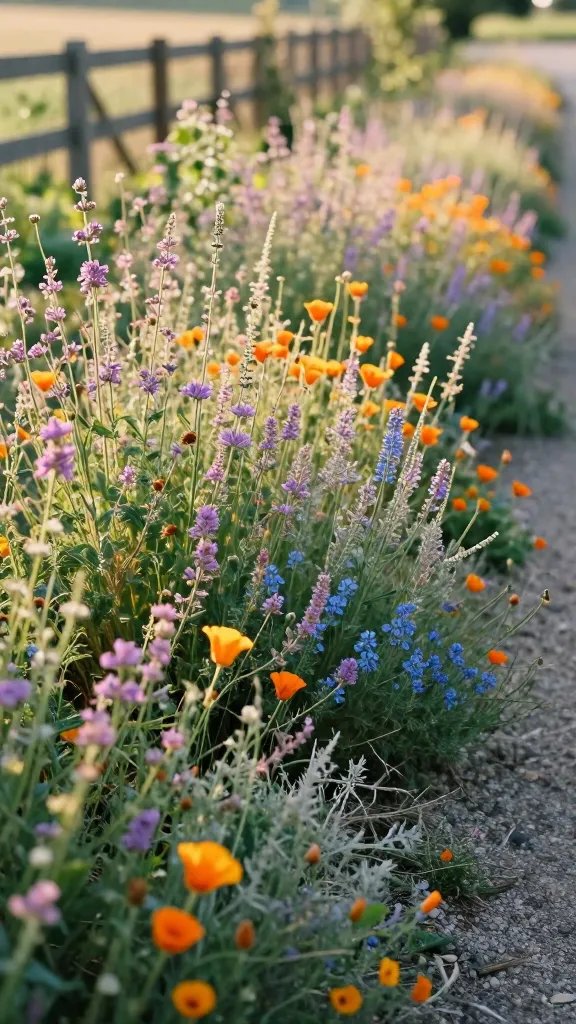
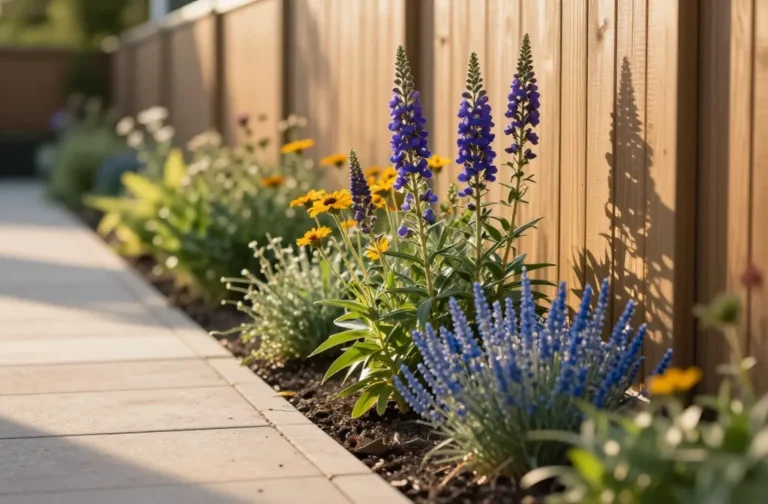
Close out the list with a romantic meadow border featuring a curated mix of drought-tolerant wildflowers: purple coneflower, California poppy, and linum perenne. Create a loose, natural edge along a fence line or driveway bed where the plants can self-seed gently, giving you ongoing color with minimal effort.
Why It Works: It looks spontaneous without being unruly, and the self-seeding nature reduces replanting work year after year. The color palette evolves with each season for a lived-in, timeless feel.
Care Notes: Sow in late fall or early spring, give them sun, and let them dry a bit between drinks. Deadheading and light pruning after bloom will encourage another flush of color without fuss.
This last pick is a romantic nod to imperfectly perfect meadows that thrive on less water and more breeze.
Conclusion
If you’re aiming for a garden that looks intentionally lush while sipping slowly from the rain barrel, these 15 drought-resistant ideas offer a spectrum of textures, colors, and moods. Pick one that matches your sun exposure, soil, and style, or mix a few to stitch together a cohesive, water-wise landscape.
Which idea resonates with you most? Start with a single border or container, and let the space evolve as you learn what your site loves. Trust me, a little planning goes a long way—and your future self will thank you the next dry season. Go ahead and try at least one idea; you might just fall in love with the low-water life as much as the high-drama color.