12 Bird Friendly Garden Ideas That Turn Yards Into Havens
Want more morning birdsong and less yard silence? Build a space birds actually want to hang out in. These ideas stack up into a welcoming buffet, shelter, and spa for feathered visitors.
Mix a few and watch your yard transform into a lively, fluttery scene. Ready to turn your garden into the neighborhood’s favorite bird hangout?
1. Layered Native Shrub Borders With Berries
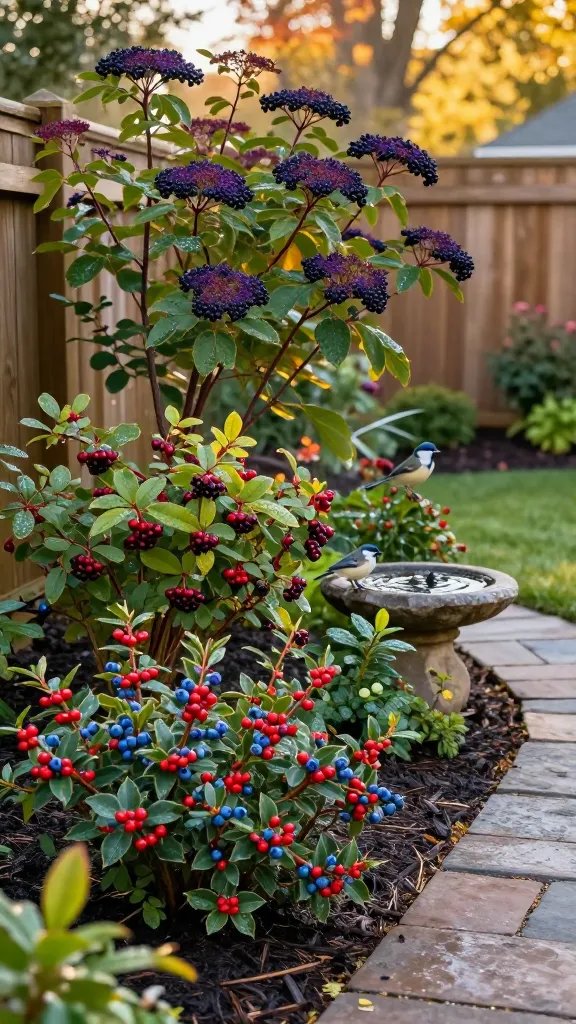
Think of this as a living pantry and apartment complex for birds. A layered border blends low, mid, and tall native shrubs so there’s food, shelter, and nesting cover year-round. It softens fences and frames the yard with color and texture.
Design Tips
- Plant in tiers: low (winterberry holly, blueberry), mid (serviceberry, red chokeberry), tall (arrowwood viburnum, elderberry).
- Stagger plants for a natural woodland edge, not a hedge wall.
- Choose varieties with berries ripening across seasons to keep food coming.
Why It Works
Berries feed thrushes, waxwings, and robins. Dense twigs protect nests from wind and predators. You get flowers, fall color, and winter structure—birds get the buffet. Perfect if you want a lush, low-fuss boundary that hums with life.
2. Four-Season Water Feature With Moving Water
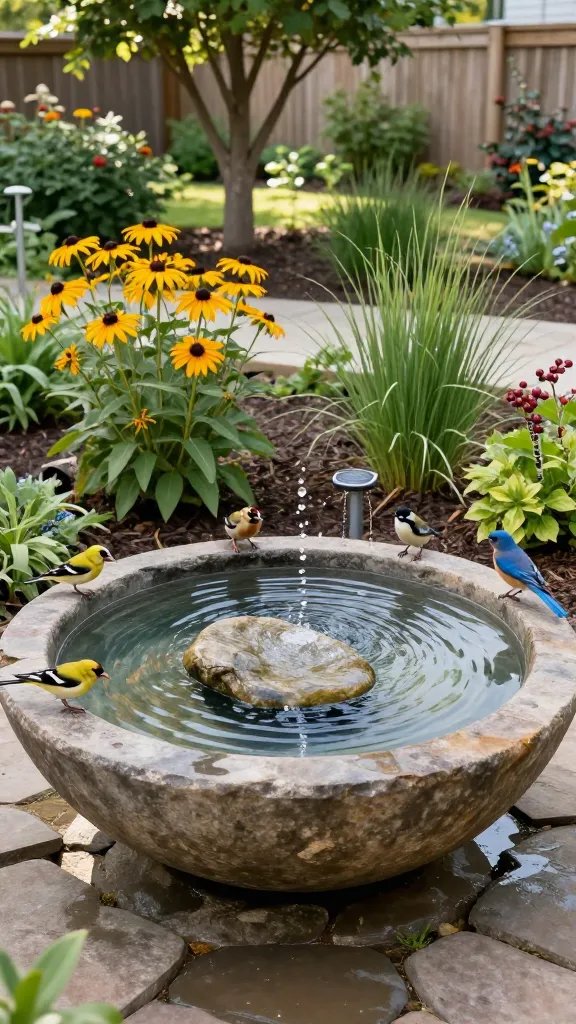
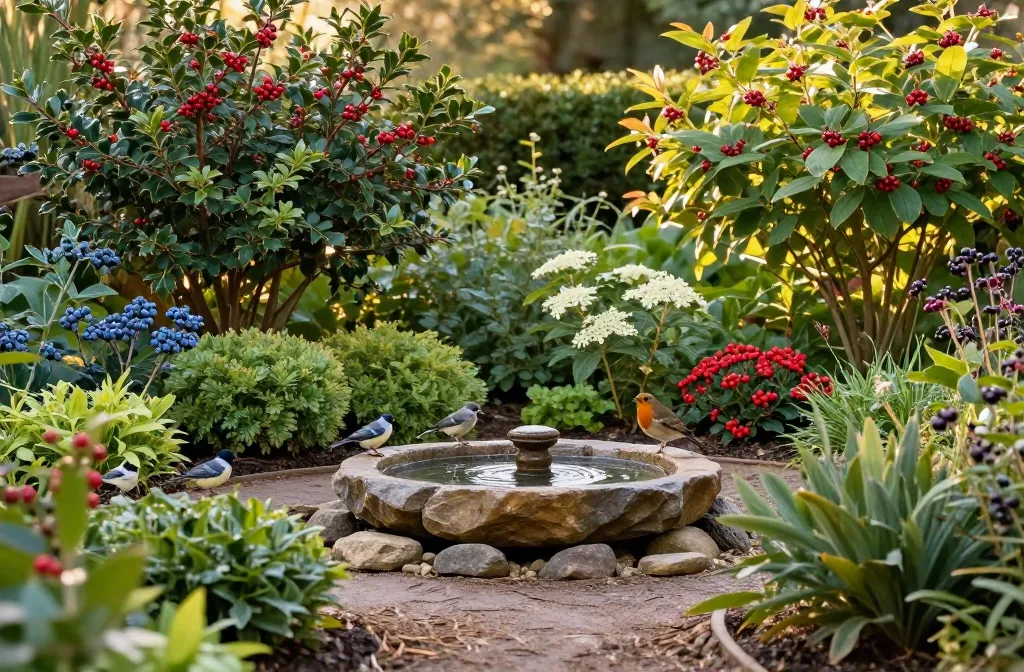
Birds need clean water to drink and bathe, full stop. A shallow basin with moving water draws more visitors than a feeder on its best day. The sound alone is a magnet.
Design Tips
- Choose a shallow bowl (1–2 inches deep at the edges, gently sloped).
- Add a small solar bubbler or dripper to keep water moving and fresh.
- Set a flat stone inside for safe perching and easy exits.
- In cold climates, use a de-icer so birds have winter access.
Care Notes
Refresh water every few days and scrub algae as needed. Place the bath near shrubs for quick cover but with clear sightlines to deter ambushes. Great for anyone who wants instant action without planting a single shrub.
3. Native Grass Meadow Strip for Nesting and Seeds
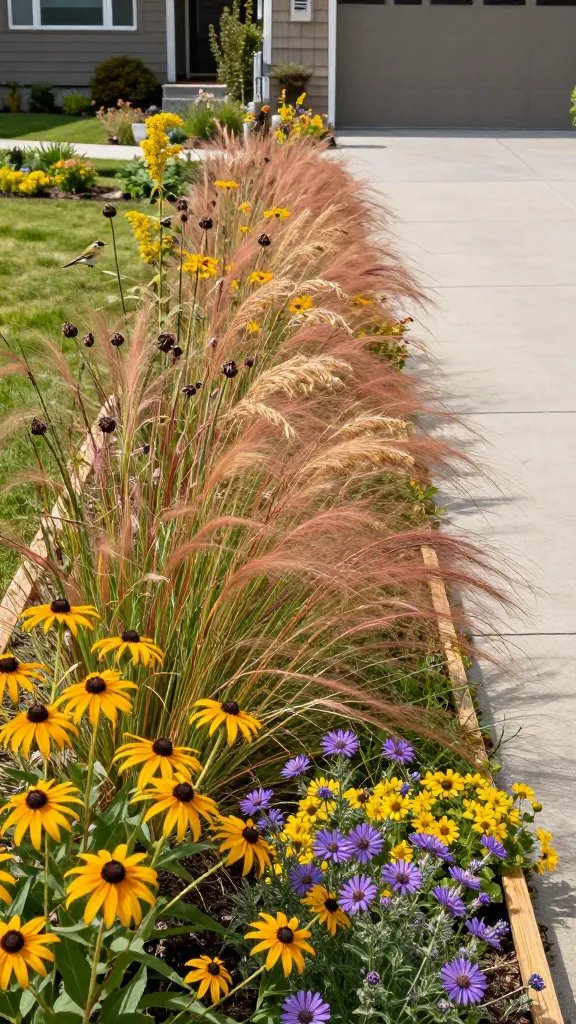
Trade a slice of lawn for a mini meadow that sways and feeds. Native warm-season grasses and wildflowers offer seeds, insects, and safe nesting spots—think finches, sparrows, and meadowlarks.
Best For
- Sunny edges, side yards, or the tough strip along a driveway.
- Low watering and mowing needs after establishment.
Plant Ideas
- Little bluestem, switchgrass, side-oats grama for structure.
- Black-eyed Susan, purple coneflower, goldenrod, asters for color and insects.
Leave stems up through winter—birds will harvest their own seed. Perfect if you want texture, movement, and maximum habitat in minimal space.
4. Fruit-Bearing Trees That Double as Canopies
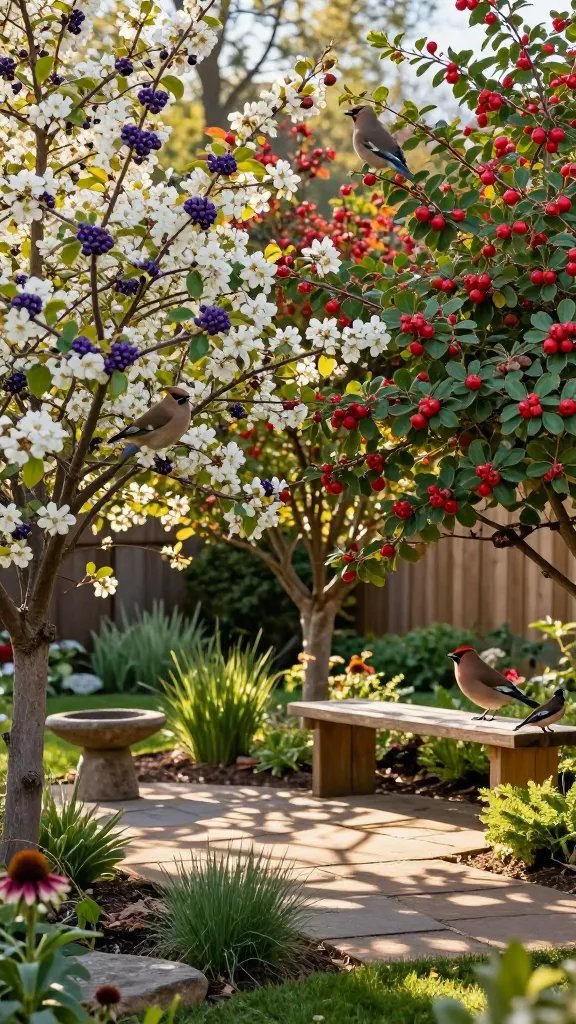
Trees are your long-game investment: shade for you, food and perches for birds. Small to mid-sized fruiting trees fit most yards and pack spring flowers, summer shade, and fall fruit.
Top Picks
- Serviceberry (Amelanchier): White spring flowers, sweet berries birds devour, blazing fall color.
- Crabapple: Choose disease-resistant varieties with small persistent fruits for winter feeding.
- Hawthorn: Thorny cover plus berries—nesting birds love the security.
Why It Works
Canopies create vertical habitat—key for songbirds that feed and nest at different levels. Great for anyone ready to swap a blank lawn for a living landmark.
5. Brush Piles and Log Stacks as Cozy Hideaways
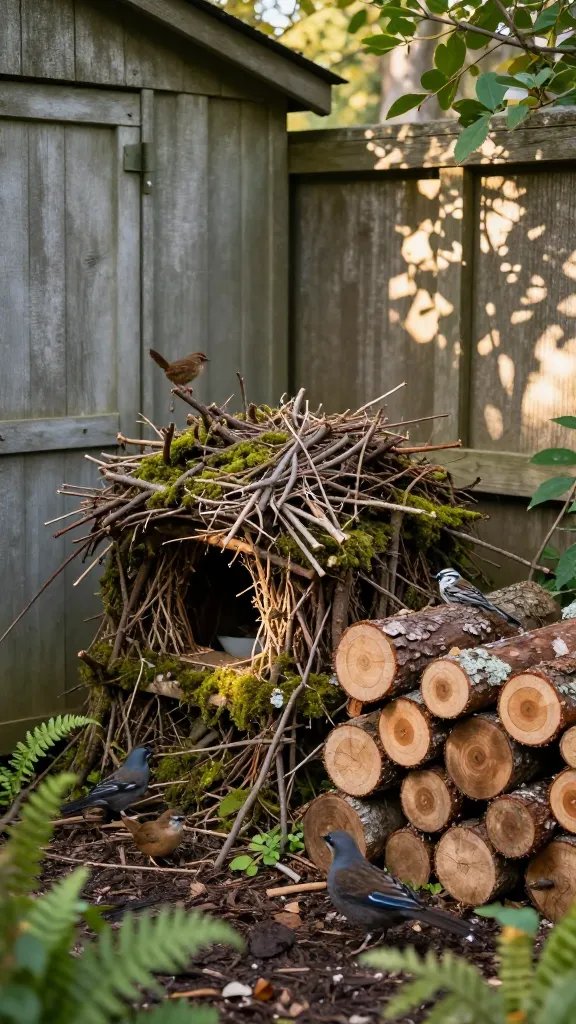
Sometimes the prettiest thing you can add is a little messy. A discreet brush pile or stacked logs creates instant shelter from hawks and weather, plus a buffet of insects.
Design Tips
- Layer thick branches at the base, thinner on top, like a loose thatched hut.
- Tuck it behind a shed or in a woody corner so it looks intentional.
- Skip pressure-treated wood; use fallen limbs and pruned branches.
Wrens, towhees, and sparrows will dart in and out all day. Perfect for the gardener who appreciates low-effort, high-impact habitat (and has pruning leftovers).
6. Nectar-Rich Flower Corridor for Hummingbirds
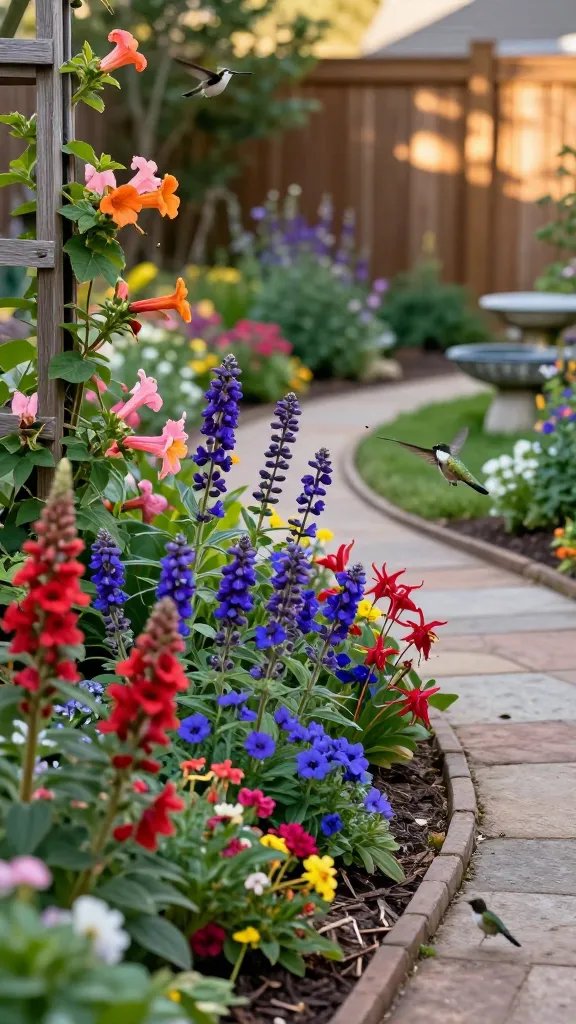
Create a flight path that hums—literally. A corridor of nectar-heavy flowers guides hummingbirds through your yard like a runway lined with snacks.
Plant Palette
- Bee balm (Monarda), salvias, penstemon, columbine, trumpet honeysuckle (the native, not invasive Japanese).
- Stagger bloom times from spring to fall; include tubular shapes in red, coral, and purple.
Care Notes
Full sun to part sun, moderate water, deadhead for repeat bloom. No pesticides—hummers need insects too. Perfect for anyone who wants tiny aerial acrobats zipping by all summer.
7. Groundcovers That Feed and Protect
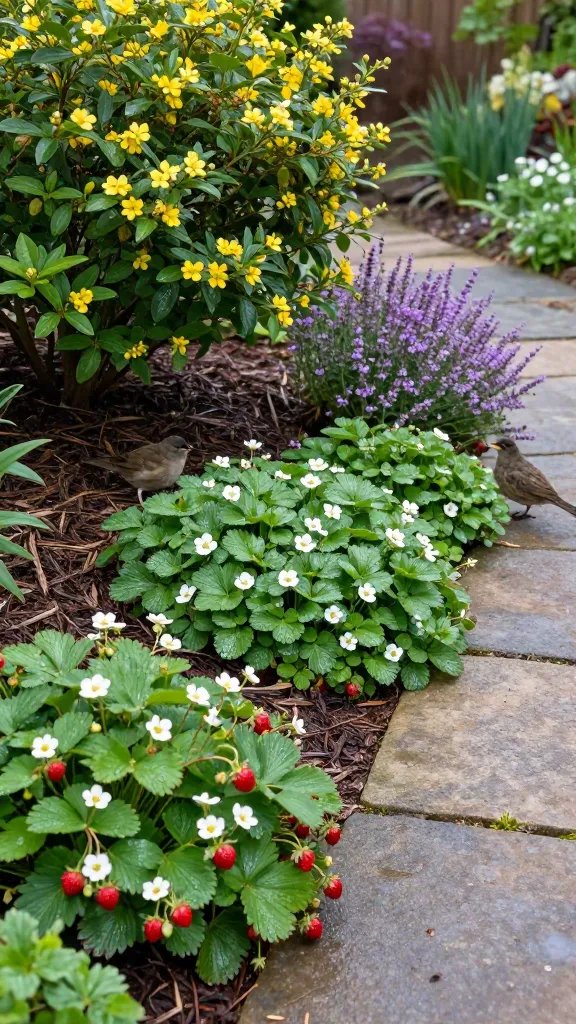
Skip the mulch monoculture and plant living groundcovers that shelter insects and offer seeds or berries. They cool soil, prevent erosion, and keep fledglings safe.
Great Choices
- Wild strawberry (Fragaria virginiana): Edible fruit for you and the birds, pretty runners.
- Barren strawberry (Waldsteinia): Dry shade hero with sunny blooms.
- Partridgeberry and creeping thyme: Low, fragrant, and pollinator-friendly.
Use around shrubs and paths for a lush, bird-friendly underlayer. Perfect if you want less weeding and more life at ground level.
8. Cavity Nesting Zones: Birdhouses That Actually Work
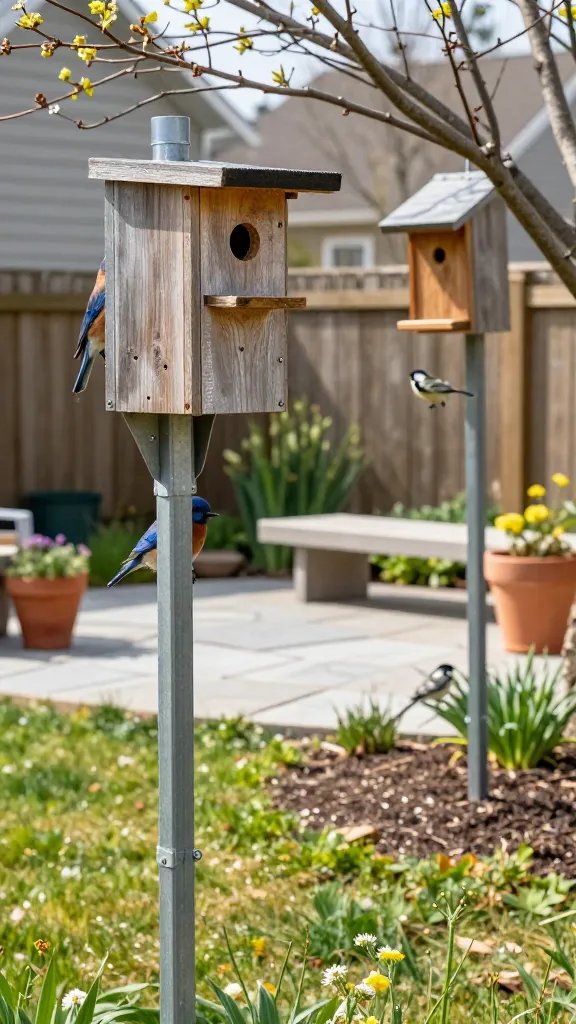
Birdhouses aren’t decor; they’re real estate. A few well-placed, species-appropriate nest boxes can make a measurable difference for chickadees, bluebirds, and wrens.
Design Tips
- Match hole size and height to the species (e.g., bluebirds: 1.5-inch hole, 5–6 feet high, open area).
- Face boxes away from prevailing winds; add predator guards on poles.
- Use unpainted wood interiors, ventilation holes, and hinged panels for cleaning.
Clean boxes each winter to reduce mites and disease. Perfect for the detail-oriented gardener who likes a good project with visible results.
9. Seed and Suet Station With Predator-Savvy Placement
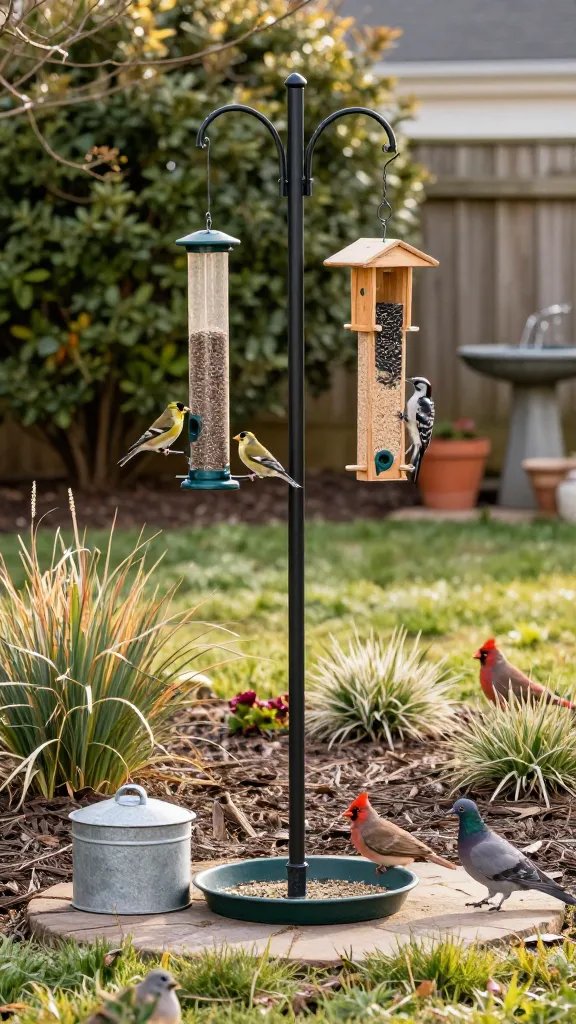
Feeders are the fun, interactive part of a bird-friendly garden. Set up a clean, varied station and you’ll host everyone from finches to woodpeckers.
Setup Strategy
- Offer variety: tube feeder with nyjer for finches, hopper with black oil sunflower, suet cage for woodpeckers.
- Mount on a pole with a baffle, 10 feet from dense shrubs to reduce ambush risk.
- Clean weekly; discard damp seed to prevent mold.
Add a tray or ground feeder for juncos and doves in winter. Perfect if you want close-up birdwatching from the kitchen window.
10. Hedgerows Instead of Fences
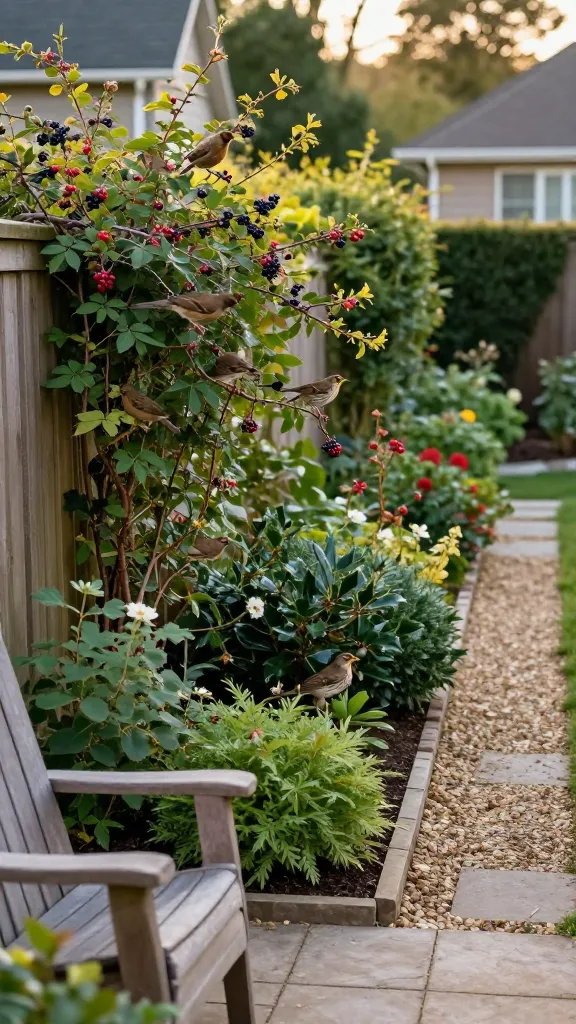
Replace a sterile fence with a mixed hedgerow that feeds and shelters. It’s a linear habitat that connects yards like a wildlife corridor—so much more interesting than boards.
Plant Mix
- Thorny shelter: blackthorn, hawthorn, or native roses.
- Food plants: currant, nannyberry, hazelnut, serviceberry.
- Evergreen patches: inkberry holly, juniper for winter cover.
Why It Works
Birds move safely along the hedge, nesting deep inside. You get privacy, seasonal interest, and the satisfaction of a living boundary. Perfect for property lines you want to soften and enliven.
11. Leaf-Litter and Insect Zones (A.K.A. The No-Rake Corner)
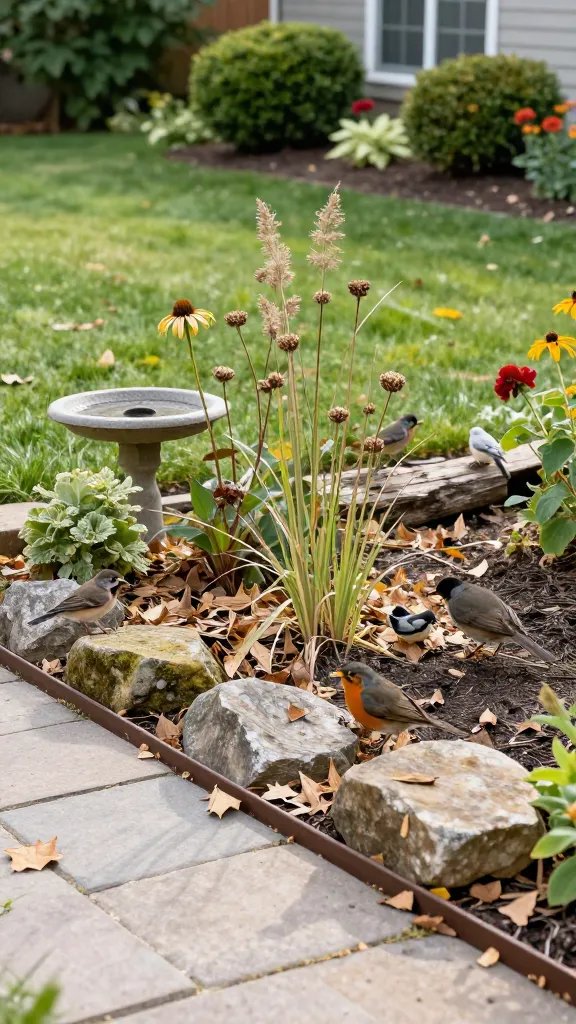
Birds need insects more than they need birdseed. A small area where leaves, stems, and seed heads stick around feeds a whole food web, especially for baby birds.
How to Do It
- Designate a back-corner bed as a “wild zone.”
- Leave fallen leaves and spent stems over winter; cut back in spring after a warm spell.
- Add a few flat rocks and logs to foster beetles and ground dwellers.
It looks natural, not messy, when you frame it with a tidy edge. Perfect for gardeners who want to support birds at their most critical life stage—nesting season.
12. Night-Safe Lighting and Cat-Smart Yard Practices
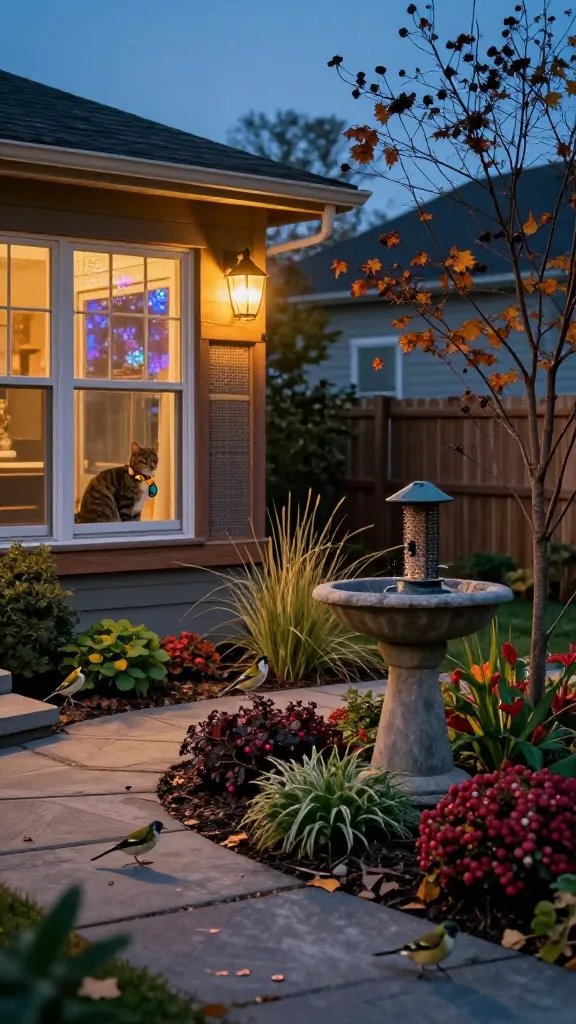
Sometimes the best bird-friendly idea is what you don’t do. Reduce hazards and you’ll protect the birds you worked so hard to attract.
Quick Wins
- Shield outdoor lights and use warm bulbs or motion sensors to reduce disorientation during migration.
- Make windows safer with UV decals or exterior screens near feeders and baths.
- Create a cat-safe zone: leash walks, catios, or bells to cut predation.
Small changes equal big survival boosts. Perfect for anyone who cares about bird welfare as much as garden style.
Feeling inspired yet? Pick two or three ideas to start, then add a new layer each season. Birds will find your garden, spread the word, and keep coming back—because you built a home, not just a yard. Trust me, the first time a hummingbird hovers at your flowers, you’ll be hooked.