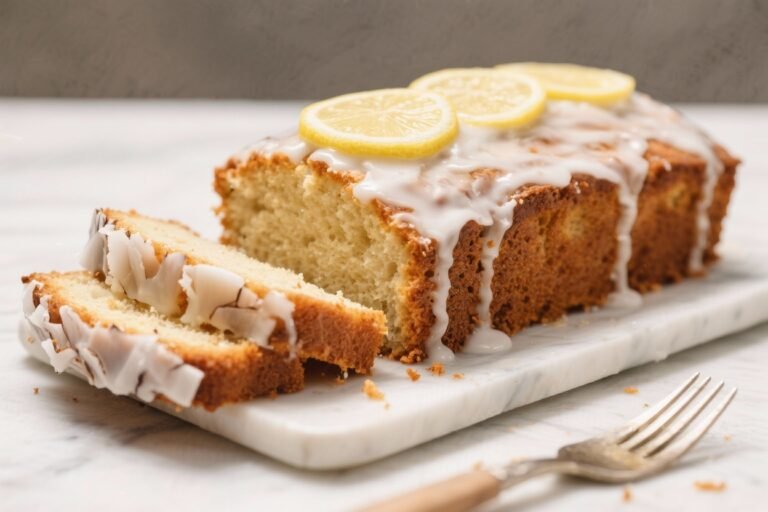
Italian Lemon Pound Cake – Bright, Buttery, and Tender
This Italian lemon pound cake is the kind of dessert that makes the whole kitchen smell like sunshine. It’s buttery, rich, and packed with fresh lemon flavor from zest, juice, and a light glaze. The texture is tight-crumbed and moist, just the way a classic pound cake should be.
Serve it with berries, a spoonful of mascarpone, or enjoy it plain with tea or coffee. It’s simple enough for a weekday and elegant enough for a celebration.
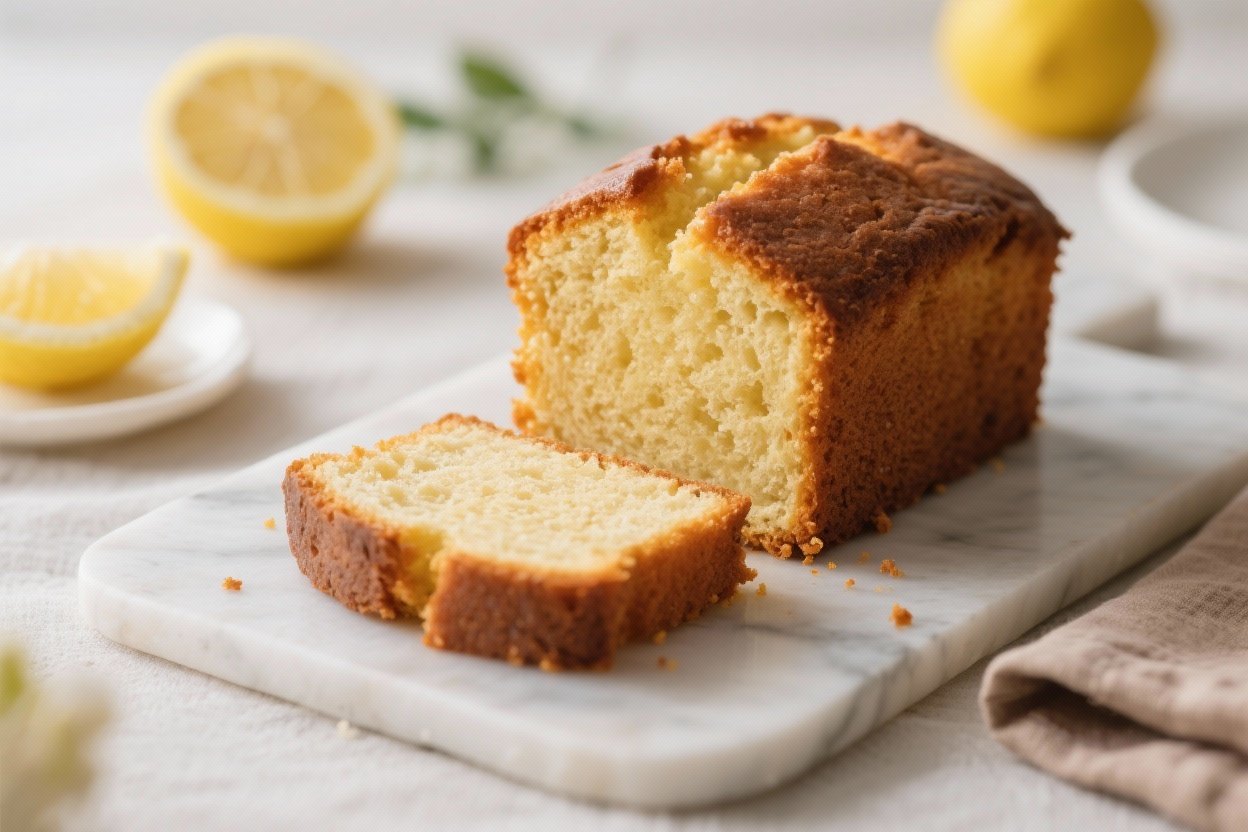
Italian Lemon Pound Cake - Bright, Buttery, and Tender
Ingredients
Method
- Prep your pan and oven. Preheat the oven to 325°F (165°C). Grease a 9x5-inch loaf pan or a 10-cup bundt pan. Line a loaf pan with a parchment sling for easy removal.Dust with flour and tap out the excess.
- Mix the dry ingredients. In a bowl, whisk flour, baking powder, and salt. Set aside.
- Cream butter and sugar. In a large bowl, beat the softened butter and granulated sugar on medium speed for 3–4 minutes, until pale and fluffy. This step builds structure and gives you that tight, velvety crumb.
- Add eggs one at a time. Beat in the eggs, one by one, mixing well after each addition.Scrape the bowl as needed. Stir in the lemon zest and vanilla (and limoncello if using).
- Combine wet and dry. Stir the lemon juice into the sour cream. Add the flour mixture to the butter mixture in three parts, alternating with the sour cream mixture in two parts.Begin and end with the flour. Mix on low just until combined. Do not overmix.
- Fill the pan. Spoon the batter into the prepared pan and smooth the top.Tap the pan gently on the counter to release large air bubbles.
- Bake. Bake for 55–70 minutes for a loaf pan or 50–65 minutes for a bundt, until the top is golden and a skewer comes out mostly clean with a few moist crumbs. If the top browns too quickly, tent with foil for the last 10–15 minutes.
- Make the lemon syrup. While the cake bakes, combine lemon juice and sugar in a small saucepan. Heat over low, stirring, until the sugar dissolves.Set aside.
- Soak the warm cake. Let the cake cool in the pan for 10 minutes. Poke small holes on top with a skewer. Brush or spoon the warm lemon syrup evenly over the cake.Let it soak in for another 10–15 minutes.
- Remove and cool. Lift or invert the cake onto a wire rack and let it cool completely.
- Glaze. Whisk powdered sugar with 2 tablespoons lemon juice and a pinch of salt. Add more juice to reach a thick but pourable consistency. Drizzle over the cooled cake.Let the glaze set before slicing.
- Serve. Slice with a sharp serrated knife. Garnish with fresh berries, lemon curls, or a light dusting of powdered sugar if you’d like.
What Makes This Special
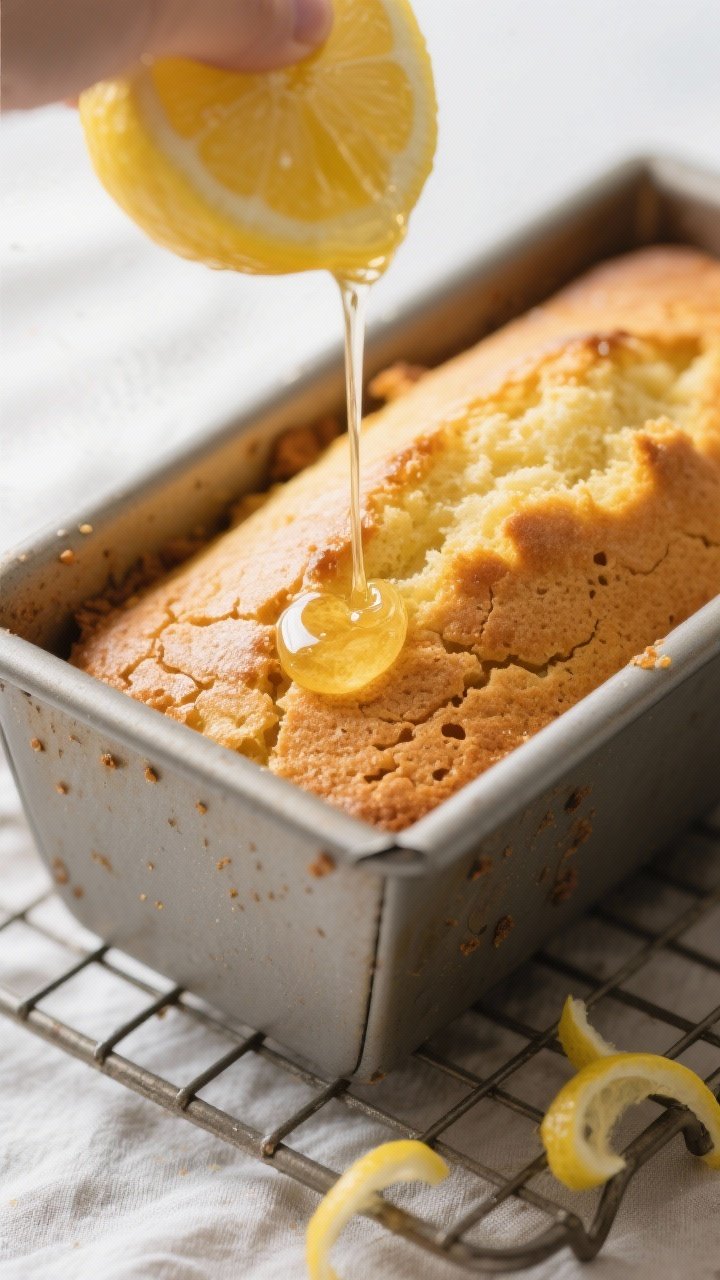
This cake balances sweetness and tang with a true Italian touch. The lemon flavor comes from three places: zest in the batter, juice in the batter, and a glossy lemon syrup that soaks in while the cake is warm.
A final drizzle of lemon glaze seals in moisture and adds shine. The secret to its tender crumb is creaming butter and sugar properly and using room-temperature ingredients. A bit of sour cream keeps the cake moist without making it heavy.
The result is a slice that’s rich but never cloying, with a clean, bright citrus finish.
Ingredients
- For the cake:
- 1 cup (226 g) unsalted butter, softened
- 1 3/4 cups (350 g) granulated sugar
- 4 large eggs, room temperature
- 2 1/2 cups (300 g) all-purpose flour
- 1 1/2 teaspoons baking powder
- 1/2 teaspoon fine sea salt
- 3/4 cup (180 g) sour cream, room temperature
- 1/3 cup (80 ml) freshly squeezed lemon juice
- 2 tablespoons finely grated lemon zest (from 2–3 lemons)
- 1 teaspoon pure vanilla extract
- Optional: 1 tablespoon limoncello (for extra lemon lift)
- For the lemon syrup:
- 1/4 cup (60 ml) freshly squeezed lemon juice
- 1/4 cup (50 g) granulated sugar
- For the glaze:
- 1 cup (120 g) powdered sugar
- 2–3 tablespoons freshly squeezed lemon juice
- Pinch of salt
- To finish (optional):
- Thin lemon slices or zest curls
- Fresh berries
- Light dusting of powdered sugar
Instructions

- Prep your pan and oven. Preheat the oven to 325°F (165°C). Grease a 9×5-inch loaf pan or a 10-cup bundt pan. Line a loaf pan with a parchment sling for easy removal.Dust with flour and tap out the excess.
- Mix the dry ingredients. In a bowl, whisk flour, baking powder, and salt. Set aside.
- Cream butter and sugar. In a large bowl, beat the softened butter and granulated sugar on medium speed for 3–4 minutes, until pale and fluffy. This step builds structure and gives you that tight, velvety crumb.
- Add eggs one at a time. Beat in the eggs, one by one, mixing well after each addition.Scrape the bowl as needed. Stir in the lemon zest and vanilla (and limoncello if using).
- Combine wet and dry. Stir the lemon juice into the sour cream. Add the flour mixture to the butter mixture in three parts, alternating with the sour cream mixture in two parts.Begin and end with the flour. Mix on low just until combined. Do not overmix.
- Fill the pan. Spoon the batter into the prepared pan and smooth the top.Tap the pan gently on the counter to release large air bubbles.
- Bake. Bake for 55–70 minutes for a loaf pan or 50–65 minutes for a bundt, until the top is golden and a skewer comes out mostly clean with a few moist crumbs. If the top browns too quickly, tent with foil for the last 10–15 minutes.
- Make the lemon syrup. While the cake bakes, combine lemon juice and sugar in a small saucepan. Heat over low, stirring, until the sugar dissolves.Set aside.
- Soak the warm cake. Let the cake cool in the pan for 10 minutes. Poke small holes on top with a skewer. Brush or spoon the warm lemon syrup evenly over the cake.Let it soak in for another 10–15 minutes.
- Remove and cool. Lift or invert the cake onto a wire rack and let it cool completely.
- Glaze. Whisk powdered sugar with 2 tablespoons lemon juice and a pinch of salt. Add more juice to reach a thick but pourable consistency. Drizzle over the cooled cake.Let the glaze set before slicing.
- Serve. Slice with a sharp serrated knife. Garnish with fresh berries, lemon curls, or a light dusting of powdered sugar if you’d like.
Keeping It Fresh
This cake stays moist for days thanks to the syrup and glaze. Store it in an airtight container at room temperature for up to 3 days.
For longer storage, wrap slices tightly and refrigerate for up to 1 week. For freezing, wrap the whole unglazed cake in plastic and then foil. Freeze for up to 2 months.
Thaw overnight in the fridge, bring to room temperature, then glaze before serving.
Benefits of This Recipe
- Bright flavor: Lemon zest, juice, and syrup layer on citrus notes without bitterness.
- Moist, tender crumb: Sour cream and proper creaming keep the texture plush.
- Make-ahead friendly: Tastes even better the next day as the flavors settle.
- Versatile: Works in a loaf or bundt pan and pairs well with fruit, cream, or gelato.
- Simple pantry ingredients: Everything is easy to find and budget-friendly.
Pitfalls to Watch Out For
- Cold ingredients: Butter, eggs, and sour cream should be room temperature. Cold ingredients cause curdling and dense texture.
- Overmixing: Mix just until combined after adding flour. Overmixing makes the cake tough.
- High oven temp: Baking too hot can crack or dry out the cake.Stick to 325°F for even baking.
- Skipping the syrup: The syrup is key for moisture and lemon punch. Don’t skip it.
- Overbaking: Check early. Pull the cake when a skewer has a few moist crumbs, not dry crumbs.
Variations You Can Try
- Limoncello glaze: Swap half the lemon juice in the glaze with limoncello for a fragrant finish.
- Lemon-olive oil twist: Replace 4 tablespoons of butter with extra-virgin olive oil for a subtle, fruity note.
- Poppy seed crunch: Fold 2 tablespoons poppy seeds into the batter for texture.
- Almond lemon: Add 1/2 teaspoon almond extract and top with toasted sliced almonds before glazing.
- Ricotta richness: Swap half the sour cream for whole-milk ricotta.The crumb becomes slightly denser and very creamy.
- Gluten-free option: Use a 1:1 gluten-free baking flour with xanthan gum. Bake time may vary slightly; start checking early.
- Meyer lemon version:</-strong> Use Meyer lemons for a sweeter, floral flavor and reduce sugar in the syrup by a tablespoon if desired.
FAQ
Can I use bottled lemon juice?
Fresh is best. Bottled juice can taste flat or harsh.
For the syrup and glaze, fresh juice makes a noticeable difference in flavor.
How do I know when the cake is done?
Look for a golden top and edges pulling slightly from the pan. A skewer inserted in the center should come out with a few moist crumbs, not wet batter. If it’s browning fast, tent loosely with foil.
Can I make this without sour cream?
Yes.
Use full-fat Greek yogurt in the same amount. Avoid low-fat options, which can make the cake drier and less tender.
What if my batter looks slightly curdled after adding the eggs?
That can happen if ingredients are cool. It usually smooths out when you add the flour.
As long as you cream the butter and sugar well, the cake will bake up fine.
How do I keep the cake from sticking?
Grease and flour the pan thoroughly, and line a loaf pan with parchment. Let the cake sit for 10 minutes after baking before unmolding to set the structure.
Can I bake this in mini loaf pans?
Yes. Fill each mini loaf about two-thirds full.
Bake at the same temperature and start checking at 25–30 minutes. Brush with syrup while warm and glaze after cooling.
How strong is the lemon flavor?
It’s bright but balanced. For extra zing, add more zest or a splash of limoncello to the glaze.
For a gentler flavor, use Meyer lemons.
In Conclusion
Italian lemon pound cake is a crowd-pleaser with classic charm and fresh, zesty personality. It’s simple to make, keeps well, and works for brunch, afternoon coffee, or dessert. With a few straightforward techniques and fresh lemons, you’ll have a tender, fragrant cake that tastes like sunshine on a plate.
Keep this recipe in your back pocket—once you try it, you’ll make it on repeat.