
12 Old Money Living Room Ideas That Quietly Scream Taste
You know that rich-aunt energy? The kind that whispers “I’ve had this for years” while casually serving tea in porcelain older than you? That’s the vibe. Old money style isn’t flashy—it’s calm, layered, and looks like it’s been collected over generations. The good news: you can totally pull it off without raiding an estate sale at 5 a.m.
Let’s build a living room that feels like it has a backstory. Here are exactly 12 old money living room ideas—no faux gold, no giant logos, just quiet luxury that gets better with age.
1. Start With a Timeless Foundation

Old money rooms don’t chase trends. They start with classic bones: well-made furniture, neutral walls, and a strong layout. Think symmetry, balance, and proportion—the kind of room that looks calm even when it’s full.
What to focus on
- Neutral paint: Warm whites, soft creams, mushroom, or pale stone. No blinding gallery white.
- Classic shapes: Rolled-arm sofas, English or Lawson styles, and skirted frames.
- Solid rugs: Wool, Persian, or sisal to anchor everything. Size matters—bigger looks richer.
FYI: The goal is to create a canvas that can handle layers without feeling chaotic. You want guests to ask, “Why does this look so calm?”
2. Choose Upholstery That Ages Gracefully
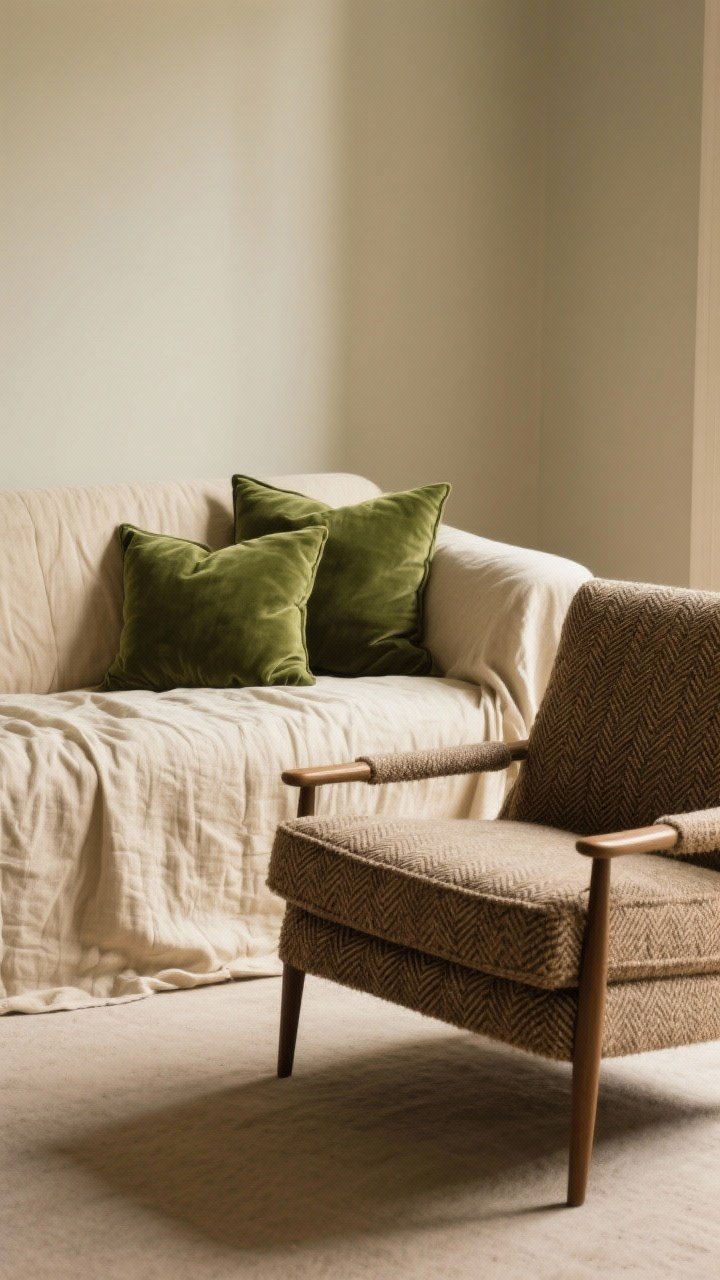
Shiny fabrics? Hard pass. Old money rooms are all about natural fibers that patina beautifully. Wool, linen, velvet, and cotton look better with a little wear, and that’s the secret.
Smart fabric choices
- Linen for breezy slipcovers that feel lived-in, not sloppy.
- Velvet for clubby, cozy seating—moss green, tobacco, oxblood, or navy.
- Herringbone wool on accent chairs for subtle pattern without noise.
Pro tip: Mix textures within the same color family. A linen sofa plus velvet pillows is instant understated luxury.
3. Invest in One “Heritage” Piece

You don’t need a room full of antiques—just one exceptional piece to set the tone. It might be a carved chest, a burled wood coffee table, or a vintage leather club chair that tells a story the second you walk in.
What counts as ‘heritage’?
- Solid wood casegoods with dovetail joints, not staples.
- Patinated leather (not fake-distressed) with real weight and stitching.
- Antique portraits or landscapes in gilded or ebonized frames.
Place your heirloom piece where it gets natural light and air. Let it be the quiet star.
4. Layer Patterns Like a Country House

This is where traditional gets playful. Old money rooms layer patterns—just not all at once. Mix stripes, florals, and plaids with restraint and repeat colors across the room for cohesion.
How to mix without chaos
- Start with a hero print (a floral or toile), then add a stripe and a small geometric.
- Use two or three colors max—think moss, cream, and oxblood.
- Balance scales: large floral on drapery, medium stripe on pillows, small check on an ottoman.
IMO: A few patterned cushions and one upholstered chair can do more than wallpaper ever will.
5. Curate a Proper Library Wall
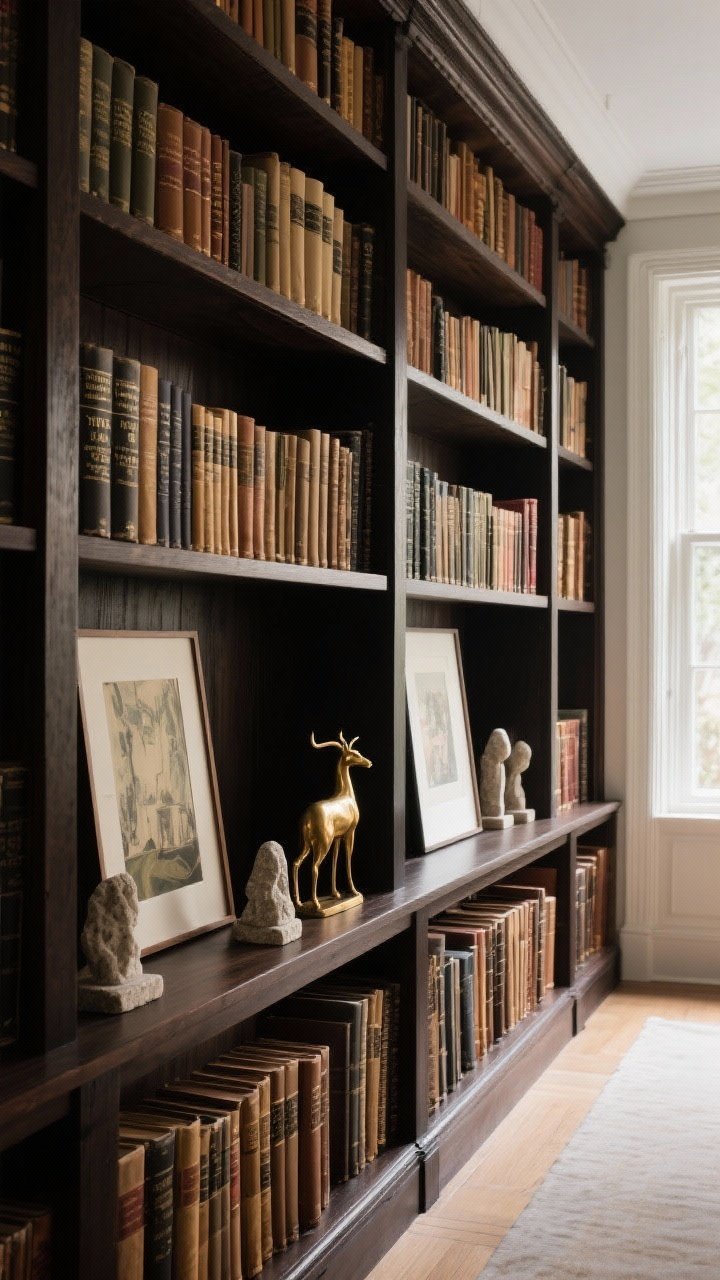
Nothing says “old money” like a wall of books—not color-coded paperbacks, but real books with character. If you’ve got built-ins, bless you. If not, go for classic wood shelving and fill it slowly.
Make it feel collected
- Hardcovers with cloth spines and vintage titles—estate sales are your friend.
- Objects with a story: brass animals, stone bookends, black-and-white photos.
- Art leaned on shelves layered in front of books for depth.
A few gaps are fine. The goal is “lived-in intellect,” not showroom.
6. Hang Art Like You Mean It

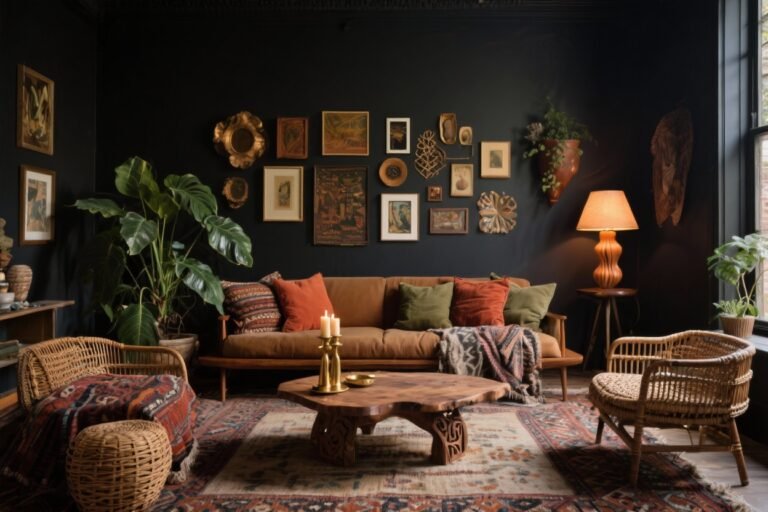
Skip giant modern canvases unless they’re exceptional. Old money rooms lean hard into oil paintings, etchings, botanical plates, and portraiture. Even modest pieces look rich when framed well.
Gallery rules that never fail
- Use real frames: gilded, dark wood, or black with gold fillets. No plastic.
- Mix sizes, but keep spacing consistent—2 to 3 inches between frames.
- Hang low: art should feel connected to furniture, not drifting near the ceiling.
Pro move: One moody portrait above the mantel changes the whole energy of the room.
7. Embrace Muted, Historic Colors

Old money isn’t neon. It’s all about complex, dusty hues that feel sun-faded and soft. Think colors with depth: not flat beige, but warm taupe; not bright green, but olive; not red, but oxblood.
Fail-safe palettes
- Olive, tobacco, and cream with dark wood and brass.
- Navy, camel, and stone with a hint of burgundy.
- Moss green, ecru, and walnut for a grounded, library feel.
Paint with a matte or eggshell finish so walls feel soft, not shiny. It’s a quiet backdrop for everything else.
8. Get Serious About Lighting

Overhead lights alone? A crime against coziness. Old money rooms are layered with lamps, sconces, and picture lights. Warm, low lighting instantly makes a room feel more expensive.
Layered lighting checklist
- Table lamps with pleated shades or silk drums. Ceramic, wood, or brass bases.
- Wall sconces with warm bulbs and fabric shades to frame art or flanking a sofa.
- Picture lights above art for that gallery-but-cozy moment.
Use warm dimmable bulbs around 2700K. Brass or antique bronze finishes keep things timeless.
9. Choose Rugs That Ground the Room

A too-small rug is the fastest way to cheapen the room. Old money style calls for large, quality rugs that anchor furniture and whisper “heirloom.” Bonus points for real wool or hand-knotted pieces.
Rug wisdom
- Size up: front legs of all seating should sit on the rug.
- Persian and Turkish rugs bring depth—muted reds, blues, and soft neutrals.
- Sisal or jute as a base with a smaller antique rug layered on top = chef’s kiss.
Little wear and fading? Perfect. It reads “collected,” not “old.”
10. Add Subtle Hardware And Metal Accents
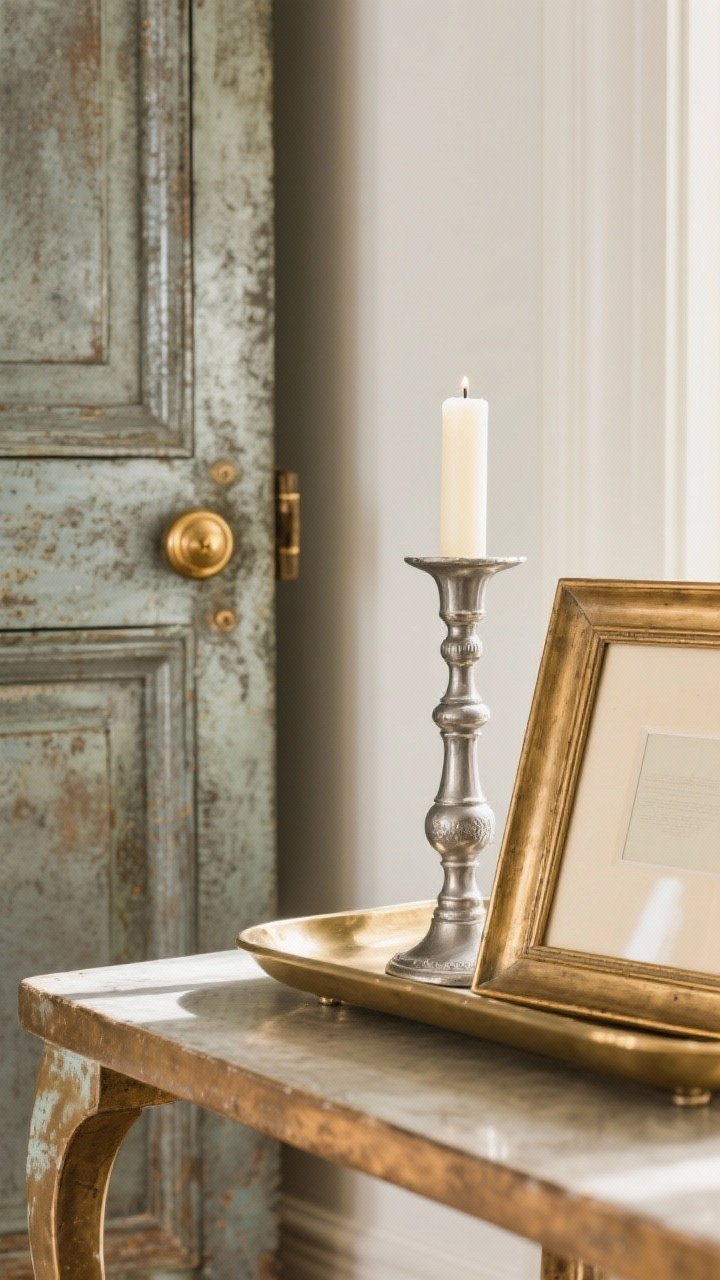
Metal is your room’s jewelry—keep it classic. Unlacquered brass, antique bronze, and pewter age beautifully and add warmth. No bling, just glow.
Where to use metals
- Cabinet knobs and pulls in aged brass for a library look.
- Picture frames and candleholders in mixed metals—just keep finishes soft.
- Tray tables and bar carts with subtle patina.
FYI: Matchy-matchy isn’t necessary. Keep finishes in the same mood (warm and aged), and they’ll get along.
11. Style With Story-Heavy Accessories
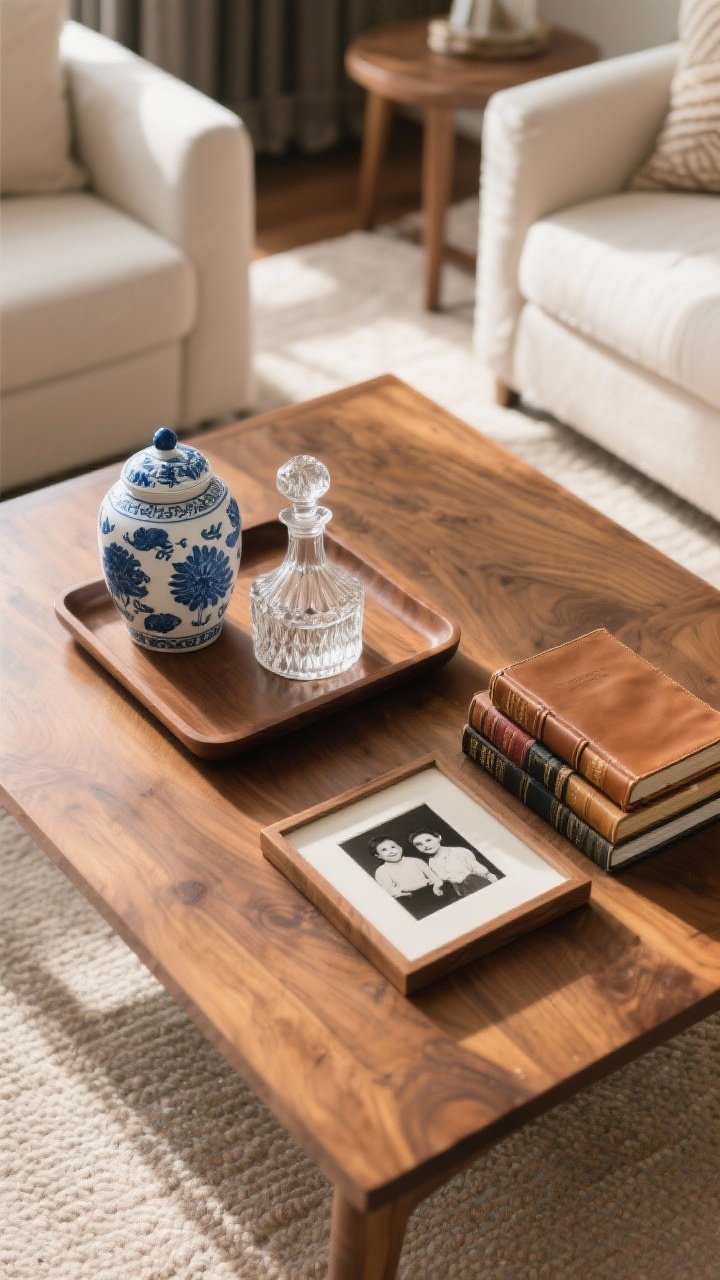
Accessories are where you flex taste without shouting. Choose pieces that feel lived-in and personal: porcelain, leather-bound books, crystal, and quirky objects with history.
Styling ideas that feel inherited
- Blue-and-white porcelain jars, bowls, and ginger pots—classic, never try-hard.
- Crystal decanters on a wood tray (even if they hold iced tea, we won’t tell).
- Framed family photos in silver or black frames mixed with vintage sketches.
- Throws in wool or cashmere, casually folded—not staged within an inch of their life.
One meaningful object per surface is enough. Let pieces breathe.
12. Keep It Polished But Not Precious

Old money rooms are used, not roped off. They’re tidy, not sterile. The secret sauce? Good habits and edit skills: fewer things, better quality, and just enough patina to feel human.
Maintenance mindset
- Edit quarterly: remove anything that feels trendy or flimsy.
- Care for materials: condition leather, vacuum wool rugs, rotate cushions.
- Live in it: stacks of books, fresh flowers, a chessboard mid-game—that’s the charm.
Bottom line: it should look timeless on Tuesday and even better on Friday night with a drink and a dog.
Pulling It All Together
Want a quick formula to start today? Try this:
- Paint walls a warm neutral and add a large wool or sisal rug.
- Bring in a classic sofa with linen or velvet upholstery and a pair of vintage chairs.
- Hang art with real frames, add two table lamps, and style a coffee table with books + a small bowl + candles.
- Finish with one heritage piece and a couple of blue-and-white porcelains.
You don’t need a trust fund—you just need taste and patience. Layer slowly, buy fewer-but-better, and let your living room tell a story that feels collected, confident, and quietly luxurious. That’s the old money way.