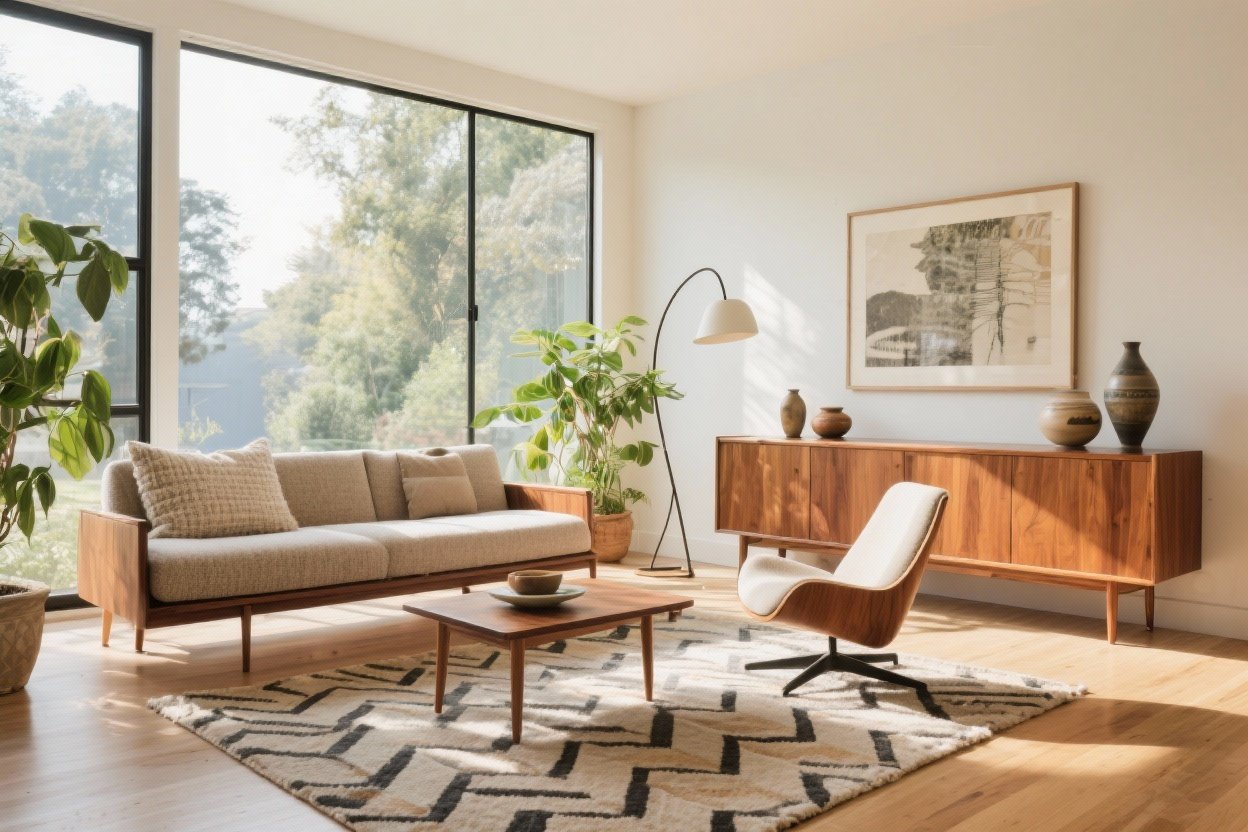
12 Midcentury Modern Living Room Ideas You’ll Want to Steal Asap
Let’s be real: midcentury modern is the Beyoncé of design styles—timeless, cool, and always a good idea. Clean lines, warm woods, just enough color to feel fun… what’s not to love?
If your living room needs that effortless, stylish vibe that whispers “I have taste,” these ideas will get you there fast—without feeling like a museum set.
1. Start With an Iconic Sofa (But Make It Livable)
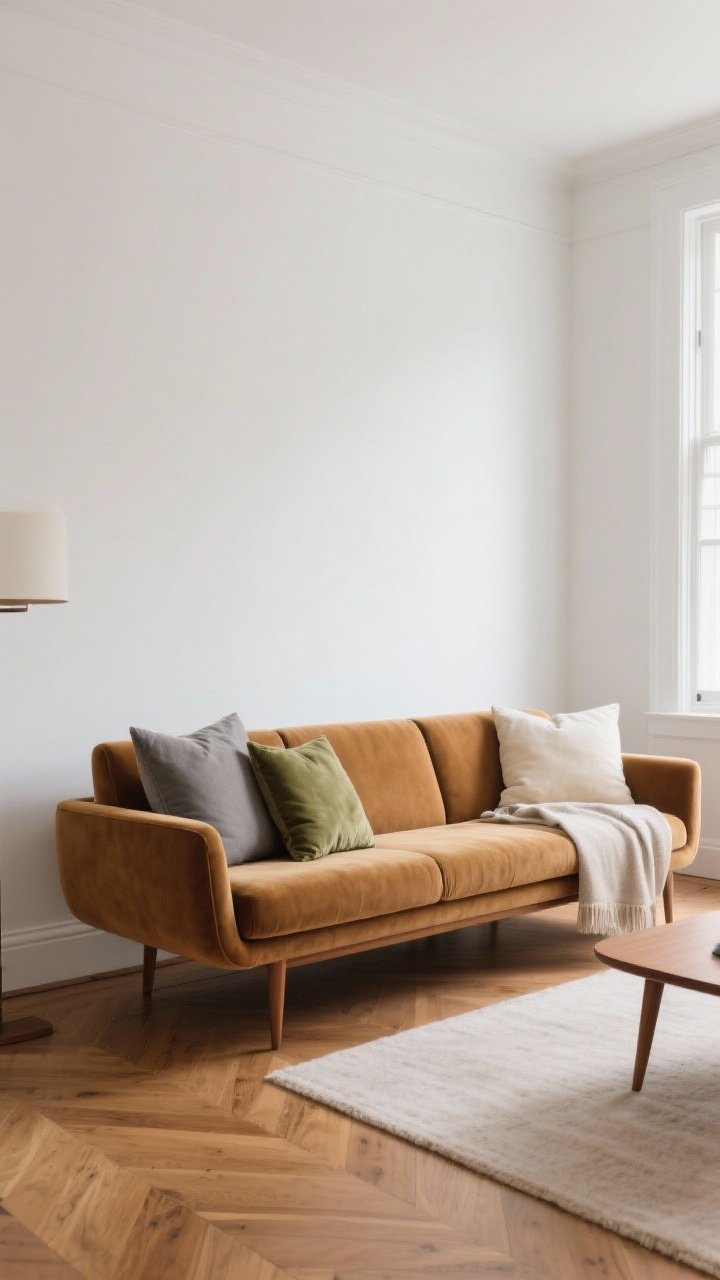
You don’t need a fancy designer label to nail the look. What you do need: a sofa with clean lines, tapered legs, and a low profile. Think structured cushions and just enough curve to keep it soft.
Tips to nail it
- Pick fabrics that hold their shape, like tweed, linen blends, or performance velvet.
- Go neutral—camel, gray, olive, or cream—and add color with pillows.
- Mind the legs: wood or metal with a tapered shape screams midcentury.
Want extra points? A bench seat cushion looks sleek and uncluttered. FYI: it’s also way easier to style.
2. Mix Warm Woods Like a Designer
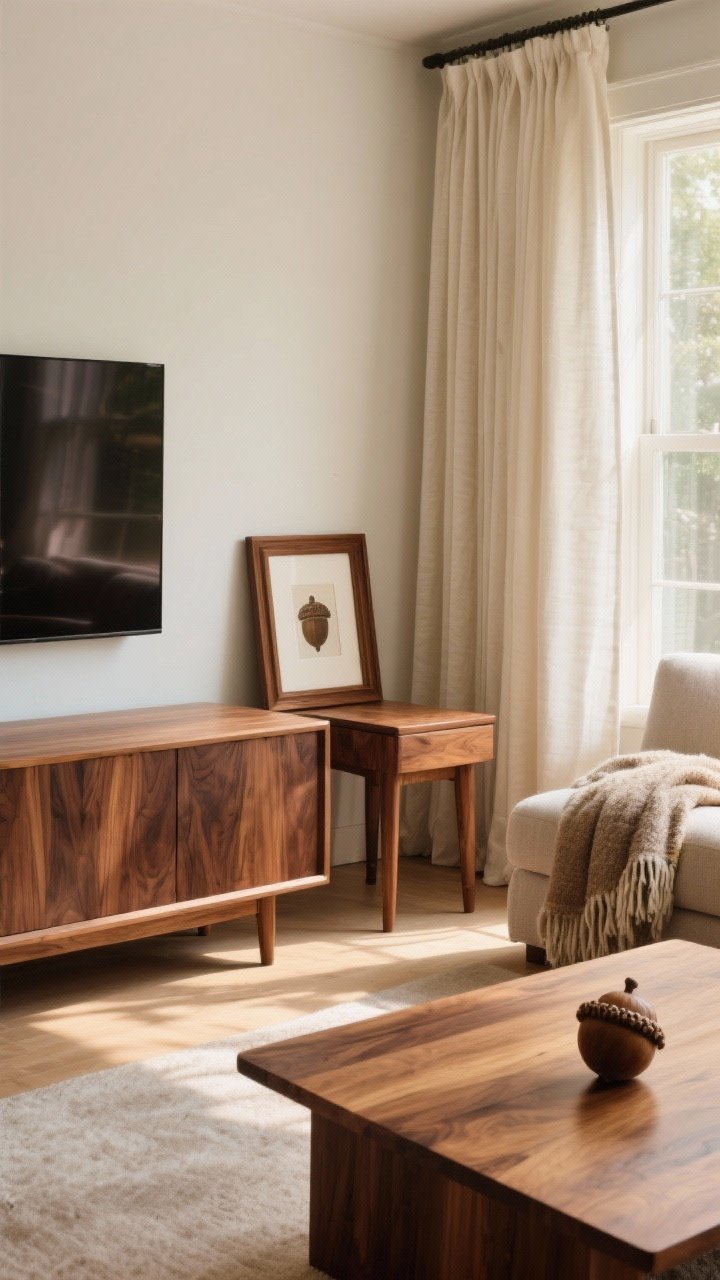
Midcentury modern loves warm, earthy woods. Walnut, teak, and acorn tones add instant richness. Don’t stress about matching every piece—coordinating is the goal, not uniformity.
How to mix without clashing
- Choose a dominant wood tone (usually your media console or coffee table), then add one supporting tone.
- Repeat each wood at least twice in the room—visually it just clicks.
- Balance wood with soft textures so it doesn’t feel heavy.
PSA: A wood slat console or credenza? Always a win.
3. Keep Lines Clean, But Add Curves
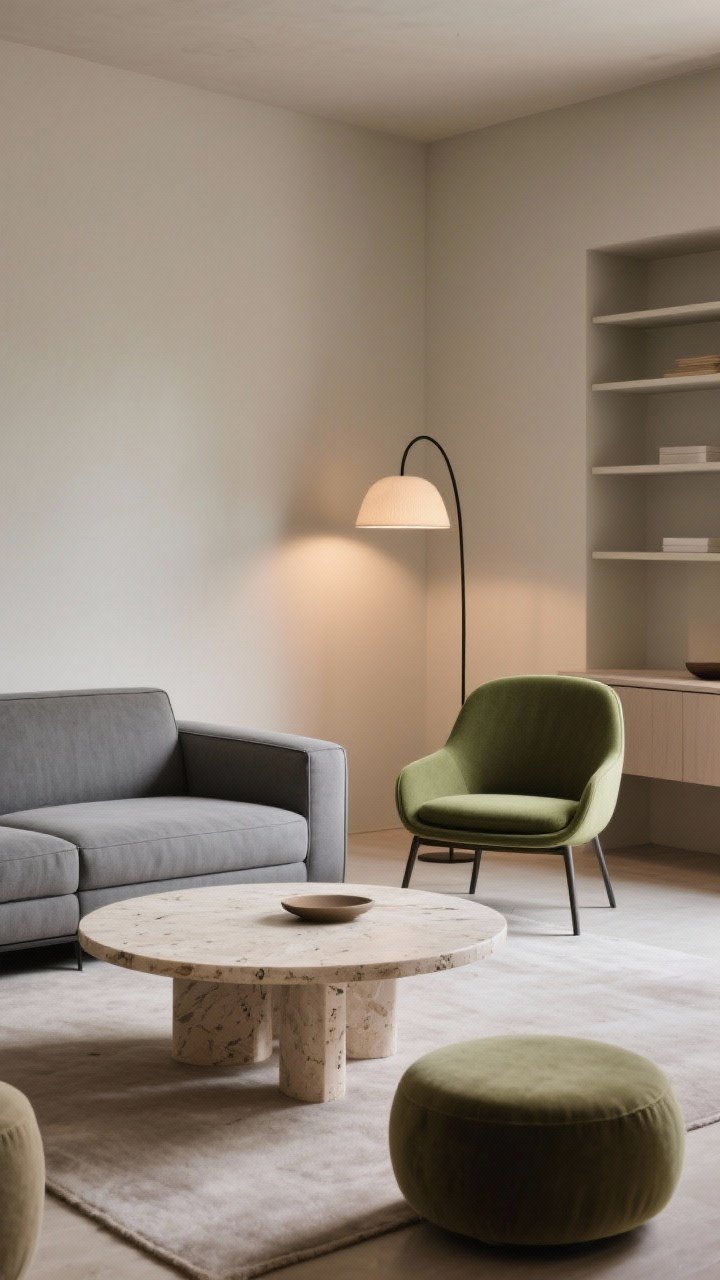
The magic formula is simple: 90% straight lines + 10% curves. A structured sofa paired with a round coffee table or a curvy accent chair keeps things human and inviting.
Where to curve it up
- Round coffee table in marble, travertine, or wood.
- Arched floor lamp or curved sconce.
- Soft, rounded ottomans to break up right angles.
It’s like eyeliner: a little flick goes a long way.
4. Anchor the Room With a Graphic Rug
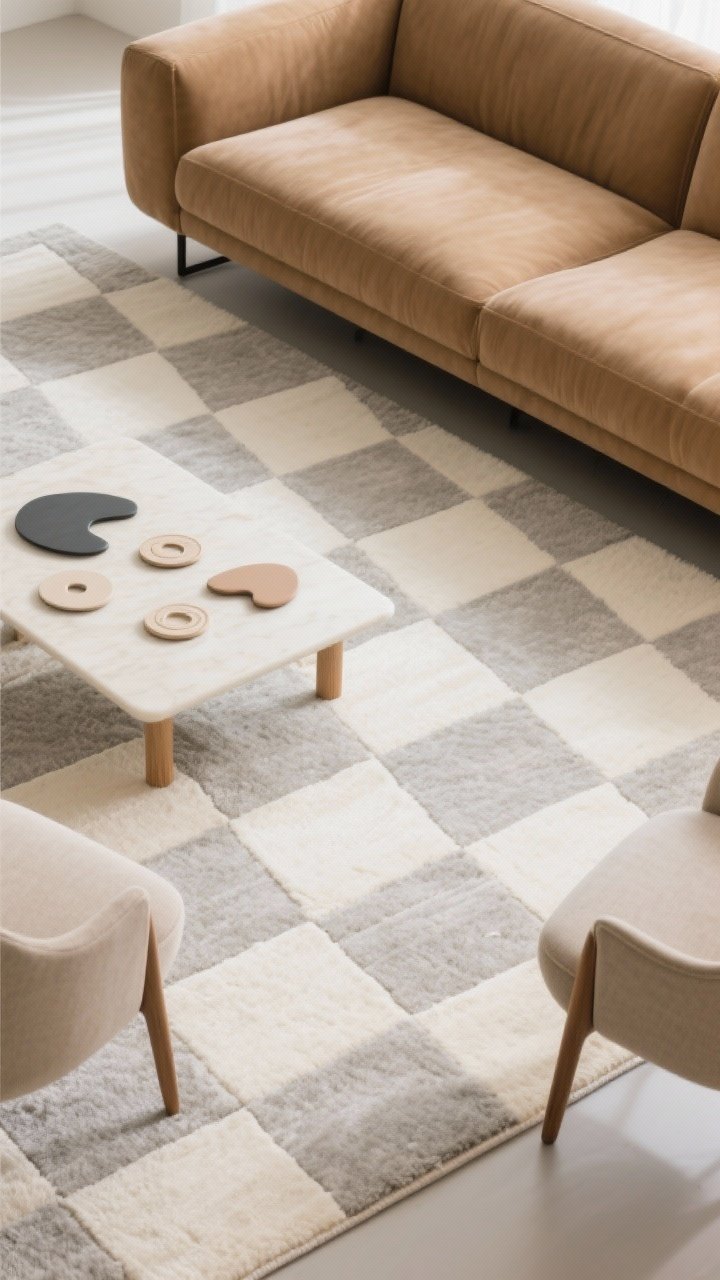
Midcentury rooms often succeed or fail at the floor. A low-pile rug with geometric pattern or subtle texture makes everything else feel intentional.
Rug rules that actually help
- Size up: front legs of all seating should sit on the rug.
- Patterns to try: checkerboard, grid, offset stripes, or abstract shapes.
- Color strategy: if your furniture is neutral, the rug can play; if your sofa is bold, keep the rug calm.
Don’t skip a rug pad—less sliding, more cozy.
5. Choose Lighting Like Jewelry
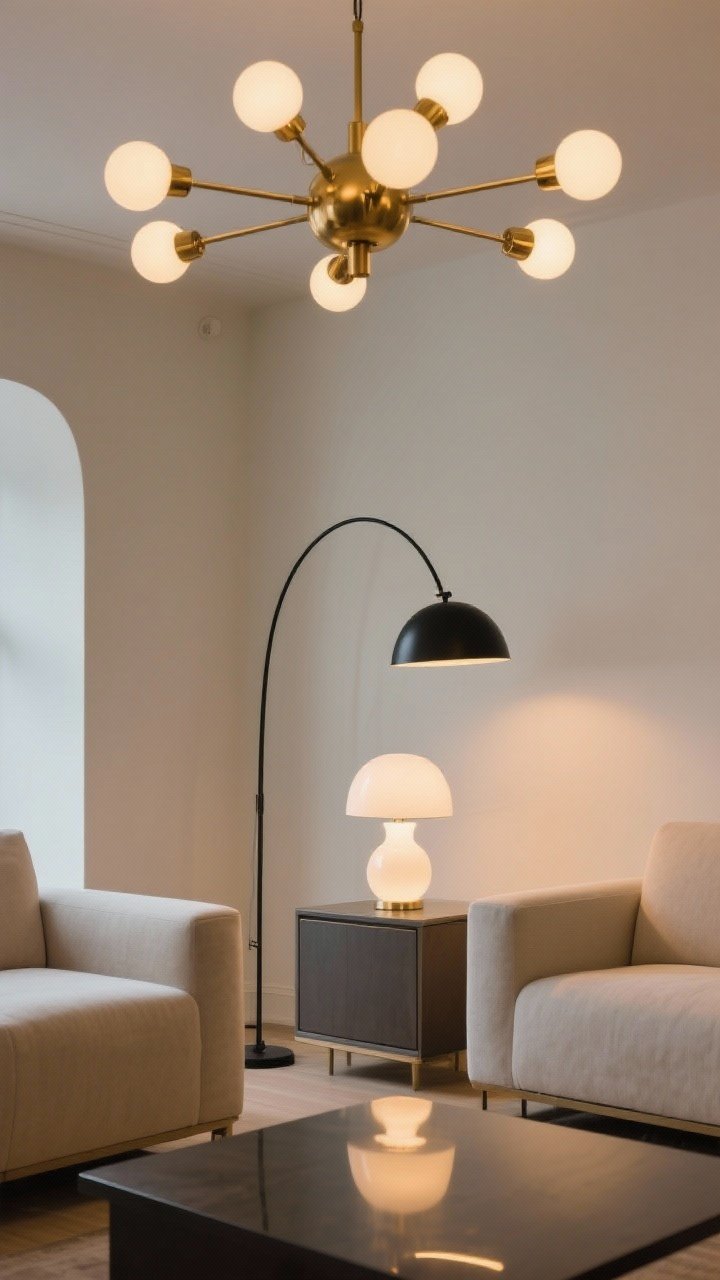
Lighting is where midcentury design gets flirty. Think brass, matte black, opal glass, and sculptural shapes. One great light can change the whole mood.
Layer your lights
- Overhead: a sputnik chandelier or flush mount with globe bulbs.
- Task: an arched floor lamp or articulated arm lamp.
- Accent: a small table lamp on the credenza for ambient glow.
Bonus tip: Warm LED bulbs (2700K–3000K) keep your space cozy, not clinical.
6. Add Real-Deal Texture (No Flat Rooms Allowed)
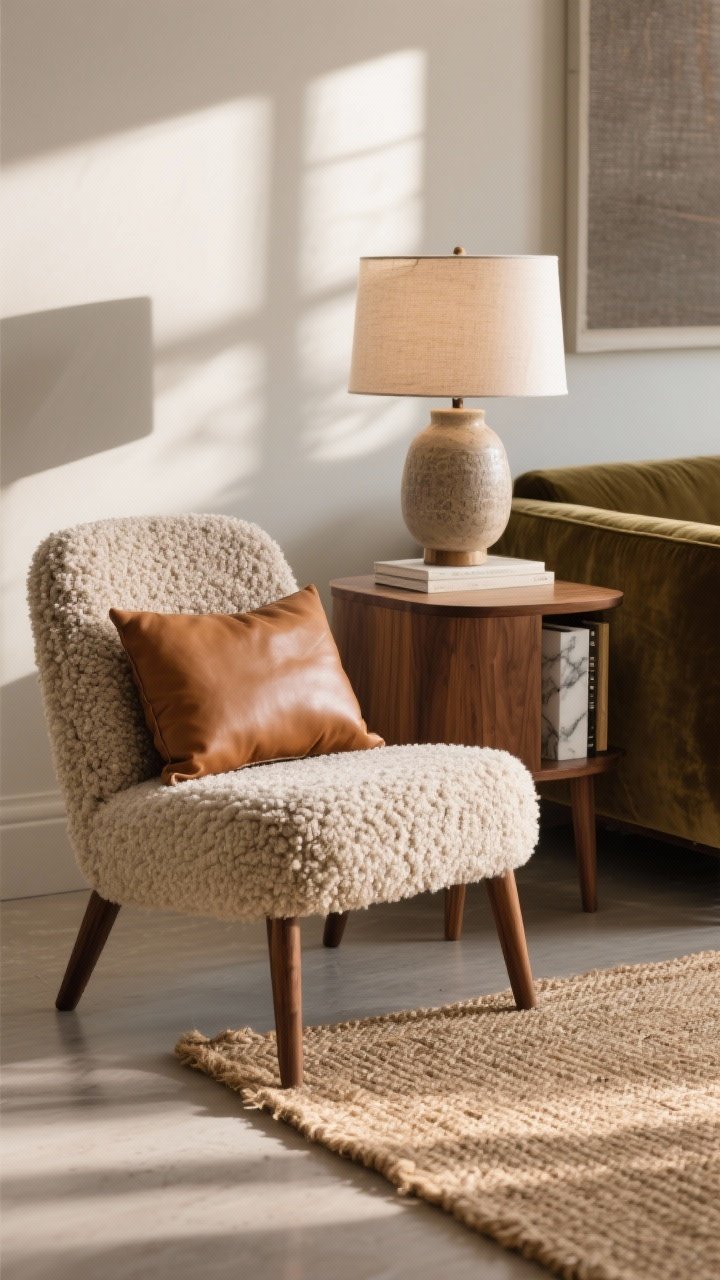
Midcentury doesn’t mean sterile. You want texture on texture so it feels layered, not showroom cold. Mix nubby fabrics with smooth woods and soft leather for balance.
Texture combos that never fail
- Nubby bouclé chair + walnut side table + leather pillow.
- Linen curtains + wool throw + ceramic lamp.
- Velvet sofa + jute rug + marble or travertine accents.
Think of it like a playlist: you need bass (rug), melody (sofa), and vocals (pillows/throws).
7. Embrace Earthy Color With Strategic Pops
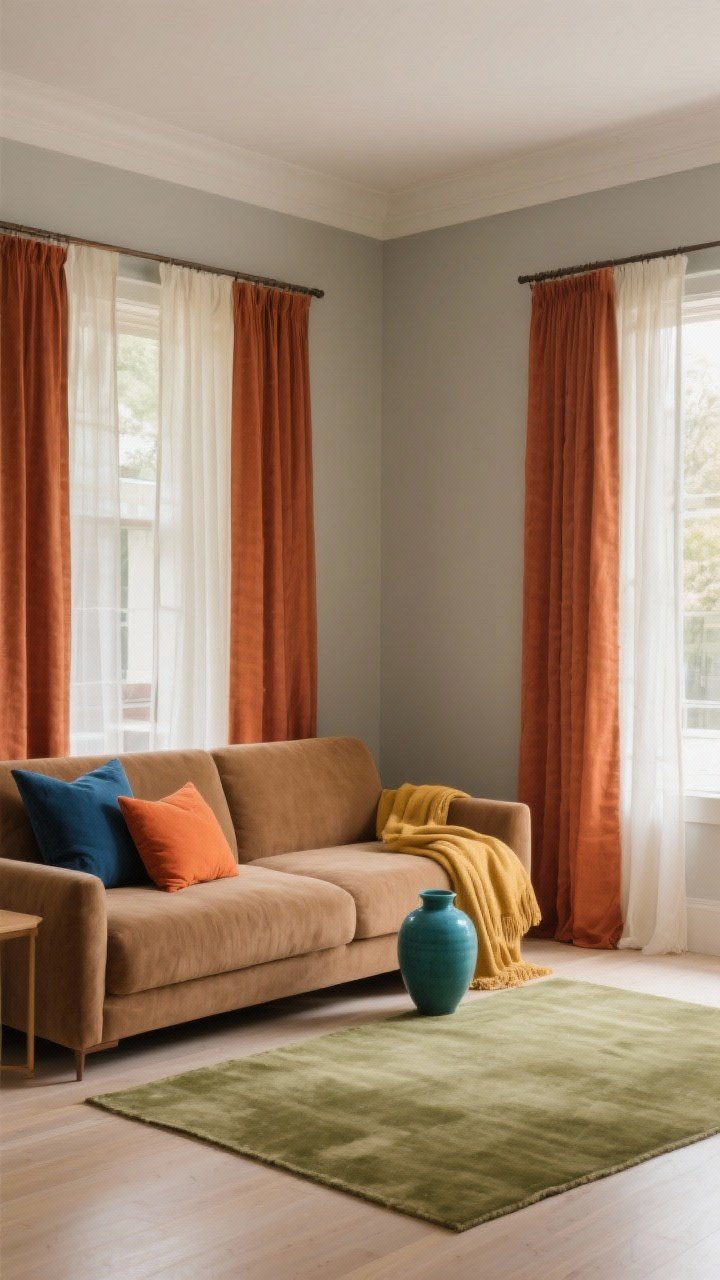
Midcentury palettes skew earthy with a dash of confident color. Start with warm neutrals (camel, sand, greige), then layer muted shades like olive, terracotta, mustard, or indigo. A pop of teal or burnt orange? Chef’s kiss.
Easy color formula
- 60% neutral (walls, large furniture)
- 30% supporting tones (rug, curtains)
- 10% accent color (art, pillows, vases)
If you’re timid, try color in art first. Less commitment, same payoff.
8. Style a Midcentury-Worthy Media Wall
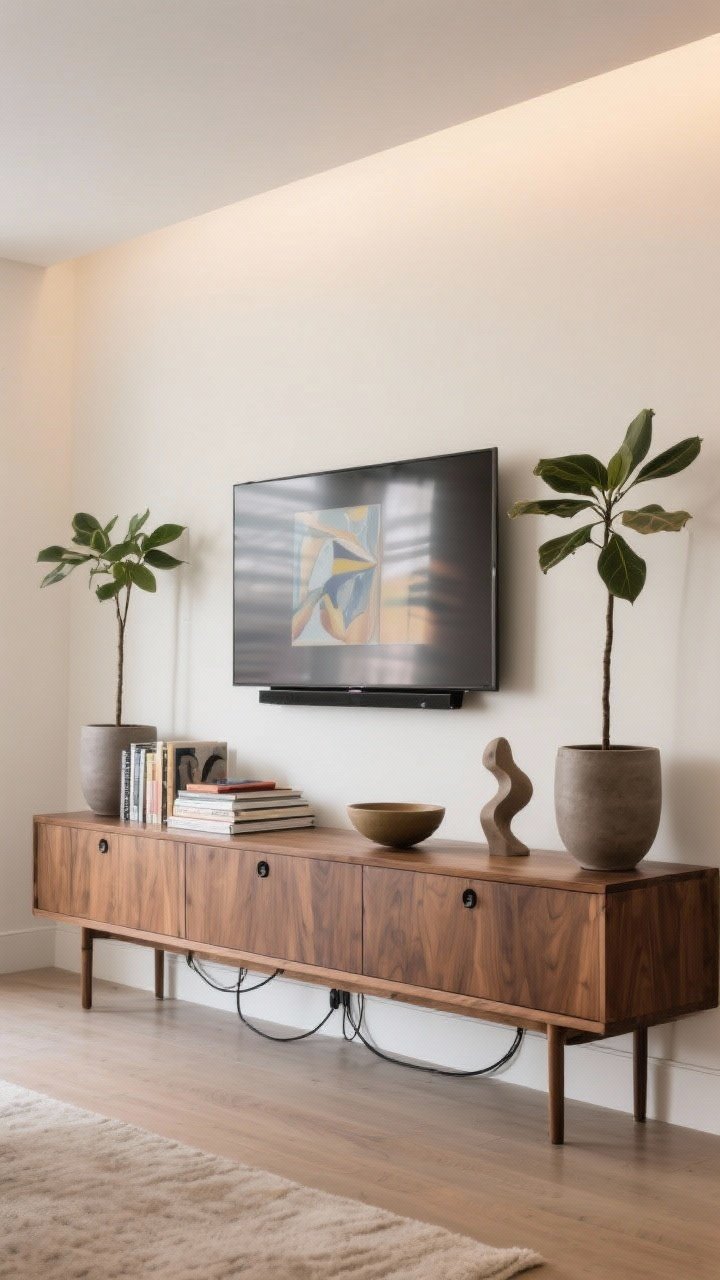
Let’s tame the TV situation. A sleek low credenza in wood with clean hardware instantly feels midcentury and gives you storage for devices and chaos.
Make it look intentional
- Mount the TV and hide cords with a simple raceway (IMO, worth it).
- Flank the TV with two tall plants or sconces to balance the black rectangle.
- Style the credenza: stack books, add a ceramic bowl, and one sculptural object.
Pro tip: Use a TV art app/screensaver when it’s idle so it doubles as decor.
9. Put Art and Graphics to Work
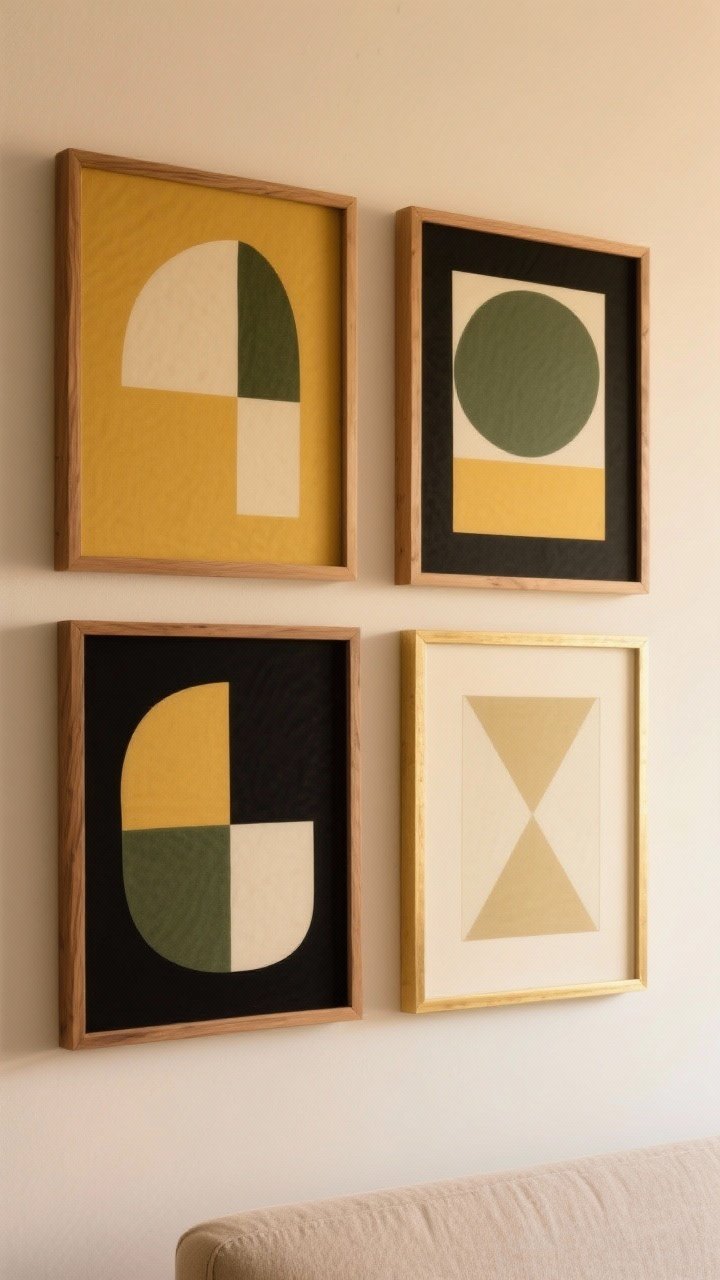
Midcentury art is bold but not shouty. Go for abstract prints, geometric shapes, color-blocking, or line drawings. Vintage posters and modern photography also fit right in.
How to hang like you mean it
- Eye level = ~57 inches to the center of the art (museums do it for a reason).
- Try a grid of three or four pieces for a clean, graphic look.
- Mix frames: black, oak, and brass—repeat each at least once.
And yes, a single oversized piece above the sofa looks expensive. Because it does.
10. Bring In Plants With Architectural Shape
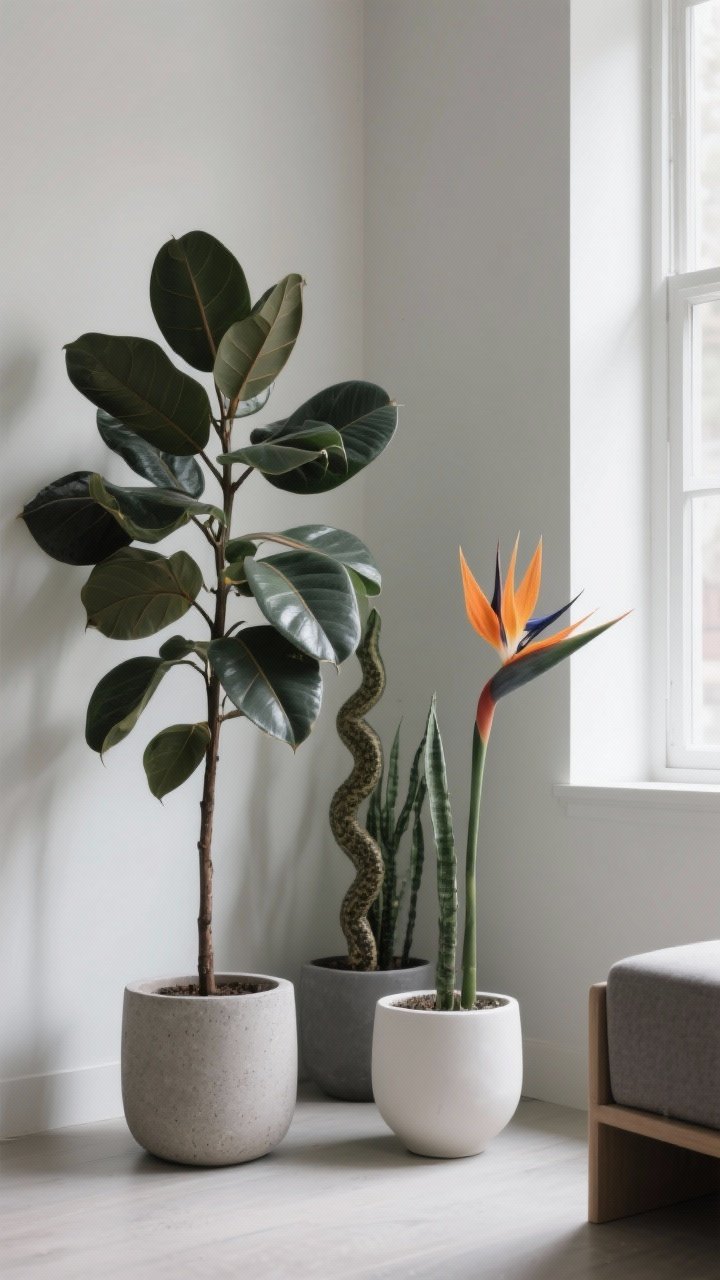
Plants are midcentury’s secret weapon. Choose ones with strong silhouettes so they don’t just fade into the background.
Best plant picks
- Rubber plant or fiddle leaf fig for height.
- Snake plant for corners and low light.
- Bird of paradise for drama and movement.
Pop them in simple ceramic planters or fiberstone. Avoid overly ornate pots—let the leaves flex.
11. Edit Like a Stylist: Less Stuff, Better Stuff
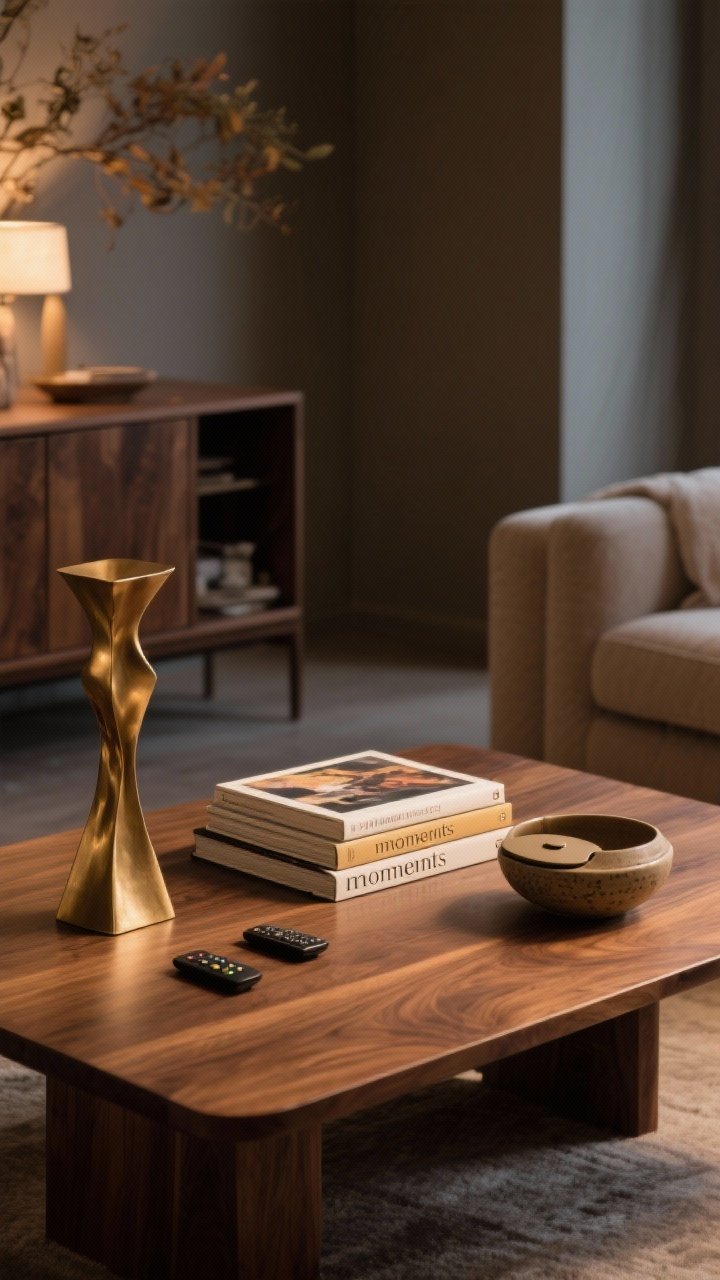
Midcentury modern is all about restraint. That doesn’t mean empty—just intentional. Keep surfaces functional and curated, not cluttered.
Declutter strategy that sticks
- Give every surface three “moments”: something tall, something horizontal, something sculptural.
- Use closed storage for remotes, chargers, and other gremlins.
- Swap out seasonal accents so it stays fresh without adding more.
Quality over quantity beats “I bought the whole aisle” every time.
12. Finish With Vintage Finds and One Conversation Piece
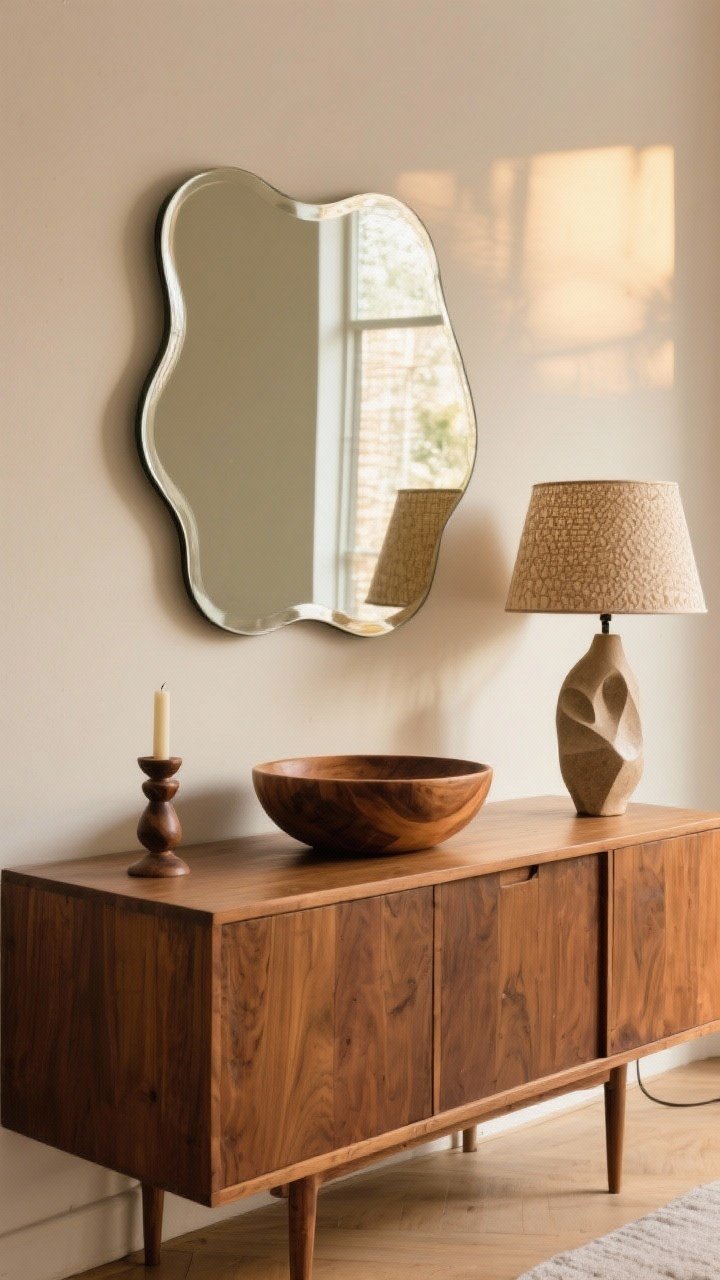
This is the soul of the look. Mix in authentic vintage—a teak bowl, a ceramic lamp, a brutalist candleholder—and top it off with one piece that gets people talking.
Where to hunt
- Estate sales, Facebook Marketplace, Craigslist (set alerts for “walnut,” “teak,” “Drexel”).
- Thrift stores for art, books, vases, and midcentury glass.
- Reproduction retailers for budget-friendly lookalikes when originals are $$$.
Conversation starters could be a sculptural chair, a wavy mirror, or a quirky vintage lamp. It’s your room—have some fun with it, FYI.
Quick Shopping Checklist
- Low, clean-lined sofa with tapered legs
- Wood credenza (walnut or teak tones)
- Round or oval coffee table (wood, marble, or travertine)
- Geometric low-pile rug
- Brass or black lighting with globe shades
- Abstract or graphic art in mixed frames
- Bouclé or leather accent chair
- Simple linen curtains (ceiling mounted for height)
- Plants with strong silhouettes
- Ceramic, stone, and wood accessories
Layout Tips That Make Everything Work
- Float furniture if you can—leave 12–18 inches between the sofa and credenza.
- Keep pathways clear: aim for 30–36 inches where people walk.
- Coffee table distance: 14–18 inches from the sofa so you can reach your drink without yoga.
Paint and Finishes That Feel Authentic
- Walls: warm white, soft oat, or pale gray-green.
- Trim: crisp white or tone-on-tone with the walls for a modern, seamless look.
- Metals: mix brass and black; keep chrome as an accent.
Bottom line? Midcentury modern is approachable, polished, and ridiculously versatile. Start with simple shapes, warm woods, layered texture, and a touch of color. Edit ruthlessly, add one vintage treasure, and boom—your living room just got main-character energy.