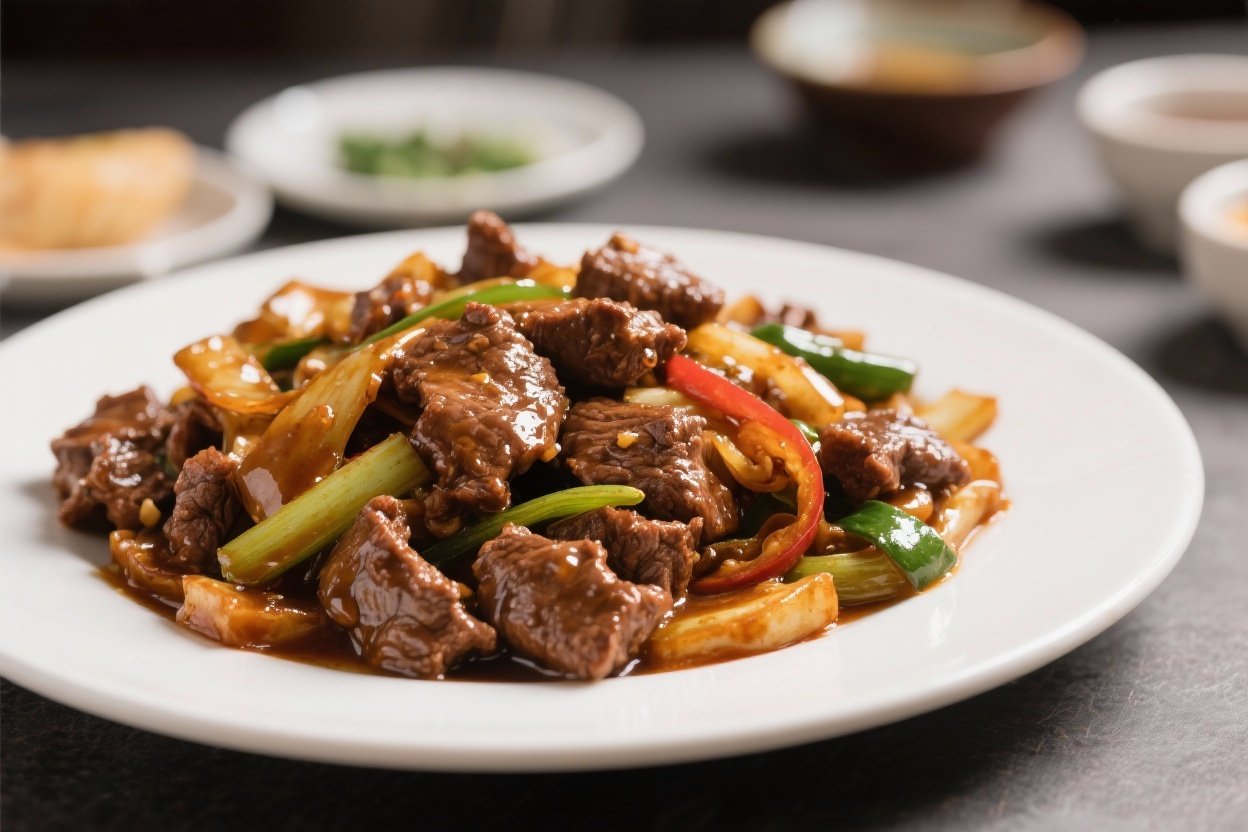
Classic Mongolian Beef Stir Fry – Sweet, Savory, and Ready in Minutes
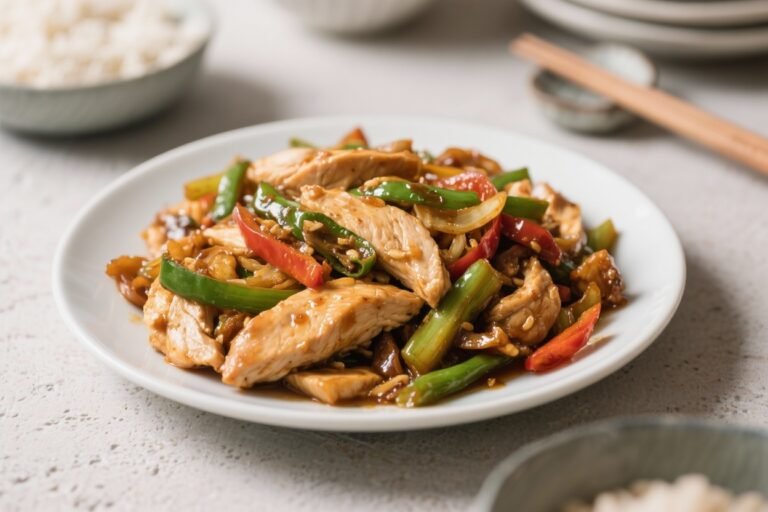
Mongolian beef is one of those dishes that feels like a restaurant treat, yet it’s surprisingly simple to make at home. You get tender slices of beef shimmering in a glossy, sweet-savory sauce with just the right kiss of heat. It cooks fast, tastes bold, and pairs perfectly with steamed rice or noodles.
If you’re after something comforting but not heavy, this stir fry hits the spot. Best of all, the ingredients are easy to find and the technique is forgiving, even for weeknight cooks.
Classic Mongolian Beef Stir Fry - Sweet, Savory, and Ready in Minutes
Ingredients
Method
- Prep the beef: Freeze the flank steak for 15–20 minutes to firm it up. Slice thinly against the grain.Pat dry with paper towels.
- Lightly coat with cornstarch: Toss the beef with 3 tablespoons cornstarch until evenly coated. Shake off any excess. Let it sit 10 minutes so the cornstarch hydrates and clings.
- Make the sauce: In a small bowl, mix soy sauce, brown sugar, and water.Stir until the sugar dissolves. In another small bowl, mix 1 tablespoon cornstarch with 1 tablespoon water to form a slurry.
- Sear the beef: Heat 1 tablespoon oil in a large skillet or wok over medium-high until shimmering. Add half the beef in a single layer.Sear 1–2 minutes per side until browned at the edges, then transfer to a plate. Repeat with remaining oil and beef.
- Aromatics in: Reduce heat slightly. Add garlic, ginger, and scallion whites to the pan.Stir-fry 30–45 seconds until fragrant, taking care not to burn the garlic.
- Build the sauce: Pour in the soy-sugar mixture. Bring to a lively simmer. Add the cornstarch slurry, stirring constantly until the sauce thickens and turns glossy, about 30–60 seconds.
- Finish the stir fry: Return the beef (and any juices) to the pan.Toss to coat. Add sesame oil, red pepper flakes, and rice vinegar if using. Fold in scallion greens.Cook 30–60 seconds, just until the greens soften.
- Taste and adjust: Add a splash of water if the sauce is too thick, or a pinch of sugar if you want more sweetness. Season to taste.
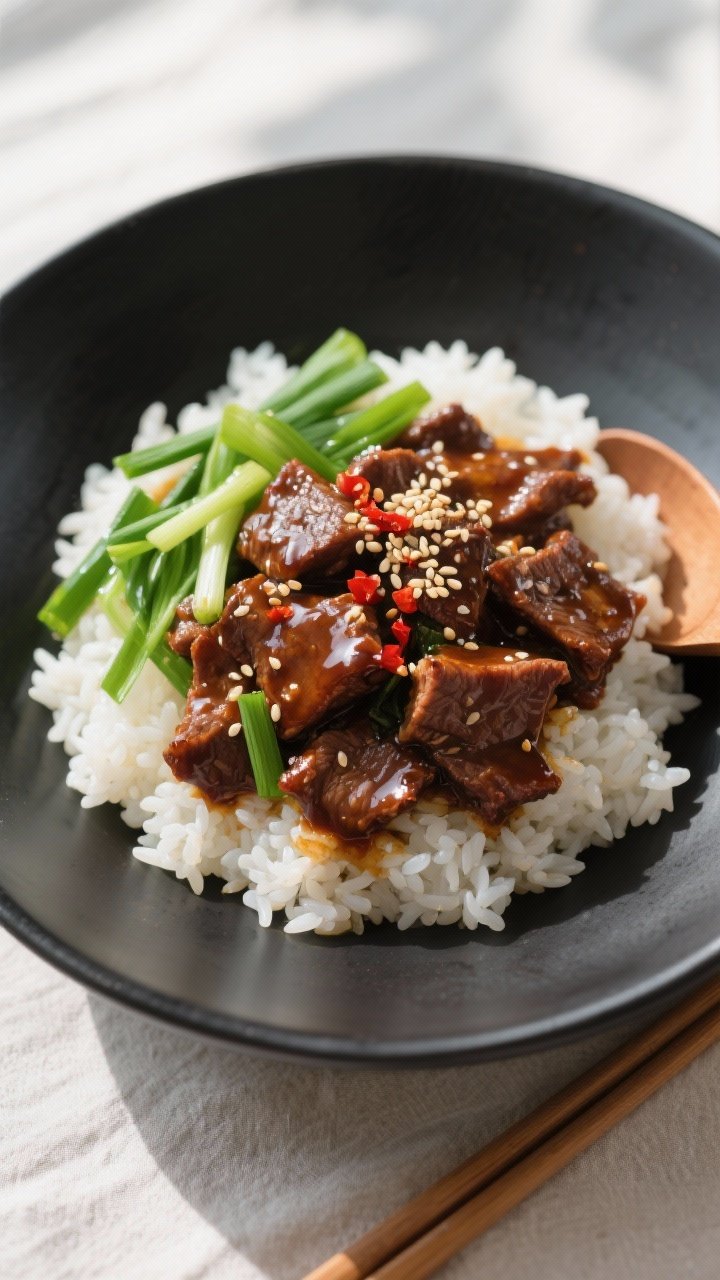
- Serve: Spoon over hot rice and garnish with sesame seeds. Eat immediately for best texture.
What Makes This Recipe So Good
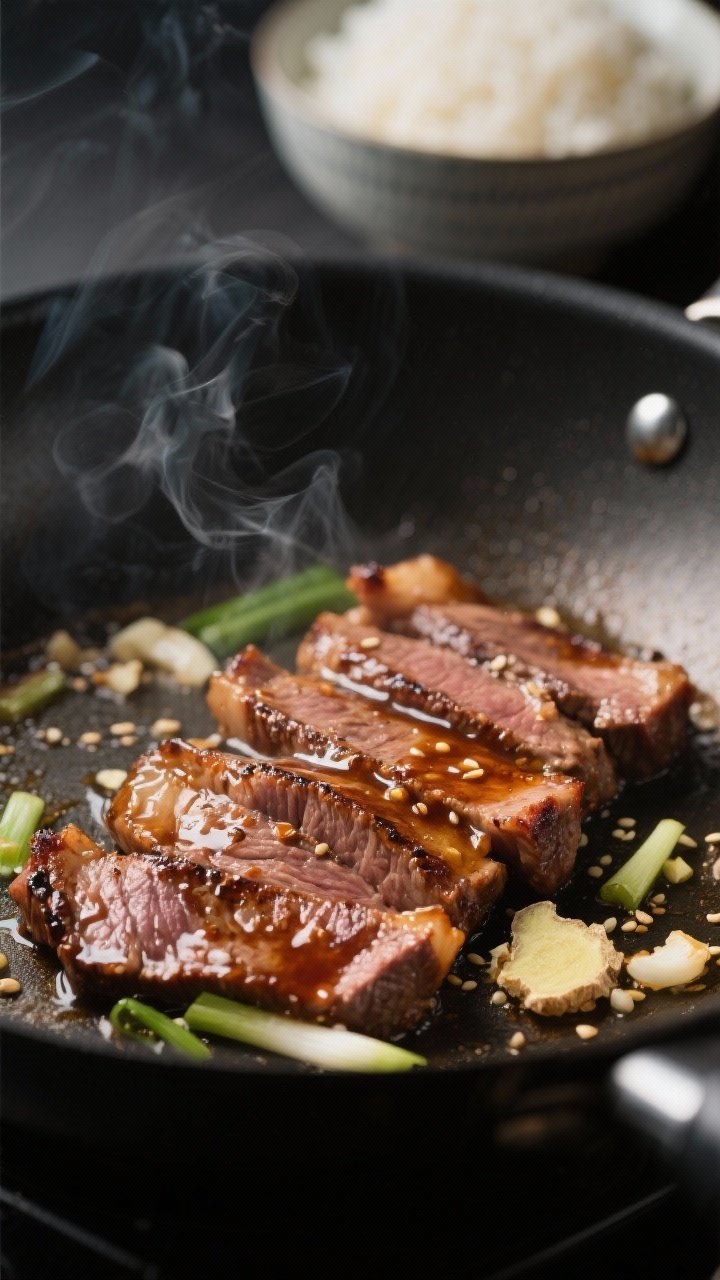
- Balanced flavor: The sauce blends soy, brown sugar, garlic, and ginger for a sweet-savory profile with a gentle spicy edge.
- Tender beef texture: Thinly sliced flank steak cooks quickly and stays juicy, thanks to a light cornstarch coating.
- Quick to the table: From slicing to plating, you can be done in about 30 minutes.
- Crisp-tender aromatics: Scallions and garlic add bite and fragrance without overpowering the meat.
- Restaurant feel, home budget: Simple pantry staples create a glossy, takeout-style sauce without extra fuss.
Ingredients
- 1 lb (450 g) flank steak, thinly sliced against the grain
- 3 tablespoons cornstarch (for coating)
- 2 tablespoons neutral oil (such as canola, avocado, or peanut), divided
- 4 cloves garlic, minced
- 1 tablespoon fresh ginger, finely grated
- 1/2 cup low-sodium soy sauce
- 1/3 cup brown sugar, packed
- 1/2 cup water (or low-sodium beef broth for extra depth)
- 1 tablespoon cornstarch (for slurry)
- 1 teaspoon toasted sesame oil
- 1/2 teaspoon crushed red pepper flakes (optional, adjust to taste)
- 5–6 scallions, cut into 1.5-inch pieces (separate whites and greens)
- 1 teaspoon rice vinegar (optional, for brightness)
- Cooked rice, for serving
- Sesame seeds, for garnish (optional)
Step-by-Step Instructions
- Prep the beef: Freeze the flank steak for 15–20 minutes to firm it up. Slice thinly against the grain.Pat dry with paper towels.
- Lightly coat with cornstarch: Toss the beef with 3 tablespoons cornstarch until evenly coated. Shake off any excess. Let it sit 10 minutes so the cornstarch hydrates and clings.
- Make the sauce: In a small bowl, mix soy sauce, brown sugar, and water.Stir until the sugar dissolves. In another small bowl, mix 1 tablespoon cornstarch with 1 tablespoon water to form a slurry.
- Sear the beef: Heat 1 tablespoon oil in a large skillet or wok over medium-high until shimmering. Add half the beef in a single layer.Sear 1–2 minutes per side until browned at the edges, then transfer to a plate. Repeat with remaining oil and beef.
- Aromatics in: Reduce heat slightly. Add garlic, ginger, and scallion whites to the pan.Stir-fry 30–45 seconds until fragrant, taking care not to burn the garlic.
- Build the sauce: Pour in the soy-sugar mixture. Bring to a lively simmer. Add the cornstarch slurry, stirring constantly until the sauce thickens and turns glossy, about 30–60 seconds.
- Finish the stir fry: Return the beef (and any juices) to the pan.Toss to coat. Add sesame oil, red pepper flakes, and rice vinegar if using. Fold in scallion greens.
Cook 30–60 seconds, just until the greens soften.
- Taste and adjust: Add a splash of water if the sauce is too thick, or a pinch of sugar if you want more sweetness. Season to taste.
- Serve: Spoon over hot rice and garnish with sesame seeds. Eat immediately for best texture.
Keeping It Fresh
- Storage: Refrigerate leftovers in an airtight container for up to 3 days.The sauce will thicken as it cools.
- Reheating: Warm gently in a skillet over medium heat with a splash of water to loosen the sauce. Avoid microwaving too long or the beef can turn chewy.
- Make-ahead tips: Slice the beef and prep aromatics in advance. Keep the sauce premixed in the fridge for up to 3 days, adding the slurry fresh when cooking.
- Freezing: Freeze raw, sliced beef in portions.Thaw overnight in the fridge, then coat with cornstarch just before cooking. Cooked Mongolian beef doesn’t freeze as well due to textural changes.
Health Benefits
- High-quality protein: Lean flank steak offers essential amino acids to support muscle repair and satiety.
- Ginger and garlic: These aromatics add antioxidant compounds and may support immune and digestive health.
- Scallions: Provide vitamins A and K along with mild prebiotic fibers.
- Customizable sodium and sugar: Using low-sodium soy sauce and adjusting brown sugar lets you control the balance. Add more scallions or toss in broccoli for extra fiber.
What Not to Do
- Don’t overcrowd the pan: Crowding steams the meat instead of searing it, leading to tough, gray beef.
- Don’t skip the cornstarch: It creates a protective coating that helps with browning and keeps the beef tender in the sauce.
- Don’t burn the garlic: Bitter garlic can take over the dish.Keep the heat controlled when aromatics hit the pan.
- Don’t overcook the scallions: They should be bright and slightly crisp, not mushy.
- Don’t reduce the sauce too early: Thicken only after adding the slurry. Over-reducing can make the sauce cloying.
Alternatives
- Protein swaps: Try thinly sliced sirloin, ribeye, or chicken thigh. For a plant-based version, use extra-firm tofu (pressed and pan-fried) or seitan.
- Vegetable add-ins: Broccoli florets, snap peas, or bell peppers pair beautifully.Stir-fry them right after the aromatics, before adding the sauce.
- Sauce tweaks: Add a teaspoon of hoisin for depth, a splash of mirin for mild sweetness, or a pinch of white pepper for warmth.
- Gluten-free: Use tamari or certified gluten-free soy sauce and ensure cornstarch is GF-certified.
- Lower sugar: Reduce brown sugar to 2 tablespoons and increase ginger. You can also balance with a bit more vinegar.
FAQ
What cut of beef works best?
Flank steak is classic because it’s lean and tender when sliced thin against the grain. Skirt steak or sirloin also work well.
If using a fattier cut like ribeye, trim excess fat for a cleaner sauce.
How do I keep the beef tender?
Slice thinly against the grain, coat lightly in cornstarch, and cook quickly over high heat. Avoid overcooking and overcrowding the pan. Resting the meat briefly after searing can also help retain juices.
Can I make it spicy?
Yes.
Add crushed red pepper flakes to the sauce or stir in a teaspoon of chili paste like sambal oelek. Taste as you go so the heat doesn’t overwhelm the sweet-savory balance.
What should I serve it with?
Steamed jasmine or medium-grain rice is classic. It’s also great with brown rice, cauliflower rice, or pan-fried noodles.
A side of steamed broccoli or bok choy rounds out the meal.
Why is my sauce too thick or gummy?
Too much cornstarch or too little liquid can cause gumminess. Thin with a splash of water or broth and stir over gentle heat. Next time, measure the slurry carefully and add it gradually.
Can I double the recipe?
Absolutely.
Sear the beef in multiple batches so it browns properly. Scale the sauce evenly, and use a large wok or skillet to maintain high heat.
Is this the same as traditional Mongolian food?
No. Mongolian beef is a Chinese-American restaurant dish.
It borrows flavors common in Chinese cooking but isn’t a traditional Mongolian recipe.
Wrapping Up
Classic Mongolian Beef Stir Fry is fast, flavorful, and reliable. With thin-sliced beef, a shiny sweet-savory sauce, and a few fresh aromatics, you get a restaurant-style dinner in a single pan. Keep the heat high, the batches small, and the sauce balanced, and you’ll have a weeknight staple that never gets old.
Serve it hot over rice, sprinkle on sesame seeds, and enjoy every sticky, savory bite.