Classic Soy-Sesame Poke Sauce – Simple, Savory, and Versatile
A great poke bowl starts with a bright, balanced sauce. This classic soy-sesame version is salty, slightly sweet, and deeply savory, with just enough heat and citrus to wake everything up. It’s quick to make and keeps well, so you can use it for poke, salads, grilled meats, or tofu.
Even if you’ve never made poke at home, this sauce makes the process easy and reliable. Once you try it, you’ll find excuses to drizzle it on almost everything.
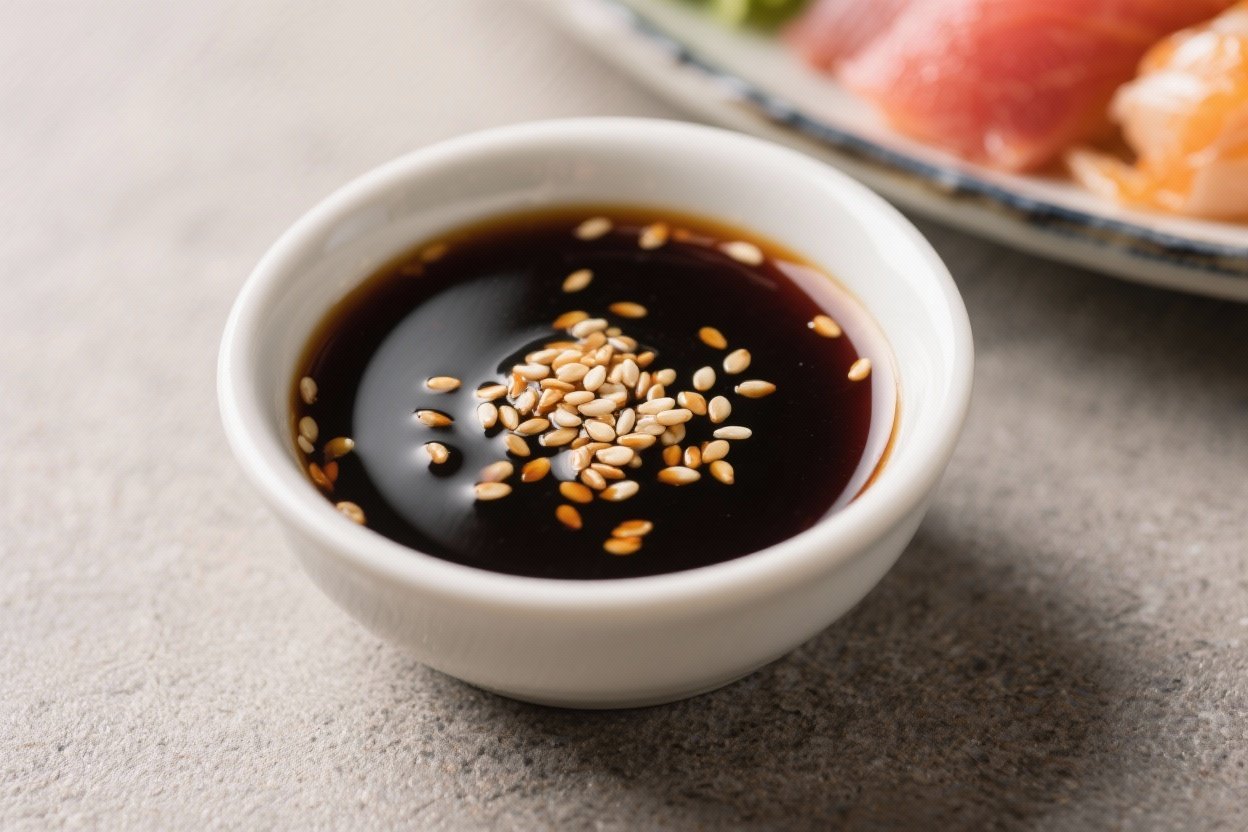
Classic Soy-Sesame Poke Sauce - Simple, Savory, and Versatile
Ingredients
Method
- Prep the aromatics: Finely grate the ginger and mince the garlic. Keep them small so they blend smoothly into the sauce.
- Mix the base: In a small bowl, combine soy sauce, sesame oil, and rice vinegar.Stir to blend.
- Add sweetness: Whisk in the sugar until fully dissolved. Taste; it should round off the salt without making the sauce sweet.
- Layer the flavor: Add ginger, garlic, sesame seeds, and scallions. Stir well so the aromatics distribute evenly.
- Adjust texture and brightness: If you want a silkier finish, whisk in neutral oil.Add lime or yuzu juice for a light citrus pop.
- Set the heat level: Add red pepper flakes or chili oil a little at a time. Taste and adjust to your preference.
- Rest briefly: Let the sauce sit for 5–10 minutes. This helps the ginger and garlic mellow and the flavors meld.
- Use or store: Toss with fresh, sushi-grade fish or tofu right before serving, or pour into a clean jar for later.
What Makes This Recipe So Good
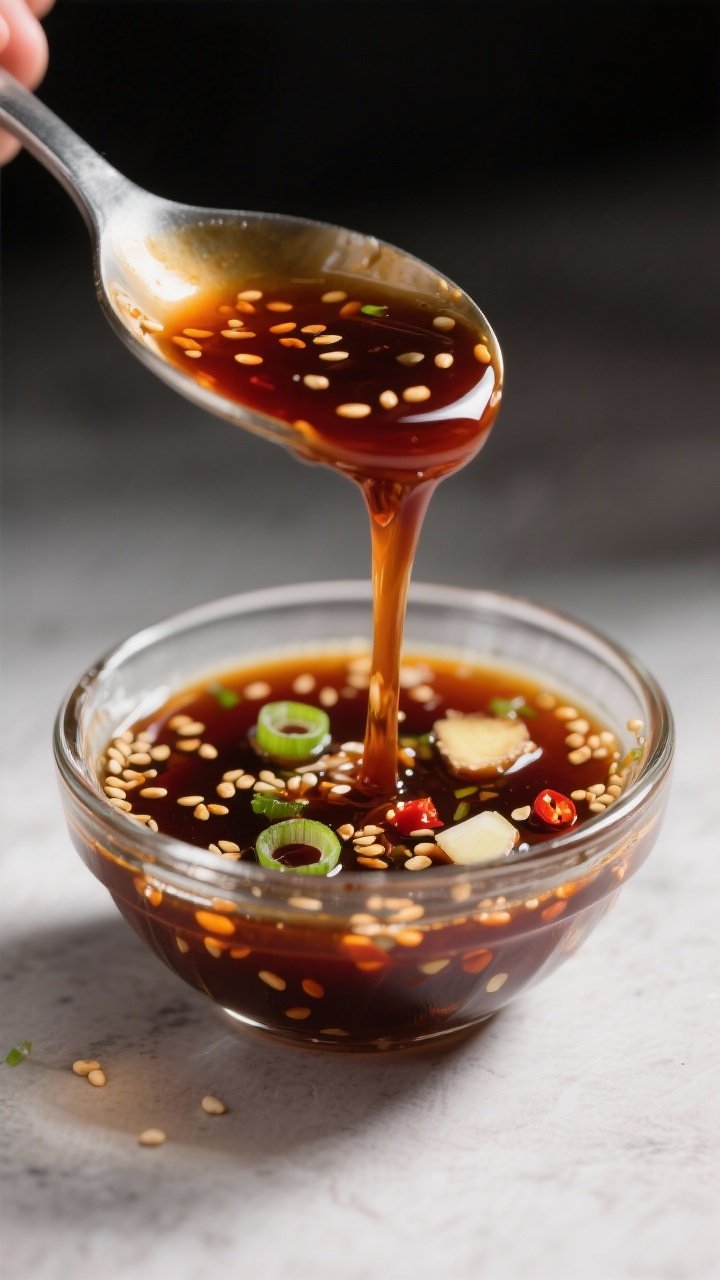
- Balanced flavors: Soy sauce brings salt and umami, sesame oil adds nuttiness, rice vinegar brightens, and a touch of sugar rounds it out.
- Fast and foolproof: It comes together in minutes with pantry staples and fresh aromatics.
- Customizable heat: Fresh chili, chili flakes, or sriracha let you dial the spice up or down.
- Versatile use: Beyond poke, it works as a marinade, dipping sauce, or salad dressing base.
- Restaurant-style finish: A little citrus and ginger make it taste clean and fresh, like your favorite poke spot.
Ingredients
- 1/4 cup soy sauce (use low-sodium if you prefer)
- 1 tablespoon toasted sesame oil
- 1 tablespoon rice vinegar (unseasoned preferred)
- 1 to 1 1/2 teaspoons sugar (or honey), to taste
- 1 teaspoon fresh ginger, finely grated
- 1 small garlic clove, very finely minced or grated
- 1 teaspoon sesame seeds (white, black, or mixed), lightly toasted
- 1 to 2 teaspoons neutral oil (optional, for a silkier texture)
- 1 to 2 teaspoons fresh lime juice or yuzu juice (optional, for brightness)
- 1 to 2 teaspoons finely chopped scallions (green parts only)
- Pinch of red pepper flakes or a few drops of chili oil (adjust for heat)
How to Make It
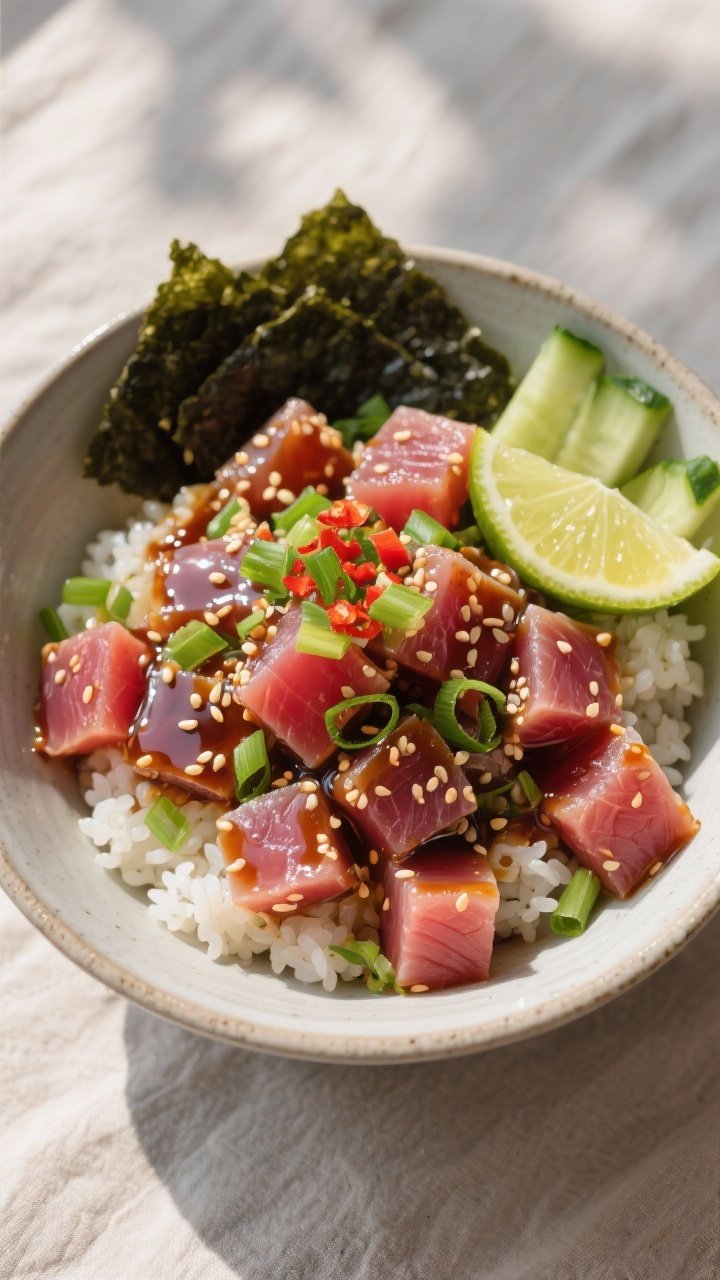
- Prep the aromatics: Finely grate the ginger and mince the garlic. Keep them small so they blend smoothly into the sauce.
- Mix the base: In a small bowl, combine soy sauce, sesame oil, and rice vinegar.Stir to blend.
- Add sweetness: Whisk in the sugar until fully dissolved. Taste; it should round off the salt without making the sauce sweet.
- Layer the flavor: Add ginger, garlic, sesame seeds, and scallions. Stir well so the aromatics distribute evenly.
- Adjust texture and brightness: If you want a silkier finish, whisk in neutral oil.Add lime or yuzu juice for a light citrus pop.
- Set the heat level: Add red pepper flakes or chili oil a little at a time. Taste and adjust to your preference.
- Rest briefly: Let the sauce sit for 5–10 minutes. This helps the ginger and garlic mellow and the flavors meld.
- Use or store: Toss with fresh, sushi-grade fish or tofu right before serving, or pour into a clean jar for later.
Storage Instructions
- Refrigerate: Store in a sealed jar for up to 1 week.Give it a good stir or shake before using.
- Freezing: You can freeze the sauce (without scallions) in small portions for up to 2 months. Thaw in the fridge and add fresh scallions before serving.
- Food safety: Keep the sauce separate from raw fish until you’re ready to assemble your bowl. Only toss what you’ll eat right away.
Health Benefits
- Healthy fats: Toasted sesame oil provides heart-friendly unsaturated fats and adds flavor without needing much quantity.
- Lower sodium options: Using low-sodium soy sauce keeps salt in check while still delivering big umami.
- Antioxidant boost: Ginger and garlic bring antioxidants and compounds that may support immune and digestive health.
- Built-in portion control: The sauce is potent, so a small amount goes a long way.That means flavor with fewer calories.
Common Mistakes to Avoid
- Over-salting: Regular soy sauce can be quite salty. Start with low-sodium or taste as you go, especially if your fish or add-ins are seasoned.
- Skipping the rest time: Fresh garlic and ginger can taste harsh right away. A short rest softens their bite and balances the sauce.
- Using too much sesame oil: It’s aromatic but powerful.More isn’t better—stick to the measured amount to avoid a heavy, bitter flavor.
- Not dissolving the sugar: Undissolved sugar leaves a gritty texture. Whisk well or use a liquid sweetener like honey if preferred.
- Overcomplicating with too many add-ins: The beauty of this sauce is its clean profile. Add variations thoughtfully, and taste after each change.
Recipe Variations
- Shoyu-Ginger Poke: Increase ginger to 2 teaspoons and add a splash of mirin.Keep heat minimal for a gentler profile.
- Spicy Mayo Twist: Stir in 1–2 tablespoons of mayonnaise and 1–2 teaspoons of sriracha to part of the sauce for a creamy drizzle.
- Citrus-Forward: Replace rice vinegar with yuzu or add extra lime juice. Great with tuna or hamachi.
- Garlic-Lover’s: Lightly toast thin garlic slices in neutral oil, cool, and stir both the chips and garlic oil into the sauce.
- Sesame Crunch: Add chopped roasted seaweed (nori) and extra toasted sesame seeds for more texture.
- Tamari & Gluten-Free: Swap soy sauce for tamari. Check labels on vinegar and chili sauces to ensure they’re gluten-free.
- Plant-Based: Use maple syrup instead of honey, and pair the sauce with tofu, tempeh, or marinated mushrooms.
FAQ
Can I use this sauce as a marinade?
Yes.
Marinate fish or tofu for 10–20 minutes in the fridge. For raw fish poke, keep marinating time short to avoid overly salty fish and to maintain a tender texture.
What kind of soy sauce works best?
A good-quality, naturally brewed soy sauce is ideal. Use low-sodium for more control, and avoid dark soy sauce here as it can overpower and sweeten the blend.
Is fresh ginger necessary?
Fresh ginger gives a bright, clean heat that dried powders can’t match.
If you must substitute, use a very small pinch of ground ginger and add a little extra citrus to wake it up.
How spicy should the sauce be?
It’s up to you. Start with a small pinch of chili flakes or a few drops of chili oil, taste, and build the heat gradually.
Can I make it ahead?
Absolutely. Make it up to a week in advance and store in the fridge.
Add fresh scallions just before serving for the best texture and color.
What fish pairs well with this sauce?
Ahi tuna, salmon, and yellowtail are classic choices. The sauce also pairs nicely with cooked shrimp, tofu, or even grilled chicken if you’re mixing and matching.
How much sauce should I use for a poke bowl?
A good rule is about 1 to 1 1/2 tablespoons per serving of fish or tofu. You can always add more at the table, but it’s hard to take it away once tossed.
In Conclusion
This Classic Soy-Sesame Poke Sauce is everything you want in a house staple: quick, balanced, and endlessly useful.
It brings restaurant-level flavor to poke bowls without fuss, and it’s easy to tweak to your taste. Keep a jar in your fridge, taste as you go, and let the fresh ginger, sesame, and soy do the heavy lifting. Simple ingredients, big payoff—exactly how a great sauce should be.