Classic Homemade Pesto Sauce – Bright, Fresh, and Easy
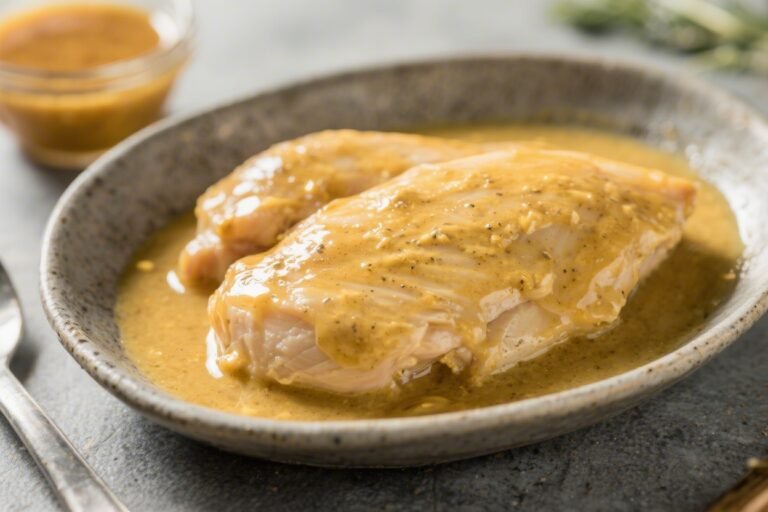
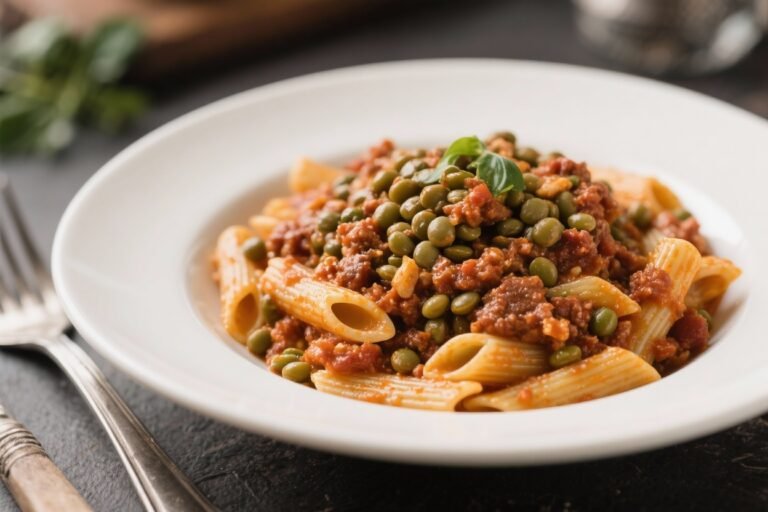
Nothing beats the aroma of fresh basil and garlic the moment your blender whirs to life. Classic pesto is one of those sauces that makes everything taste special without much effort. Toss it with pasta, spread it on sandwiches, or spoon it over grilled chicken or vegetables.
With a handful of good ingredients and a few simple steps, you’ll have a vivid green sauce that’s packed with flavor and ready in minutes.
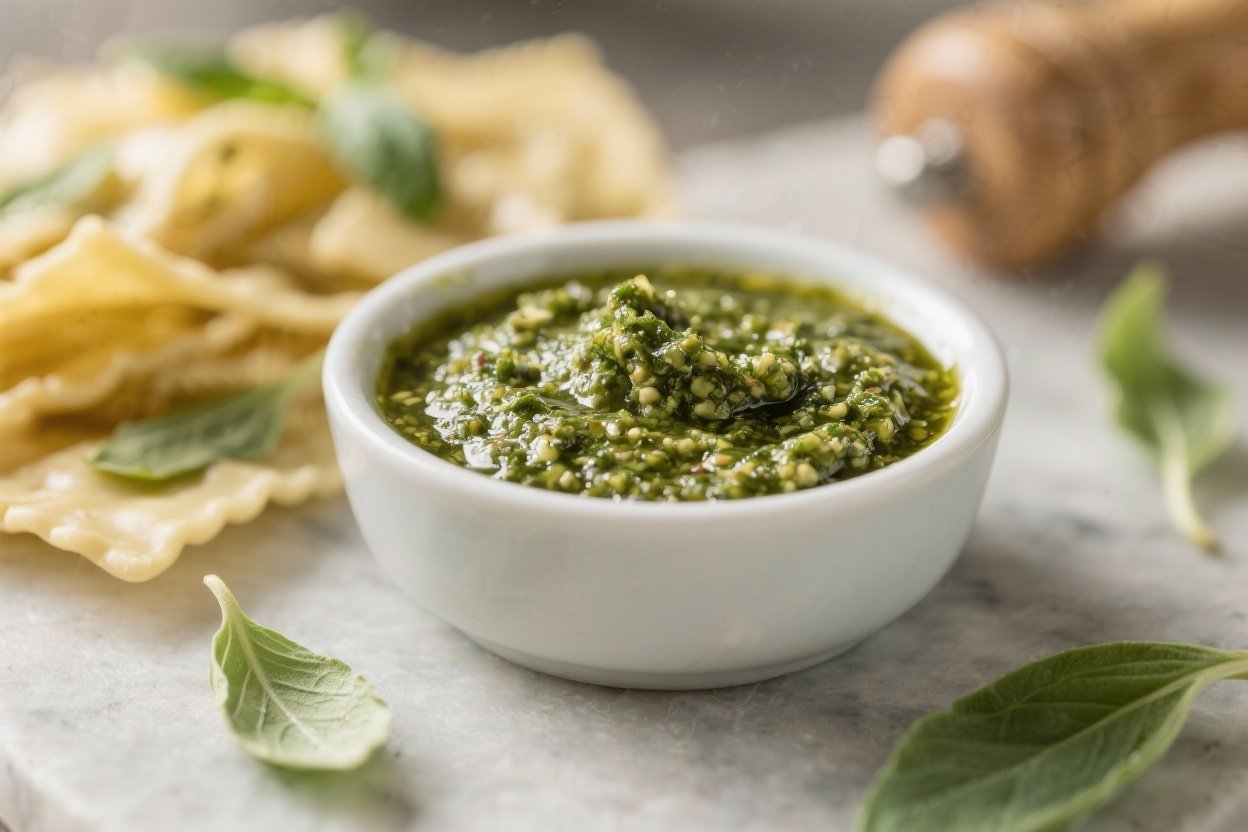
Classic Homemade Pesto Sauce - Bright, Fresh, and Easy
Ingredients
Method
- Prep the basil: Rinse and dry the leaves well. Excess water can dilute the sauce and mute the color. A salad spinner works best; otherwise, pat dry with a towel.
- Toast the pine nuts (optional but recommended): Warm a dry skillet over medium heat.Add pine nuts and stir until golden and fragrant, 2–4 minutes. Let them cool to prevent melting the cheese later.
- Start with the garlic and nuts: In a food processor, pulse the garlic and pine nuts until finely chopped. This helps distribute the flavor evenly without over-processing the basil.
- Add basil and salt: Add the basil leaves and a pinch of salt.Pulse in short bursts until roughly chopped. Avoid running the machine continuously to keep the mixture from heating up.
- Stream in olive oil: With the machine running, slowly drizzle in 1/2 cup of olive oil. Stop and scrape down the sides.If you want a looser sauce, add more oil a little at a time.
- Fold in the cheese: Transfer the mixture to a bowl and stir in the grated Parmigiano-Reggiano. Folding by hand preserves a creamy texture and prevents over-processing.
- Adjust seasoning: Taste and add salt, black pepper, and lemon juice if using. If it tastes a bit harsh, an extra spoonful of cheese or a splash more oil can round it out.
- Serve: Use immediately, or see the storage tips below.For pasta, reserve some hot pasta water and toss with pesto off the heat to create a silky emulsion.
What Makes This Special
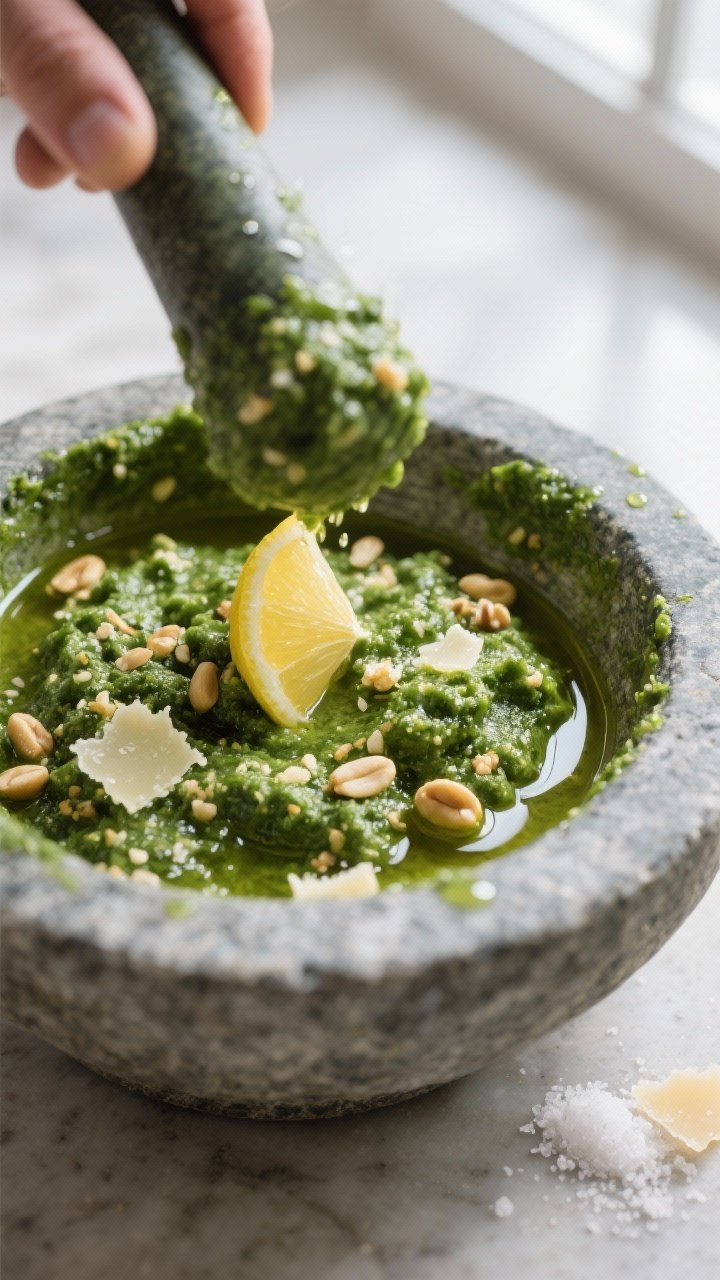
Pesto is more than a sauce—it’s a way to capture summer in a jar. The combination of basil, garlic, pine nuts, Parmigiano-Reggiano, and good olive oil creates a balanced flavor that’s bright, nutty, and savory. This version keeps things classic while offering tips to control texture and taste.
You can make it chunky or silky, garlicky or mild, and adjust the salt to your liking. It’s simple enough for a busy weeknight and elegant enough for guests.
What You’ll Need
- Fresh basil leaves (2 packed cups): Choose vibrant, unbruised leaves for the best flavor and color.
- Pine nuts (1/3 cup): Traditional and buttery. Toasting them lightly adds depth.
- Garlic (1–2 cloves): Adjust to taste.Start with one if you’re unsure.
- Parmigiano-Reggiano (1/2 cup, finely grated): Adds saltiness and umami.
- Extra-virgin olive oil (1/2–2/3 cup): Use a smooth, fruity oil for a clean finish.
- Kosher salt (about 1/2 teaspoon): Season to taste; the cheese adds salt too.
- Freshly ground black pepper (optional): For a gentle kick.
- Lemon juice (1–2 teaspoons, optional): Brightens flavor and helps preserve color.
Step-by-Step Instructions
- Prep the basil: Rinse and dry the leaves well. Excess water can dilute the sauce and mute the color. A salad spinner works best; otherwise, pat dry with a towel.
- Toast the pine nuts (optional but recommended): Warm a dry skillet over medium heat.Add pine nuts and stir until golden and fragrant, 2–4 minutes. Let them cool to prevent melting the cheese later.
- Start with the garlic and nuts: In a food processor, pulse the garlic and pine nuts until finely chopped. This helps distribute the flavor evenly without over-processing the basil.
- Add basil and salt: Add the basil leaves and a pinch of salt.Pulse in short bursts until roughly chopped. Avoid running the machine continuously to keep the mixture from heating up.
- Stream in olive oil: With the machine running, slowly drizzle in 1/2 cup of olive oil. Stop and scrape down the sides.If you want a looser sauce, add more oil a little at a time.
- Fold in the cheese: Transfer the mixture to a bowl and stir in the grated Parmigiano-Reggiano. Folding by hand preserves a creamy texture and prevents over-processing.
- Adjust seasoning: Taste and add salt, black pepper, and lemon juice if using. If it tastes a bit harsh, an extra spoonful of cheese or a splash more oil can round it out.
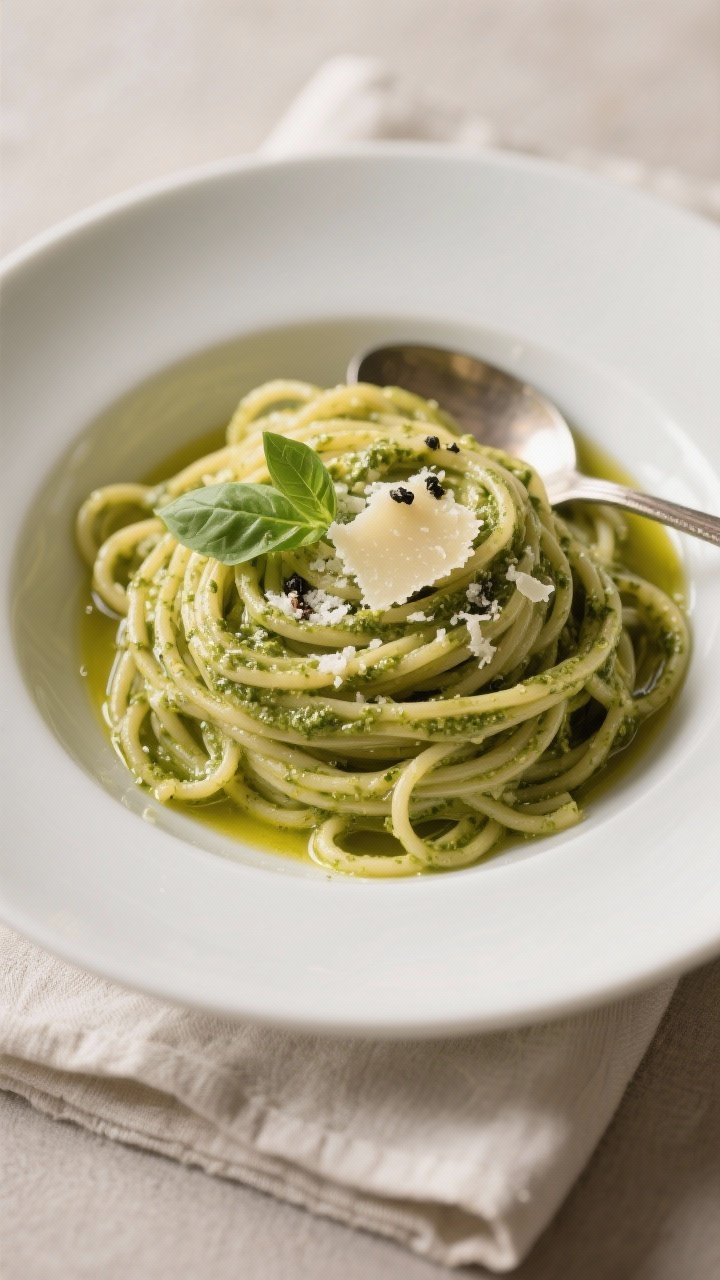
- Serve: Use immediately, or see the storage tips below.For pasta, reserve some hot pasta water and toss with pesto off the heat to create a silky emulsion.
Keeping It Fresh
- Short-term storage: Spoon pesto into a small jar and smooth the surface. Pour a thin layer of olive oil on top to limit air contact. Refrigerate for up to 5 days.
- Freezing: Portion pesto into ice cube trays or small containers, leaving a little room for expansion.Freeze for up to 3 months. Thaw in the fridge, then stir and refresh with a splash of olive oil.
- Color insurance: A small squeeze of lemon juice helps preserve the bright green color. Keeping the sauce cold and covered reduces oxidation.
Benefits of This Recipe
- Fast and flexible: Ready in minutes, easy to scale, and adaptable to different textures and tastes.
- Ingredient-forward: Uses simple, whole ingredients with no fillers.The flavor comes from freshness and balance.
- Multi-purpose: Works on pasta, pizza, sandwiches, eggs, grilled meats, vegetables, and as a dip for crudités.
- Make-ahead friendly: Keeps well in the fridge and freezes beautifully for quick meals later.
- Customizable: Adjust garlic, cheese, and oil to suit your preferences or dietary needs.
Common Mistakes to Avoid
- Using bruised or wet basil: Wet leaves dilute the sauce and dull the color. Dry them thoroughly before blending.
- Over-processing: Heat from long blending can darken the pesto and bring out bitterness. Pulse in short bursts and fold in cheese by hand.
- Skimping on salt: Pesto should be bright and savory.Taste after adding cheese, then adjust salt and lemon.
- Harsh olive oil choice: Extra-virgin oils vary. If yours is very peppery, blend it with a milder oil for balance.
- Adding pesto to very hot pans: Heat can break the emulsion and turn the basil dark. Toss off the heat with a splash of pasta water.
Alternatives
- Nuts: Swap pine nuts with walnuts, almonds, cashews, or pistachios.Toast lightly for more flavor.
- Greens: Mix or replace basil with baby spinach, arugula, kale (blanch and dry), parsley, or cilantro. Keep some basil for classic aroma.
- Cheese: Try Pecorino Romano for a sharper, saltier bite, or a blend of Parmigiano and Pecorino. For dairy-free, use nutritional yeast and add a pinch more salt.
- Citrus: Lemon zest and juice brighten the sauce.Start small and build to taste.
- Garlic level: For milder flavor, blanch garlic for 30 seconds or roast it for sweetness.
- Texture: For rustic pesto, pound ingredients in a mortar and pestle. It releases aromatic oils and gives a luxurious texture.
FAQ
Can I make pesto without a food processor?
Yes. A mortar and pestle is traditional and delivers excellent texture and flavor.
You can also mince everything with a knife, then mash together with salt and oil.
Why did my pesto turn brown?
Basil oxidizes when exposed to air and heat. Keep ingredients cold, pulse rather than blend continuously, add a bit of lemon, and store with a thin oil layer on top.
How much pesto should I use for pasta?
For 12 ounces of pasta, 1/2 to 3/4 cup of pesto usually works well. Loosen it with a splash of hot pasta water until it coats the noodles smoothly.
Can I use pre-grated cheese?
You can, but freshly grated Parmigiano-Reggiano melts and integrates better.
Pre-grated often contains anti-caking agents that affect texture.
What if I don’t have pine nuts?
Walnuts are the easiest swap and offer a nice richness. Almonds or cashews also work, but adjust salt and oil to balance sweetness and texture.
Is pesto safe for people with nut allergies?
If nuts are a concern, use toasted sunflower seeds or pumpkin seeds. Always check labels and avoid cross-contamination with nut-based ingredients.
How do I fix bitter pesto?
Bitterness can come from over-processing or strong oil.
Stir in more cheese, a pinch of salt, and a drizzle of mild olive oil. A small squeeze of lemon can also help.
Can I heat pesto?
Avoid direct high heat. Warm it gently by tossing with hot pasta and a little pasta water, or stir into warm dishes off the heat.
What’s the best olive oil for pesto?
Choose a fresh, fruity extra-virgin oil with low bitterness.
If your oil is very peppery, blend it with a neutral extra-virgin to keep the sauce balanced.
How long does pesto last in the fridge?
Stored in an airtight container with a thin oil seal, it keeps for 4–5 days. Always use a clean spoon to avoid contamination.
Final Thoughts
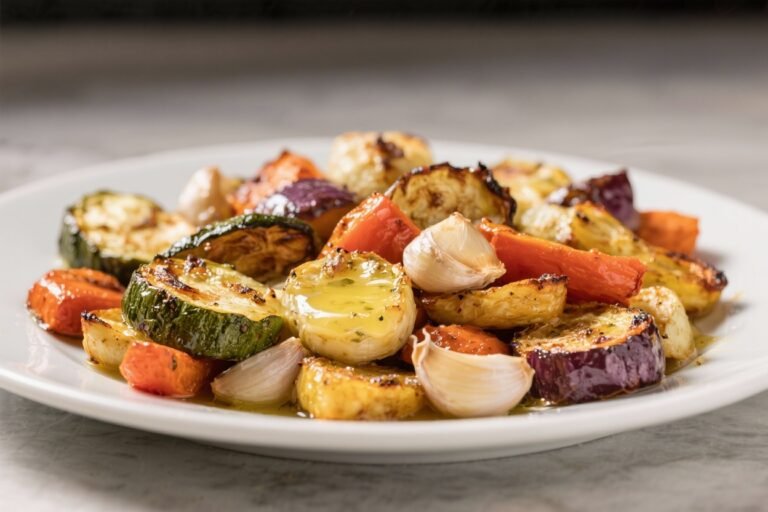
Classic homemade pesto is proof that a few good ingredients can do a lot. It’s bright, flexible, and endlessly useful, whether you’re tossing pasta or dressing up simple roasted vegetables.
Keep this base recipe handy, then make it your own with small tweaks. With fresh basil and a good olive oil, you’ll have a sauce that turns everyday meals into something special.