Fresh Carrot Greens Pesto – Bright, Zesty, and No-Waste
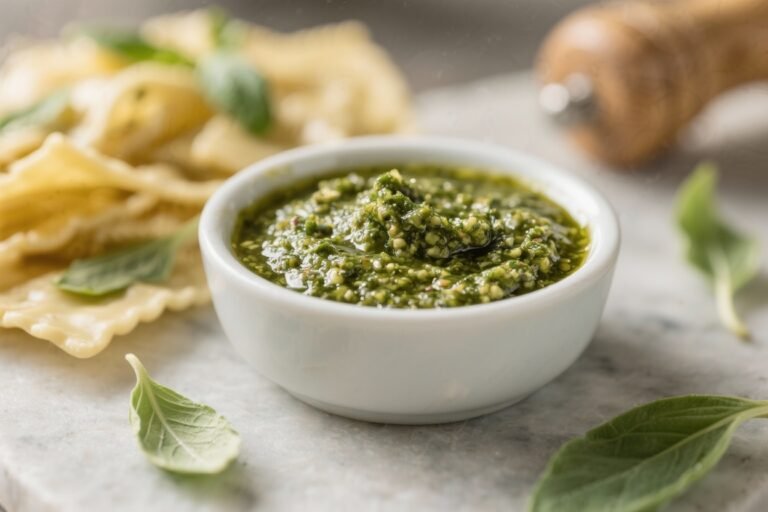
Skip tossing those frilly carrot tops. They’re flavorful, herbaceous, and make a lively pesto that tastes like spring. This Fresh Carrot Greens Pesto is quick to blend, easy to adapt, and surprisingly versatile.
Spread it on toast, swirl it into pasta, or spoon it over roasted veggies and fish. The flavor is bright and peppery with a hint of lemon, and it turns humble carrot tops into something you’ll crave again.

Fresh Carrot Greens Pesto - Bright, Zesty, and No-Waste
Ingredients
Method
- Prep the greens: Trim the carrot greens from the stems. Keep the tender leaves and thinner stems; discard tough, woody stems. Wash thoroughly to remove grit, then spin or pat dry.
- Toast the nuts: Warm a small skillet over medium heat.Add your nuts or seeds and toast, shaking the pan, until fragrant and lightly golden, 3–5 minutes. Let cool. This step boosts flavor and helps the pesto taste nutty, not flat.
- Start the base: In a food processor, add carrot greens, parsley (if using), garlic, lemon zest, 1 tablespoon lemon juice, toasted nuts, and a big pinch of salt and pepper.Pulse until finely chopped.
- Stream in oil: With the machine running, drizzle in 1/2 cup olive oil until the mixture loosens into a spoonable sauce. Scrape down the sides and pulse again. Add more oil if you prefer a looser texture.
- Add cheese: Pulse in the Parmesan or Pecorino until just combined.Taste and adjust salt, lemon juice, and pepper. If you like heat, add a pinch of red pepper flakes.
- Check consistency: For pasta, aim for a saucy texture that clings. For spreading, keep it slightly thicker.If it’s bitter, add another teaspoon of lemon juice or a pinch of sugar to round it out.
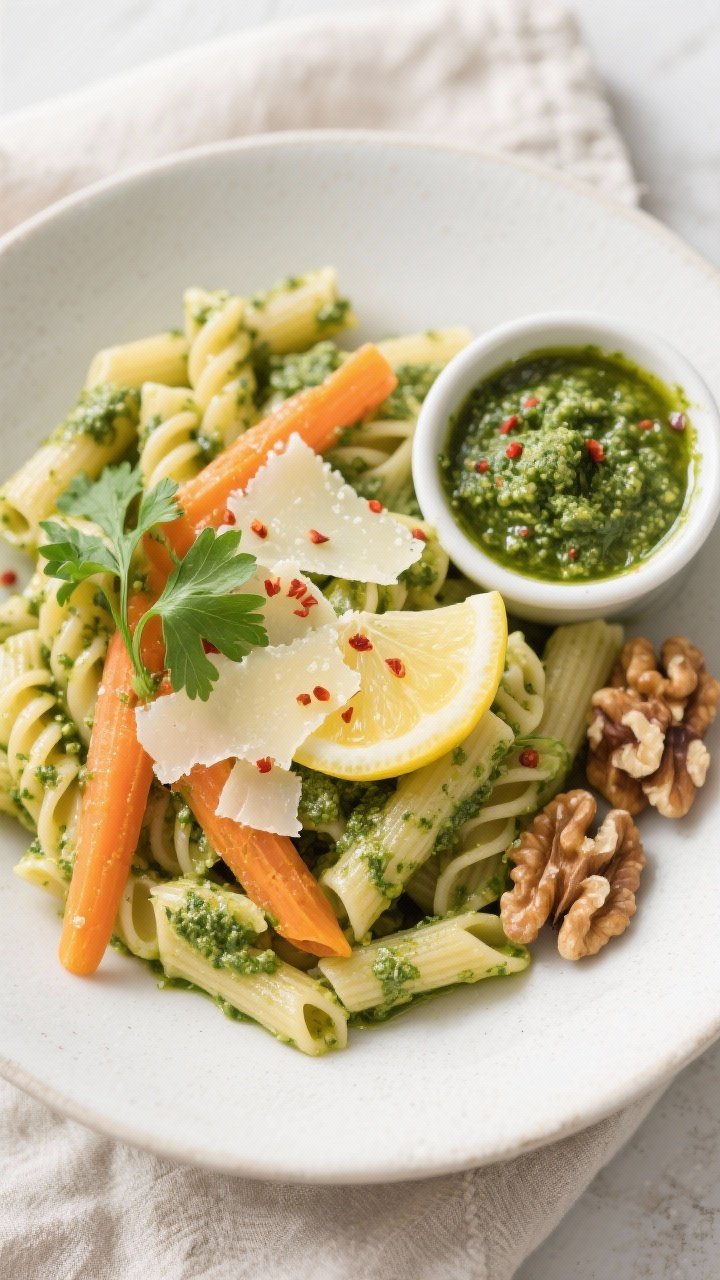
- Serve: Spoon over warm pasta with a splash of reserved pasta water, dollop on grilled chicken or fish, spread on toast with ricotta, or swirl into soup. It also makes a bright dressing when thinned with more oil and lemon.
What Makes This Special

Carrot greens are often overlooked, but they have a fresh, slightly earthy bite that’s perfect for pesto. Paired with lemon, garlic, and good olive oil, they create a sauce that’s lighter than basil pesto yet just as satisfying.
You’ll get a vibrant green color, a clean finish, and a pleasantly herbal aroma. This pesto is also about reducing waste. Using the tops from a bunch of carrots means you’re getting every bit of value and flavor.
It’s budget-friendly, quick, and endlessly customizable with the nuts and cheese you already have on hand.
Shopping List
- Carrot greens from 1 large bunch of carrots (about 2–3 packed cups, well washed and dried)
- Fresh parsley, a small handful (optional, for extra freshness)
- Garlic, 1–2 small cloves
- Lemon, 1 (you’ll use zest and juice)
- Nuts or seeds: 1/3 cup total (try almonds, walnuts, pistachios, pine nuts, or sunflower seeds)
- Parmesan or Pecorino Romano, 1/3–1/2 cup finely grated (optional for dairy-free)
- Extra-virgin olive oil, 1/2 to 2/3 cup
- Salt and black pepper
- Red pepper flakes (optional)
Step-by-Step Instructions
- Prep the greens: Trim the carrot greens from the stems. Keep the tender leaves and thinner stems; discard tough, woody stems. Wash thoroughly to remove grit, then spin or pat dry.
- Toast the nuts: Warm a small skillet over medium heat.Add your nuts or seeds and toast, shaking the pan, until fragrant and lightly golden, 3–5 minutes. Let cool. This step boosts flavor and helps the pesto taste nutty, not flat.
- Start the base: In a food processor, add carrot greens, parsley (if using), garlic, lemon zest, 1 tablespoon lemon juice, toasted nuts, and a big pinch of salt and pepper.Pulse until finely chopped.
- Stream in oil: With the machine running, drizzle in 1/2 cup olive oil until the mixture loosens into a spoonable sauce. Scrape down the sides and pulse again. Add more oil if you prefer a looser texture.
- Add cheese: Pulse in the Parmesan or Pecorino until just combined.Taste and adjust salt, lemon juice, and pepper. If you like heat, add a pinch of red pepper flakes.
- Check consistency: For pasta, aim for a saucy texture that clings. For spreading, keep it slightly thicker.If it’s bitter, add another teaspoon of lemon juice or a pinch of sugar to round it out.
- Serve: Spoon over warm pasta with a splash of reserved pasta water, dollop on grilled chicken or fish, spread on toast with ricotta, or swirl into soup. It also makes a bright dressing when thinned with more oil and lemon.
Keeping It Fresh
Carrot greens can oxidize quickly, so treat the pesto gently. Store it in a small jar and smooth the top.
Drizzle a thin layer of olive oil over the surface to limit browning. Seal and refrigerate for up to 5 days. For longer storage, freeze in ice cube trays, then transfer to a freezer bag.
It keeps well for up to 2 months. Thaw in the fridge or stir a frozen cube directly into hot pasta, soups, or roasted veggies. If the color dulls, brighten it with a squeeze of lemon and a splash of fresh oil.
Why This is Good for You
Carrot greens are rich in chlorophyll and carotenoids, offering antioxidant benefits.
They also provide vitamin K and a bit of vitamin C, which support bone and immune health. Nuts and olive oil supply heart-healthy fats that help your body absorb fat-soluble nutrients. Because the flavor is bold, you’ll use less salt overall.
Lemon adds brightness without extra sodium, and the pesto encourages eating more vegetables, grains, and lean proteins. It’s a small recipe with a lot of nutrient density.
Common Mistakes to Avoid
- Skipping the wash: Carrot tops can be sandy. Rinse thoroughly and dry well, or you’ll get gritty pesto and muted flavor.
- Over-blending: Processing too long can make the texture pasty and the flavor bitter.Pulse in short bursts and stop when it’s just combined.
- Too much garlic: Raw garlic can overpower the delicate greens. Start small and add more only if needed.
- Not balancing bitterness: Carrot greens can be slightly bitter. Use lemon zest and juice, and consider a small handful of parsley to soften the edge.
- Skipping the nut toast: Raw nuts taste flat.A quick toast deepens flavor and adds warmth.
- Adding cheese too early: If you plan to freeze, leave cheese out and add after thawing. This keeps the texture smoother.
Alternatives
- Dairy-free: Skip the cheese and add 1–2 tablespoons nutritional yeast for savory depth. Taste and adjust salt.
- Nut-free: Use sunflower seeds, pumpkin seeds, or hemp hearts.Toast them lightly for best flavor.
- Citrus swap: Use lime for a sharper pop, or a touch of orange zest for a softer citrus note.
- Herb blends: Mix in basil, mint, or cilantro for a twist. Basil adds sweetness; mint adds lift; cilantro brings a bright, modern edge.
- Spice it: Add a pinch of cumin or coriander for warmth, or a small spoon of harissa for gentle heat.
- Leafy boost: If your greens are sparse, stretch with baby spinach or arugula. Arugula adds pepper; spinach keeps it mild.
FAQ
Do carrot greens taste bitter?
They can be slightly bitter on their own, but lemon, toasted nuts, and a bit of cheese balance it out.
A small handful of parsley smooths the flavor without muting the greens’ character.
Can I use the thicker stems?
Use the tender stems, but avoid thick, woody pieces. If in doubt, finely chop and add a little at a time, tasting as you go.
What if I don’t have a food processor?
A blender works if you add oil gradually and stop to scrape often. For a rustic version, chop everything very finely with a sharp knife and mix by hand with oil and lemon.
How do I keep the pesto green?
Dry the greens well, use fresh lemon juice, and cover the surface with oil before storing.
Refrigerate promptly. A quick blanch of the greens for 10 seconds can help color, but it’s optional.
Is it safe to eat carrot tops?
Yes. They’re edible and commonly used in cuisines around the world.
Wash well and remove any tough stems.
What’s the best pasta shape for this pesto?
Short shapes with nooks and ridges catch the sauce well—try fusilli, orecchiette, or gemelli. Reserve a little pasta water to help the pesto coat evenly.
Can I make it without garlic?
Absolutely. Replace with a pinch of finely grated shallot or a little lemon zest.
You can also use roasted garlic for a milder, sweeter note.
How salty should it be?
Season lightly at first, especially if you’re using a salty cheese. Taste after adding cheese, then adjust with salt, lemon, and pepper.
In Conclusion
Fresh Carrot Greens Pesto is bright, thrifty, and fast. It turns a so-called scrap into a versatile sauce you can use all week.
Keep it simple, balance the flavors with lemon and toasted nuts, and adjust the texture to how you’ll serve it. Once you make it, you’ll start looking forward to those leafy carrot tops every time.