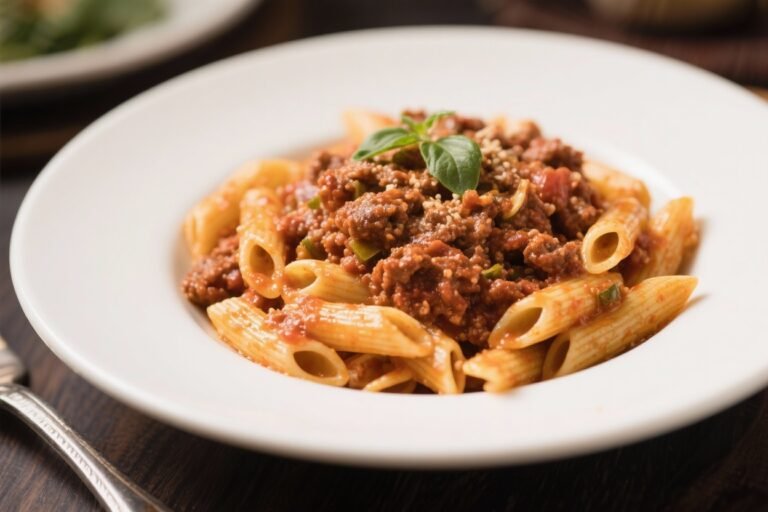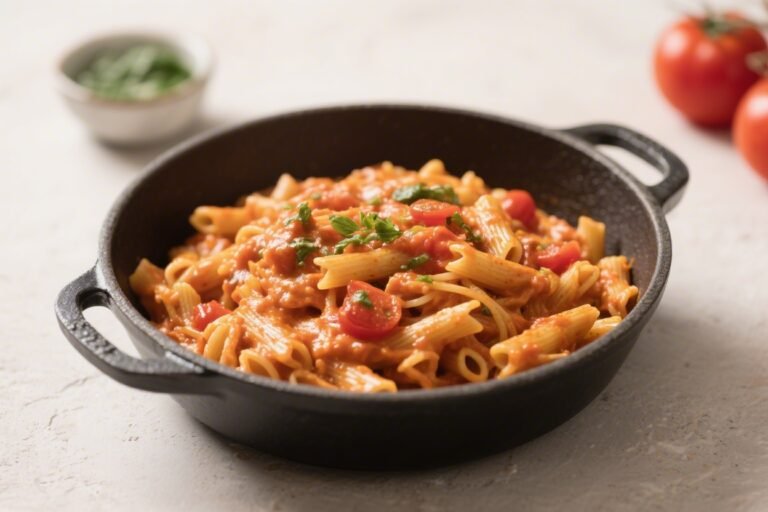
Creamy Mascarpone & Sundried Tomato Pasta – Cozy, Comforting, and Fast
This is the kind of pasta you make when you want something lush and satisfying with minimal effort. Mascarpone melts into a velvety sauce that clings to every noodle, while sundried tomatoes bring a tangy, sweet punch. A little garlic, a splash of pasta water, and a handful of fresh basil turn simple ingredients into a restaurant-worthy bowl.
It’s weeknight-friendly but fancy enough for date night. Best of all, it comes together in the time it takes to boil the pasta.
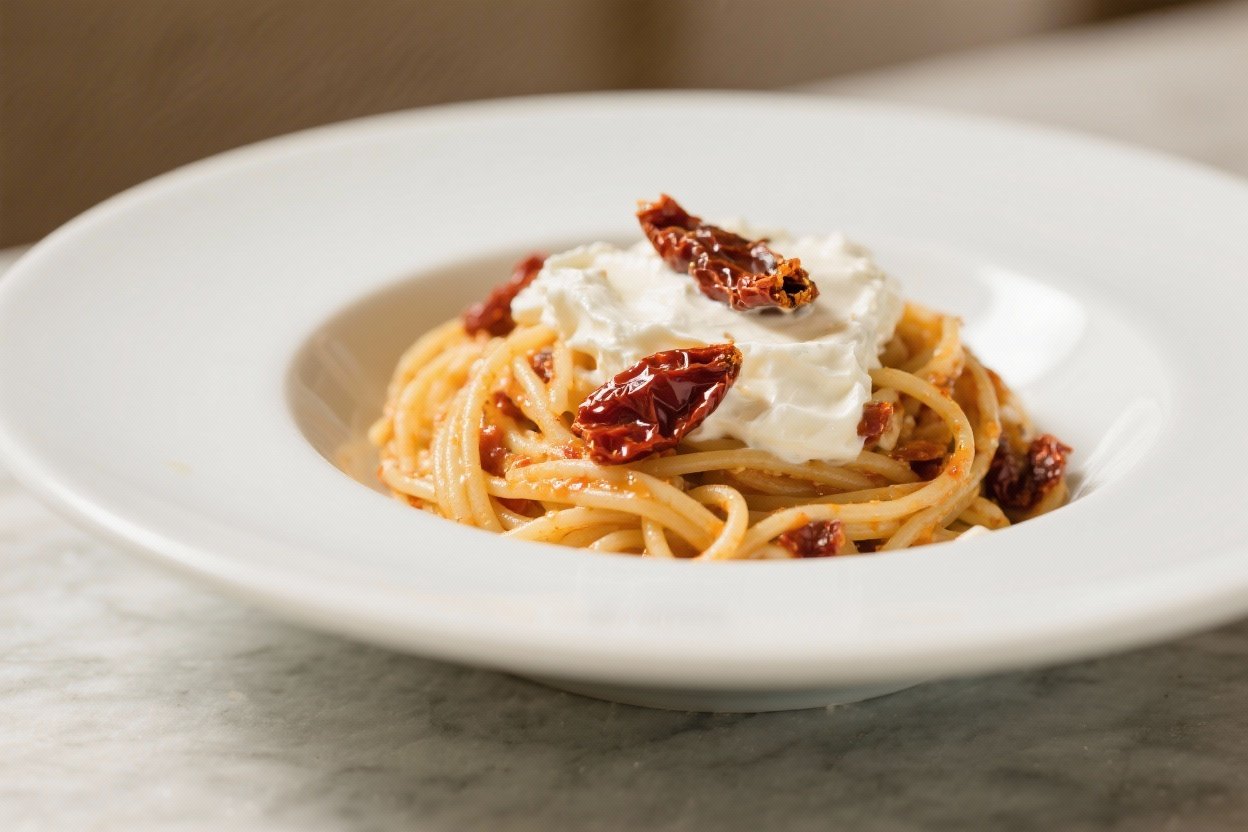
Creamy Mascarpone & Sundried Tomato Pasta - Cozy, Comforting, and Fast
Ingredients
Method
- Boil the pasta. Bring a large pot of well-salted water to a boil. Cook pasta until just shy of al dente so it finishes in the sauce.Reserve at least 1 cup of pasta water before draining.
- Sauté the aromatics. In a large skillet, warm 1–2 tablespoons olive oil or sundried tomato oil over medium heat. Add garlic and a pinch of red pepper flakes. Cook for 30–60 seconds until fragrant, not browned.
- Add sundried tomatoes. Stir in the sliced sundried tomatoes and cook for 1–2 minutes to soften and infuse the oil.
- Start the sauce base. Add a generous splash (about 1/2 cup) of hot pasta water to the skillet.Reduce heat to medium-low and whisk in the mascarpone until smooth and creamy.
- Season and brighten. Stir in lemon zest and a squeeze of lemon juice. Add half the parmesan. Taste and season with salt and black pepper.The sauce should be slightly loose.
- Toss with pasta. Add the drained pasta to the skillet. Toss vigorously, adding more pasta water as needed until the sauce coats the pasta and looks glossy.
- Finish and serve. Stir in fresh basil and the remaining parmesan. If using spinach, wilt it in now; if adding cooked chicken or pancetta, fold it through.Serve immediately with extra parmesan and a final crack of pepper.
Why This Recipe Works
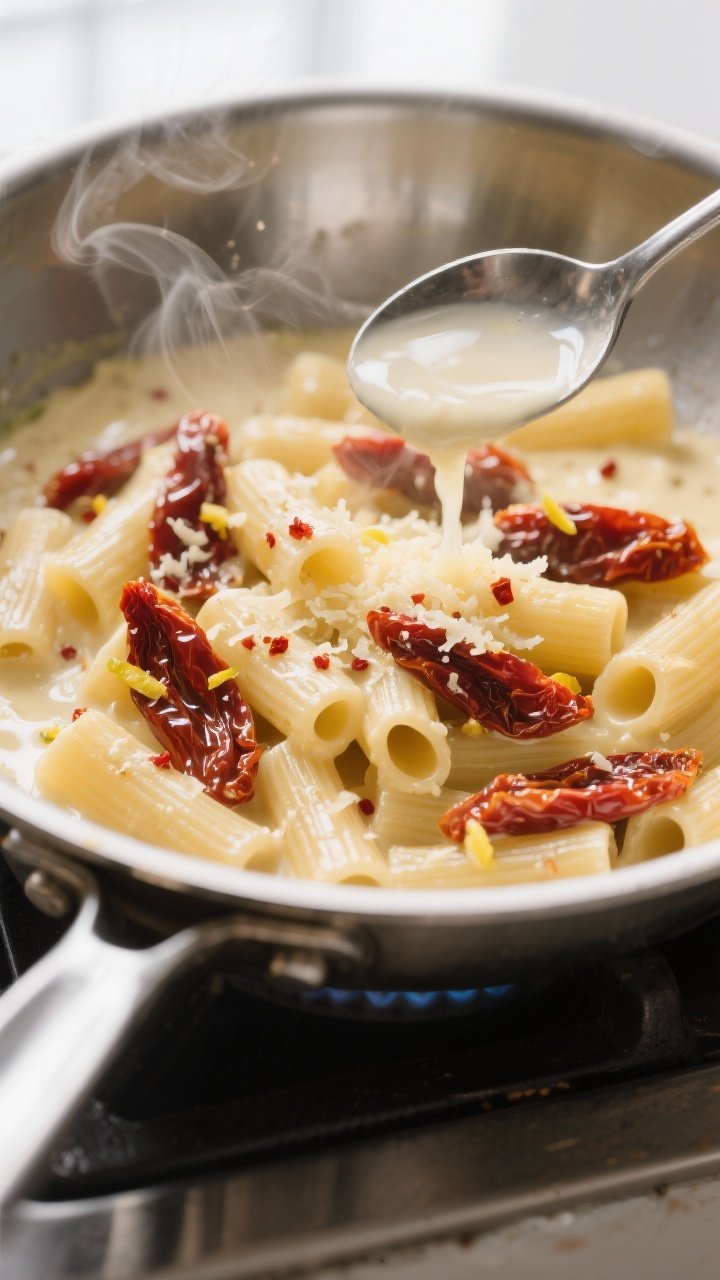
Mascarpone is naturally rich and silky, so it turns into an instant cream sauce without any fuss. Sundried tomatoes add deep flavor and a subtle chew that contrasts nicely with the sauce.
Starchy pasta water helps everything emulsify, creating a glossy, clingy coating. A touch of lemon and parmesan brightens the richness, while basil adds freshness at the end.
It’s a forgiving recipe with flexible ingredients. You can swap shapes, adjust the tang, or add protein without throwing off the balance.
The method is easy and dependable, so you’ll get a consistent result every time.
What You’ll Need
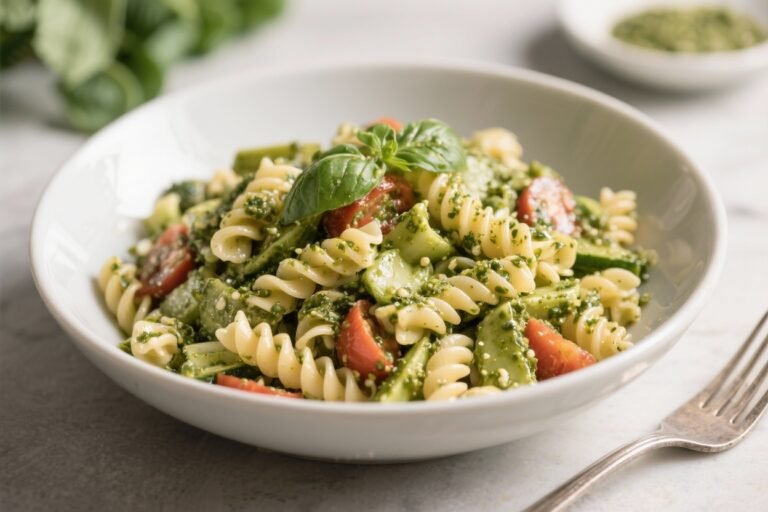
- Pasta: 12 oz (340 g) short pasta like rigatoni, penne, or fusilli; long pasta like fettuccine also works.
- Mascarpone cheese: About 1 cup (225 g).
- Sundried tomatoes: 1/2 cup, finely sliced. Oil-packed is best; reserve some of the oil.
- Olive oil or sundried tomato oil: 1–2 tablespoons.
- Garlic:</strong 2–3 cloves, minced.
- Parmesan: 1/2 cup, finely grated, plus more for serving.
- Lemon: Zest of 1/2 lemon and 1–2 teaspoons juice (optional but recommended).
- Red pepper flakes: Pinch, to taste.
- Fresh basil: Small handful, sliced.
- Salt and black pepper: To taste.
- Pasta water: Reserve 1 cup.
- Optional add-ins: Baby spinach, cooked chicken, crispy pancetta, or roasted vegetables.
How to Make It
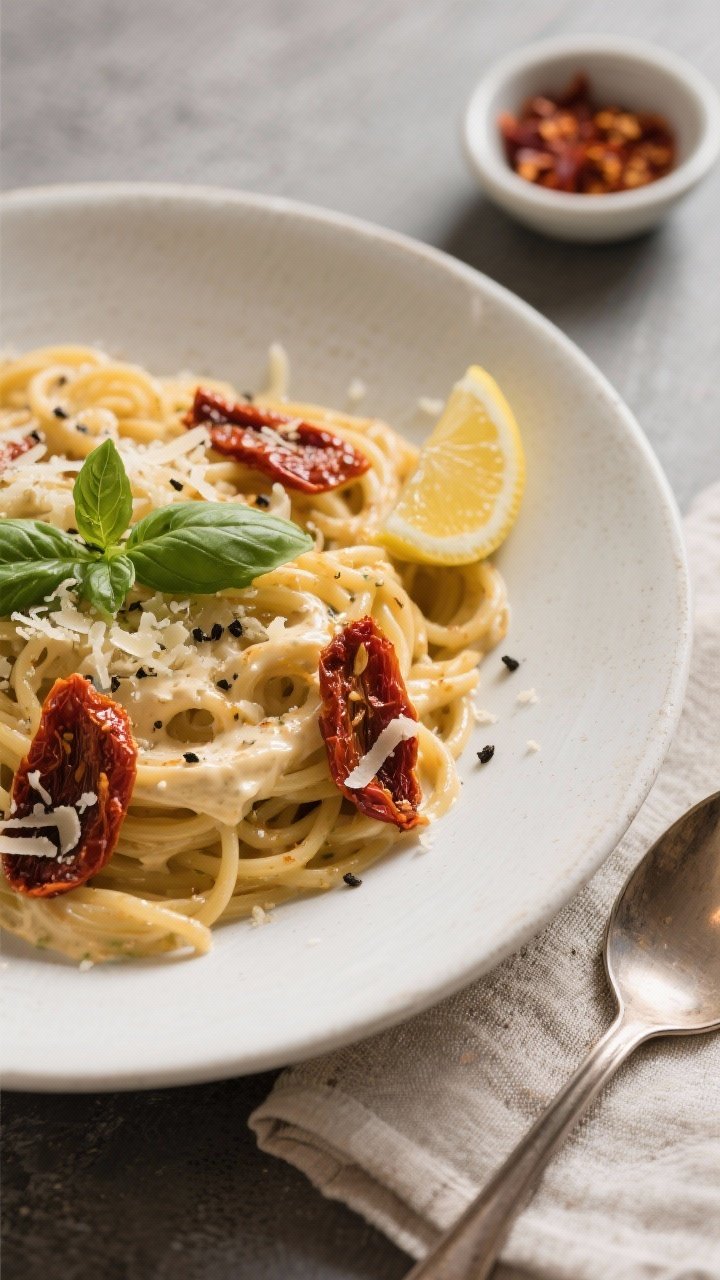
- Boil the pasta. Bring a large pot of well-salted water to a boil. Cook pasta until just shy of al dente so it finishes in the sauce.Reserve at least 1 cup of pasta water before draining.
- Sauté the aromatics. In a large skillet, warm 1–2 tablespoons olive oil or sundried tomato oil over medium heat. Add garlic and a pinch of red pepper flakes. Cook for 30–60 seconds until fragrant, not browned.
- Add sundried tomatoes. Stir in the sliced sundried tomatoes and cook for 1–2 minutes to soften and infuse the oil.
- Start the sauce base. Add a generous splash (about 1/2 cup) of hot pasta water to the skillet.Reduce heat to medium-low and whisk in the mascarpone until smooth and creamy.
- Season and brighten. Stir in lemon zest and a squeeze of lemon juice. Add half the parmesan. Taste and season with salt and black pepper.The sauce should be slightly loose.
- Toss with pasta. Add the drained pasta to the skillet. Toss vigorously, adding more pasta water as needed until the sauce coats the pasta and looks glossy.
- Finish and serve. Stir in fresh basil and the remaining parmesan. If using spinach, wilt it in now; if adding cooked chicken or pancetta, fold it through.Serve immediately with extra parmesan and a final crack of pepper.
Storage Instructions
Store leftovers in an airtight container in the refrigerator for up to 3 days. Reheat gently on the stove over low heat with a splash of water or milk to loosen the sauce. Avoid high heat, which can cause the sauce to split.
Freezing is not ideal because mascarpone can turn grainy after thawing.
If you must, freeze for up to 1 month and reheat very gently with added liquid to restore creaminess. Freshly cooked is best.
Benefits of This Recipe
- Fast and fuss-free: Ready in about 20 minutes, with minimal chopping.
- Restaurant-worthy flavor: Mascarpone and sundried tomatoes deliver rich, layered taste without a long ingredient list.
- Flexible and customizable: Works with many pasta shapes and add-ins.
- One-pan sauce: Fewer dishes and easy cleanup.
- Family-friendly: Mild base with optional heat from red pepper flakes.
Pitfalls to Watch Out For
- Overcooking the garlic: Burnt garlic turns bitter. Keep heat moderate and stir constantly.
- Skipping pasta water: The starch is essential for a silky, emulsified sauce.
- Boiling the sauce: High heat can make mascarpone separate.Keep it gentle and add water as needed.
- Under-seasoning: Taste and adjust salt, lemon, and cheese. Rich sauces need brightness and enough salt.
- Too thick or too thin: Adjust with small splashes of pasta water until the sauce clings but still flows.
Variations You Can Try
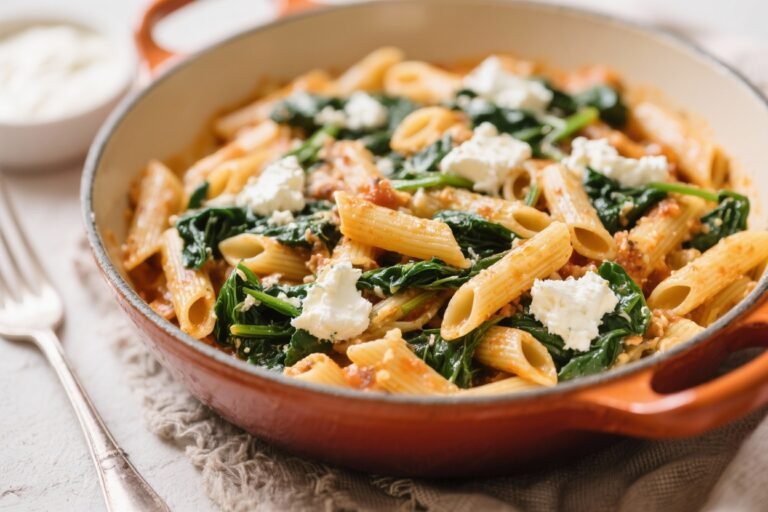
- Spinach and pine nut: Stir in a few handfuls of baby spinach to wilt and finish with toasted pine nuts.
- Chicken or pancetta: Add sliced grilled chicken or crispy pancetta for extra protein and texture.
- Mushroom and thyme: Sauté mushrooms with the garlic and add a pinch of dried thyme for earthiness.
- Roasted red pepper: Blend a few roasted peppers into the mascarpone for a rosy, smoky sauce.
- Olive and caper: Add chopped olives and capers for a briny, puttanesca-style twist.
- Herb swap:</-strong> Use parsley or chives if you’re out of basil.
- Lighter version: Replace half the mascarpone with low-fat ricotta and add a splash of milk.
FAQ
Can I use cream cheese instead of mascarpone?
Yes, but the flavor and texture will change. Cream cheese is tangier and firmer.
Soften it first and whisk with a little warm pasta water to avoid lumps. You may want to add a splash of milk and a bit more parmesan to balance.
Do I need oil-packed sundried tomatoes?
Oil-packed are best because they’re softer and more flavorful. If you only have dry-packed, soak them in hot water for 10–15 minutes, drain, pat dry, and add an extra tablespoon of olive oil to the pan.
What pasta shape works best?
Short, ridged shapes like rigatoni, penne, or fusilli hold the sauce beautifully.
Long noodles like fettuccine or tagliatelle are also great. Avoid very delicate shapes that can clump.
How do I prevent the sauce from curdling?
Keep the heat on medium-low and avoid boiling. Add pasta water gradually to loosen the sauce, and toss constantly.
If it starts to look tight or grainy, reduce the heat and add a splash of water.
Can I make it ahead?
You can prep components ahead by slicing sundried tomatoes and grating cheese. The sauce is best made just before serving. If you must prep earlier, undercook the pasta by 2 minutes and finish it in the sauce when ready to eat.
Is this dish vegetarian?
Yes, if you use vegetarian-friendly parmesan or a similar hard cheese.
Traditional parmesan is not always vegetarian, so check the label if that matters to you.
How can I make it spicier?
Add more red pepper flakes with the garlic or finish with a drizzle of chili oil. You can also stir in a spoonful of Calabrian chili paste for a deeper heat.
What can I use instead of basil?
Parsley, chives, or a little fresh oregano work well. If you don’t have fresh herbs, a small pinch of Italian seasoning can help, but keep it light so the mascarpone doesn’t get overshadowed.
Final Thoughts
This Creamy Mascarpone & Sundried Tomato Pasta delivers comfort and elegance in equal measure.
It’s fast, flexible, and incredibly satisfying, with a sauce that feels special without any complicated steps. Keep mascarpone and sundried tomatoes on hand, and you’ve got a weeknight ace up your sleeve. Pair it with a crisp salad, pour something chilled, and enjoy a cozy plate of pasta any night of the week.