Basil Pesto Cream Sauce Pasta – Comforting, Bright, and Ready Fast
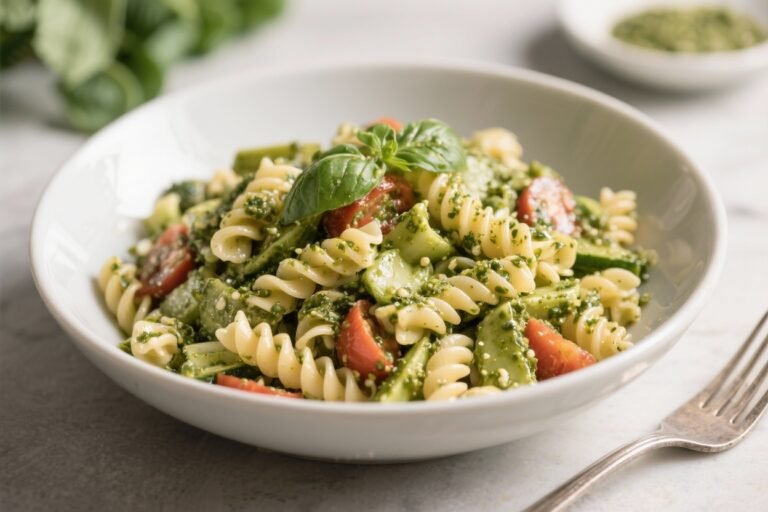
Creamy, herby, and full of fresh flavor, this Basil Pesto Cream Sauce Pasta feels like a restaurant dish you can pull off on a weeknight. The sauce is silky and rich, but the basil keeps it lively and light. It’s the kind of meal that tastes special without being fussy.
If you love pesto but want something a little more cozy than the classic version, this is the sweet spot. Grab a pot, a pan, and 30 minutes—dinner is sorted.
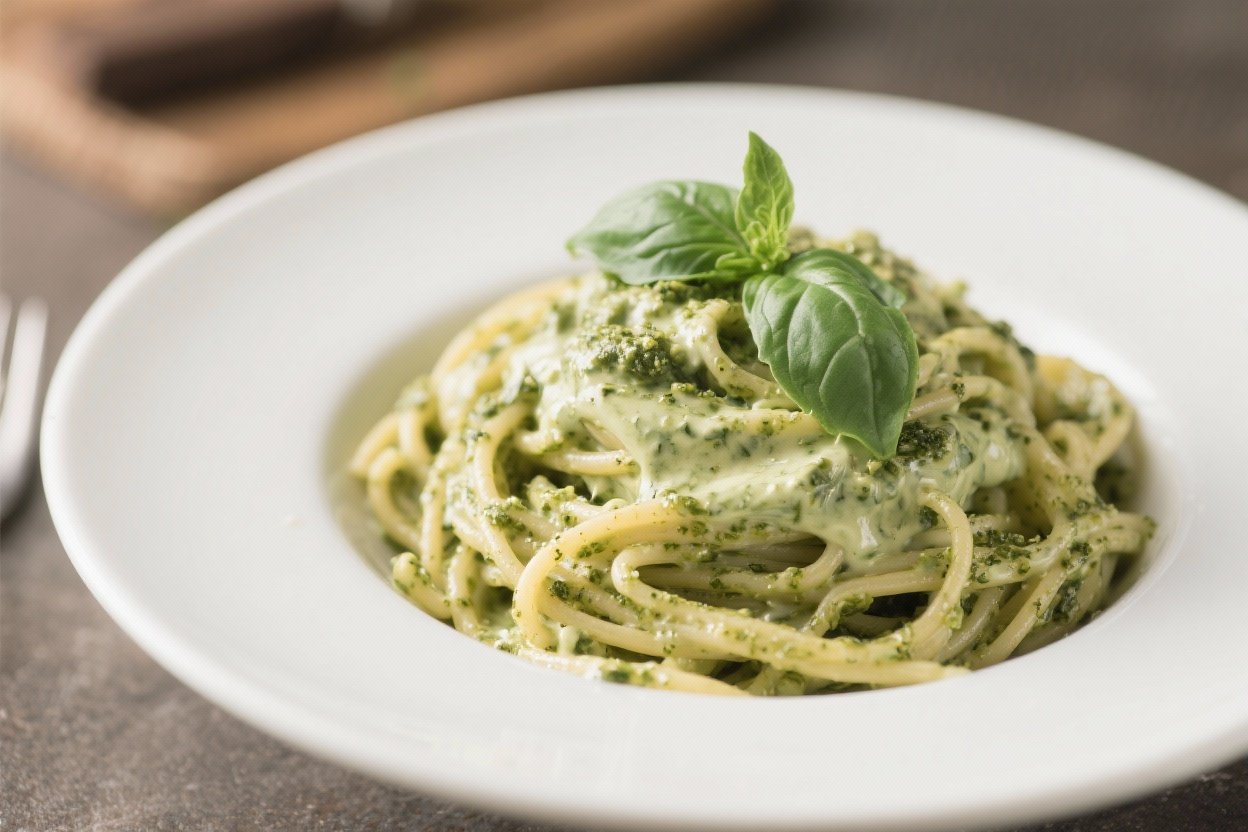
Basil Pesto Cream Sauce Pasta – Comforting, Bright, and Ready Fast
Ingredients
Method
- Boil the pasta: Bring a large pot of well-salted water to a rolling boil. Cook the pasta to al dente according to package directions.Scoop out at least 1 cup pasta water before draining.
- Start the sauce base: In a large skillet over medium heat, warm the butter and olive oil. Add the garlic and sauté for 30–45 seconds until fragrant, not browned.
- Add cream: Pour in the cream and bring to a gentle simmer. Stir often and let it reduce slightly for 2–3 minutes so it thickens a bit.
- Stir in pesto: Lower the heat and whisk in the basil pesto until the sauce turns evenly green and smooth.If it seems too thick, loosen with a splash of pasta water.
- Cheese and lemon: Add Parmesan, lemon zest, and 1 teaspoon lemon juice. Stir until the cheese melts and the sauce becomes glossy. Taste and adjust with salt and pepper.
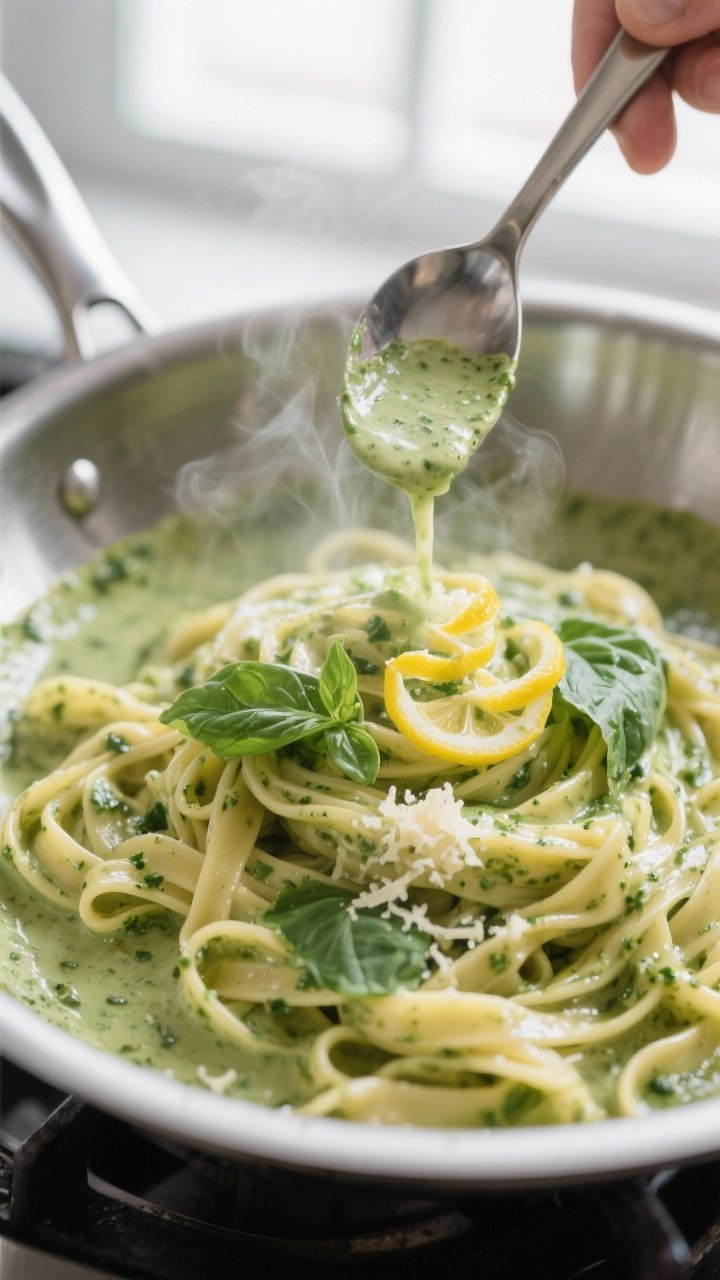
- Toss with pasta: Add the drained pasta to the skillet.Toss vigorously, adding pasta water a little at a time until the sauce clings to the noodles and looks silky.
- Optional add-ins: Fold in spinach (it will wilt quickly), peas, or cooked chicken. Warm through for 1–2 minutes. Avoid boiling the sauce once the pesto is in.
- Serve: Plate immediately with extra Parmesan, a twist of black pepper, and a squeeze of lemon if you like.A few torn basil leaves on top are a nice touch.
What Makes This Recipe So Good
- Balanced flavor: The cream softens pesto’s sharp edges while keeping that fresh basil punch front and center.
- Fast and forgiving: Ready in about 30 minutes, with room to swap in whatever pasta you have.
- Restaurant texture: A little pasta water turns the sauce glossy and clingy, just like your favorite trattoria.
- Flexible add-ins: Toss in chicken, shrimp, or veggies to make it your own without changing the base recipe.
- Year-round friendly: Use store-bought pesto when basil is out of season, or make your own when it’s abundant.
Ingredients
- 12 ounces pasta (penne, fettuccine, or fusilli work well)
- 2 tablespoons unsalted butter
- 2 tablespoons olive oil
- 3 cloves garlic, minced
- 1 cup heavy cream (or 3/4 cup cream + 1/4 cup milk)
- 1/2 cup basil pesto (homemade or store-bought)
- 1/2 cup freshly grated Parmesan, plus more for serving
- 1/2–3/4 cup reserved pasta water
- 1 teaspoon lemon zest and 1–2 teaspoons lemon juice (to brighten)
- Salt and freshly ground black pepper, to taste
- Optional add-ins: cherry tomatoes (halved), baby spinach, cooked chicken, sautéed mushrooms, or peas
How to Make It
- Boil the pasta: Bring a large pot of well-salted water to a rolling boil. Cook the pasta to al dente according to package directions.Scoop out at least 1 cup pasta water before draining.
- Start the sauce base: In a large skillet over medium heat, warm the butter and olive oil. Add the garlic and sauté for 30–45 seconds until fragrant, not browned.
- Add cream: Pour in the cream and bring to a gentle simmer. Stir often and let it reduce slightly for 2–3 minutes so it thickens a bit.
- Stir in pesto: Lower the heat and whisk in the basil pesto until the sauce turns evenly green and smooth.If it seems too thick, loosen with a splash of pasta water.
- Cheese and lemon: Add Parmesan, lemon zest, and 1 teaspoon lemon juice. Stir until the cheese melts and the sauce becomes glossy. Taste and adjust with salt and pepper.
- Toss with pasta: Add the drained pasta to the skillet.Toss vigorously, adding pasta water a little at a time until the sauce clings to the noodles and looks silky.
- Optional add-ins: Fold in spinach (it will wilt quickly), peas, or cooked chicken. Warm through for 1–2 minutes. Avoid boiling the sauce once the pesto is in.
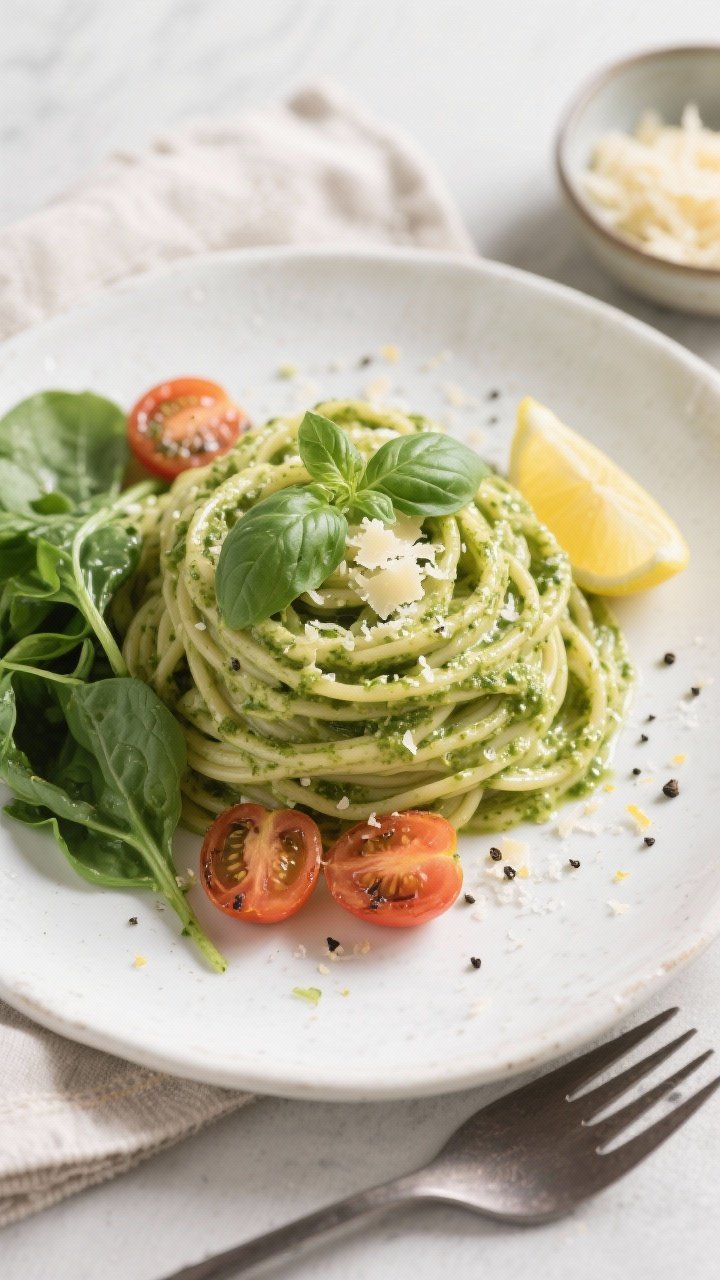
- Serve: Plate immediately with extra Parmesan, a twist of black pepper, and a squeeze of lemon if you like.A few torn basil leaves on top are a nice touch.
How to Store
- Refrigerate: Let leftovers cool, then store in an airtight container for up to 3 days.
- Reheat gently: Warm in a skillet over low heat with a splash of milk or water to loosen. Stir often to prevent splitting.
- Freezing: Not ideal. Cream sauces can separate after thawing.If you must freeze, do it without the pasta and re-emulsify with a little cream and pasta water when reheating.
Why This is Good for You
- Healthy fats: Olive oil and pine nuts (in pesto) provide monounsaturated fats that support heart health.
- Fresh herbs: Basil brings antioxidants and a bright herbal profile that can reduce the need for heavy salt.
- Calcium and protein: Parmesan and cream add calcium and some protein, especially if you include chicken or shrimp.
- Customizable balance: Swap part of the cream for milk, use whole-wheat pasta, or add more veggies to lighten it while keeping flavor high.
Common Mistakes to Avoid
- Boiling the pesto: High heat dulls basil’s flavor and can turn the sauce oily. Keep the heat low once pesto is added.
- Skipping pasta water: It’s the secret to a cohesive, glossy sauce. Add it gradually while tossing.
- Overcooking the pasta: It will soften more in the sauce.Aim for a firm al dente.
- Using pre-shredded cheese: It often contains anti-caking agents that don’t melt smoothly. Freshly grated Parmesan is best.
- Under-seasoning: Cream dulls flavors. Taste and adjust with salt, pepper, and a squeeze of lemon at the end.
Recipe Variations
- Chicken pesto cream: Sear bite-size chicken pieces in the skillet first.Remove, make the sauce, then return the chicken to warm through.
- Shrimp and cherry tomatoes: Sauté shrimp until just pink, set aside, and add halved tomatoes to the sauce. Finish with shrimp and basil.
- Lighter version: Use half-and-half instead of heavy cream and add extra pasta water for body. Expect a slightly thinner sauce.
- Veggie boost: Fold in spinach, roasted zucchini, asparagus tips, or peas.The freshness works well with basil.
- Nut-free pesto: Make pesto with sunflower seeds or pumpkin seeds if you’re avoiding pine nuts.
- Gluten-free: Use gluten-free pasta and check your pesto brand to confirm it’s gluten-free.
- Extra-herby: Stir in a spoonful of chopped fresh basil and parsley at the end for a green, aromatic finish.
FAQ
Can I use store-bought pesto?
Yes. Choose a brand with simple ingredients like basil, olive oil, nuts, cheese, and salt. Taste it first and adjust salt and lemon in the sauce accordingly.
What pasta shape works best?
Short shapes like penne and fusilli catch the sauce well, while fettuccine gives a silky, twirlable experience.
Use what you like and what you have.
How do I prevent the sauce from separating?
Keep the heat low after adding pesto, and add pasta water gradually while tossing. Avoid boiling once the cheese and pesto are in. Gentle heat keeps everything emulsified.
Can I make it without heavy cream?
You can use half-and-half or a mix of milk and a little cream cheese to add body.
The result will be lighter and slightly less rich, but still delicious.
Is Parmesan necessary?
It adds depth and umami. If you need a substitute, try Pecorino Romano (saltier, sharper) or a good aged Grana Padano. For dairy-free, use a vegan Parmesan-style topping.
How far in advance can I make it?
You can make the sauce up to a day ahead, but it’s best fresh.
Reheat gently and thin with milk or water, then toss with hot pasta right before serving.
Can I add wine to the sauce?
A splash of dry white wine can be added after the garlic and reduced by half before adding cream. It brings a subtle brightness that pairs well with basil.
In Conclusion
Basil Pesto Cream Sauce Pasta is comfort food with a fresh twist. The silky sauce hugs every noodle, and the basil keeps it lively and aromatic.
It’s fast enough for weeknights, special enough for guests, and flexible enough to welcome your favorite add-ins. Keep the heat gentle, save that pasta water, and you’ll have a dinner that tastes as good as it looks—every time.